Skip to content

Dietitian's view

Give pumpkin seed finely ground.

Uzm. Dyt. Berk AysanPrepared the latest update, November 14, 2026

Lokmini is not a healthcare provider and does not offer health services. For your baby's specific needs, talk to your doctor or a dietitian.

  • Nuts and seeds
  • 6 mo+
  • High choking risk

Pumpkin seed for babies: when to start

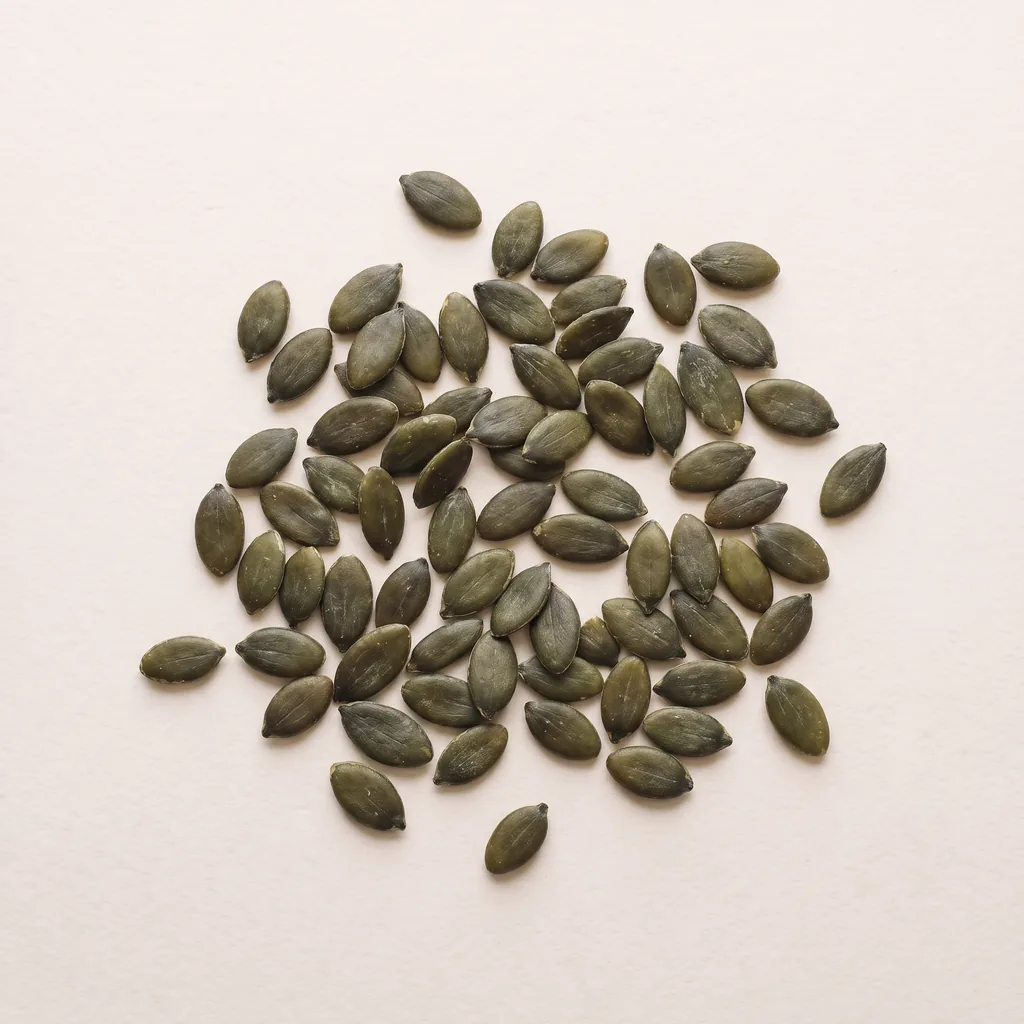
Pumpkin seed is the edible seed of the pumpkin plant. Pumpkin plants come from the Americas. Green pumpkin seeds without a shell are also known as pepitas.

  • Protein
  • Healthy fats
  • Fiber
  • Iron
  • Magnesium
  • Zinc
Pumpkin seed prepared for a baby

About pumpkin seed

When your baby is ready for solids, usually around 6 months, you can add pumpkin seed to their diet.

Pumpkin seeds should not be given to babies whole. Serve them finely ground or as a thinned smooth butter.

Nutrition

Pumpkin seed is rich in unsaturated fats, plant protein and fiber. It also contains minerals such as magnesium, zinc, iron, phosphorus and copper.

Pumpkin seed also contains vitamin E and various phenolic compounds. But there is not enough clinical evidence that these compounds give babies a direct health benefit.

Because plant iron may be poorly absorbed, pumpkin seed should not be counted as your baby's main source of iron.

Also known as: çiğ kabak çekirdeği, kabuksuz kabak çekirdeği, pepitas, kabak çekirdeği ezmesi

  • Gluten-free
  • Vegan

How to prepare it by age

6 monthsMash

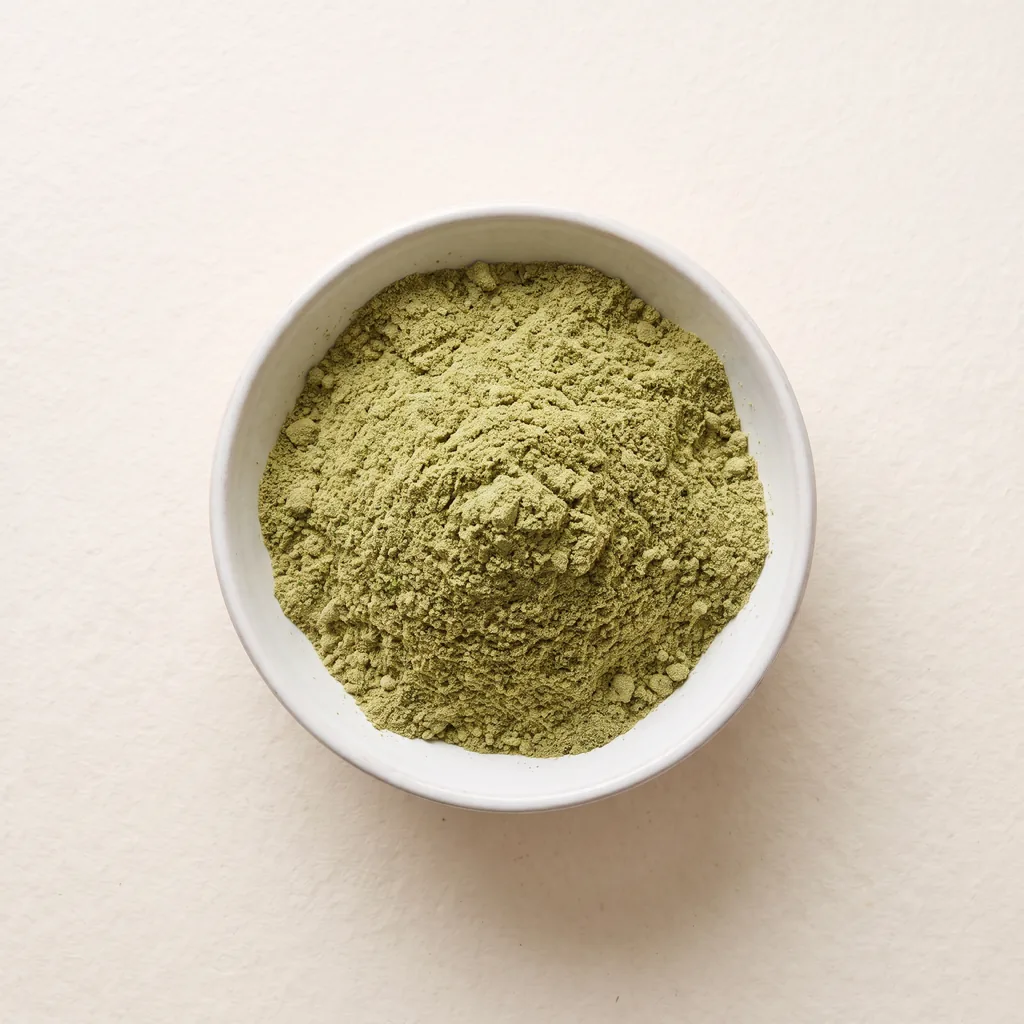
Pumpkin seed prepared for 6 months

Cut: Ground

Grind shell-less green pumpkin seeds (pepitas) in a food processor to a powder with no big pieces left. Sprinkle over yogurt, rice, quinoa, mashed squash or warm porridge. Coat slippery foods such as fruit slices in the powder so baby grips them better. If you use butter, pick a smooth one with no honey. Loosen it well using applesauce, formula, breast milk or water. An open cup of water alongside helps baby swallow sticky bits.
12 monthsMash

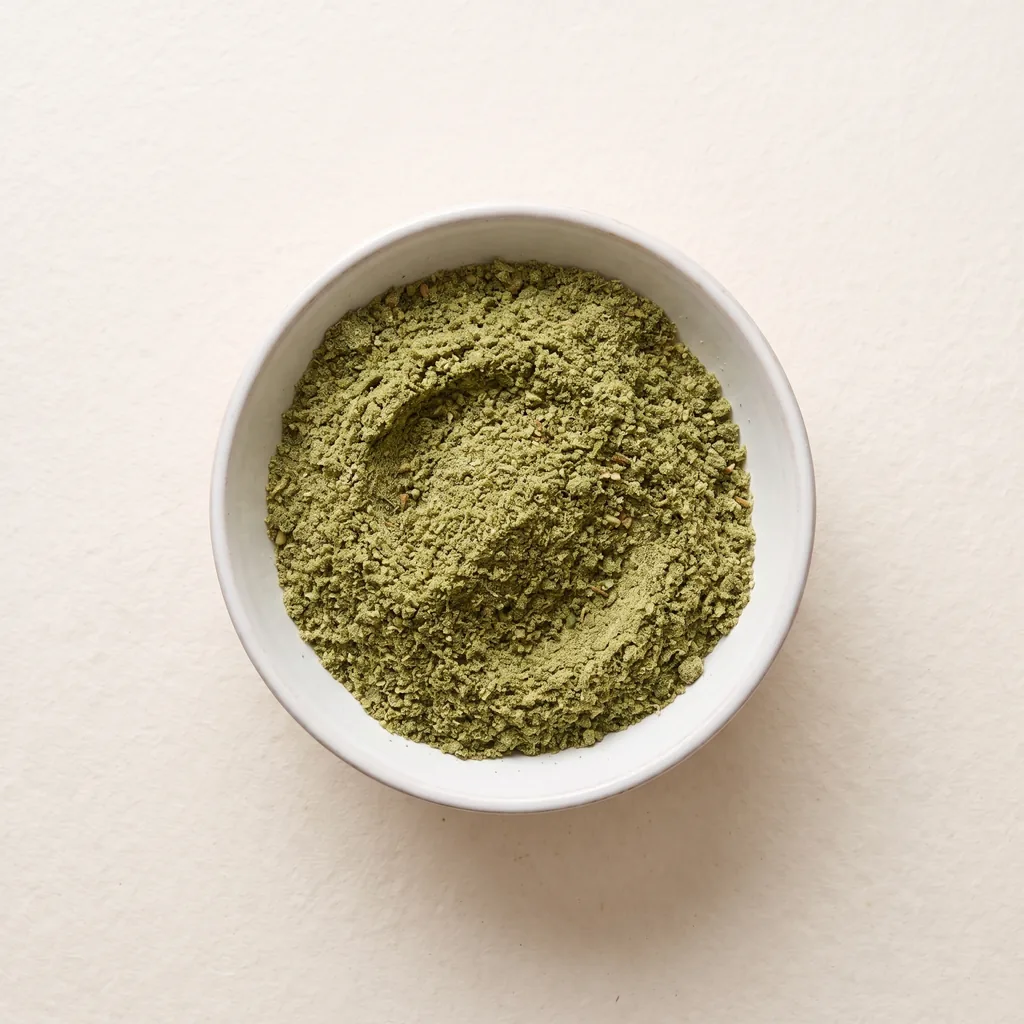
Pumpkin seed prepared for 12 months

Cut: Ground

Sprinkle finely ground shell-less seeds on yogurt, porridge and other spoon foods. At this age the butter can go without thinning first. Still spread it very thin on other food or mix it in well, with no clumps. Do not give a spoonful of butter alone. Thick butter is sticky and a small child cannot manage it in the mouth.

Choking risk

  1. Low
  2. Medium
  3. High

Because pumpkin seeds are small and hard, they can be a choking risk for babies and young children.

Pumpkin seed butter can make swallowing hard when it is thick and sticky.

**Do not give whole or large pieces of pumpkin seed.** Grind the seeds completely and mix them into moist foods. Thin the smooth butter well before serving.

For children under 5 years, avoiding all whole nuts and hard seeds is the safer approach.

Your child should sit upright for the whole meal and be watched by you at all times.

Whole Pumpkin Seeds Are a Choking Risk

Do not give your baby whole, half or large pieces of pumpkin seed. Grind the seeds finely and mix them into moist foods, or serve the smooth butter thinned.

Allergen information

Pumpkin seed is not one of the common, priority food allergens such as peanut, sesame or tree nuts.

Still, allergic reactions to pumpkin seed have been reported. Though rare, serious reactions can happen.

On the first try, offer a small amount of finely ground pumpkin seed or thinned butter. If no problem appears, you can slowly increase the amount.

A pumpkin seed allergy does not mean an allergy to all tree nuts or other seeds.

If widespread hives, swelling of the lips or tongue, repeated vomiting, wheezing or trouble breathing appear after eating, stop feeding it. For signs of a serious reaction, call emergency services right away.

Frequently asked questions

What age can babies eat pumpkin seed?

Pumpkin seed is the edible seed of the pumpkin plant. Pumpkin plants come from the Americas. Green pumpkin seeds without a shell are also known as pepitas.

Is pumpkin seed a common allergen?

Pumpkin seed is not one of the common, priority food allergens such as peanut, sesame or tree nuts.

How do you prepare pumpkin seed for babies?

For a 6-month-old: Grind shell-less green pumpkin seeds (pepitas) in a food processor to a powder with no big pieces left. Sprinkle over yogurt, rice, quinoa, mashed squash or warm porridge. Coat slippery foods such as fruit slices in the powder so baby grips them better. If you use butter, pick a smooth one with no honey. Loosen it well using applesauce, formula, breast milk or water. An open cup of water alongside helps baby swallow sticky bits.
Is pumpkin seed a choking hazard for babies?

Because pumpkin seeds are small and hard, they can be a choking risk for babies and young children.

How can I thin pumpkin seed butter?

You can mix it with water, breast milk, prepared formula, yogurt or fruit puree. Choose products with no sugar, salt or honey. Honey should not be given to babies under 12 months because of the risk of botulism.

How can I grind pumpkin seeds?

You can use a food processor, a coffee grinder or a suitable seed grinder. Make sure no hard pieces are left. Pounding with a mortar alone may not make it fine enough.

Are white-shelled pumpkin seeds from the store suitable for babies?

Do not give them to babies with the shell on. Even after the shells are removed, the seeds should be ground completely fine. Moving to whole seeds at 2 years is not considered safe.
Share:WhatsApp

Want to add this food to your baby's solid food calendar?

Join Lokmini to learn how this food is served at each age and to keep track of every food your baby tries.

Join Lokmini

Starting Solids

When and how to start solids, and what happens in the first week?

Read the guide

Similar foods

Let's get ready for the first bite together

Lokmini builds a day-by-day plan for your baby's age. Leave your email for new guides and our newsletter.

Start Your Journey