


When should babies start solids?
Quick answer
Starting solids around 6 months is recommended. European guidelines advise that solids should not be given before 4 months (17 weeks) and should not be delayed beyond 6 months (26 weeks).
The World Health Organization recommends breast milk alone for the first 6 months, then solid foods alongside breast milk. Every baby develops at their own pace, so along with the calendar, your baby's signs of readiness are watched too.
Can a 4 or 5 month old start solids?
Unless your pediatrician advises otherwise, waiting until around 6 months is recommended. Solids are not advised before 4 months, because a baby's digestive system and swallowing skills are still developing until then.
Starting solids with preterm babies
For babies born early, the right time to start is decided together with your doctor, based on your baby's development.
Tool, Level 1
How many days until the first bite?
Is your baby ready? Signs of readiness for solids
Quick answer
Your baby is ready for solids when they can hold their head steady and upright, sit with a little support, pick up food and bring it to their mouth, and swallow food instead of pushing it back out with their tongue.
- Holds head steady and upright
- Sits with a little support
- Picks up food and brings it to mouth
- Swallows food instead of pushing it out
Waking more at night, showing interest in grown-up food and sucking on hands are not signs of readiness on their own. These are common behaviors for babies this age.
What should baby's first food be?
Quick answer
First foods should be soft, single-ingredient and prepared for your baby's age. After 6 months, a baby's need for iron goes up, so iron-rich foods are offered early on.
How do the first day and first week go?
Quick answer
On the first day, start with a few small spoonfuls or a few small pieces. New foods are offered in the morning or at midday, so your baby can be watched for the rest of the day.
| Day | Food | Note |
|---|---|---|
| 1 | Zucchini | First taste, a few small spoonfuls |
| 2 | Carrot | New foods go in the morning |
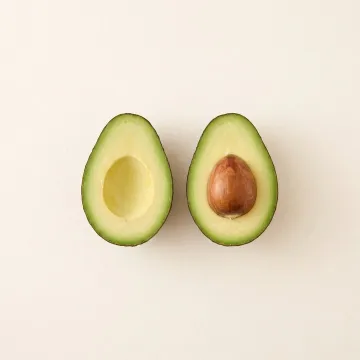
| 3 | Avocado | Mashed or in finger-length slices |
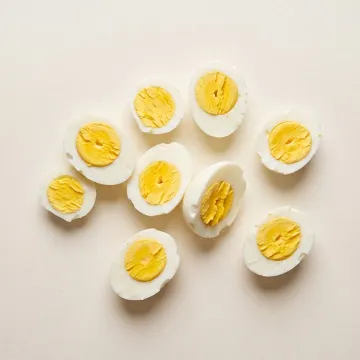
| 4 | Egg | Allergen, day 1, fully cooked |
| 5 | Egg | Allergen, day 2, no other new foods |
| 6 | Egg | Allergen, day 3, no other new foods |
| 7 | Sweet potato | Back to new foods |
This table is just an example. Your Lokmini plan sets the order based on your baby's age.
3 days for each new food
Quick answer
Each new food is given 3 days in a row, so a possible reaction can be linked to the right food. No other new foods are added on an allergen's 3 days.
| Food type | How it's introduced | Why |
|---|---|---|
| Non-allergen food | 3 days in a row | It's easy to tell which food a possible reaction came from |
| Allergen | 3 days in a row, no other new foods on those days | A possible reaction is linked to the right food |
The American Academy of Pediatrics and the Turkey Dietary Guidelines (TÜBER) suggest 3-5 days between new foods. This rests on expert opinion, and some countries' guidelines skip the wait for non-allergen foods. Lokmini gives each new food 3 days.
Allergens: when and how to introduce them
Quick answer
Once your baby has started solids, allergens are introduced safely and without delay. Research shows that introducing allergens late does not prevent allergies.
Signs of an allergic reaction after a new food
- Redness or a rash around the mouth or on the body
- Swelling around the lips or eyes
- Vomiting, diarrhea or fussiness
- Wheezing or trouble breathing
- Unusual sleepiness or floppiness
Emergency
If you notice trouble breathing or swelling of the face or tongue, call 911 (or your local emergency number) right away.
Solids chart by age
Quick answer
WHO recommends 2-3 meals a day for babies 6-8 months old, and 3-4 meals a day plus 1-2 snacks as needed for babies 9-23 months old.
| Age | Meals | Texture | Example foods |
|---|---|---|---|
| 6 months | 2-3 meals | Purées or soft, finger-length strips | Zucchini, avocado, yogurt, egg |
| 7-8 months | 2-3 meals | Mashed, small soft pieces | Lentils, chicken, pear, bulgur |
| 9-11 months | 3-4 meals, 1-2 snacks | Small bites, finger foods | Cheese, fish, pasta, spinach |
| 12 months | 3-4 meals, 1-2 snacks | From the family table, cut to size | Most family meals |
Purées or baby-led weaning (BLW)?
Quick answer
Both approaches can be used safely, and many families mix the two. What matters most is preparing food in a way that suits your baby's age.
| Comparison | Purées (spoon-fed) | Finger foods (BLW) |
|---|---|---|
| How? | A parent feeds with a spoon | Your baby picks up soft pieces on their own |
| Upsides | Easy to see how much your baby eats | Builds hand skills and taste exploration |
| Keep in mind | Thicken the texture over time | Cut pieces to suit your baby's age |
Safety: gagging, choking and cutting food
Gagging
It's noisy, with coughing and a red face. It's a natural reflex that protects your baby.
Choking
It's silent. Your baby can't make sounds and their face may turn blue. It needs emergency help: call 911 (or your local emergency number).
Round, firm foods like whole grapes and whole nuts are cut or mashed to suit your baby's age because of the choking risk. Our food pages show how to cut every food for 6, 9 and 12 months.
What waits until age 1
- Honey is not given before age 1 because of the risk of infant botulism.
- Salt, added sugar and juice wait until at least age 1.
- Cow's milk becomes a main drink after age 1. Before then, it can be used in cooking and in yogurt.
- Whole nuts and whole grapes are mashed or cut because of the choking risk.
- Eggs are always served fully cooked.
Water, breast milk and formula
After your baby starts solids, breast milk or formula is still their main source of nutrition. A few sips of water from a cup can be offered with meals. The World Health Organization recommends continuing breastfeeding up to 2 years and beyond.
Common situations
My baby refuses food
Accepting new tastes takes time. Some foods are loved only after 8-15 tries. Offering again in a calm setting helps.
Constipation
Poop can change during the transition. Water, fiber-rich foods and fruits like pears and apricots can help.
Vomiting
Spitting up now and then can happen. If vomiting keeps happening or starts after a new food, check with your doctor.
When should you call the doctor?
- If your baby is 6 months old and isn't showing signs of readiness yet
- Before starting allergens, if your baby has eczema or there's a family history of food allergy
- If you notice a rash, vomiting or swelling after a new food
- If you have any questions about weight gain or growth
Frequently asked questions
What time of day should baby's first food be?
How many meals of solids should a 6 month old have?
Is the 3-day rule outdated?
When can preterm babies start solids?
When can babies have water?
When can I add salt to baby's food?
When can babies have cow's milk?
When do solids become baby's main meals?
Sources
- World Health Organization (WHO), Infant and young child feeding (2023) (opens in a new tab)
- ESPGHAN, Complementary feeding: a position paper (2017) (opens in a new tab)
- American Academy of Pediatrics (AAP), Starting solid foods and introducing allergens (opens in a new tab)
- National Health Service (NHS), Weaning and your baby (opens in a new tab)
- Turkish Ministry of Health, Turkey Dietary Guidelines (TÜBER) (opens in a new tab)
Prepared by the Lokmini team | Last updated October 7, 2026 | Lokmini shares information and does not diagnose. Please check with your baby's doctor.