Skip to content
  • Vegetables
  • 6 mo+
  • High choking risk

Carrot for babies: when to start

Carrot can start when your baby is about 6 months old and ready for solids. Raw carrot, baby carrots and carrot sticks above all, is a common choking risk. So cook it soft first.

  • Vitamin A
  • Vitamin K
  • Vitamin B6
  • Folate
  • Potassium
  • Fiber
Carrot illustration

About carrot

Carrots are mostly orange and sweet now, but they were not always. The root vegetable began in Southwest Asia. People first gathered the fragrant leaves and seeds for food and medicine. Later they learned to eat the root. Those roots were yellow or purple, not orange, with a thin shape and a more bitter taste than today's carrot.

Carrots of every color provide carbohydrates, fluid, fiber and folate. They also have vitamins A, B6 and K, plus magnesium and potassium. They also hold carotenoids such as lutein and zeaxanthin.

Also known as: bebek havucu, havuç, mini havuç, mor havuç, sarı havuç

  • Gluten-free
  • Vegan

How to prepare it by age

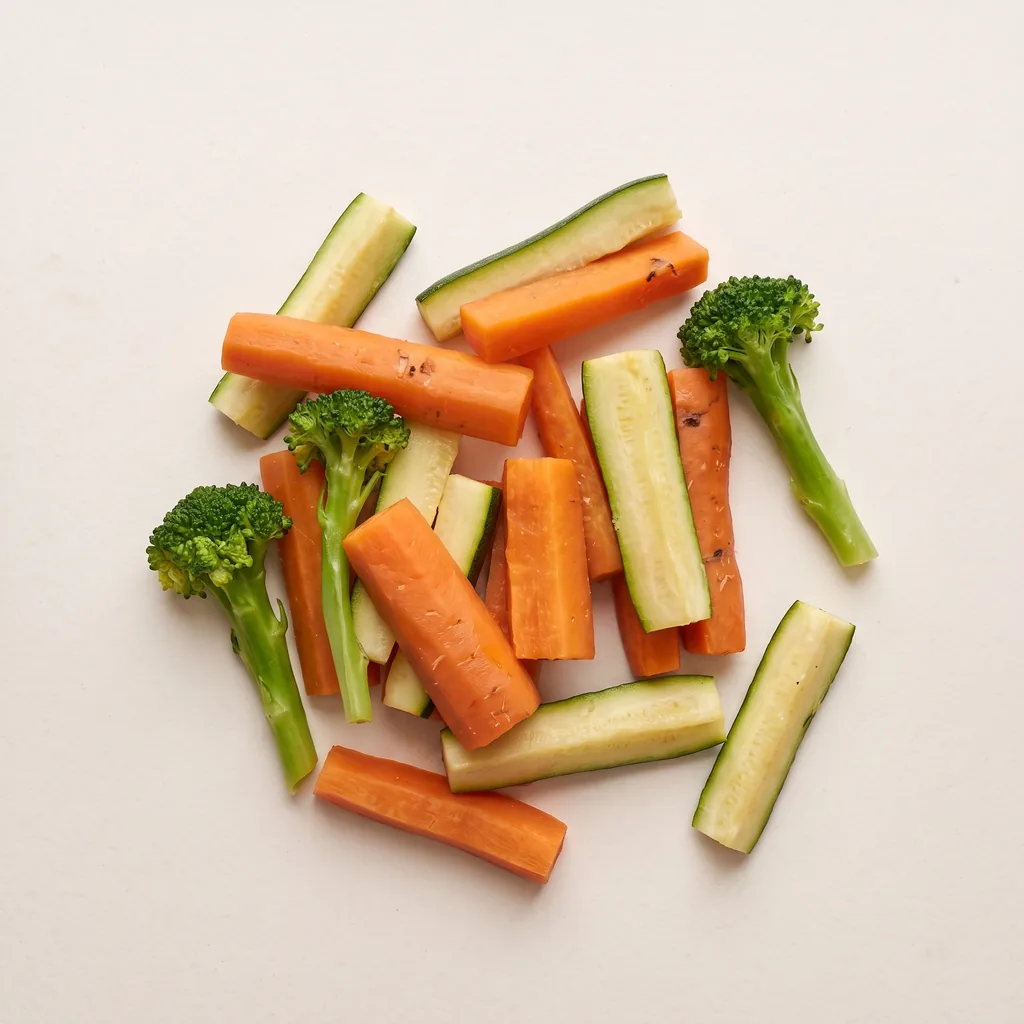
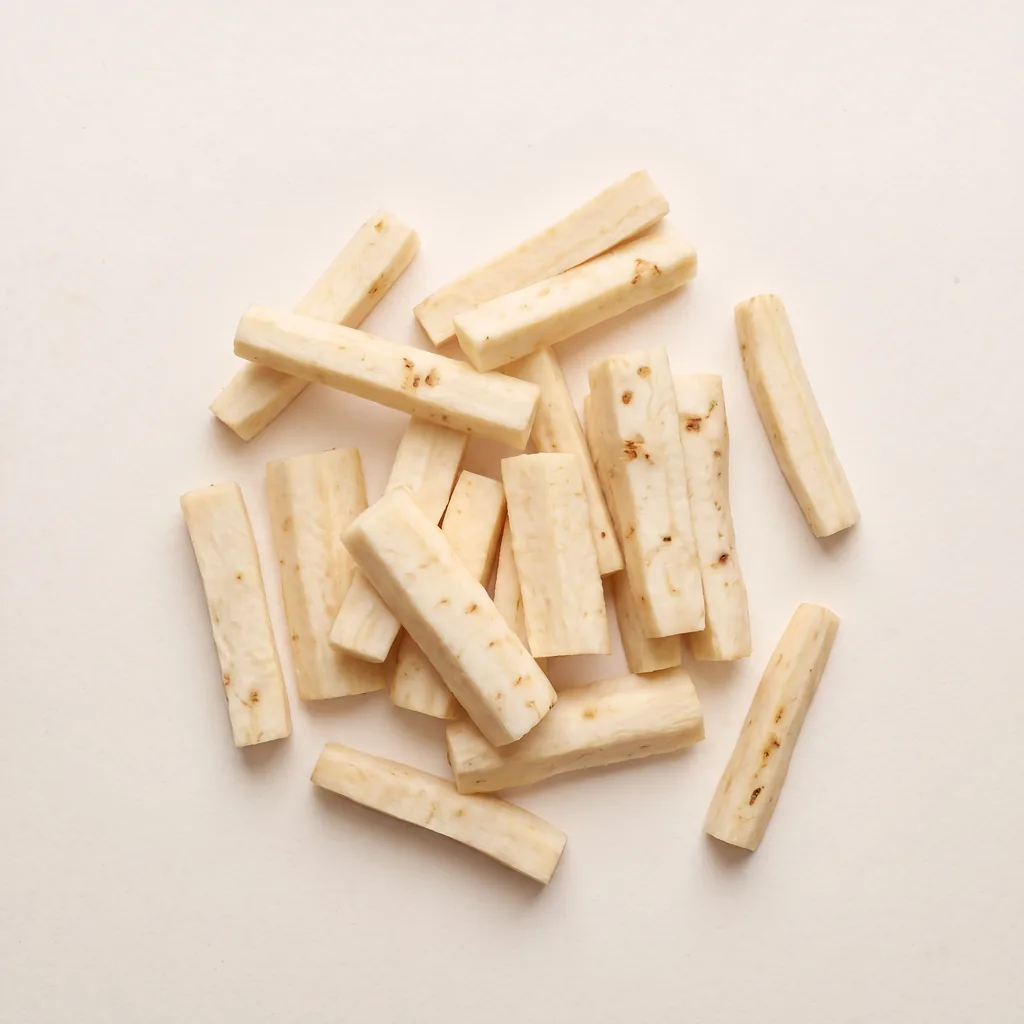
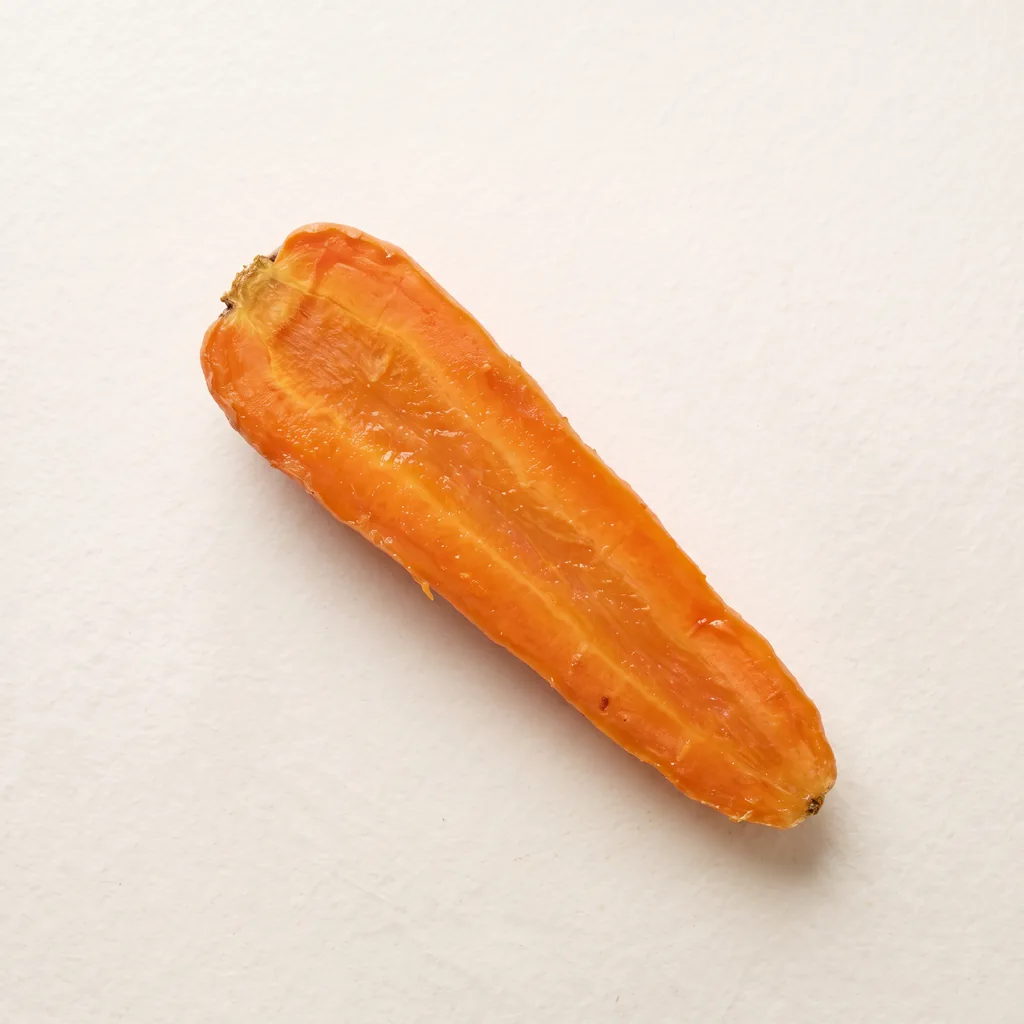
6 monthsStrip

Carrot prepared for 6 months

Cook the carrot whole and unpeeled until a knife slides in easily. Next, halve it lengthwise and give your baby a thick piece to hold in the palm. If it squashes easily between two fingers, the texture is right. If you feed with a spoon, mash the cooked carrot and serve it on a pre-loaded spoon. Raw carrot is a high choking risk at this age.

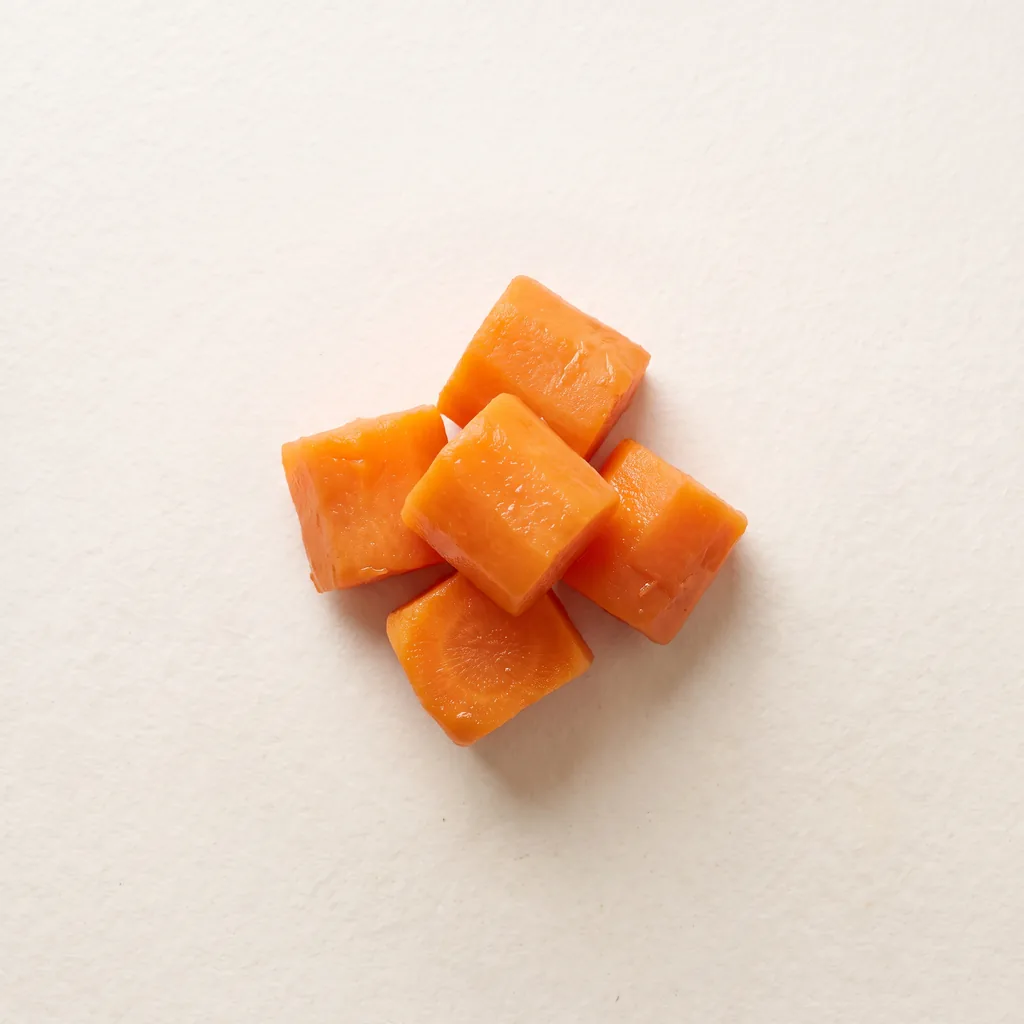
9 monthsCube

Carrot prepared for 9 months

Cut: Bite sized piece

When your baby starts picking up small pieces between thumb and forefinger, serve cooked carrot in bite-sized cubes. Finely grated raw carrot can also be offered now. Raw carrot sticks are still too early.

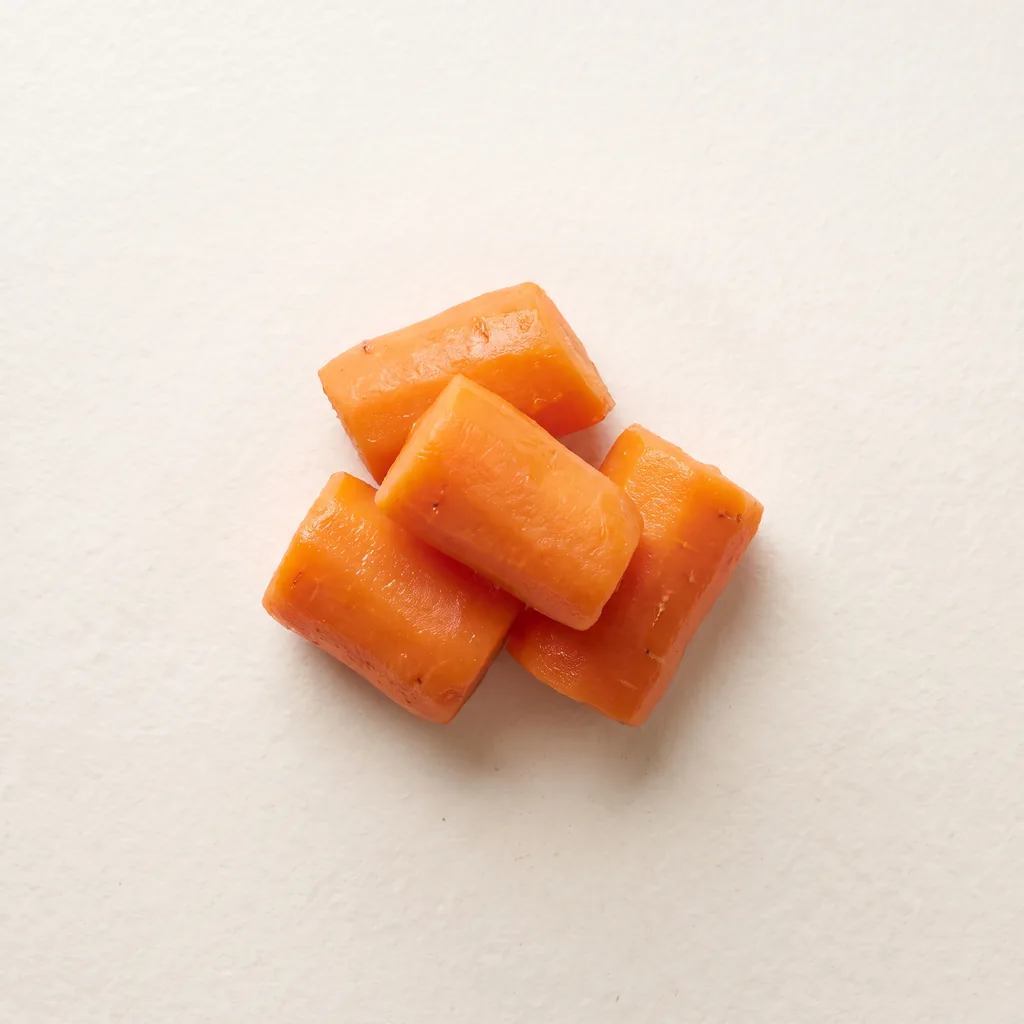
12 monthsCube

Carrot prepared for 12 months

Cut: Bite sized piece

Keep serving cooked carrot in bite-sized pieces. As your child nears age two, raw carrot becomes an option. Cut raw carrot lengthwise into quarters and serve thin sticks. Whole baby carrots stay risky before age two because of their shape and firmness.

Choking risk

  1. Low
  2. Medium
  3. High

Carrots, above all baby carrots and carrot sticks, are a common choking risk. To lower the risk, cook until soft and cut for your child's age. Stay with your baby during meals.

Allergen information

Carrot is not a common allergen. Still, allergic reactions to carrot have been reported, and data on how often they occur in babies are limited.

Some people with birch pollen allergy may also react to raw carrot. In this condition, known as pollen food allergy syndrome, itching, tingling and mild swelling can occur in the mouth or throat. Symptoms are mostly mild, but serious reactions can rarely develop. Cooking carrot can reduce the reaction in some people, but it does not fully remove the risk of allergy.

When you offer carrot for the first time, give a small amount. If there is no reaction, you can increase the amount gradually over later meals.

If signs such as hives, lip swelling or vomiting develop, stop giving carrot and talk to your doctor. If there are serious signs such as trouble breathing, swelling of the tongue or throat, or sudden marked lethargy, call emergency services right away.

Frequently asked questions

What age can babies eat carrot?

Carrot can start when your baby is about 6 months old and ready for solids. Raw carrot, baby carrots and carrot sticks above all, is a common choking risk. So cook it soft first.

Is carrot a common allergen?

Carrot is not a common allergen. Still, allergic reactions to carrot have been reported, and data on how often they occur in babies are limited.

How do you prepare carrot for babies?

For a 6-month-old: Cook the carrot whole and unpeeled until a knife slides in easily. Next, halve it lengthwise and give your baby a thick piece to hold in the palm. If it squashes easily between two fingers, the texture is right. If you feed with a spoon, mash the cooked carrot and serve it on a pre-loaded spoon. Raw carrot is a high choking risk at this age.

Is carrot a choking hazard for babies?

Carrots, above all baby carrots and carrot sticks, are a common choking risk. To lower the risk, cook until soft and cut for your child's age. Stay with your baby during meals.

When can I serve raw baby carrots?

Whole raw baby carrots are not suitable for young children because they are hard and round. Turning 2 years old does not by itself make them safe. For babies, cook baby carrots until very soft and serve them halved or quartered lengthwise. If you want to give raw carrot, choose it very finely grated.

Should I worry about nitrates in carrots?

Usually not. For healthy babies who start solids at about 6 months, eating a suitable amount of carrot usually causes no problem. Do not use well water with untested nitrate levels to prepare baby formula or food. Cool homemade carrot purées quickly, store them in the fridge, and use them within 24 hours if you can. You can freeze them for longer storage.

How do I check cooked carrot?

Gently squeeze the cooked carrot between your thumb and index finger. If it mashes easily with no hard center left, it is soft enough for your baby. If it is still firm, cook it a little longer. Check the temperature before serving, too.

Prepared by the Lokmini team | Last updated November 19, 2026

Share:WhatsApp

Want to add this food to your baby's solid food calendar?

Join Lokmini to learn how this food is served at each age and to keep track of every food your baby tries.

Join Lokmini

Starting Solids

When and how to start solids, and what happens in the first week?

Read the guide

Similar foods

Let's get ready for the first bite together

Lokmini builds a day-by-day plan for your baby's age. Leave your email for new guides and our newsletter.

Start Your Journey