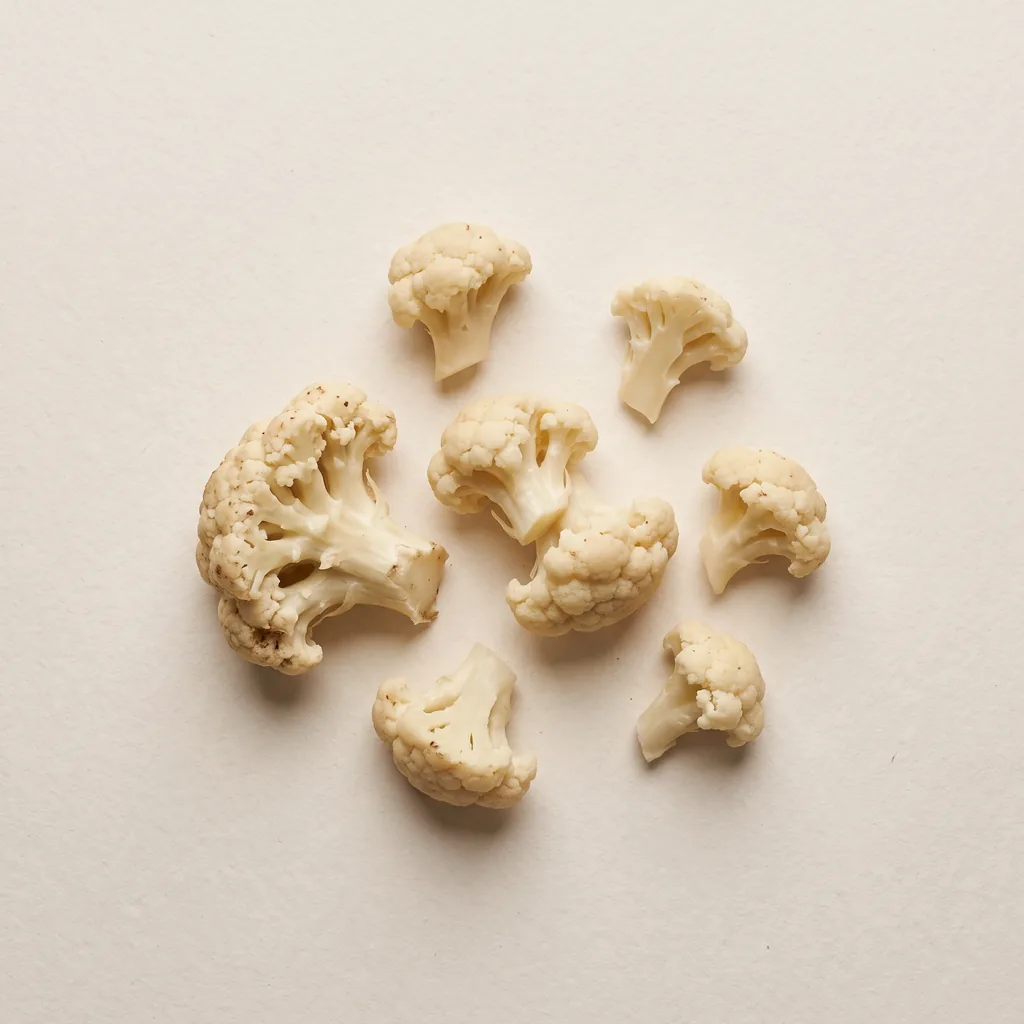
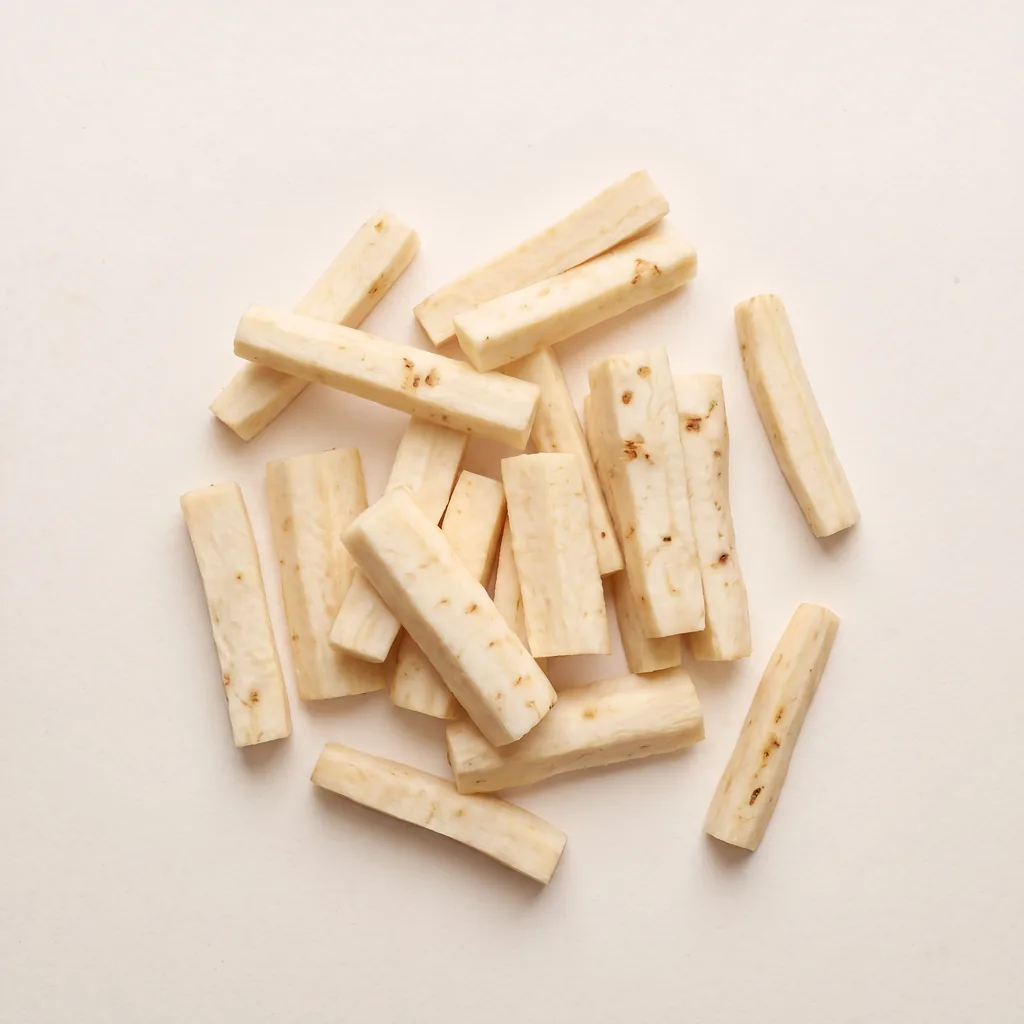
Dietitian's view
Cassava is a risky food for babies.
Lokmini is not a healthcare provider and does not offer health services. For your baby's specific needs, talk to your doctor or a dietitian.
- Vegetables
- Not recommended for babies
- Low choking risk
Can babies have Cassava?
Cassava is not recommended for babies. It is considered a risky food for babies. It is also known as bankye, khoai mi, mandioca or yuca. Raw cassava is never eaten at any age. The plant carries natural toxins, and they can make people seriously ill. Raw cassava is only eaten after it is turned into a product such as flour, or cooked until tender. How long it cooks depends on the age and variety of the root.
- Carbohydrates
- Vitamin C
- Potassium
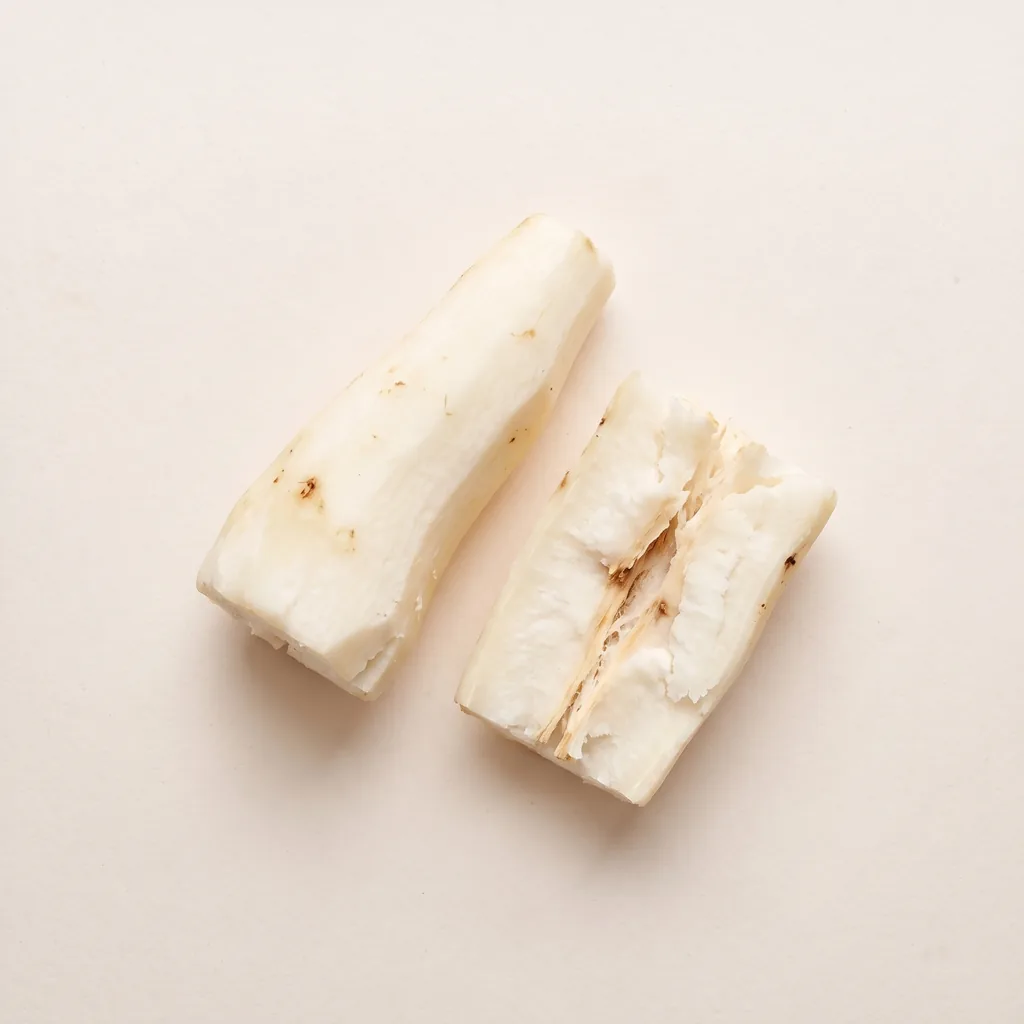
About cassava
Note
Never serve cassava raw; peel, cut small, boil thoroughly in plenty of water and discard the water.
Cassava comes from Central and South America. Millions of people rely on cassava as a staple, much like maize and rice. The tough rind guards the versatile, pale flesh. Like potatoes, it can be baked, made into chips or fries, or mashed. It is also milled into flour, meal and starch, and processed into tapioca. Boba tea and tapioca pudding come from cassava.
Once cooked, cassava gives plenty of carbohydrates and lots of vitamin C. It has a little potassium and trace calcium and iron.
Also known as: kasava, yuca, manyok kökü, mandioca, tapyoka kökü
- Gluten-free
- Vegan
Choking risk
- Low
- Medium
- High
Choking is rarely a problem with cooked cassava. Tapioca pearls found in boba drinks, puddings and sweets can be. Babies should skip them, since they are heavily processed and usually come with a lot of sugar.
Allergen information
Cassava rarely causes allergy, but reactions do happen. People allergic to latex may react to cassava.
Frequently asked questions
What age can babies eat cassava?
Is cassava a common allergen?
Is cassava a choking hazard for babies?
Can cassava be eaten raw?
Can I give tapioca pearls?
Is cassava an iron source?
Sources
- Brain Research Bulletin, Konzo: a distinct neurological disease associated with food (cassava) cyanogenic poisoning (2019)
- PLoS Neglected Tropical Diseases, Nzwalo H, Cliff J. Konzo: from poverty, cassava, and cyanogen intake to toxico-nutritional neurological disease (2011)
- Journal of the Science of Food and Agriculture, Carotenoids retention in biofortified yellow cassava processed with traditional African methods (2019)
- Journal of Investigational Allergology and Clinical Immunology, Ibero M, Castillo MJ, Pineda F. Allergy to cassava: a new allergenic food associated with latex allergy (2007)
- World Health Organization (WHO), Guideline for complementary feeding of infants and young children 6-23 months of age (2023)
- CDC, Infant and Toddler Nutrition, Choking Hazards
Prepared by the Lokmini team | Last updated November 17, 2026