Skip to content

Dietitian's view

Celeriac can cause allergy. You can add it to feeding by trying.

Lokmini is not a healthcare provider and does not offer health services. For your baby's specific needs, talk to your doctor or a dietitian.

  • Vegetables
  • 6 mo+
  • Medium choking risk

Celeriac for babies: when to start

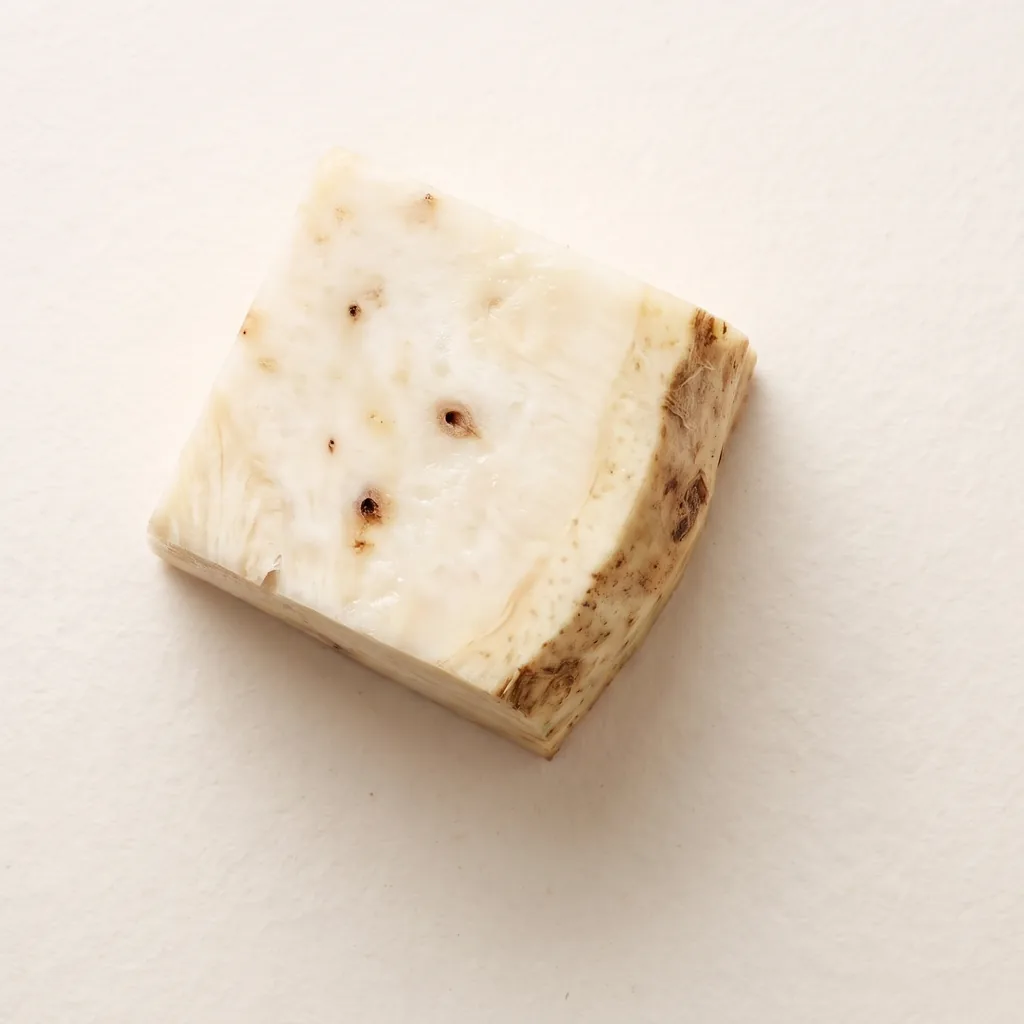
Celeriac can start when your baby is about 6 months old and ready for solids. It is a type of celery native to the Mediterranean region. Its knobby stem has a rough skin that you peel away. The inside is creamy like a potato. In its home region it is fried, grated, mashed, roasted, or added to soups, salads and olive oil dishes.

  • Vitamin K
  • Vitamin C
  • Fiber
  • Potassium
  • Vitamin B6
  • Calcium
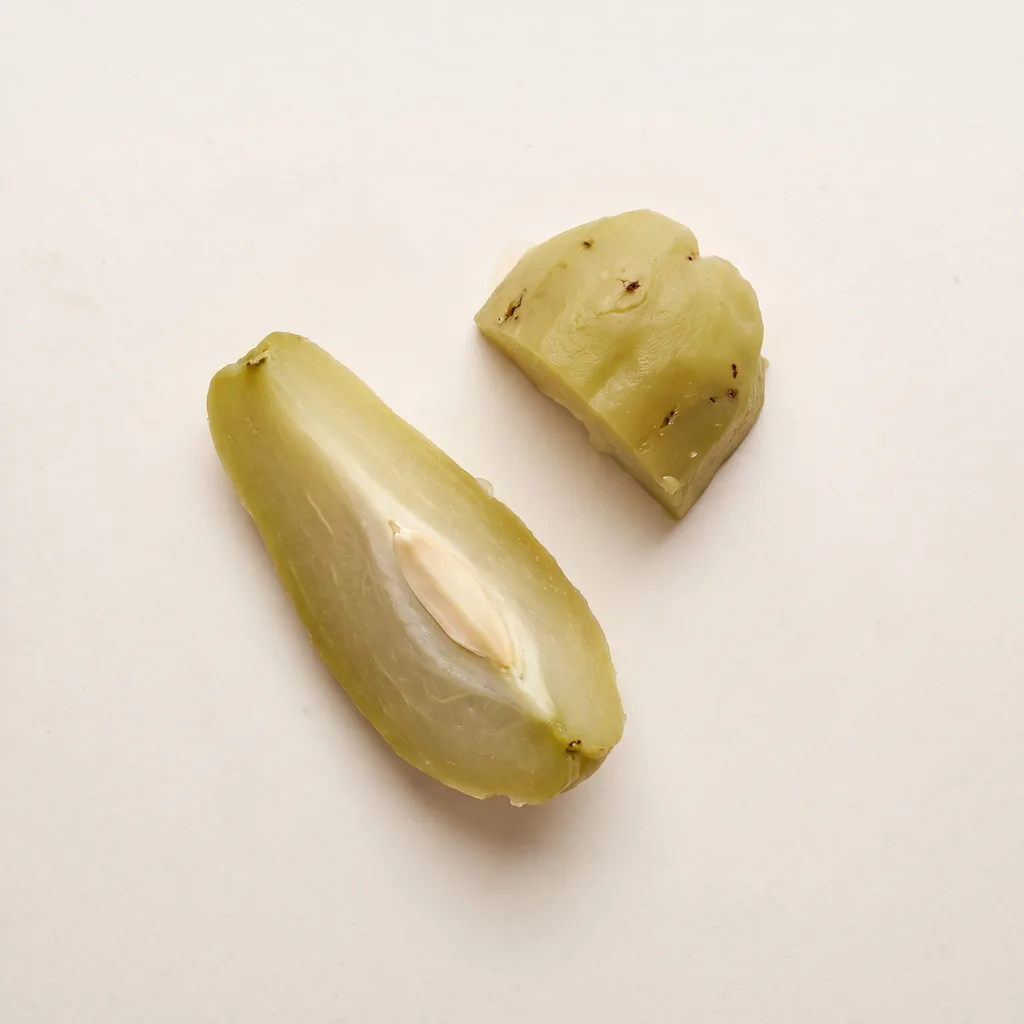
Celeriac prepared for a baby

About celeriac

Celeriac gives fiber, potassium, calcium, magnesium and zinc. It also has vitamins B6, C and K.

Storage

Unlike some root vegetables, celeriac keeps better in the fridge. You can store the whole unpeeled root for several weeks.

Also known as: celery root, kereviz kökü, kök kereviz

  • Gluten-free
  • Vegan

How to prepare it by age

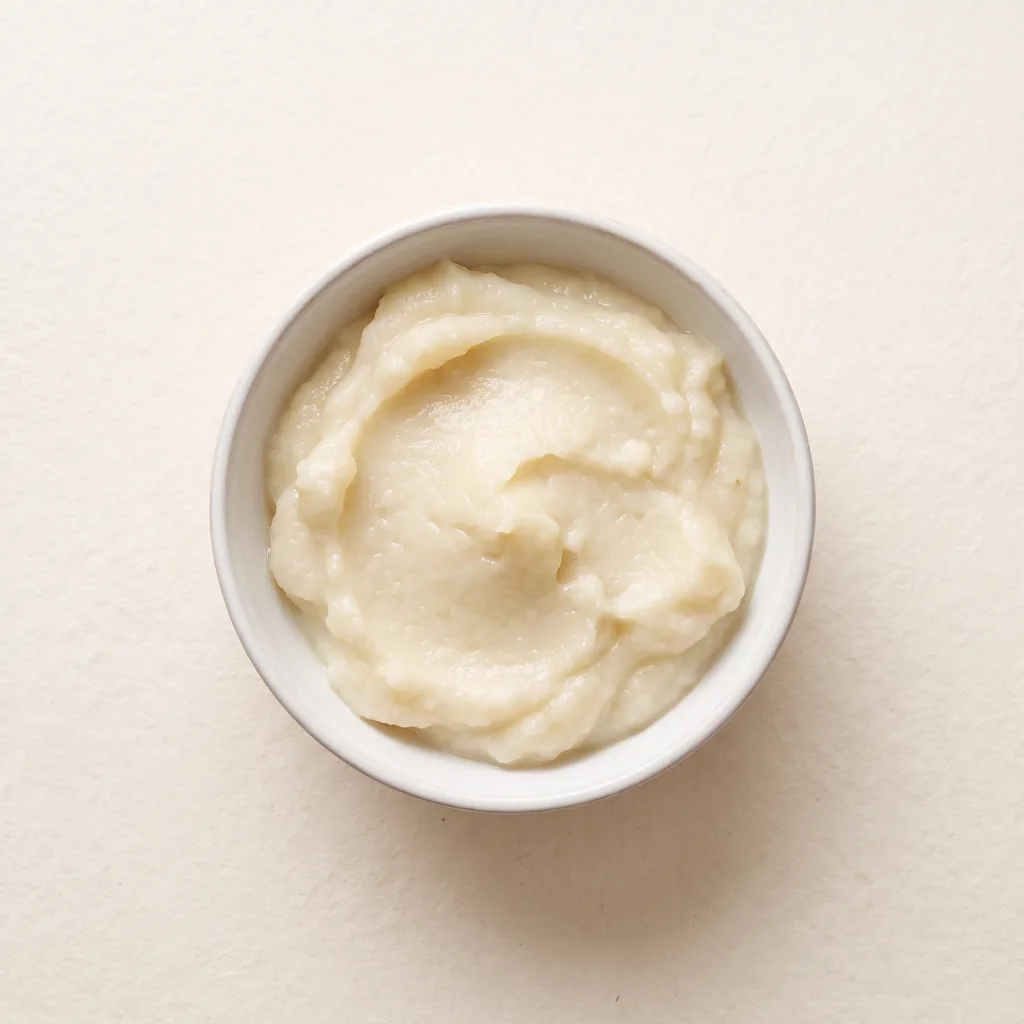
6 monthsMash

Celeriac prepared for 6 months

Cut: Fork mashed

Peel the celeriac and cut it into small pieces. Boil until a fork goes in easily, then mash it together with potato. Thin the texture with warm cooking water. It has a distinct smell, so on the first try stir a small amount into carrot or potato purée.
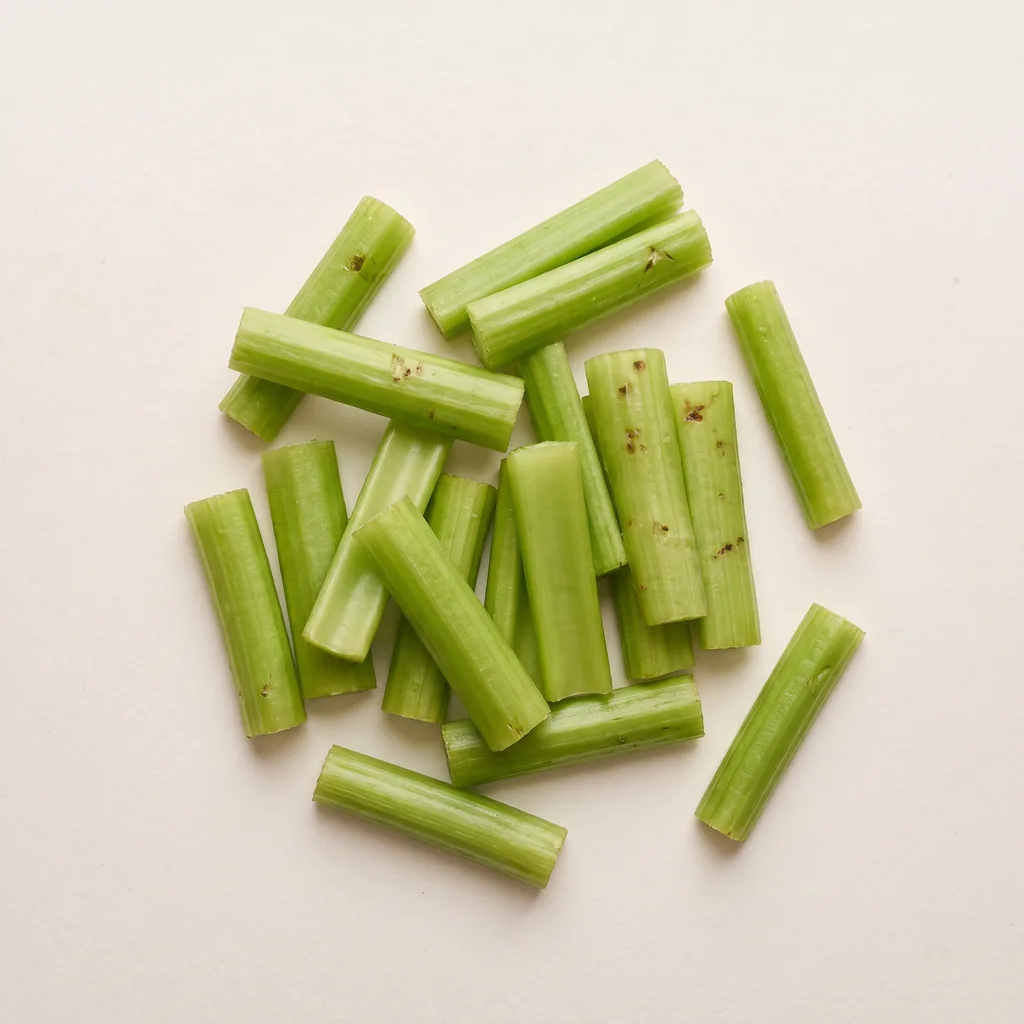
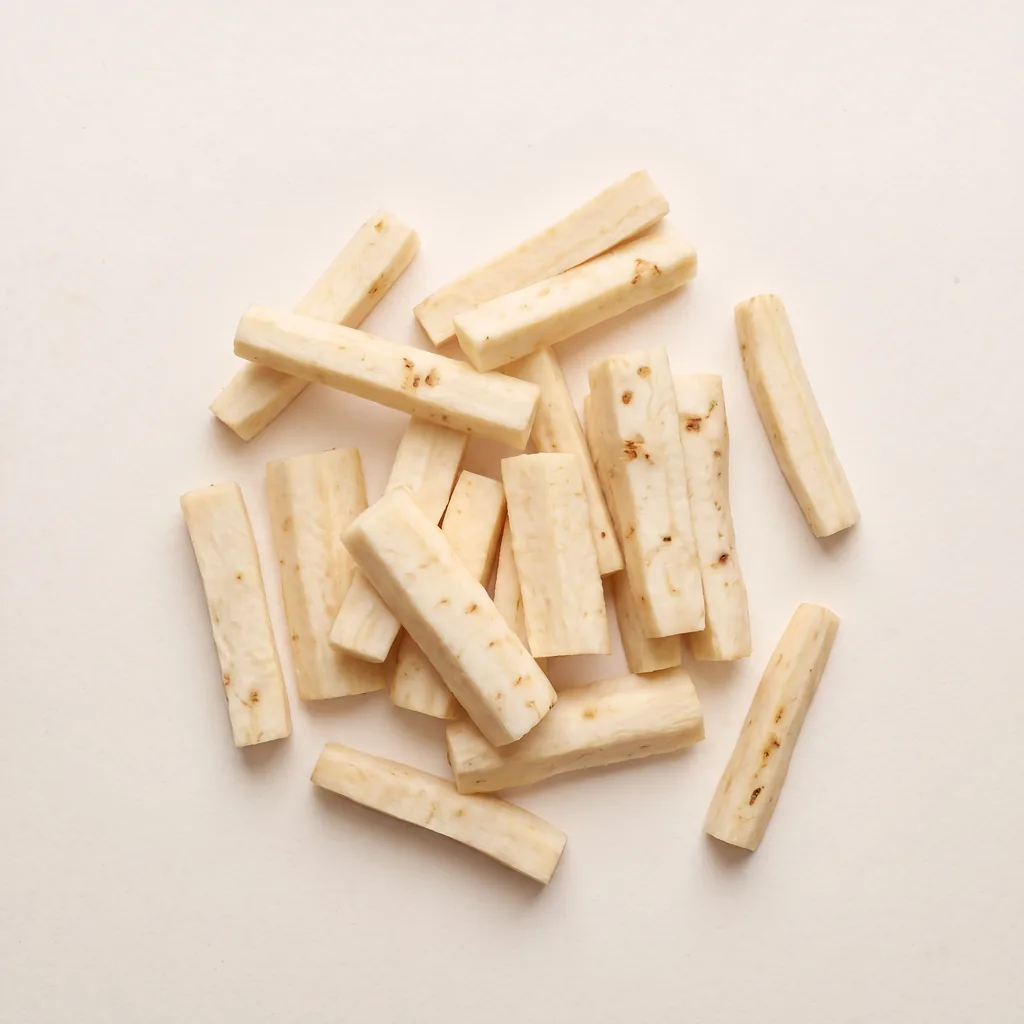
9 monthsCube

Celeriac prepared for 9 months

Cut: Bite sized piece

Serve very soft celeriac in bite-sized cubes. A piece should squash easily between two fingers. From a pot of olive oil celeriac stew, you can set aside a low-salt portion and make the pieces smaller.

12 monthsCube

Keep serving cooked celeriac as cubes or thin slices. Raw grated celeriac is hard and fibrous, so it is not suitable before age 4.

Choking risk

  1. Low
  2. Medium
  3. High

Celeriac is very hard when raw or undercooked. So it can be hard for babies to chew and swallow, which can raise choking risk.

To lower the risk, peel the thick skin and cook celeriac until it mashes easily between your fingers. Babies around 6 months can have long, soft pieces they can grasp easily. Once they start picking up small pieces with their fingers, you can give soft, bite-sized pieces.

Your baby should sit upright while eating, with an adult always beside them, within arm's reach.

Check doneness

Test a piece by squashing it between your fingers. If it does not squash easily, cook it longer.

Allergen information

Celeriac is not on this app's common allergen list. Celery allergy is uncommon, but reports say it is becoming more frequent. Reactions range from mild to severe. People sensitive to other parsley-family foods such as carrot, fennel and dill, or to birch and mugwort pollen, may cross-react. Short itching or burning in the mouth can occur. Cooking reduces the reaction, but some people react to cooked celeriac too.

Contact with celeriac followed by sun can cause a pigmented, itchy rash. Wash the skin after contact and protect it from the sun.

Start with a small amount at first. If there is no reaction, raise the portion.

Nitrates

The nitrates in celeriac are not a concern for most healthy babies. Do not keep purées longer than 24 hours.

Frequently asked questions

What age can babies eat celeriac?

Celeriac can start when your baby is about 6 months old and ready for solids. It is a type of celery native to the Mediterranean region. Its knobby stem has a rough skin that you peel away. The inside is creamy like a potato. In its home region it is fried, grated, mashed, roasted, or added to soups, salads and olive oil dishes.

Is celeriac a common allergen?

Celeriac is not on this app's common allergen list. Celery allergy is uncommon, but reports say it is becoming more frequent. Reactions range from mild to severe. People sensitive to other parsley-family foods such as carrot, fennel and dill, or to birch and mugwort pollen, may cross-react. Short itching or burning in the mouth can occur. Cooking reduces the reaction, but some people react to cooked celeriac too.

How do you prepare celeriac for babies?

For a 6-month-old: Peel the celeriac and cut it into small pieces. Boil until a fork goes in easily, then mash it together with potato. Thin the texture with warm cooking water. It has a distinct smell, so on the first try stir a small amount into carrot or potato purée.
Is celeriac a choking hazard for babies?

Celeriac is very hard when raw or undercooked. So it can be hard for babies to chew and swallow, which can raise choking risk.

Is celeriac the same as celery stalk?

No. They are different varieties of the same plant species. For celeriac you eat the thick, knobby root, which can be cooked like a potato. For celery you mostly use the leaf stalks.

Are the nitrates in celeriac harmful?

As part of a varied diet they are not a problem for most healthy babies. Avoid untested well water and purées kept too long.

When can I serve raw celeriac?

Raw celeriac is very hard, so first serve it to babies well cooked and softened. As your child's chewing skills develop, you can grate well-washed, peeled raw celeriac very finely and stir it into soft foods such as yogurt. Hard sticks, thick slices and large chunks are a choking risk for young children.

Prepared by the Lokmini team | Last updated November 19, 2026

Share:WhatsApp

Want to add this food to your baby's solid food calendar?

Join Lokmini to learn how this food is served at each age and to keep track of every food your baby tries.

Join Lokmini

Starting Solids

When and how to start solids, and what happens in the first week?

Read the guide

Similar foods

Let's get ready for the first bite together

Lokmini builds a day-by-day plan for your baby's age. Leave your email for new guides and our newsletter.

Start Your Journey