Skip to content

Uzm. Dyt. Berk AysanPrepared the latest update, November 25, 2026

Lokmini is not a healthcare provider and does not offer health services. For your baby's specific needs, talk to your doctor or a dietitian.

  • Proteins
  • 6 mo+
  • Medium choking risk

Chicken for babies: when to start

Well-cooked chicken can be offered when your baby is ready for solids, around 6 months.

  • Protein
  • Fat
  • Iron
  • Zinc
  • Selenium
  • Choline
Chicken prepared for a baby

About chicken

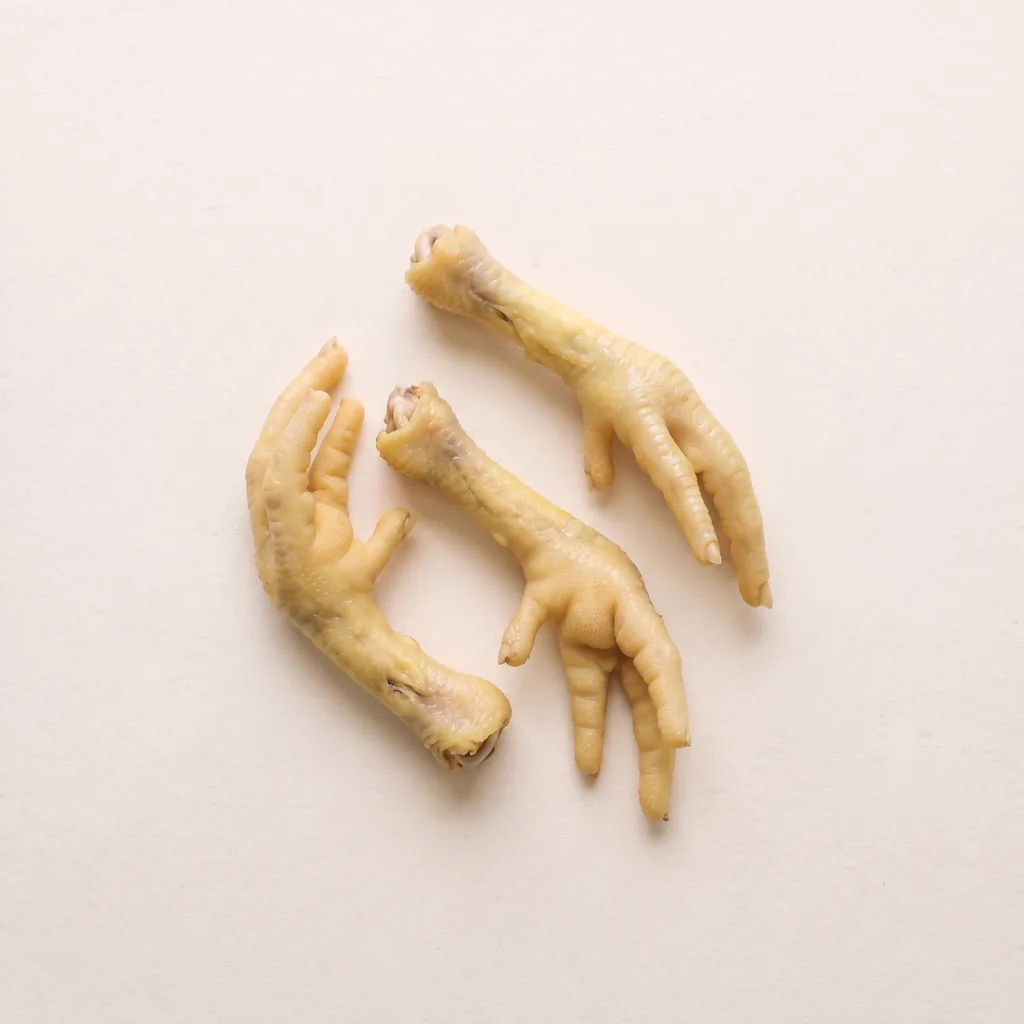
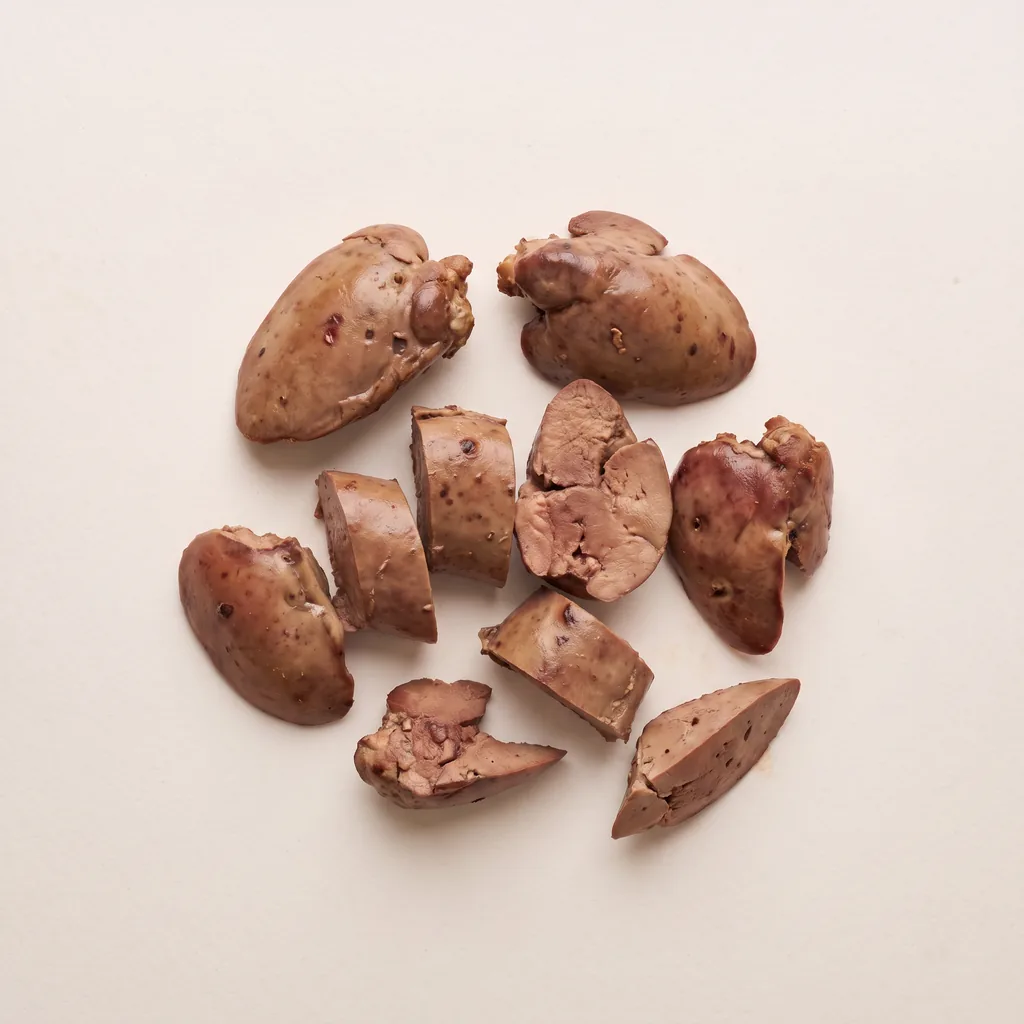
The chicken comes from a wild bird of South Asian jungles. Almost every part is used in cooking. Iron-rich liver becomes pâté. The carcass, feet and head give collagen-filled, protein-rich stock. The skin yields a tasty fat called schmaltz.

Nutrition

Chicken gives protein and fat along with choline, iron, selenium and zinc. It also holds vitamins B3, B6 and B12.

Also known as: piliç, tavuk, tavuk but, tavuk eti, tavuk göğsü

  • Gluten-free
  • Contains meat

How to prepare it by age

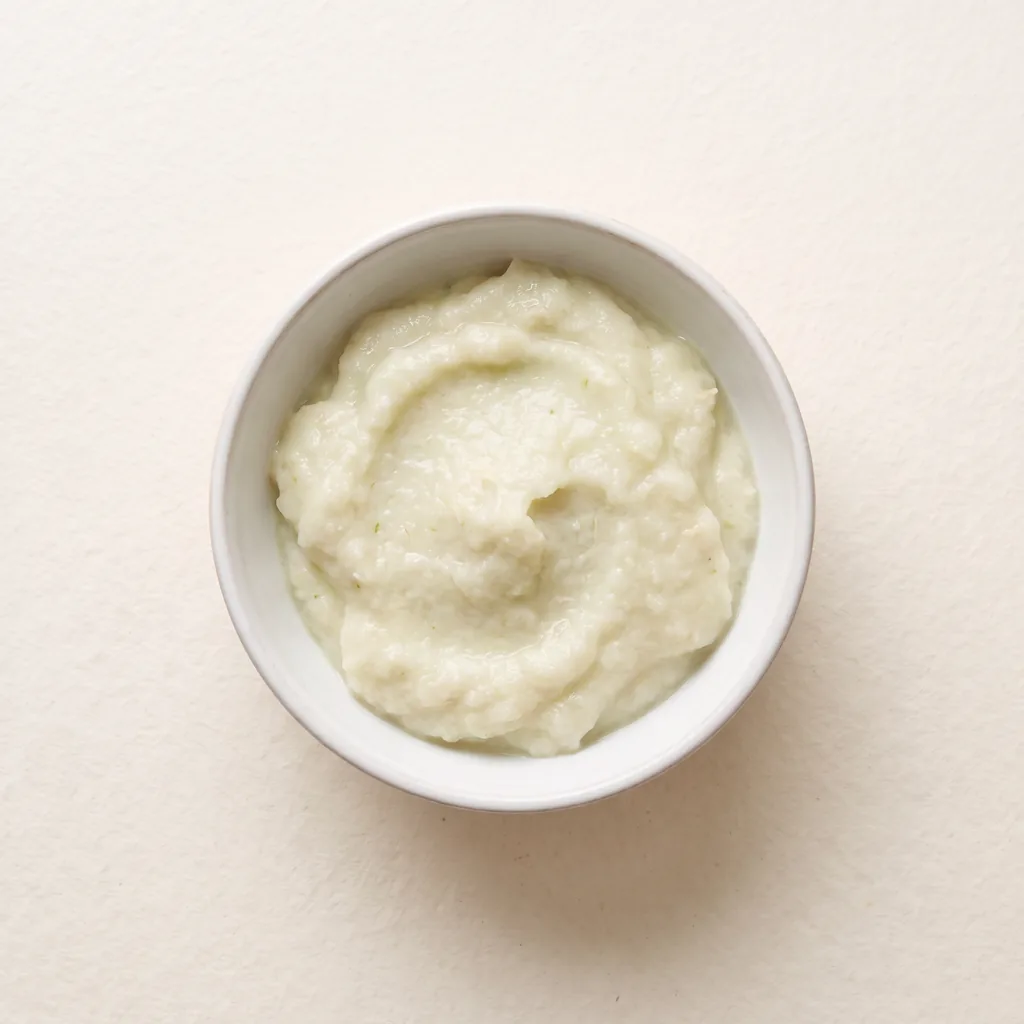
6 monthsMash

Chicken prepared for 6 months

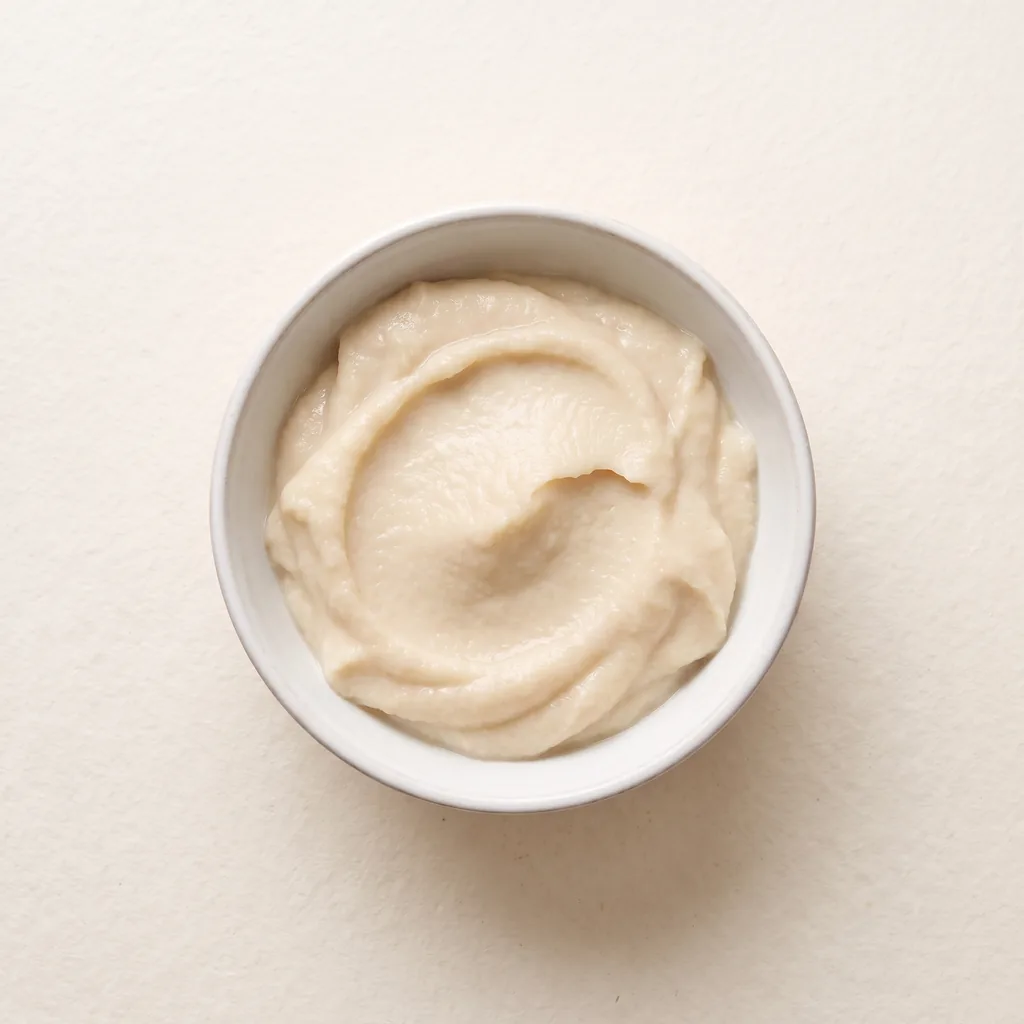
Cut: Smooth puree

Simmer breast meat until it is tender and make sure no bone or cartilage is left. Blend it with breast milk or cooking liquid until smooth. The WHO complementary feeding guideline advises prioritizing iron-rich foods from 6 months, and chicken is a good source of protein and iron. You can also give a well-cooked drumstick with skin, loose fat and cartilage removed, so your baby can gnaw it. Cook all chicken to 165 F (74 C).
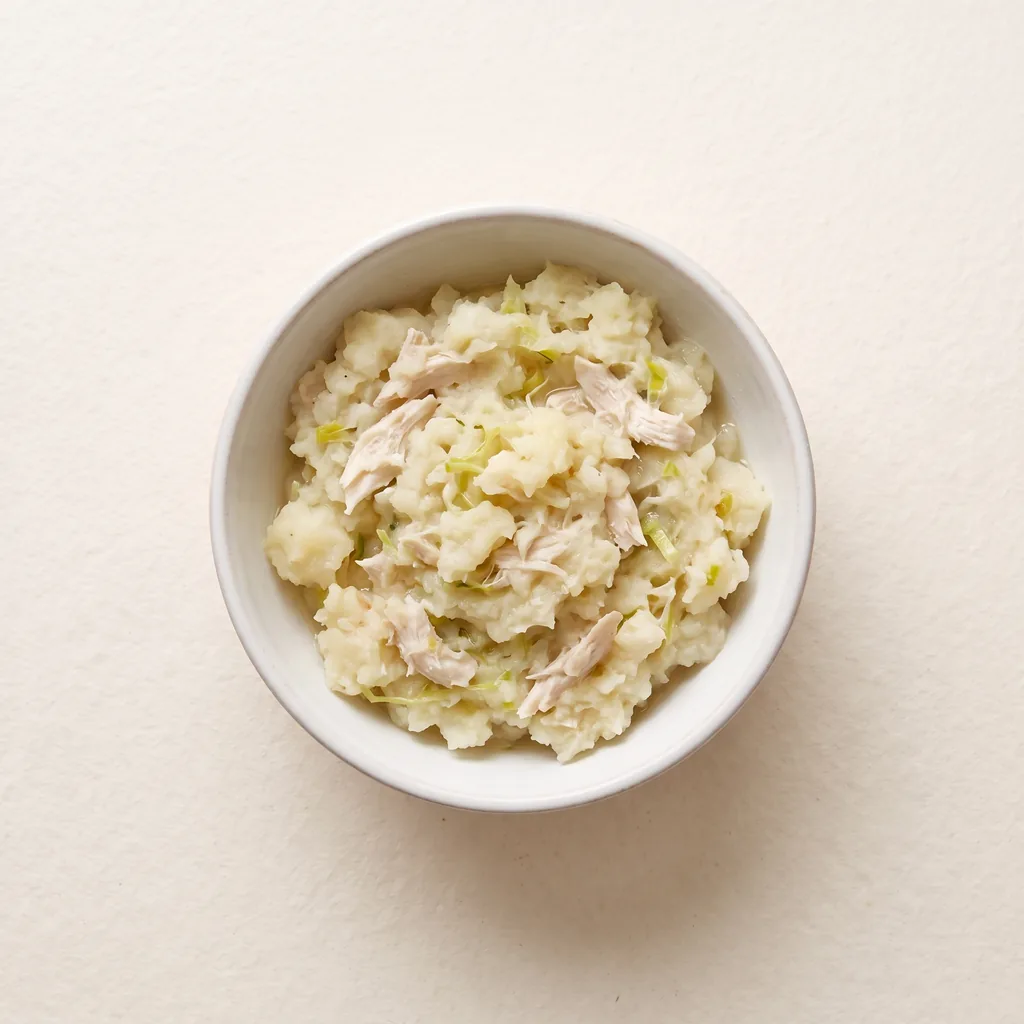
9 monthsStrip

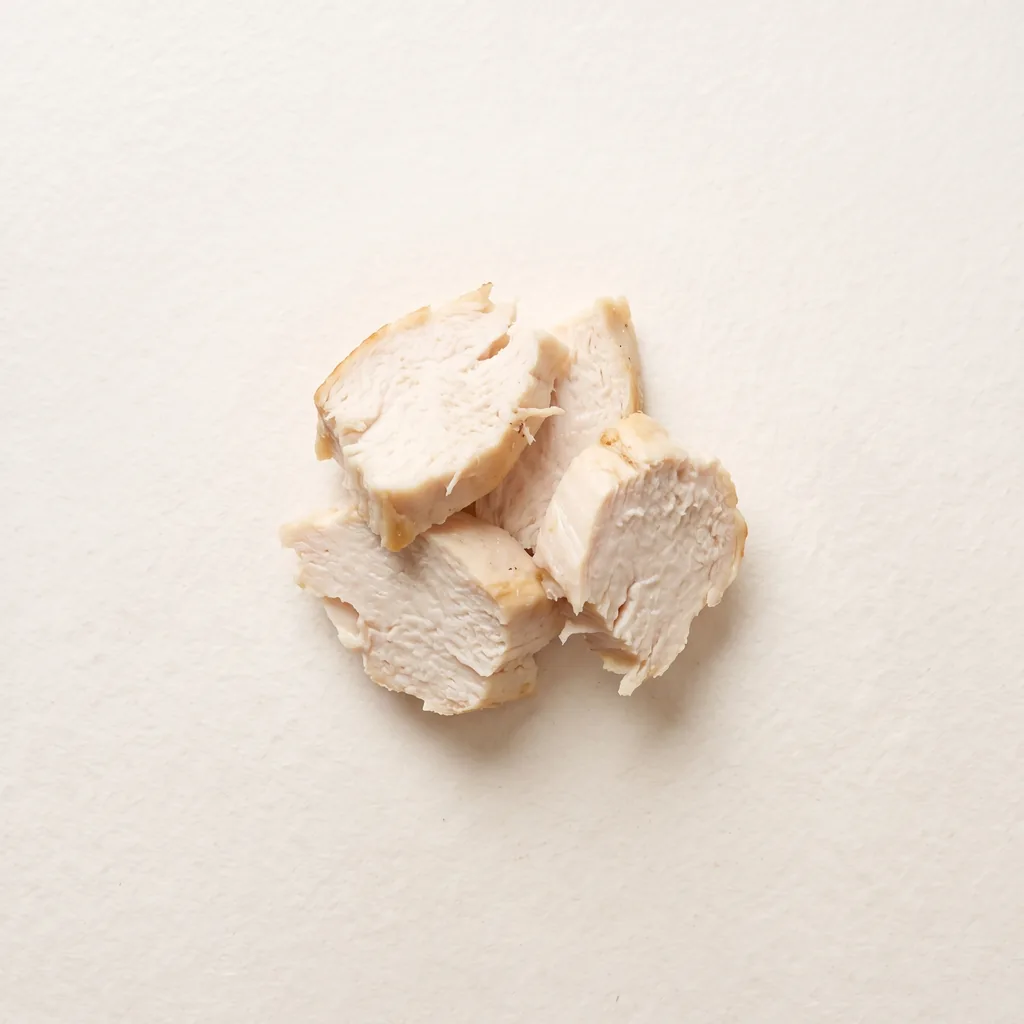
Chicken prepared for 9 months

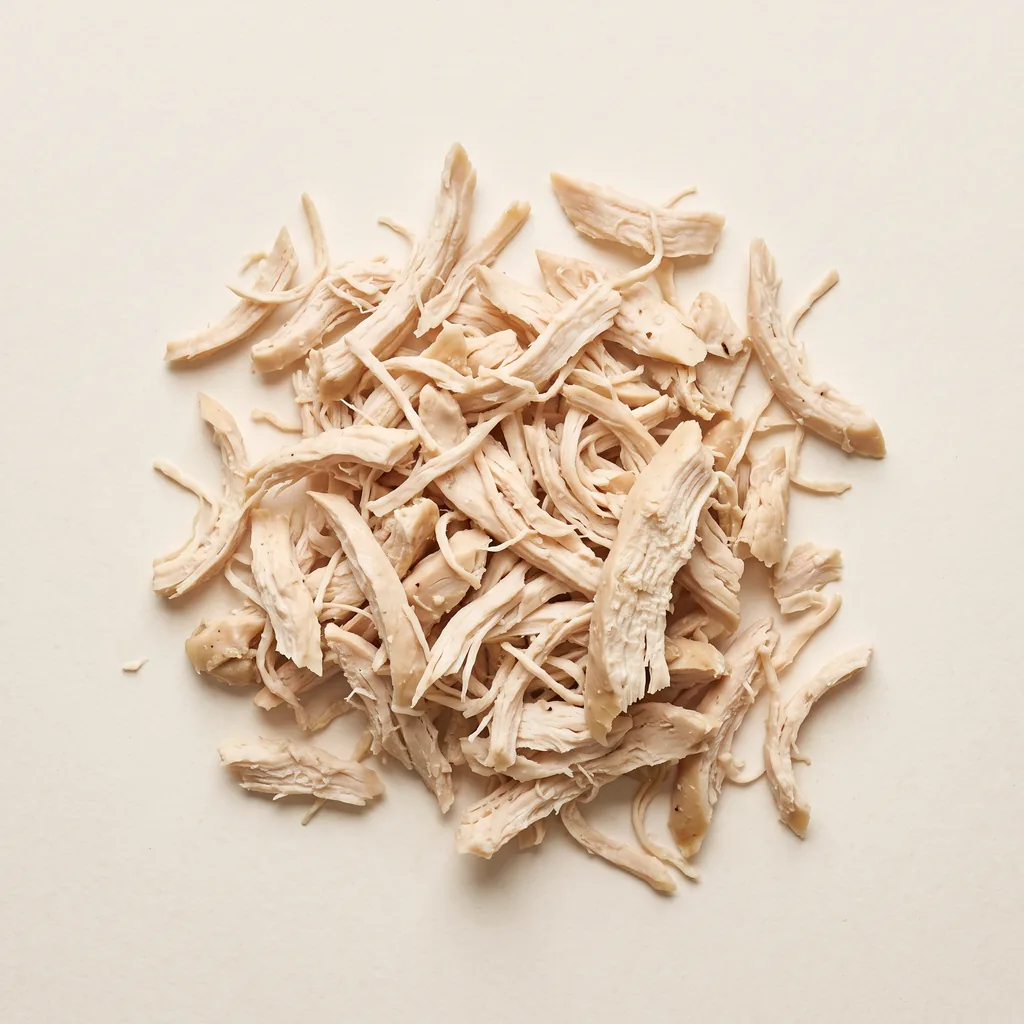
Shred cooked chicken or slice it thin. You can also make bite-sized meatball pieces. Mix in breadcrumbs, egg or milk to keep meatballs soft. A baby with a developing pincer grasp can pick these small pieces up. If your baby overfills the mouth, put fewer pieces out at a time. The inside should reach 165 F (74 C).

12 monthsSlice

Chicken prepared for 12 months

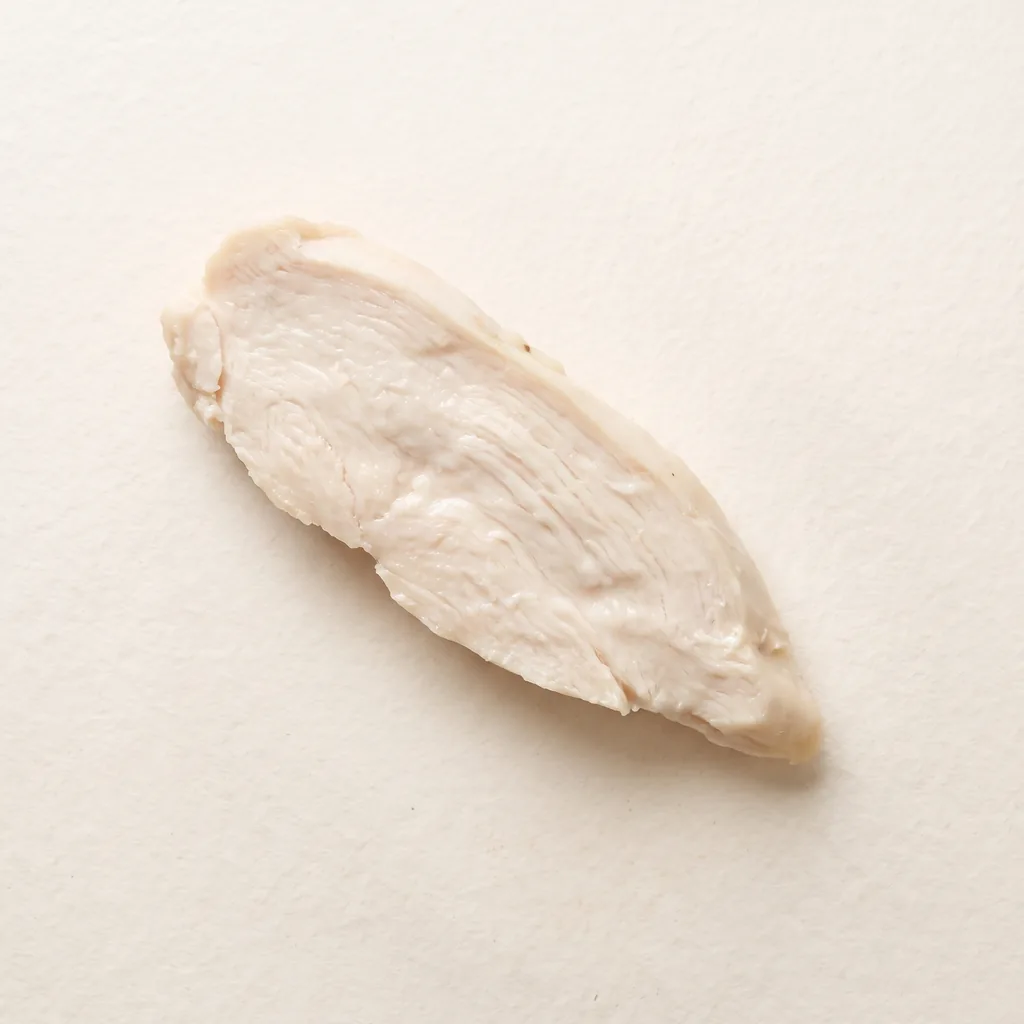
Cut: Bite sized piece

Offer bite-sized chicken pieces as finger food or let your child practice with a fork. Skip big chunks and neat cubes. A drumstick still works, with the meat left on for tearing practice, or with it stripped off so it works as a teether. Do not overcook the chicken, since dry meat is harder to chew.

Choking risk

  1. Low
  2. Medium
  3. High

Chicken, as with every meat and poultry, can cause choking. Do not give large chunks or cubes. Do not overcook it, since dry meat is harder to chew and swallow. Stay within arm's reach at meals.

Form to avoid

Do not serve chicken as cubes or large chunks.

Allergen information

FPIES warning

It is one of the known triggers of FPIES (a delayed-onset food allergy). In this condition, repeated severe vomiting, pallor and lethargy may occur, usually 1-4 hours after the food is eaten. Diarrhea may appear later. These symptoms require urgent medical evaluation.

No. Chicken seldom causes allergy. Still, poultry allergy has been reported. Chicken can also trigger a delayed allergy called FPIES. Vomiting starts 2 to 4 hours after eating chicken, and diarrhea may go with it.

People with fish allergy are rarely at higher risk of reacting to chicken. Some people with feather and egg allergy test positive to chicken meat. The allergy-causing protein is heat sensitive, though, so well-cooked meat usually causes no symptoms. Routine testing for chicken meat is not advised in egg allergy.

Start with a small amount for the first servings. If there is no reaction, raise the amount slowly.

Frequently asked questions

What age can babies eat chicken?

Well-cooked chicken can be offered when your baby is ready for solids, around 6 months.

Is chicken a common allergen?

No. Chicken seldom causes allergy. Still, poultry allergy has been reported. Chicken can also trigger a delayed allergy called FPIES. Vomiting starts 2 to 4 hours after eating chicken, and diarrhea may go with it.

How do you prepare chicken for babies?

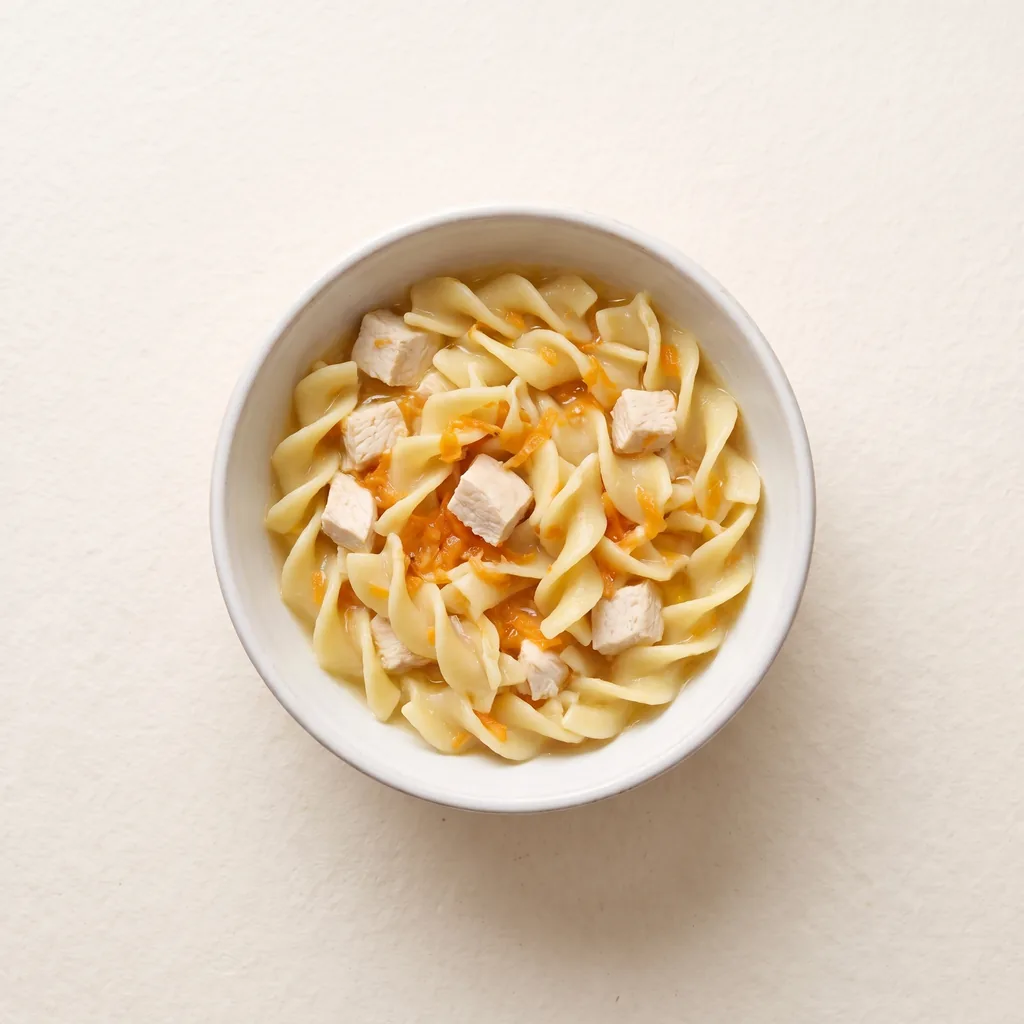
For a 6-month-old: Simmer breast meat until it is tender and make sure no bone or cartilage is left. Blend it with breast milk or cooking liquid until smooth. The WHO complementary feeding guideline advises prioritizing iron-rich foods from 6 months, and chicken is a good source of protein and iron. You can also give a well-cooked drumstick with skin, loose fat and cartilage removed, so your baby can gnaw it. Cook all chicken to 165 F (74 C).
Is chicken a choking hazard for babies?

Chicken, as with every meat and poultry, can cause choking. Do not give large chunks or cubes. Do not overcook it, since dry meat is harder to chew and swallow. Stay within arm's reach at meals.

How hot should chicken be cooked?

The inside of the chicken should reach at least 165 F (74 C). The same goes for meatballs and ground chicken.

Can babies eat chicken nuggets?

Occasionally, yes. They are high in sodium. Peel off a hard coating. After 9 months, small pieces of soft nuggets are fine.

Can a baby with egg allergy eat chicken?

Well-cooked chicken usually causes no symptoms. Still, ask your allergist.
Share:WhatsApp

Want to add this food to your baby's solid food calendar?

Join Lokmini to learn how this food is served at each age and to keep track of every food your baby tries.

Join Lokmini

Starting Solids

When and how to start solids, and what happens in the first week?

Read the guide

Similar foods

Let's get ready for the first bite together

Lokmini builds a day-by-day plan for your baby's age. Leave your email for new guides and our newsletter.

Start Your Journey