6 monthsMash
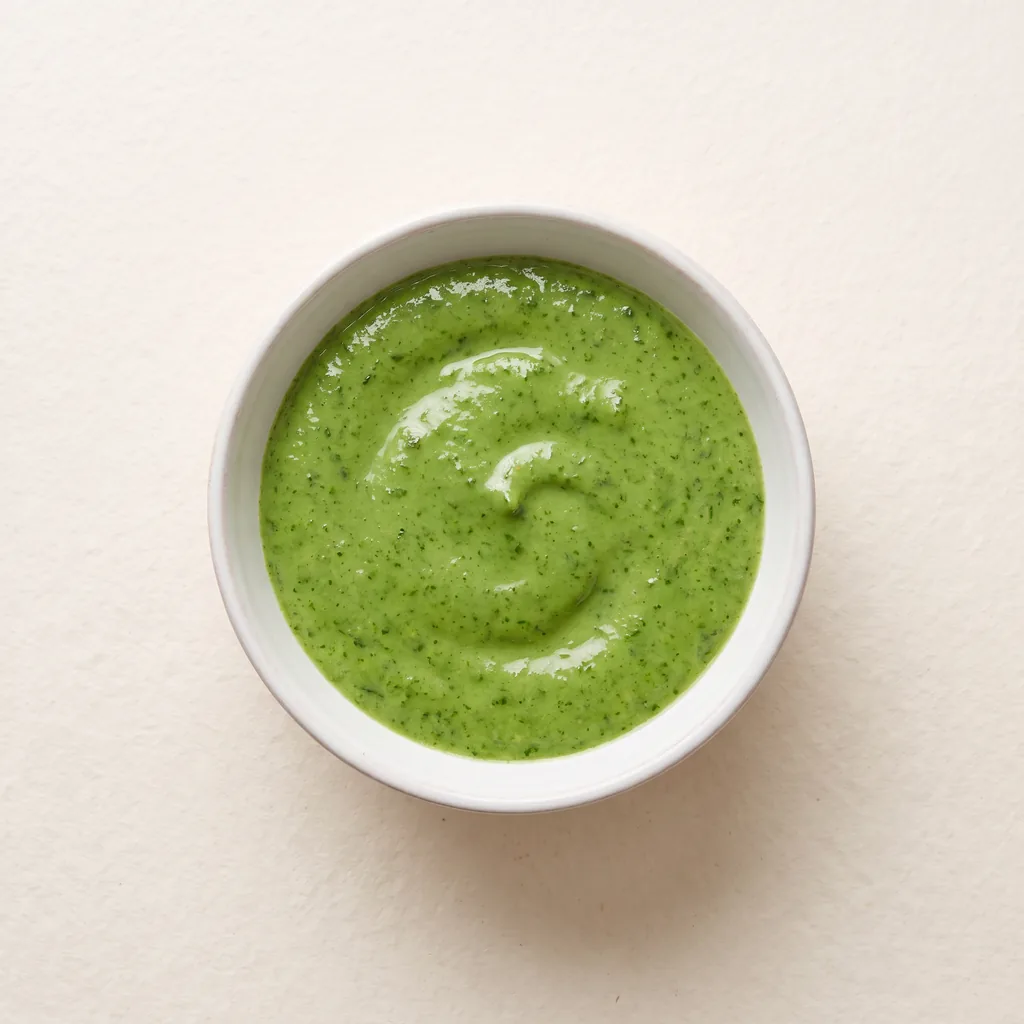
Cut: Smooth puree
Puree fresh cilantro into a sauce and spoon it over steamed veggies, braised chicken or poached fish. Or mince it very fine and stir it into mashed vegetables, rice or yogurt. Rinse cilantro well first.
Dietitian's view
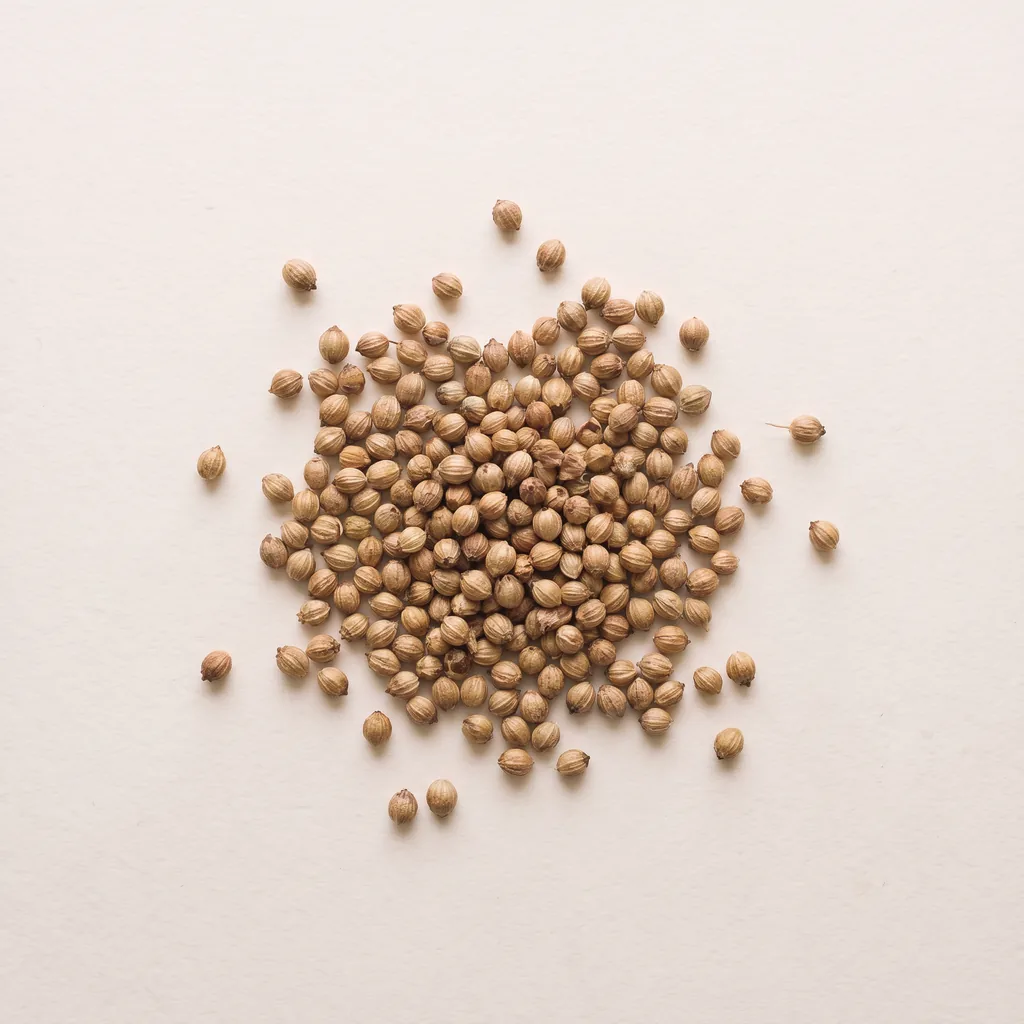
Do not give cilantro seed to your baby.
Lokmini is not a healthcare provider and does not offer health services. For your baby's specific needs, talk to your doctor or a dietitian.
Cilantro can be offered when your baby is ready for solids, around 6 months.
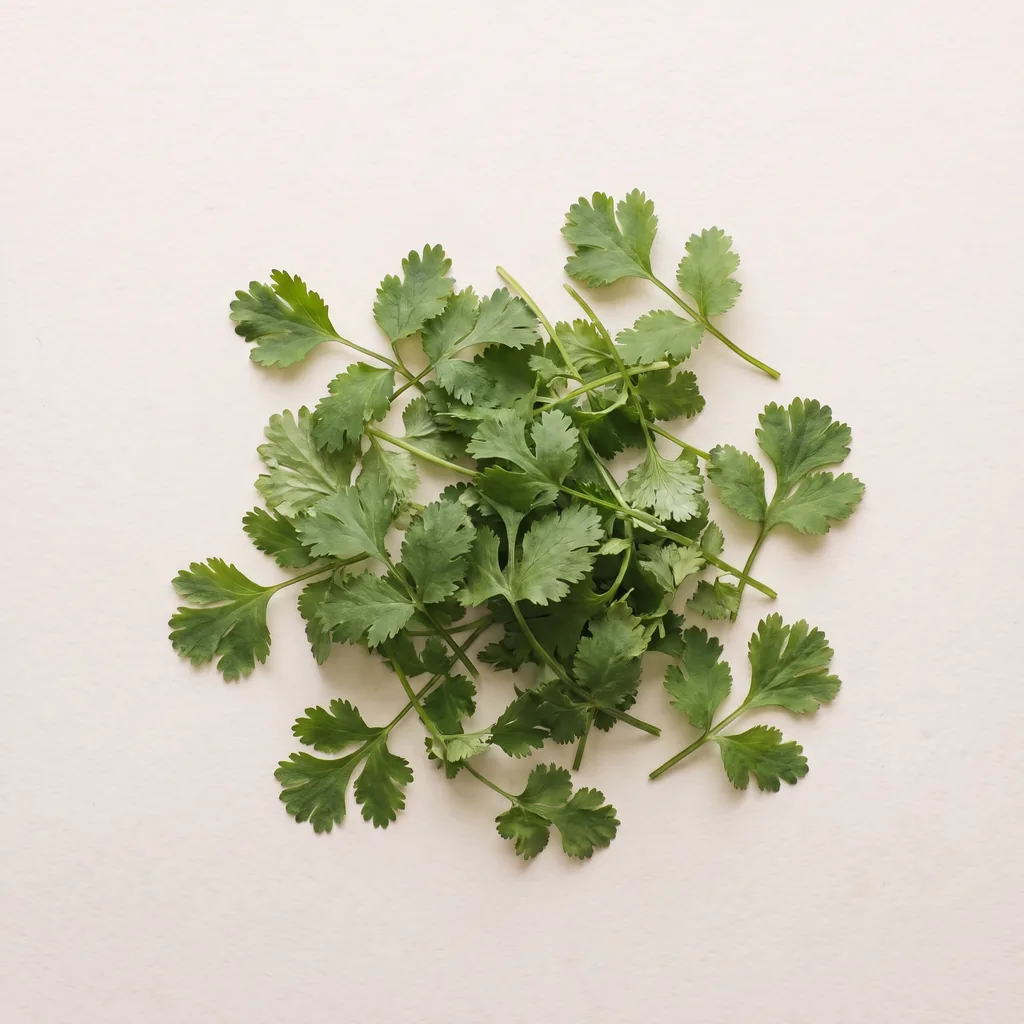
Cilantro comes from the Mediterranean region, where the land is fertile. Today it is grown most in the Americas and South Asia. You find it in dishes around the world, for example South Asian chutney and larb, or Central American salsa and sofrito.
Cilantro is usually used in small amounts, so its nutrition is limited. Fresh or dried leaves and stems hold vitamins K and A. It also provides a little vitamin C and folate. It also has antioxidants. Coriander seed carries lysine, fiber, and small amounts of calcium, phosphorus and iron.
Also known as: kişniş, koriander, kişniş yaprağı, kişniş tohumu, cilantro
6 monthsMash
Cut: Smooth puree
Puree fresh cilantro into a sauce and spoon it over steamed veggies, braised chicken or poached fish. Or mince it very fine and stir it into mashed vegetables, rice or yogurt. Rinse cilantro well first.
9 monthsMash
Cut: Finely chopped
Keep adding finely minced cilantro to soups, rice, yogurt and vegetable dishes. Cooking it or using it in a sauce softens its sharp taste. Avoid large leaves, since they can cling in the mouth.
12 monthsSlice
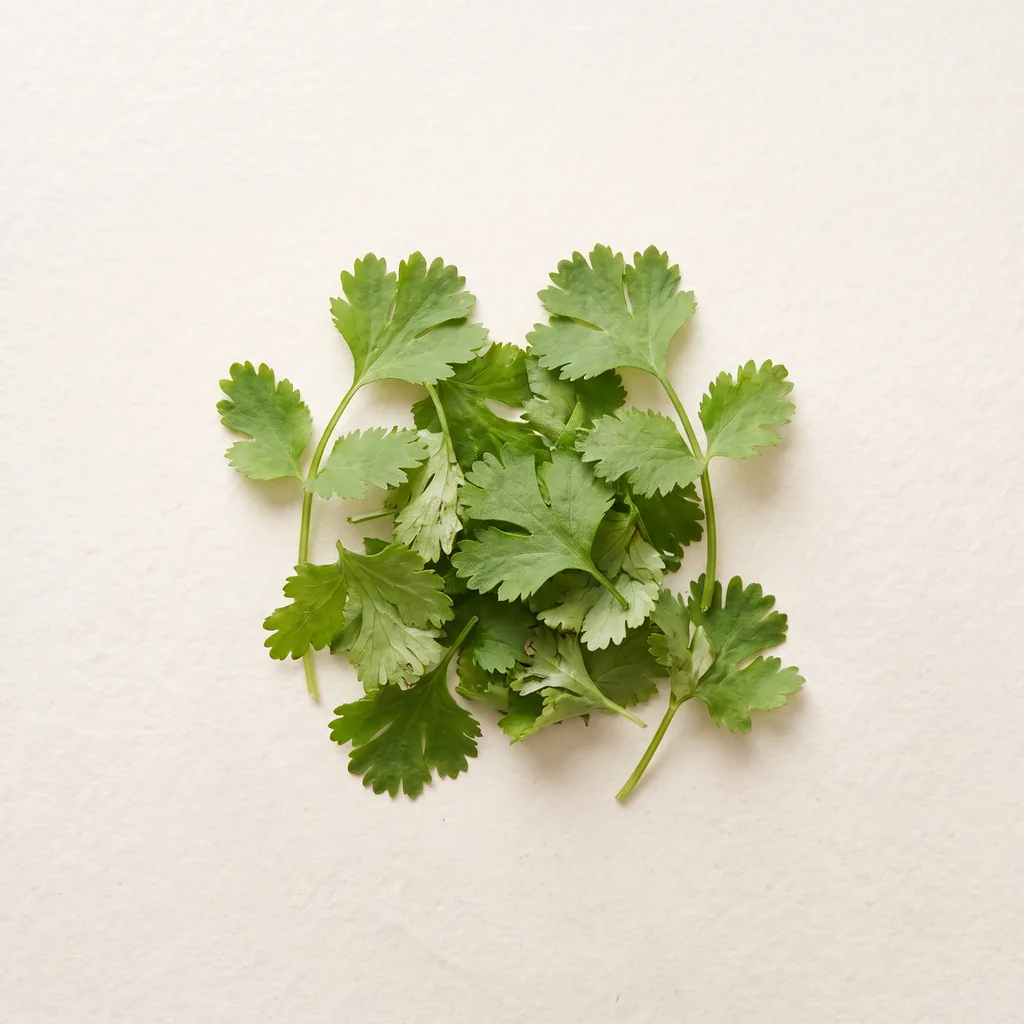
Use cilantro the way a recipe calls for it, even whole leaves. Bigger leaves can set off a little gagging or coughing. Have an open cup of water or milk ready and offer a sip if needed.
Finely chopped fresh cilantro, or ground coriander seed mixed into moist foods, carries a low choking risk when served properly.
Whole leaves can stick to your baby's palate and cause gagging. Tough stems and whole dry seeds can make chewing harder.
Chop fresh cilantro finely, remove tough stems and use the seeds ground.
Your baby should sit upright for the whole meal and be under your constant supervision.
Cilantro is not one of the common, priority food allergens. Even so, it can rarely cause allergic reactions.
Cilantro is in the same carrot family (Apiaceae) as parsley, celery, carrot and dill.
Some people sensitive to certain pollens may have cross allergic reactions to cilantro. Still, not everyone with a pollen allergy will be allergic to cilantro too.
Itching in the mouth, skin reactions and, rarely, serious allergic reactions to cilantro have been reported. Do not assume that symptoms in the mouth are always harmless.
You can add a small amount of cilantro to a food your baby has already tolerated.
Watch for possible reactions. If there are no problems, you can keep using it in meals.
If there is a known spice or related plant allergy, check with a health professional.
If widespread hives, swelling of the lips or tongue, wheezing or trouble breathing develop after eating, stop giving it. If you see signs of a serious reaction, call emergency services right away.
Prepared by the Lokmini team | Last updated November 19, 2026
Join Lokmini to learn how this food is served at each age and to keep track of every food your baby tries.
Lokmini builds a day-by-day plan for your baby's age. Leave your email for new guides and our newsletter.
Start Your Journey