Skip to content

Dietitian's view

You can give cornmeal as porridge.

Uzm. Dyt. Berk AysanPrepared the latest update, November 14, 2026

Lokmini is not a healthcare provider and does not offer health services. For your baby's specific needs, talk to your doctor or a dietitian.

  • Grains
  • 6 mo+
  • Low choking risk

Cornmeal for babies: when to start

Cornmeal can be offered when your baby is ready for solids, usually around 6 months. It is a grain product that is naturally gluten free.

  • Carbohydrates
  • Fiber
  • Folate
  • Vitamin B6
  • Niacin
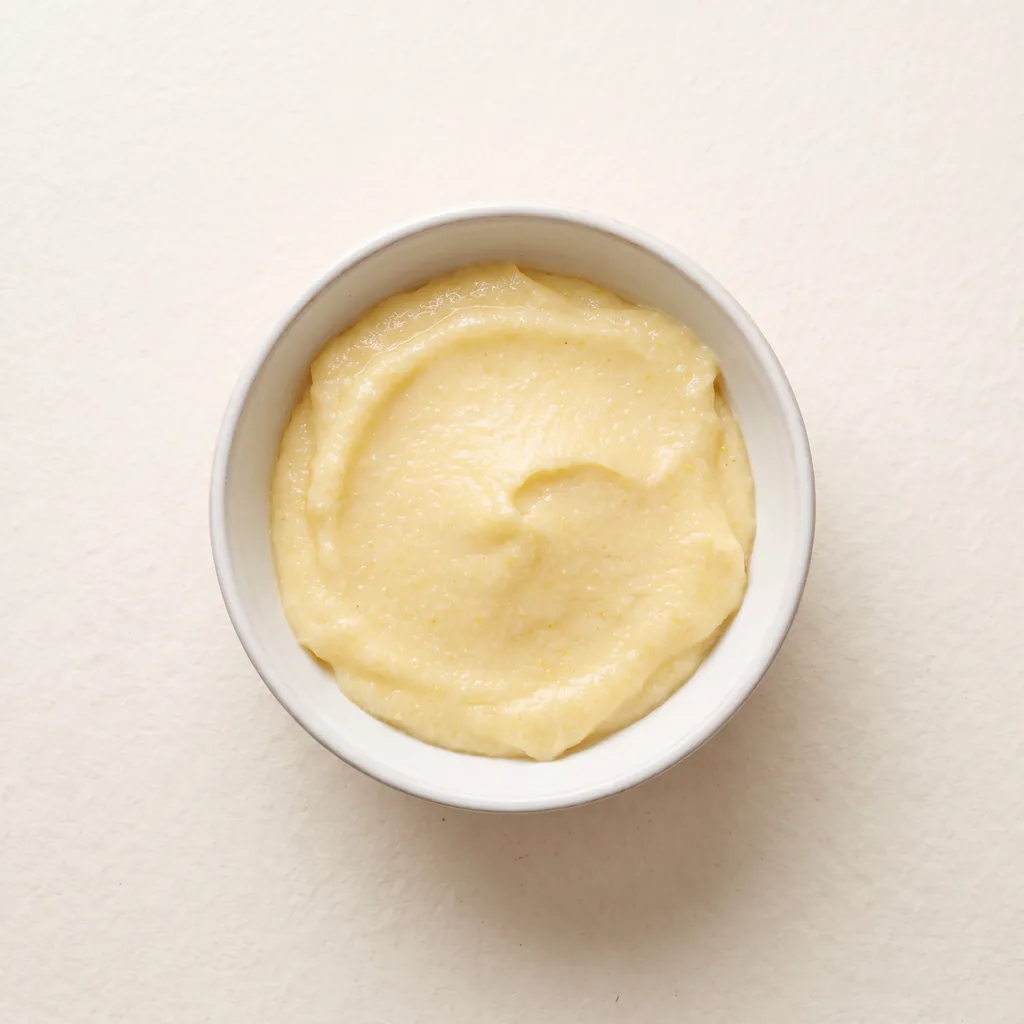
Cornmeal prepared for a baby

About cornmeal

Corn spread to the rest of the world from the Americas. Cornmeal, made by grinding dried corn, is used in porridge, bread and other baked goods.

Depending on the type of corn, it can be yellow, white, red or blue. In Turkey it is widely used, especially in Black Sea cooking.

Nutrition

Cornmeal mainly provides carbohydrates, which supply your baby with energy. It also contains some fiber, plant protein, magnesium and various B vitamins.

The amounts of folate, vitamin B6 and niacin vary with the type of corn, how it is processed and whether the product is fortified.

Cornmeal alone is not enough to meet your baby's iron and zinc needs. So it should be part of a varied diet alongside foods such as meat, eggs and legumes.

Also known as: grits, kuymak unu, masa harina, mısır irmiği, mısır unu lapası, polenta

  • Gluten-free
  • Vegan

How to prepare it by age

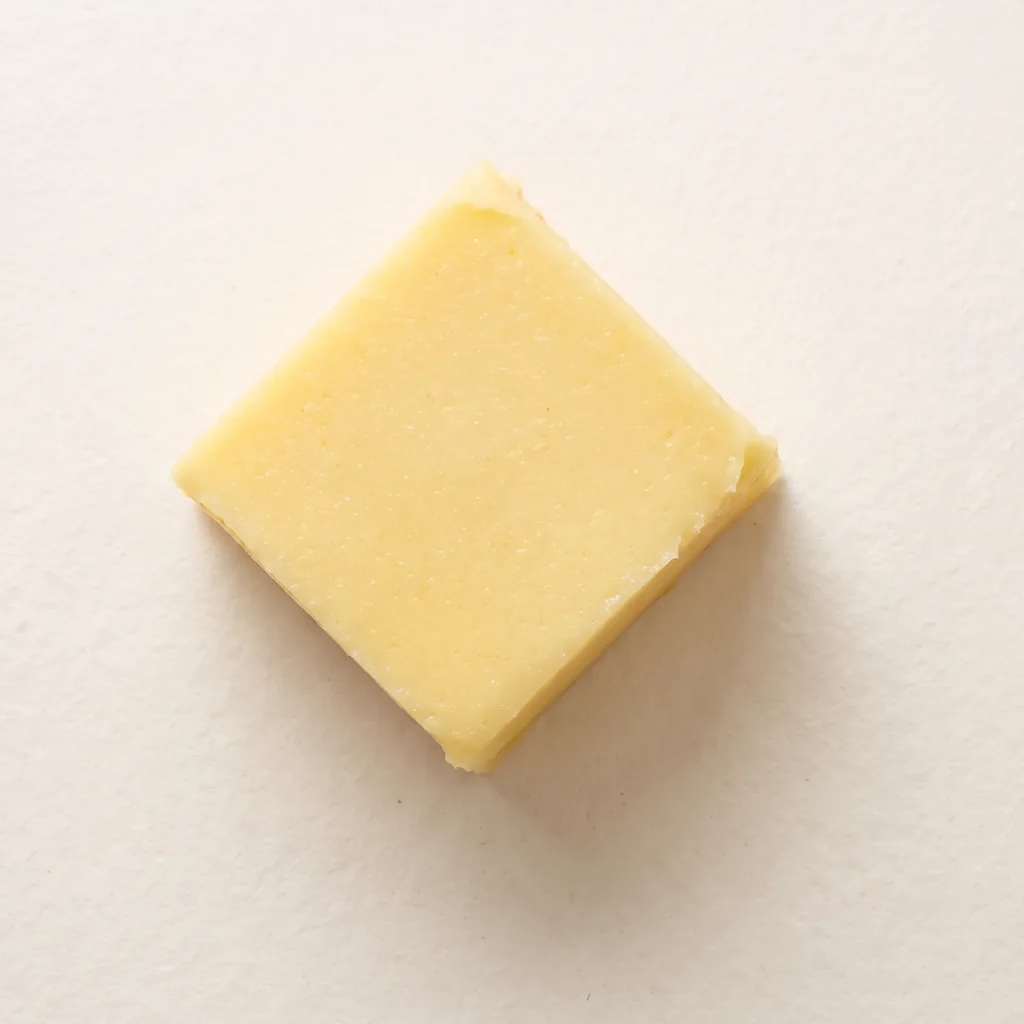
6 monthsMash

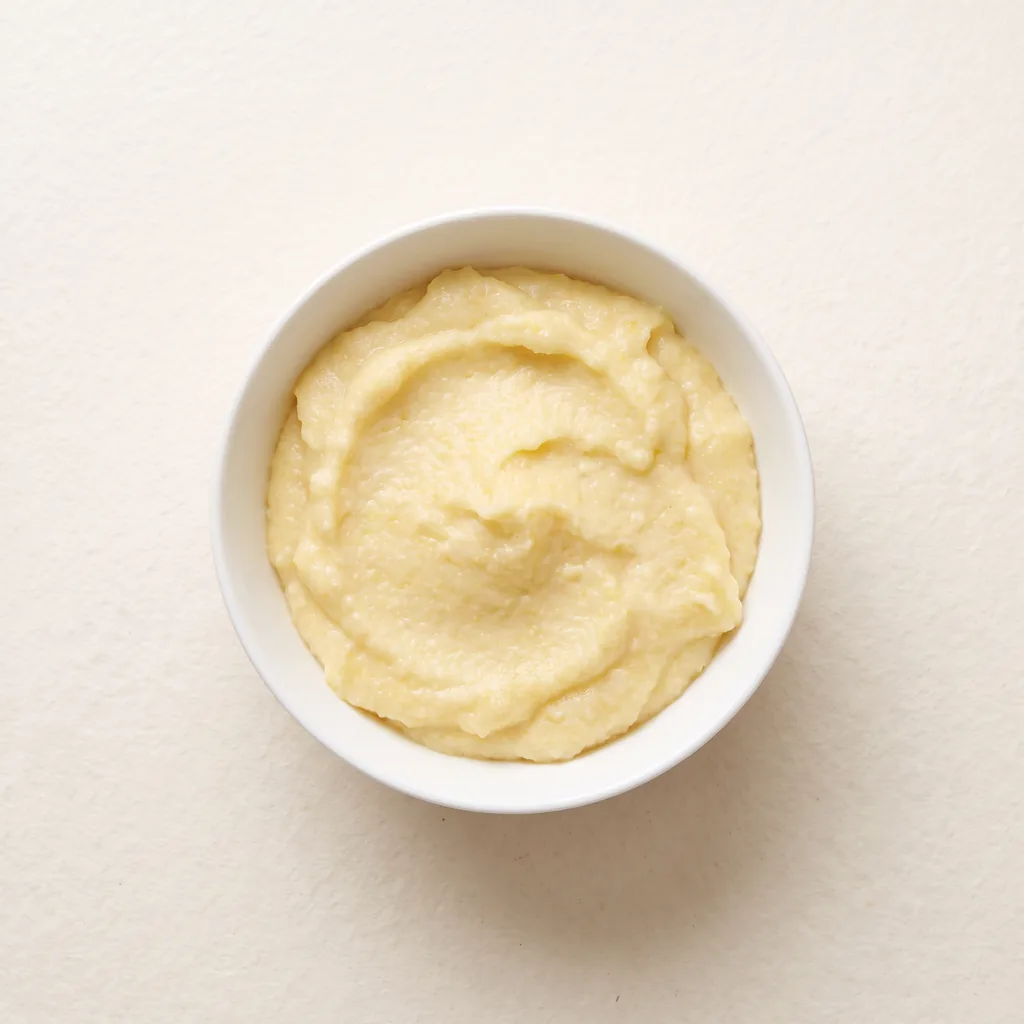
Cornmeal prepared for 6 months

Stir cornmeal into water or breast milk until it reaches a thick porridge (polenta) consistency. Cook it on low heat for 10 minutes and let it cool. Serve with a spoon, or let it set and cut it into finger-thick strips. It is gluten free, so it can be used before wheat has been introduced.
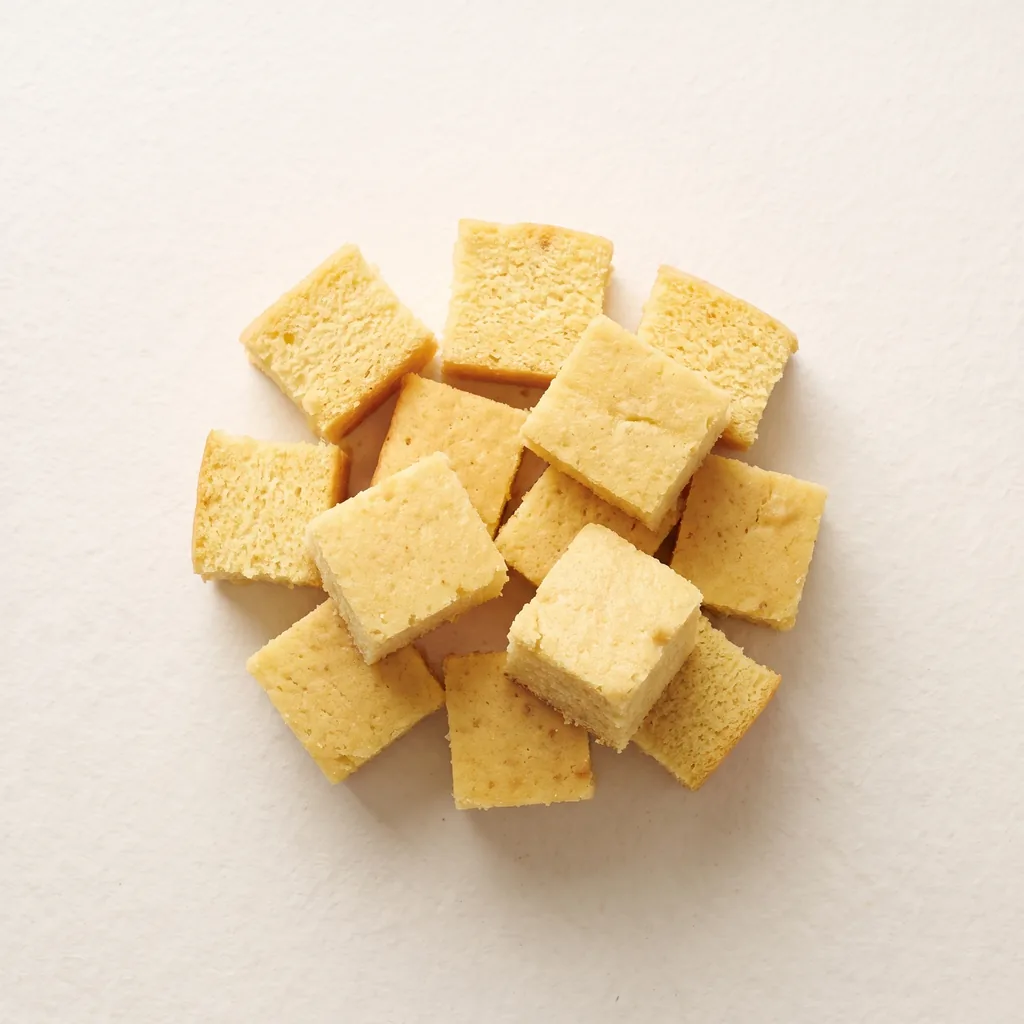
9 monthsCube

Cornmeal prepared for 9 months

Cut: Bite sized piece

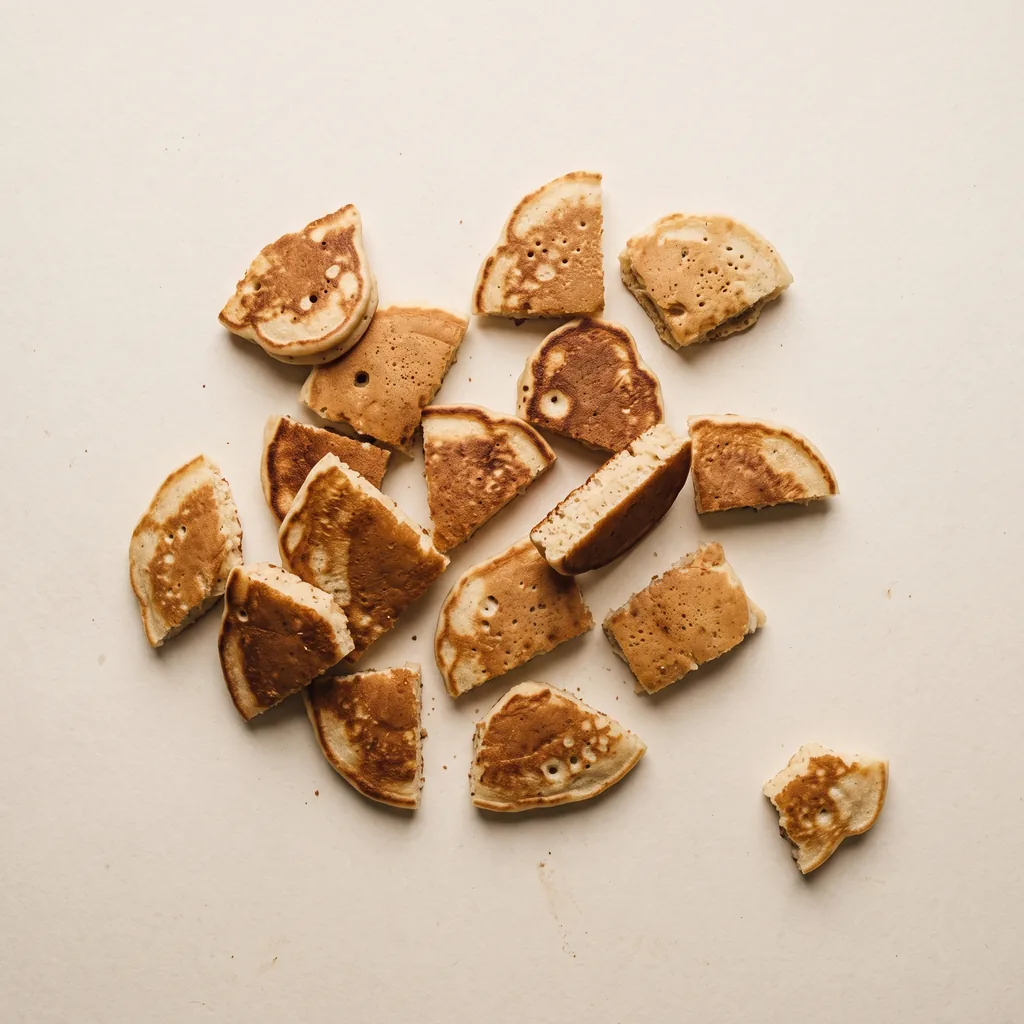
Serve the polenta that has cooled and set in small cubes, or bake a soft cornbread with cornmeal and break the inside into small pieces. Do not serve the hard crust.

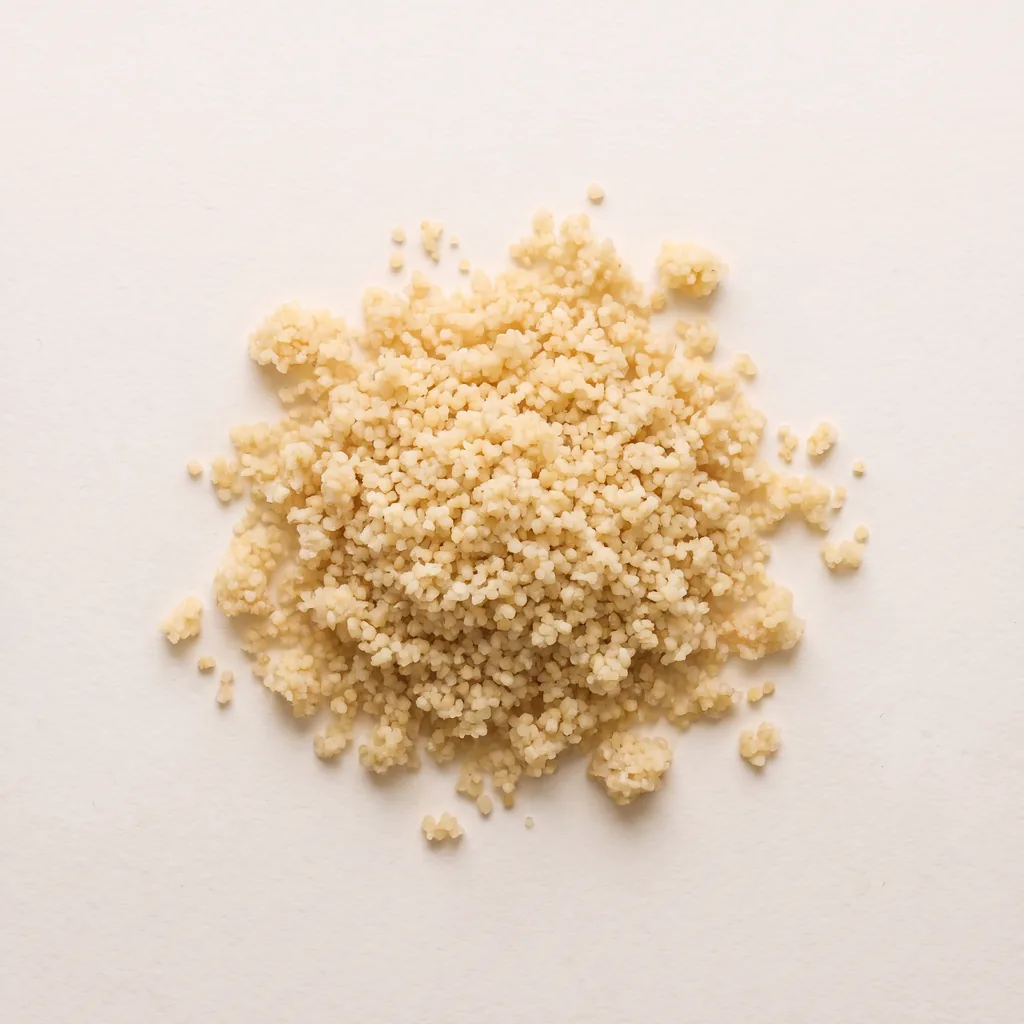
12 monthsCube

Cornmeal prepared for 12 months

Cut: Bite sized piece

Keep giving the soft inside of the cornbread in small pieces, made with no salt or very little. When you set aside a portion from corn fritters or kuymak-type dishes, cut back on salt and fat.

Choking risk

  1. Low
  2. Medium
  3. High

Well-cooked, soft cornmeal porridge carries a low choking risk. But polenta that has firmed up, dry pieces of bread and crispy cornmeal foods can make it harder for your baby to chew and swallow.

Cooked polenta strips should be soft enough to mash easily with light finger pressure. Serve cornbread soft and moist too, not in large, dry, crumbly pieces.

At meals, your baby should sit upright and supported, with good head control, and should never be left unattended.

Cutting rule

At 6 months, porridge and soft thin slices. At 9 months, soft bite-sized pieces. Slices should mash under light pressure. Do not fry them hard or crisp.

Allergen information

Corn is not one of the common food allergens. But rarely, an allergic reaction to corn proteins can develop.

Cornmeal is naturally gluten free. Still, store-bought cornmeal products can contain allergens such as wheat, milk, egg or soy. Check the ingredient list.

When you first offer it, start with a small amount and watch how your baby reacts.

Signs of an allergic reaction can include hives, swelling of the lips, vomiting, coughing or wheezing. If you see serious signs such as trouble breathing or swelling of the tongue or throat, call emergency services right away.

How should cornmeal foods be cut?

When starting solids, you can offer cornmeal porridge on a spoon. Soft polenta can be prepared as long strips your baby can grasp in their palm. Once your baby starts picking up small pieces with the thumb and index finger, usually around 9 months, you can also offer soft bite-sized pieces. What matters most is not a strict age cutoff but that the food mashes easily and suits your baby's developing eating skills.

Frequently asked questions

What age can babies eat cornmeal?

Cornmeal can be offered when your baby is ready for solids, usually around 6 months. It is a grain product that is naturally gluten free.

Is cornmeal a common allergen?

Corn is not one of the common food allergens. But rarely, an allergic reaction to corn proteins can develop.

How do you prepare cornmeal for babies?

For a 6-month-old: Stir cornmeal into water or breast milk until it reaches a thick porridge (polenta) consistency. Cook it on low heat for 10 minutes and let it cool. Serve with a spoon, or let it set and cut it into finger-thick strips. It is gluten free, so it can be used before wheat has been introduced.
Is cornmeal a choking hazard for babies?

Well-cooked, soft cornmeal porridge carries a low choking risk. But polenta that has firmed up, dry pieces of bread and crispy cornmeal foods can make it harder for your baby to chew and swallow.

Is cornmeal gluten free?

Yes. Pure cornmeal is naturally gluten free. But store-bought cornbread and other products can contain wheat flour. With celiac disease, check that the product is safe in terms of gluten cross-contamination.

Are polenta and cornmeal the same?

Not exactly. Cornmeal is made from ground corn. Polenta is usually a dish made by cooking ground corn. How coarsely the corn for polenta is ground can vary.

Can my baby have bread made with cornmeal?

Yes. Cornbread that is fully cooked through, soft and easy to break apart can be served in a suitable way. Avoid hard crusts and large, dry pieces.

Does cornmeal meet my baby's iron needs?

No, not on its own. To help meet your baby's iron needs, include iron sources such as meat, eggs and legumes in their diet.
Share:WhatsApp

Want to add this food to your baby's solid food calendar?

Join Lokmini to learn how this food is served at each age and to keep track of every food your baby tries.

Join Lokmini

Starting Solids

When and how to start solids, and what happens in the first week?

Read the guide

Similar foods

Let's get ready for the first bite together

Lokmini builds a day-by-day plan for your baby's age. Leave your email for new guides and our newsletter.

Start Your Journey