Skip to content

Dietitian's view

Crème fraîche is not common in Türkiye.

Lokmini is not a healthcare provider and does not offer health services. For your baby's specific needs, talk to your doctor or a dietitian.

  • Cow's milk allergen
  • Dairy
  • 6 mo+
  • Low choking risk

Crème fraîche for babies: when to start

Crème fraîche can start when your baby is ready for solids, around 6 months. Choose a pasteurized one to lower the risk of foodborne illness.

  • Fat
  • Calcium
  • Potassium
  • Vitamin A
  • Probiotics
Crème fraîche prepared for a babyAllergen, day 1/3

About crème fraîche

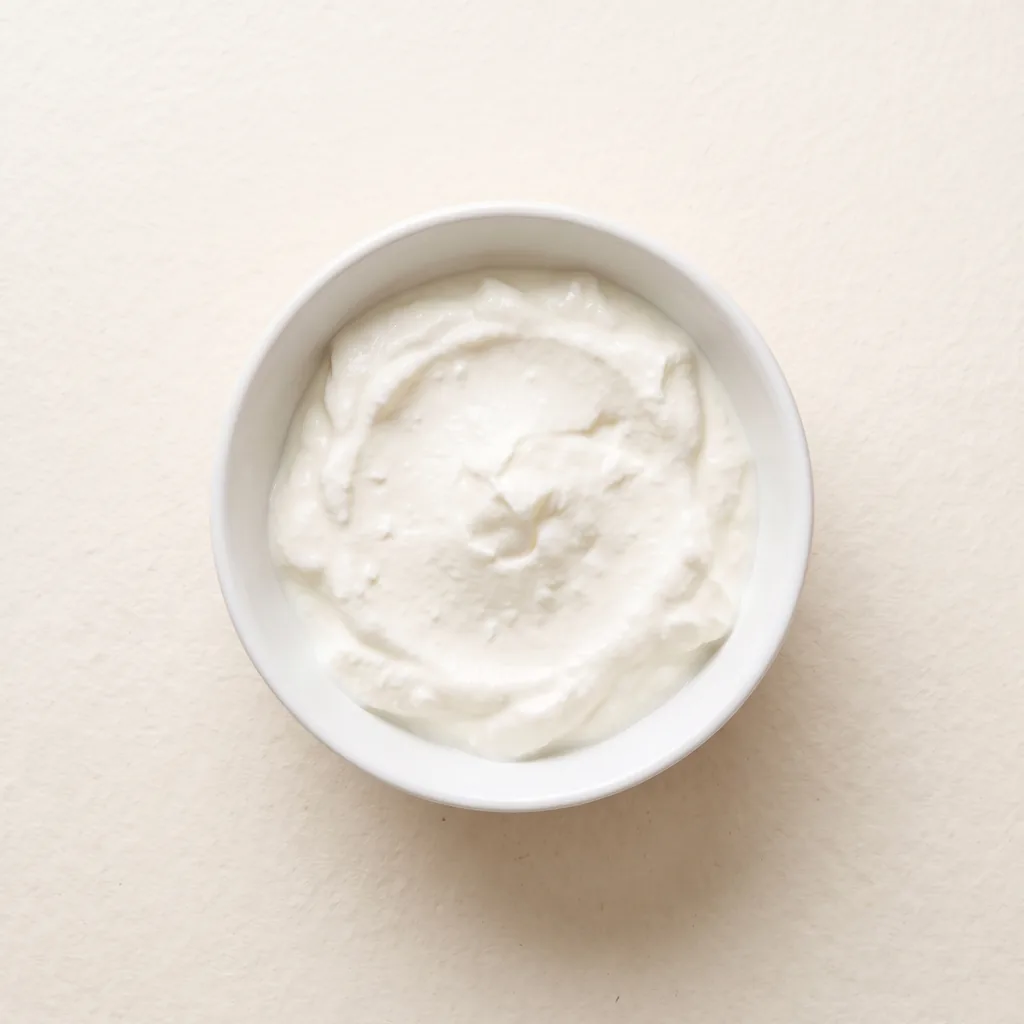
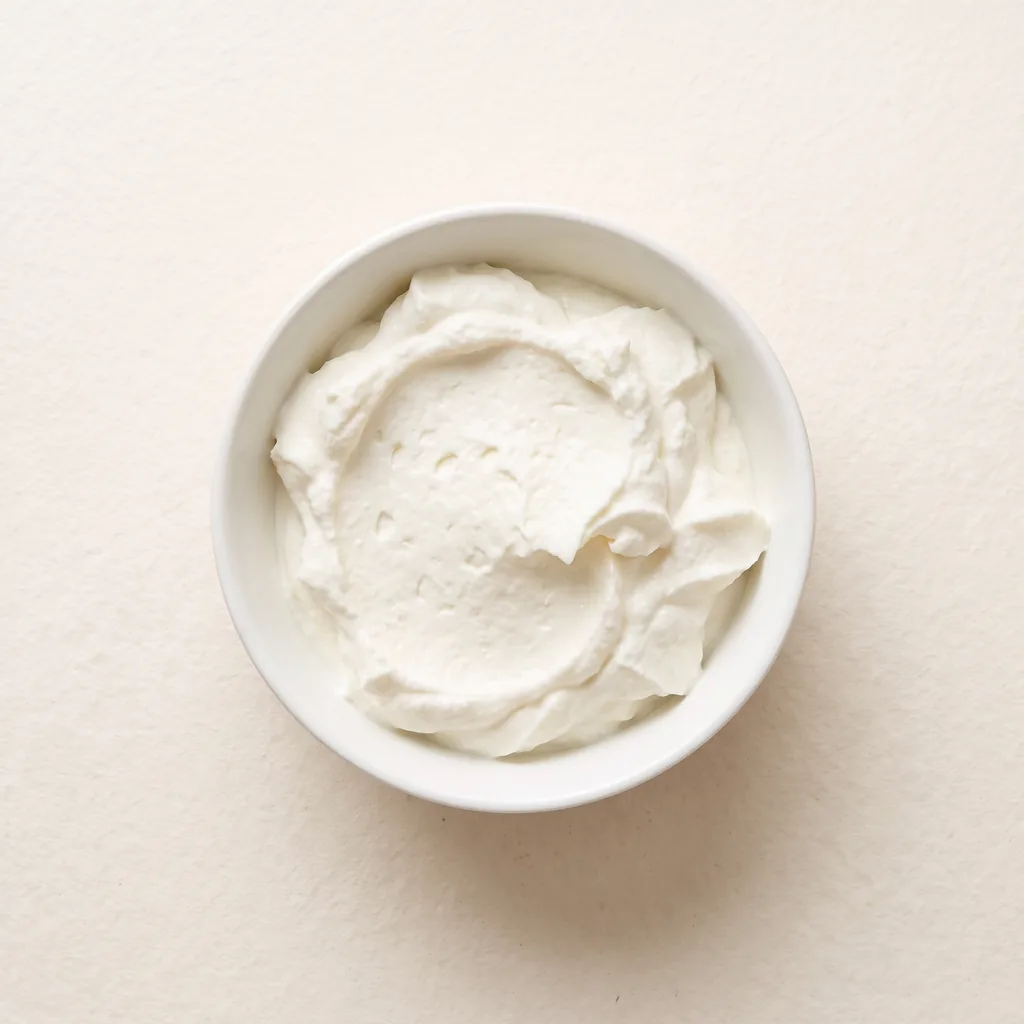
Crème fraîche is cream that has been cultured. Its texture is smooth and its taste is tangy. The idea began in France, where heavy cream is left to ferment with bacterial cultures. It resembles sour cream but is higher in fat and milder in taste. Cooks use it to enrich soups, sauces and baking. Because heat does not curdle it, you can serve it cold or gently warmed.

Nutrition

Crème fraîche is a dense source of fat and energy. The fat in it helps the body absorb vitamin A, vitamin D, vitamin E and vitamin K from other foods. It gives a little calcium, potassium and vitamin A. It also holds probiotics.

Also known as: krem fraş, kültürlü krema, fransız ekşi kreması, creme fraiche

  • Gluten-free
  • Vegetarian
  • Contains dairy

Crème fraîche is offered 3 days in a row

So that any reaction can be linked to the right food, crème fraîche is offered 3 days in a row and no other new food is tried on those days.

  1. 1/3

    First taste

    Start with a small amount in the morning or around midday. Your baby is watched closely for 5 to 10 minutes after the first bite.

  2. 2/3

    Same food, same calm

    Crème fraîche is offered again the same way. No other new food is tried today.

  3. 3/3

    Introduction done

    If no reaction was seen, crème fraîche is now part of your baby's meals. It keeps being offered regularly.

Emergency

If repeated vomiting and diarrhea start a few hours after a dairy food, seek medical care.

About crème fraîche allergy

FPIES warning

It is one of the known triggers of FPIES (a delayed-onset food allergy). In this condition, repeated severe vomiting, pallor and lethargy may occur, usually 1-4 hours after the food is eaten. Diarrhea may appear later. These symptoms require urgent medical evaluation.

Crème fraîche usually comes from cow's milk, which ranks among the usual food allergens for small children. About one in five childhood food allergies is to milk. Sheep, goat and buffalo milk can trigger similar reactions. The good news is that milk allergy often fades. Most children with cow's milk allergy outgrow it by age 6. Many children who cannot yet drink milk tolerate fully baked milk in a cake or muffin.

FPIES

Milk often triggers food protein-induced enterocolitis syndrome (FPIES). The acute form brings sudden, repeated vomiting and diarrhea a few hours after eating. Untreated, it leads to serious fluid loss. When milk is eaten regularly, chronic FPIES can show up as reflux, weight loss and poor growth. Symptoms usually improve once milk leaves the diet. FPIES that starts early is often outgrown by age 3 to 5.

Lactose intolerance

Lactose intolerance can be mistaken for an allergy. It causes bloating, gas, diarrhea and nausea. It is uncommon in babies and young children but becomes more common with age. It may affect up to 70 percent of the world's population.

If you suspect milk allergy, do not give dairy. For your baby's specific needs, talk to your doctor or a dietitian. Begin with a small amount for the first servings and raise it slowly if there is no reaction. Experts recommend that once common allergens are introduced, they stay in the diet regularly, ideally twice a week.

How to prepare it by age

6 monthsStrip

Crème fraîche prepared for 6 months

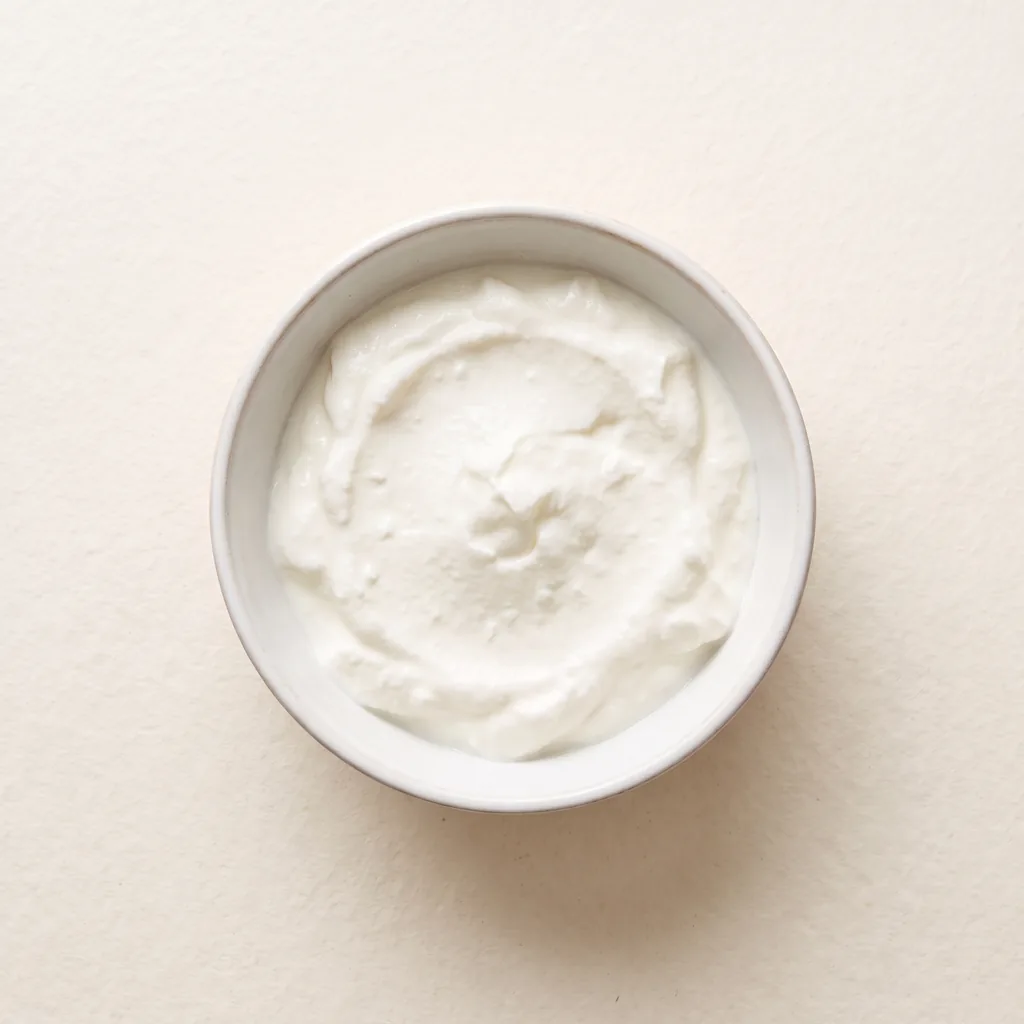
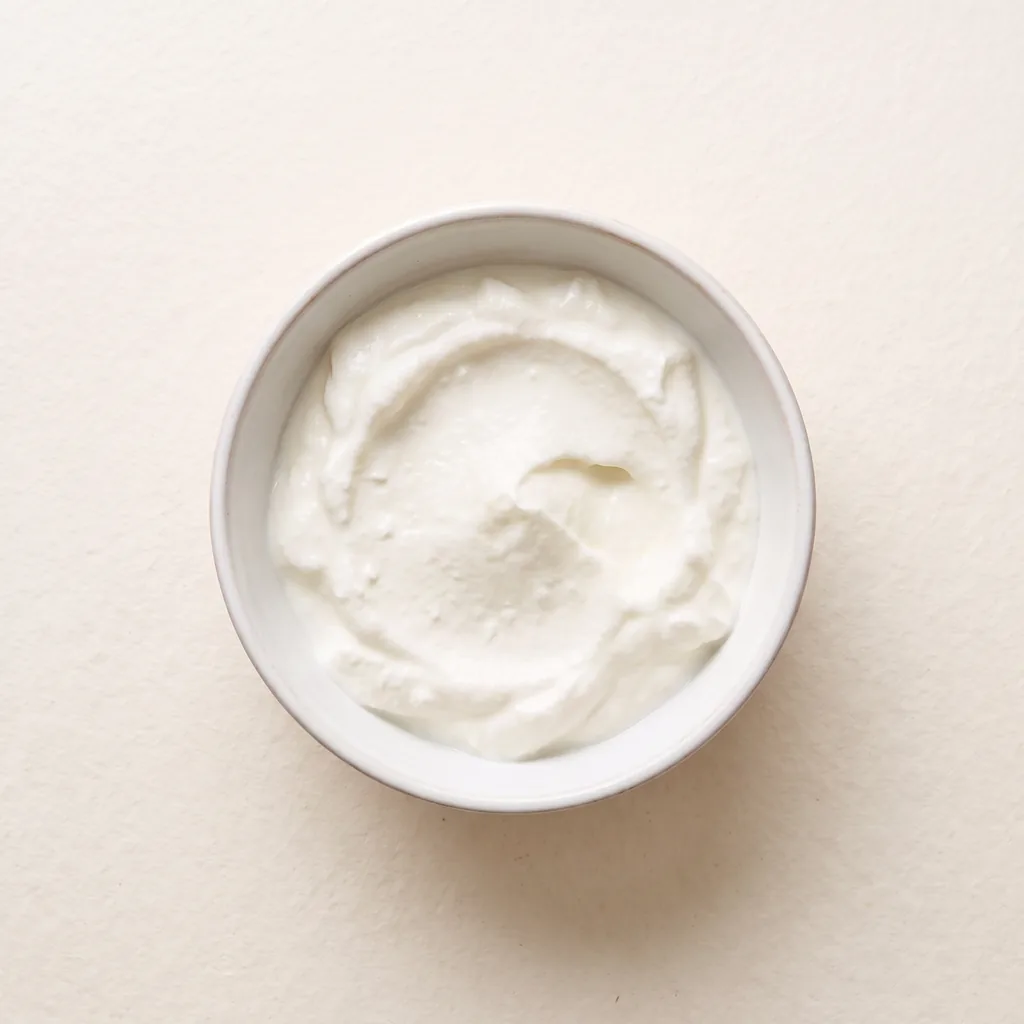
Spread pasteurized crème fraîche on easy-to-grab foods. A piece of toast, a pancake or waffle strip, or a cooked vegetable wedge works. It can go into porridge or pasta. You can cook it into an omelet or frittata. It also goes into dips and sauces.
9 monthsCube

Crème fraîche prepared for 9 months

Spread crème fraîche on bite-size pieces that your baby can pick up with a pincer grasp. Keep using it in omelets, frittatas, porridge, pasta, dips and sauces.

12 monthsMash

Crème fraîche prepared for 12 months

Stir crème fraîche into mashed vegetables. Add it to sauces and egg dishes. Mix it into muffin, pancake and quick bread batter. For a child who loves creamy foods, set a small dish of herbs and spices on the side so they can season it as they like.

Choking risk

  1. Low
  2. Medium
  3. High

Crème fraîche is a low-risk food. In theory, any food can cause choking. Prepare it for your child's age. Stay within reach at meals.

Frequently asked questions

Is crème fraîche a common allergen?

Crème fraîche usually comes from cow's milk, which ranks among the usual food allergens for small children. About one in five childhood food allergies is to milk. Sheep, goat and buffalo milk can trigger similar reactions. The good news is that milk allergy often fades. Most children with cow's milk allergy outgrow it by age 6. Many children who cannot yet drink milk tolerate fully baked milk in a cake or muffin.

How do you prepare crème fraîche for babies?

For a 6-month-old: Spread pasteurized crème fraîche on easy-to-grab foods. A piece of toast, a pancake or waffle strip, or a cooked vegetable wedge works. It can go into porridge or pasta. You can cook it into an omelet or frittata. It also goes into dips and sauces.
Is crème fraîche a choking hazard for babies?

Crème fraîche is a low-risk food. In theory, any food can cause choking. Prepare it for your child's age. Stay within reach at meals.

When can babies try crème fraîche?

When ready for solids, around 6 months. Choose a pasteurized one.

Is crème fraîche the same as sour cream?

No. Crème fraîche is higher in fat, milder in taste, and does not curdle when heated.

Can crème fraîche replace yogurt?

In many recipes, yes. It has more fat than yogurt and less acid.

Can a child with milk allergy eat crème fraîche?

No. It is made from cow's milk. For your baby's specific needs, talk to your doctor or a dietitian.

Prepared by the Lokmini team | Last updated November 18, 2026

Share:WhatsApp

Want to add this food to your baby's solid food calendar?

Join Lokmini to learn how this food is served at each age and to keep track of every food your baby tries.

Join Lokmini

Starting Solids

When and how to start solids, and what happens in the first week?

Read the guide

Similar foods

Let's get ready for the first bite together

Lokmini builds a day-by-day plan for your baby's age. Leave your email for new guides and our newsletter.

Start Your Journey