6 monthsMash
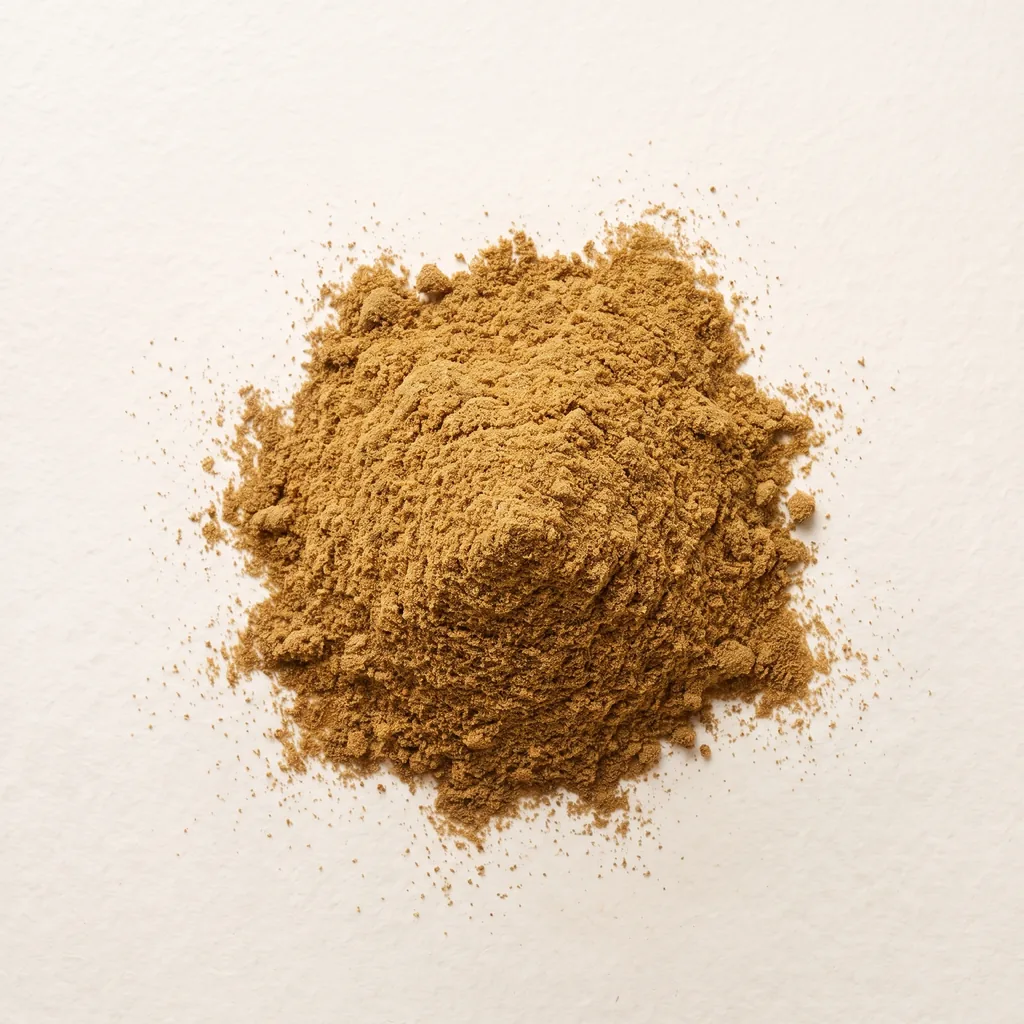
Cut: Ground
Sprinkle a tiny pinch of ground cumin over cooked vegetables, lentils, or yogurt. You can also season sauces and stews you share with the family. Start with a very small amount.
Dietitian's view
You can give cumin ground.
Uzm. Dyt. Berk AysanPrepared the latest update, November 14, 2026
Lokmini is not a healthcare provider and does not offer health services. For your baby's specific needs, talk to your doctor or a dietitian.
Cumin (Cuminum cyminum) is an aromatic plant in the parsley family (Apiaceae). The part used as a spice is the dried fruit, commonly known as the seed.
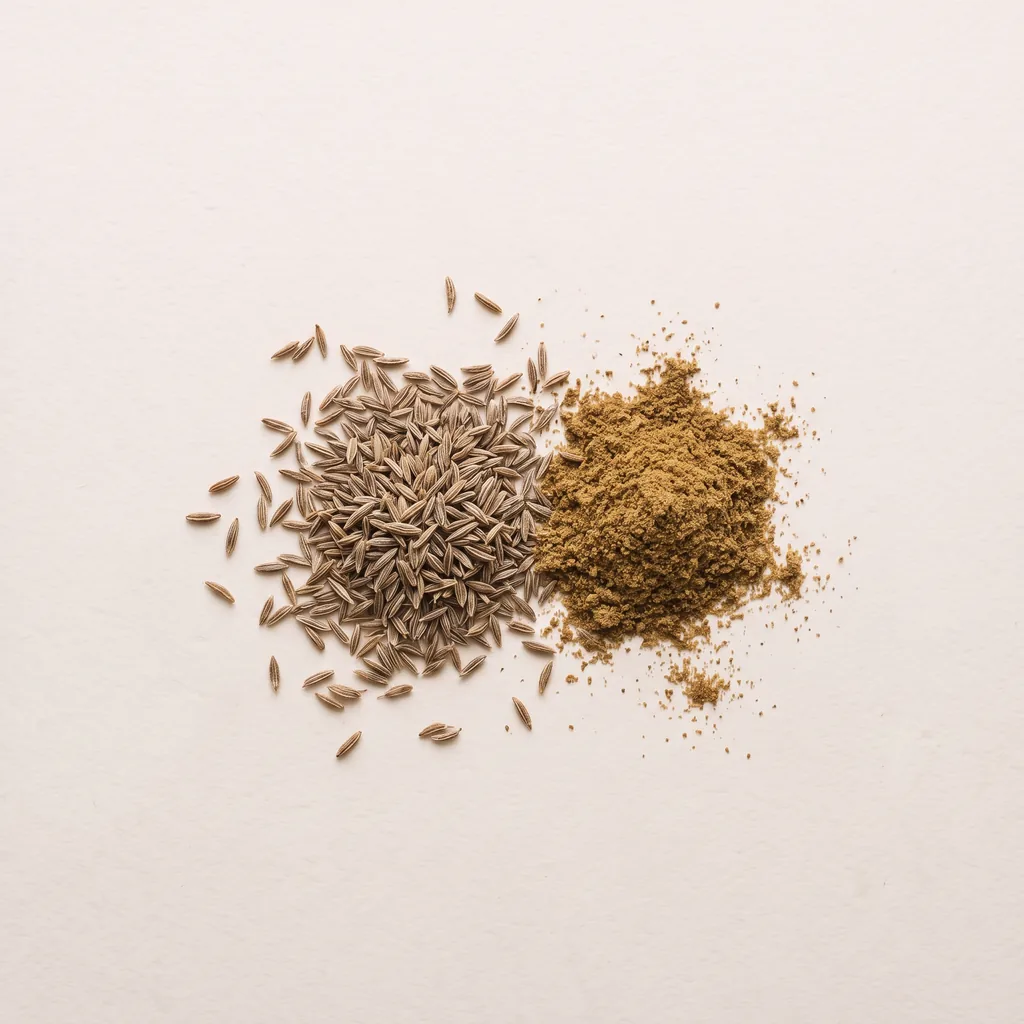
When your baby is ready for solids, usually around 6 months, you can add a small amount of cumin to their meals.
With its warm, slightly earthy aroma, cumin adds flavor to soups, legume dishes and vegetable recipes.
Cumin contains iron, calcium, magnesium and fiber. It also carries natural plant compounds such as cuminaldehyde and various phenolic compounds.
Lab studies have looked at the antioxidant and antimicrobial properties of these compounds. But there is not enough clinical evidence that eating cumin has any effect on infections, digestion or gas in babies.
Cumin is used in very small amounts in food, so it is not expected to add much to your baby's daily vitamin and mineral needs.
Its main role is to add flavor to food without adding salt.
Also known as: kimyon tohumu, toz kimyon, çemen otu değil kimyon, jeera
6 monthsMash
Cut: Ground
Sprinkle a tiny pinch of ground cumin over cooked vegetables, lentils, or yogurt. You can also season sauces and stews you share with the family. Start with a very small amount.
12 monthsCube
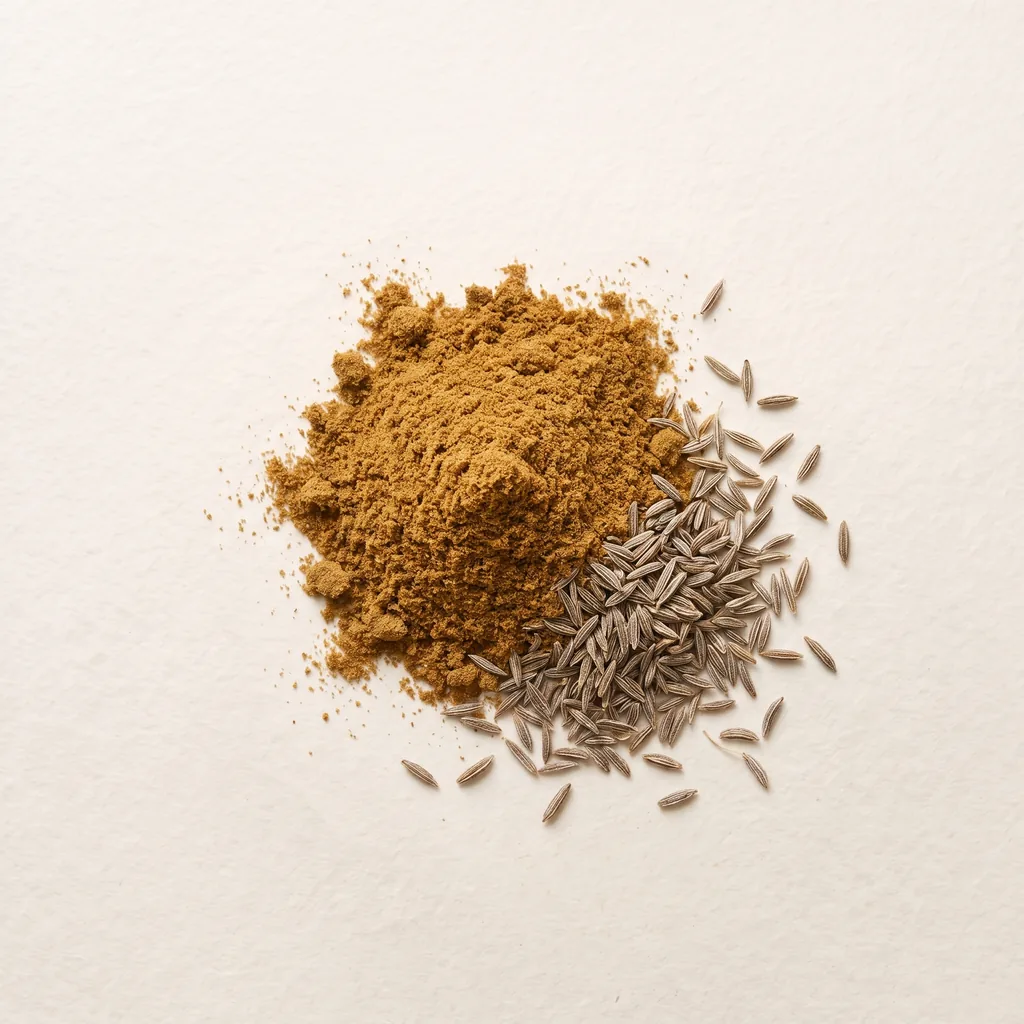
Use ground or whole cumin in meatballs, chickpea dishes, vegetable dishes, and marinades. Blend it with other herbs and spices to make sauces and seasoning mixes.
Ground cumin mixed in small amounts into moist foods carries a low choking risk when served properly.
Putting dry spice powder straight into the mouth can cause coughing and a risk of breathing it into the airway.
Whole dry cumin seeds can also be hard for your baby to manage in the mouth.
Use ground cumin and mix it well into food.
Your baby should sit upright for the whole meal and be under your constant watch.
Does cumin reduce gas in babies?
Cumin is one of the spices traditionally used to ease digestive complaints. The effects of some of its compounds on the digestive system have been studied. But there is not enough clinical evidence that cumin added to food reduces gas or colic in babies. Use cumin to add flavor to meals, not as a remedy.
Cumin is not one of the common or priority food allergens. Still, it can rarely cause allergic reactions.
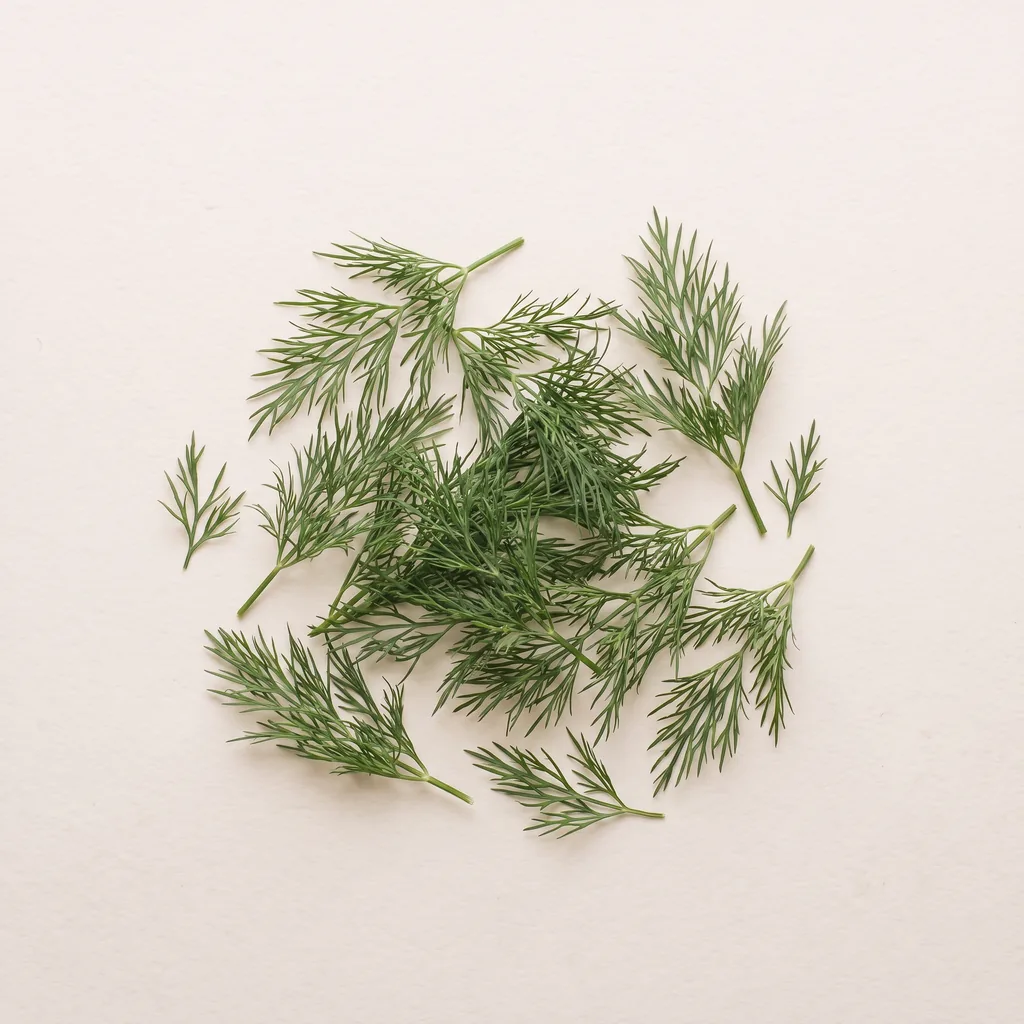
Cumin is in the same parsley family (Apiaceae) as celery, parsley, coriander, carrot and dill.
Cross-reactions can happen among these plants and with some pollen allergies. But not everyone allergic to a plant in the same family will be allergic to cumin.
Breathing in ground cumin powder can cause coughing or sneezing. These symptoms do not always mean an allergy.
You can add a small amount of cumin to a food your baby has already tolerated.
Watch for possible reactions. If no problems develop, you can keep using it in meals.
If there is a known spice allergy or a related plant allergy, talk to your doctor or a dietitian.
If widespread hives, lip or tongue swelling, wheezing or trouble breathing develop after eating, stop giving it. For signs of a serious reaction, call emergency services right away.
Join Lokmini to learn how this food is served at each age and to keep track of every food your baby tries.
Lokmini builds a day-by-day plan for your baby's age. Leave your email for new guides and our newsletter.
Start Your Journey