Skip to content
  • Proteins
  • 6 mo+
  • Medium choking risk

Duck for babies: when to start

Duck can be offered from about 6 months when thoroughly cooked. Baby should be ready for solids.

  • Protein
  • Omega-3 fatty acids
  • Choline
  • Iron
  • Selenium
  • Zinc
Duck prepared for a baby

About duck

Ducks are raised worldwide for eggs and for meat. Both wild and farmed ducks are edible, but they need different cooking to bring out their flavor. Compared with wild duck, farmed duck has more fat and is softer and less dense.

Nutrition

Duck is rich in protein and fat. It also supplies choline, iron, selenium, zinc, plus B6, B12, and E vitamins.

Also known as: ördek, ördek budu, evcil ördek, yabani ördek

  • Gluten-free
  • Contains meat

How to prepare it by age

6 monthsStrip or mash
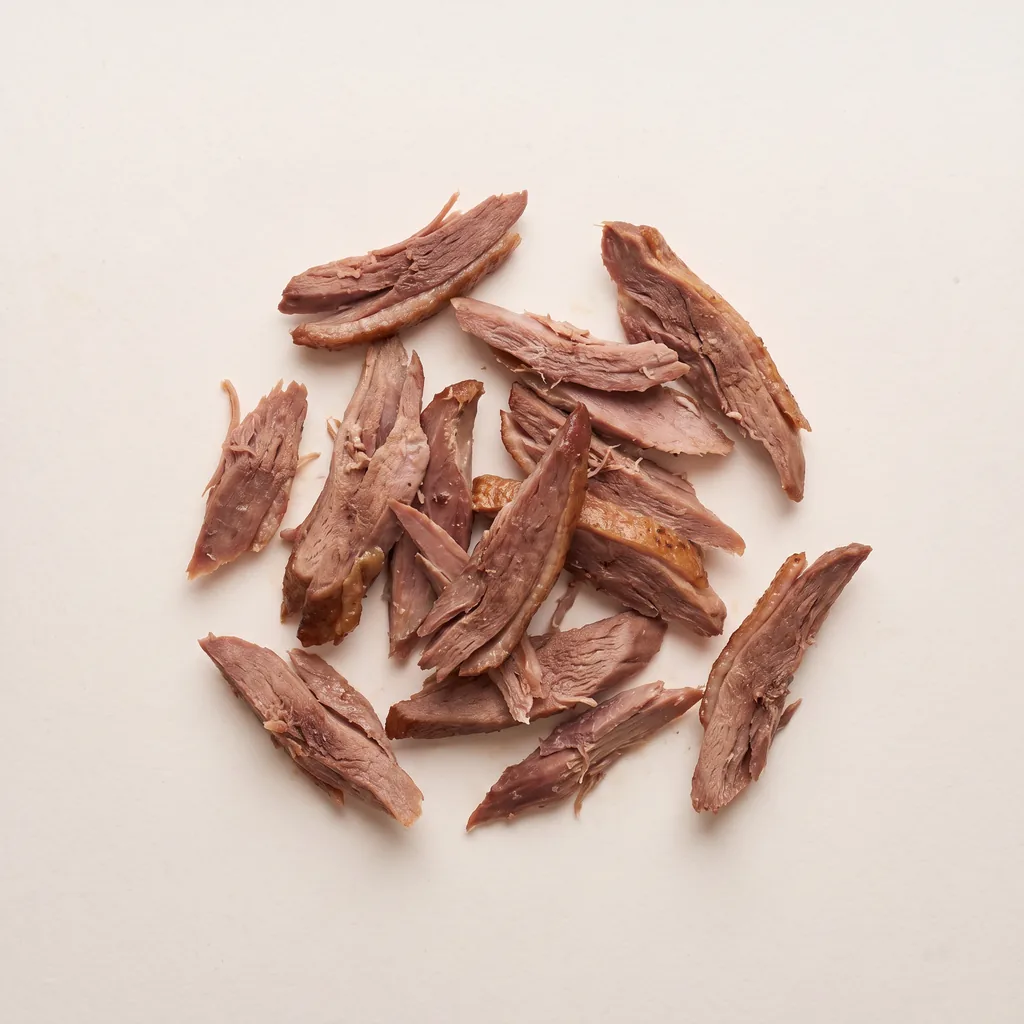
Duck prepared for 6 months

Cut: Finger strip

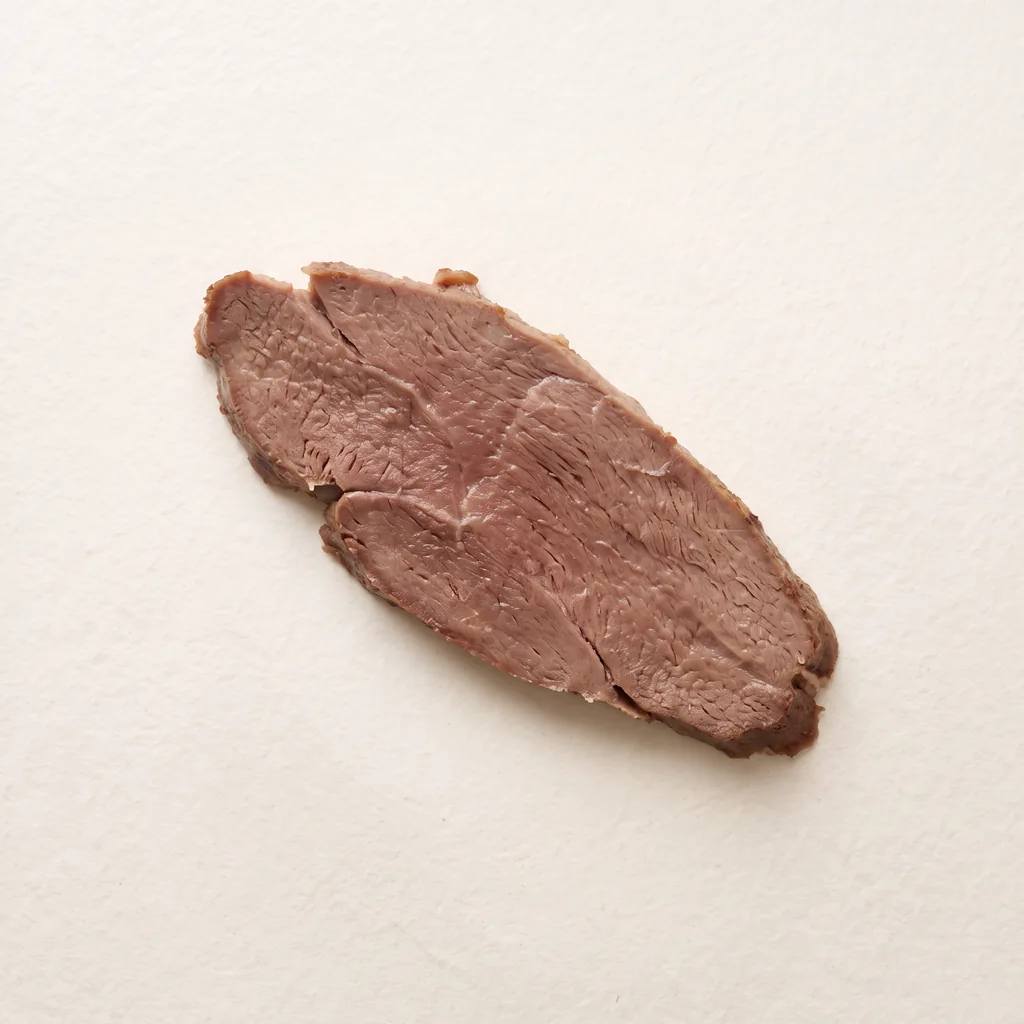
Cook the meat thoroughly. Remove bone, loose cartilage, and skin. Cut long strips about as thick as two adult fingers together. If a bite breaks off, stay calm and let baby work it forward with the tongue. You can also offer a large drumstick bone stripped of loose cartilage, meat, and fat.

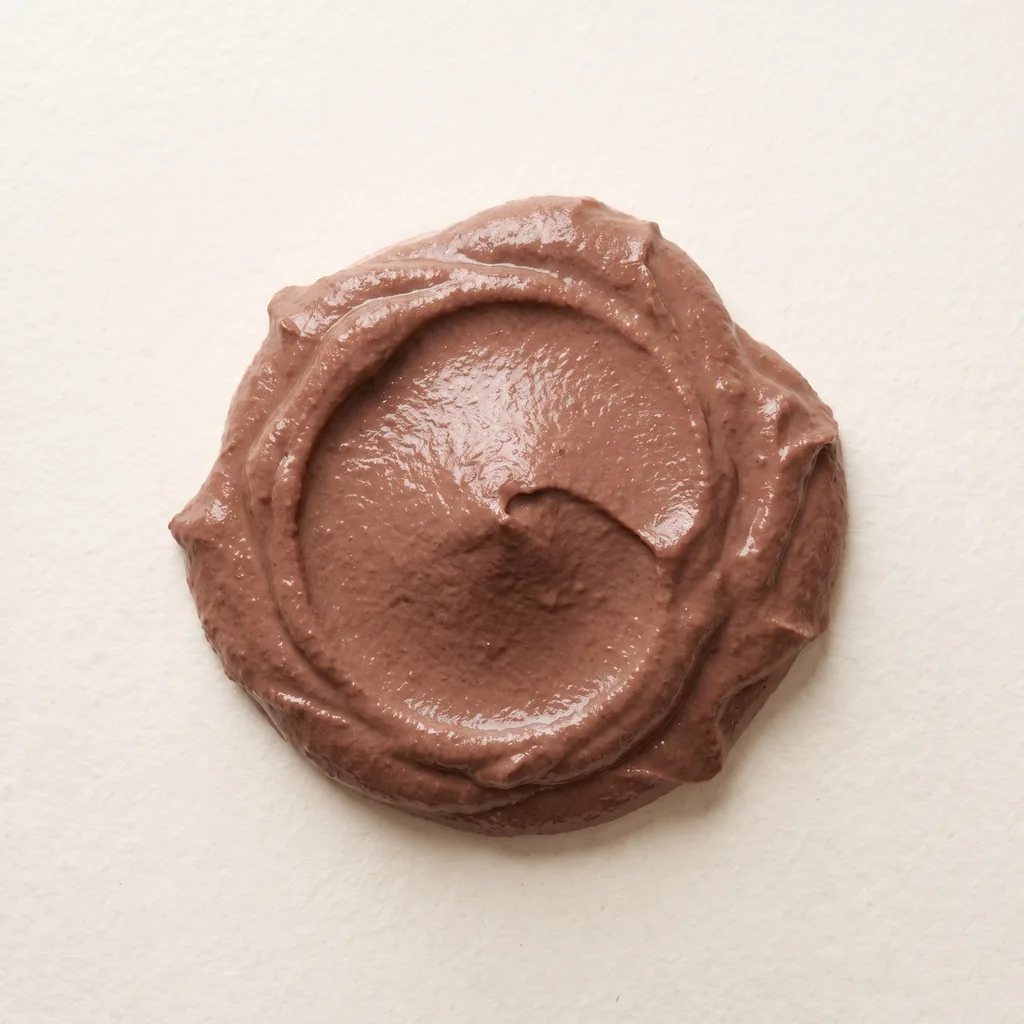
Mince or shred the cooked meat very finely. Mix it into soft foods like mashed vegetables, porridge or yogurt.
9 monthsCube

Duck prepared for 9 months

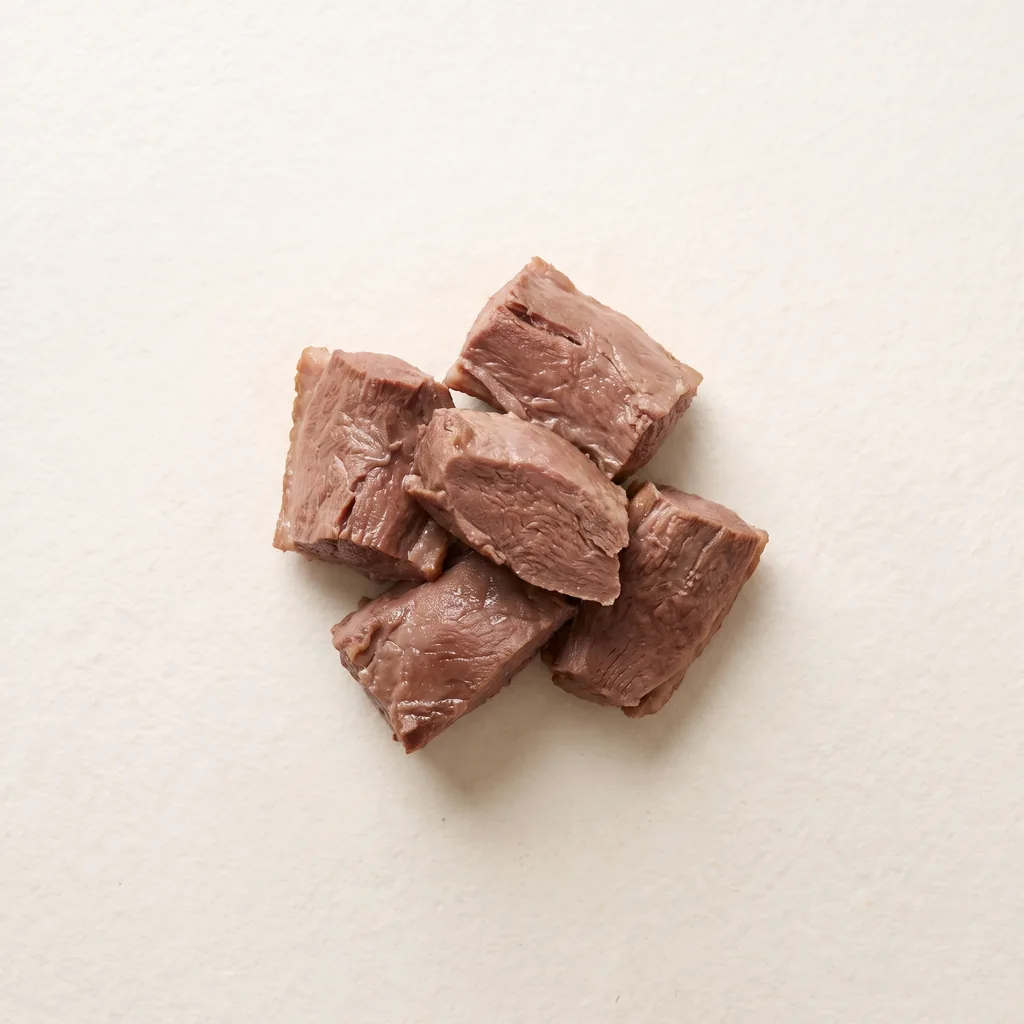
Shred the cooked meat or cut thin, flat, bite-sized slices for baby's pincer grasp. Slow-cooked, braised, or sauced duck is soft and easier to chew. Do not cut cubes.

12 monthsCube or slice

Duck prepared for 12 months

Cut: Bite sized piece

Offer cooked meat in bite-sized pieces for fingers or a fork. Slow-cooked, braised, or sauced duck is easier than dry meat. Removing skin and fat adds safety. Over time, familiarity with these textures makes acceptance more likely.

Once you feel sure of your child's biting and chewing skills, offer a whole duck drumstick with loose cartilage removed.

Choking risk

  1. Low
  2. Medium
  3. High

Duck carries a choking risk. It can be firm and hard to chew. Do not cut it into cubes or large chunks. Serve strips, shreds, or thin slices to suit your child's age.

Do not overcook it, because dry meat is harder to chew and swallow. Stay near baby during meals.

No cubes

Cubes or large chunks can seal the airway.

Allergen information

Duck is not a common allergen. People allergic to chicken or turkey may be allergic to duck too, and poultry allergy cases have been reported.

Reports name duck as a trigger of FPIES. This reaction causes vomiting 2 to 4 hours after eating, and sometimes diarrhea. It is rare. People with fish, feather, or egg allergy may also test positive to poultry. The allergen protein is sensitive to heat, so well-cooked meat usually causes no symptoms.

Offer a small amount at the first meals. If there is no reaction, raise the amount slowly at later meals.

Frequently asked questions

What age can babies eat duck?

Duck can be offered from about 6 months when thoroughly cooked. Baby should be ready for solids.

Is duck a common allergen?

Duck is not a common allergen. People allergic to chicken or turkey may be allergic to duck too, and poultry allergy cases have been reported.

How do you prepare duck for babies?

For a 6-month-old: Cook the meat thoroughly. Remove bone, loose cartilage, and skin. Cut long strips about as thick as two adult fingers together. If a bite breaks off, stay calm and let baby work it forward with the tongue. You can also offer a large drumstick bone stripped of loose cartilage, meat, and fat.

Is duck a choking hazard for babies?

Duck carries a choking risk. It can be firm and hard to chew. Do not cut it into cubes or large chunks. Serve strips, shreds, or thin slices to suit your child's age.

Is duck suitable for babies?

Yes, from about 6 months if cooked thoroughly. It is rich in iron, zinc, B12, and omega-3 fats.

Can babies eat wild duck?

Yes, if cooked until the inside reaches at least 165 F (74 C). If you doubt how it was hunted or handled, do not serve it.

Can I serve the skin and fat?

Skin and fat are hard to chew. Leave them off for young babies. An older child can meet these textures over time.

Prepared by the Lokmini team | Last updated November 18, 2026

Share:WhatsApp

Want to add this food to your baby's solid food calendar?

Join Lokmini to learn how this food is served at each age and to keep track of every food your baby tries.

Join Lokmini

Starting Solids

When and how to start solids, and what happens in the first week?

Read the guide

Similar foods

Let's get ready for the first bite together

Lokmini builds a day-by-day plan for your baby's age. Leave your email for new guides and our newsletter.

Start Your Journey