Skip to content
  • Egg allergen
  • Proteins
  • 6 mo+
  • Low choking risk

Egg yolk for babies: when to start

Egg yolk can be offered once your baby is ready for solids, from about 6 months. Along with protein, the yolk has choline, vitamin A and vitamin D. It is also a useful source of iron.

  • Choline
  • Vitamin A
  • Vitamin D
  • Protein
  • Iron
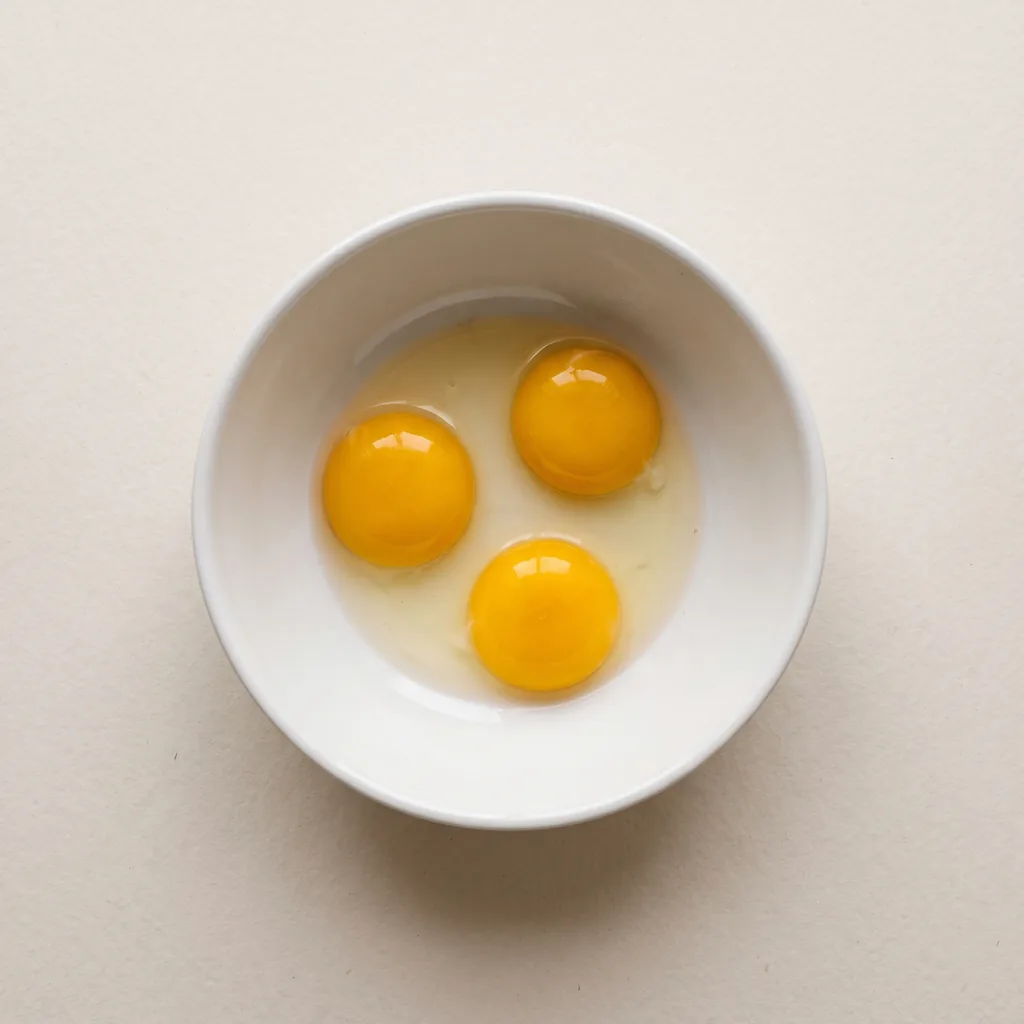
Egg yolk prepared for a babyAllergen, day 1/3

About egg yolk

When can babies have egg yolk?

Make sure the egg is cooked well. Cook until both the white and the yolk are firm.

Why the whole egg?

Offering egg early and regularly may help lower the chance of egg allergy later. The NHS notes that holding back hen's eggs until after 6 to 12 months may raise the risk of allergy. So rather than stopping at the yolk, plan to add the white as your baby tolerates it.

Also known as: haşlanmış yumurta sarısı, sarı, yumurta sarısı, yumurta sarısı püresi

  • Gluten-free
  • Vegetarian
  • Contains egg

Egg yolk is offered 3 days in a row

So that any reaction can be linked to the right food, egg yolk is offered 3 days in a row and no other new food is tried on those days.

  1. 1/3

    First taste

    Start with a small amount in the morning or around midday. Your baby is watched closely for 5 to 10 minutes after the first bite.

  2. 2/3

    Same food, same calm

    Egg yolk is offered again the same way. No other new food is tried today.

  3. 3/3

    Introduction done

    If no reaction was seen, egg yolk is now part of your baby's meals. It keeps being offered regularly.

Emergency

If your baby has trouble breathing or swelling of the face or tongue, call 911 (or your local emergency number) right away.

About egg yolk allergy

FPIES warning

It is one of the known triggers of FPIES (a delayed-onset food allergy). In this condition, repeated severe vomiting, pallor and lethargy may occur, usually 1-4 hours after the food is eaten. Diarrhea may appear later. These symptoms require urgent medical evaluation.

Allergen status

Egg is a common food allergen. When you offer a new allergen, give one food at a time and start with a very small amount. The NHS recommends this approach from about 6 months.

A rash, vomiting, diarrhea, cough, wheeze or swollen lips can be signs of a reaction. For severe symptoms, call emergency services. If your baby has eczema or there is allergy in the family, talk to your doctor first.

Please note

If egg allergy has already been diagnosed, do not serve egg without your doctor's advice.

How to prepare it by age

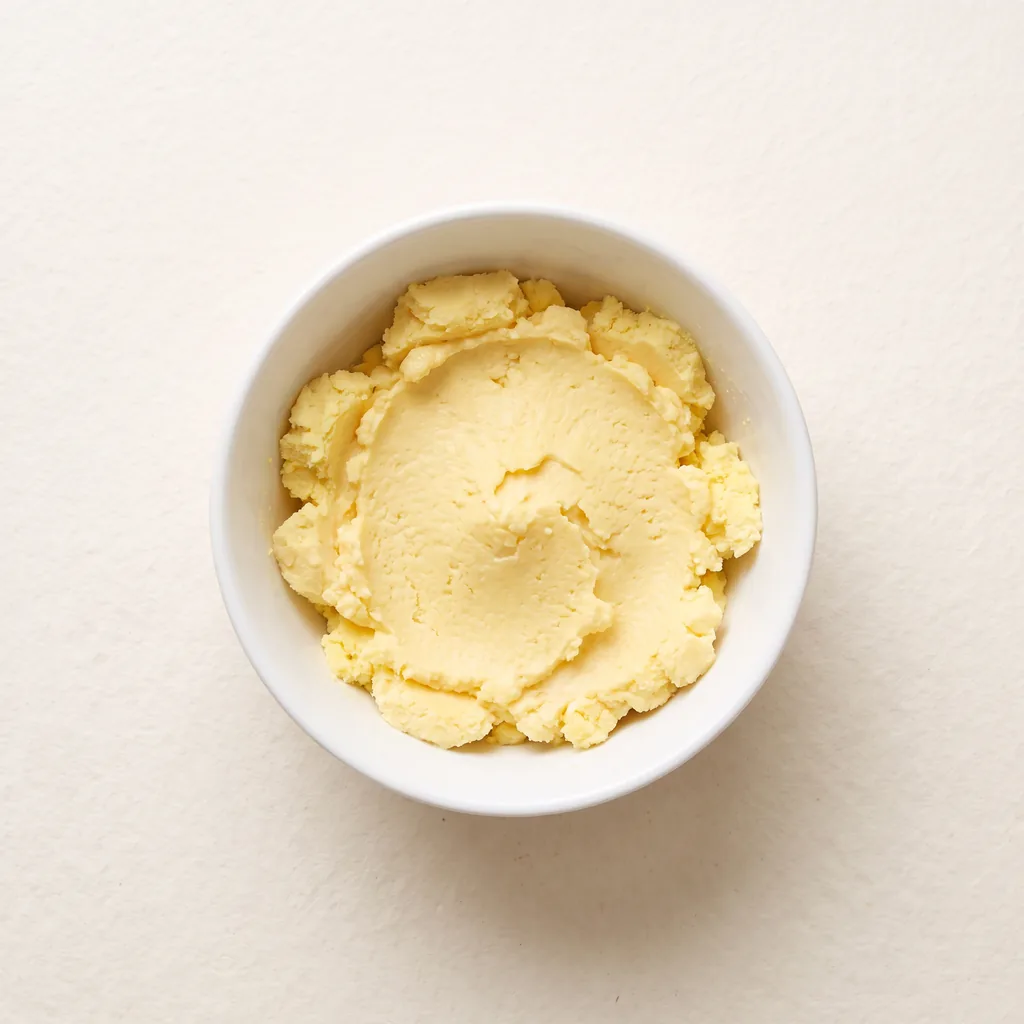
6 monthsMash

Egg yolk prepared for 6 months

Cut: Fork mashed

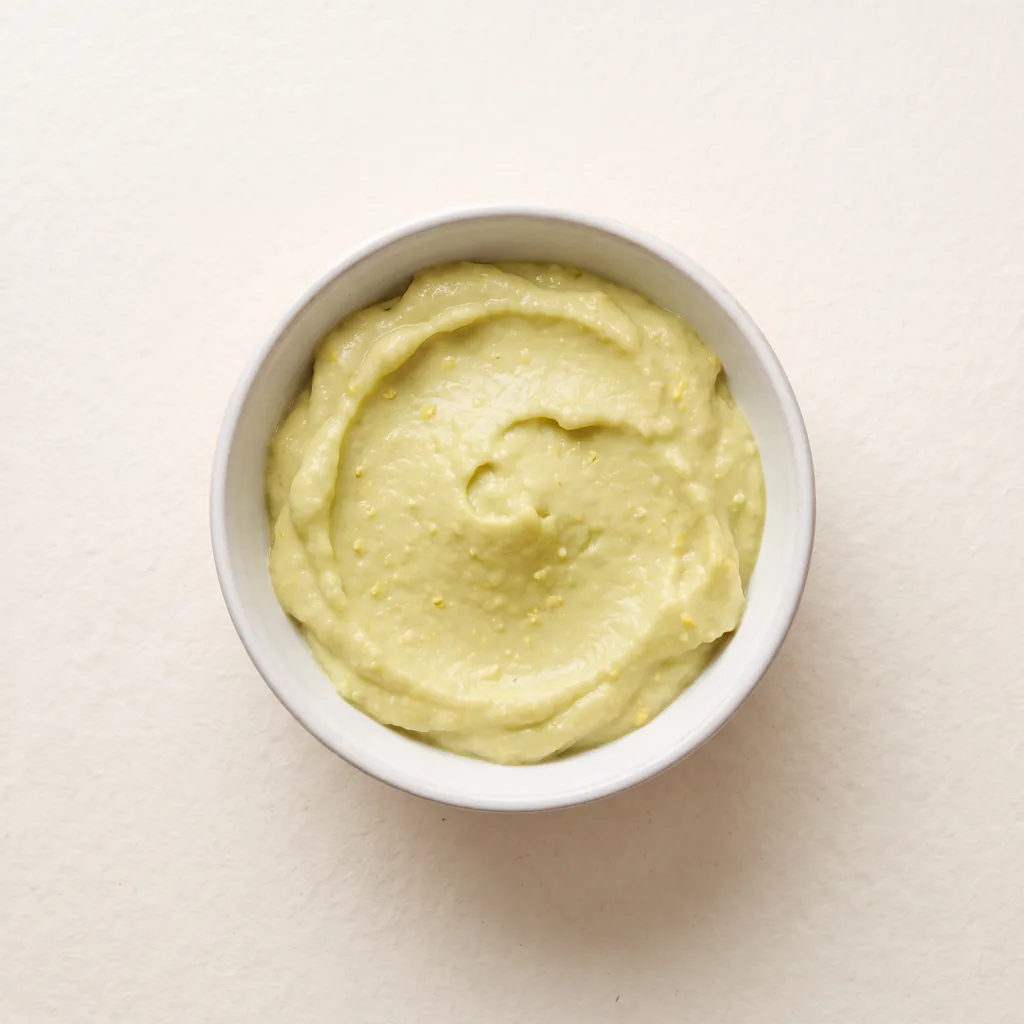
Boil the egg for 10 to 12 minutes, then mash the yolk with a fork. Loosen it with breast milk or water. Current allergy research suggests that offering the whole egg (white and yolk) early may help lower the risk of allergy. So do not stay with the yolk alone. Add the white as your baby tolerates it. Start with a small amount at the first feeding and watch for a reaction.
12 monthsCube

Cut a hard boiled egg, yolk included, into small pieces, or mash it with a fork and spread it on bread. Scrambled egg and omelet also work. Cook until both the white and the yolk are firm. Offer water with dry pieces.

Choking risk

  1. Low
  2. Medium
  3. High

Choking risk

Egg yolk is soft and carries a low choking risk. The concern is dryness. Crumbly yolk can turn powdery in the mouth. Mash it with a little liquid, begin with small amounts and stay with your baby during meals. Your baby should sit upright and eat calmly.

Frequently asked questions

What age can babies eat egg yolk?

Egg yolk can be offered once your baby is ready for solids, from about 6 months. Along with protein, the yolk has choline, vitamin A and vitamin D. It is also a useful source of iron.

Is egg yolk a common allergen?

Egg is a common food allergen. When you offer a new allergen, give one food at a time and start with a very small amount. The NHS recommends this approach from about 6 months.

How do you prepare egg yolk for babies?

For a 6-month-old: Boil the egg for 10 to 12 minutes, then mash the yolk with a fork. Loosen it with breast milk or water. Current allergy research suggests that offering the whole egg (white and yolk) early may help lower the risk of allergy. So do not stay with the yolk alone. Add the white as your baby tolerates it. Start with a small amount at the first feeding and watch for a reaction.
Is egg yolk a choking hazard for babies?

Egg yolk is soft and carries a low choking risk. The concern is dryness. Crumbly yolk can turn powdery in the mouth. Mash it with a little liquid, begin with small amounts and stay with your baby during meals. Your baby should sit upright and eat calmly.

Should I give only the yolk?

No. Current allergy guidance suggests that introducing the whole egg (yolk and white) may be more helpful. You can begin with the yolk and add the white as your baby tolerates it.

When should I start to lower the chance of egg allergy?

The AAP says there is no evidence that waiting beyond 4 to 6 months to offer soft foods like egg prevents allergy. The NHS suggests starting with small amounts from about 6 months. Your baby should be ready for solids first.

Is egg yolk a source of iron?

Yes, the yolk contains iron. The WHO stresses iron as a priority nutrient at this age. Ask your doctor about your baby's own iron needs.

Prepared by the Lokmini team | Last updated November 17, 2026

Share:WhatsApp

Want to add this food to your baby's solid food calendar?

Join Lokmini to learn how this food is served at each age and to keep track of every food your baby tries.

Join Lokmini

Starting Solids

When and how to start solids, and what happens in the first week?

Read the guide

Similar foods

Let's get ready for the first bite together

Lokmini builds a day-by-day plan for your baby's age. Leave your email for new guides and our newsletter.

Start Your Journey