Skip to content

Dietitian's view

Goose is not common in Türkiye.

Lokmini is not a healthcare provider and does not offer health services. For your baby's specific needs, talk to your doctor or a dietitian.

  • Proteins
  • 6 mo+
  • Medium choking risk

Goose for babies: when to start

Goose can be offered when well cooked, once your baby is about 6 months old and ready for solids.

  • Protein
  • Iron
  • Zinc
  • Selenium
  • Choline
  • Vitamin B6
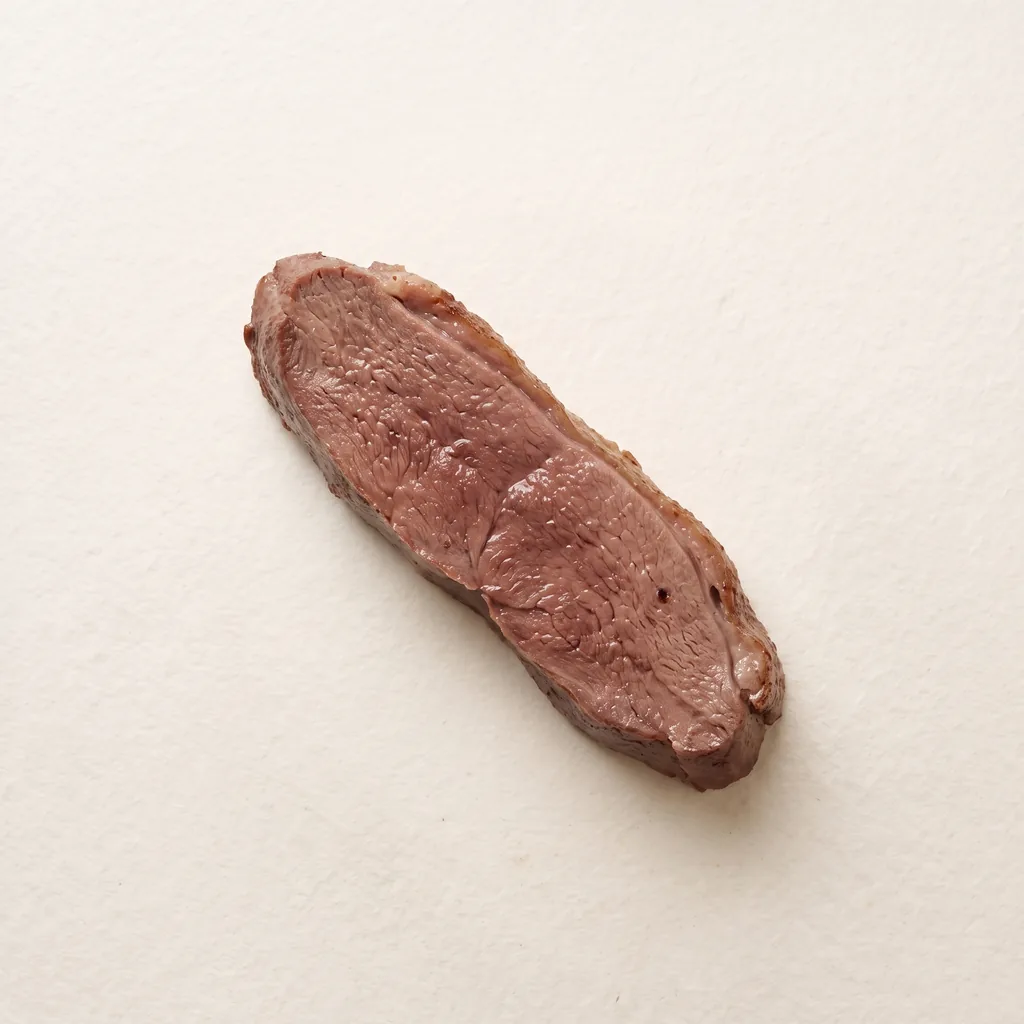
Goose prepared for a baby

About goose

Farm-raised birds supply most of the meat, eggs, fat and liver. Both wild and domestic geese are edible, though each needs its own cooking method. Domestic goose is fattier, softer and less dense. Wild goose muscles toughen during seasonal migration.

Goose is a good source of protein and fat, including omega-3. Among its nutrients are iron, zinc, selenium, choline and the vitamins E, B6 and B12.

Also known as: kaz, kaz eti, kaz but, evcil kaz

  • Gluten-free
  • Contains meat

How to prepare it by age

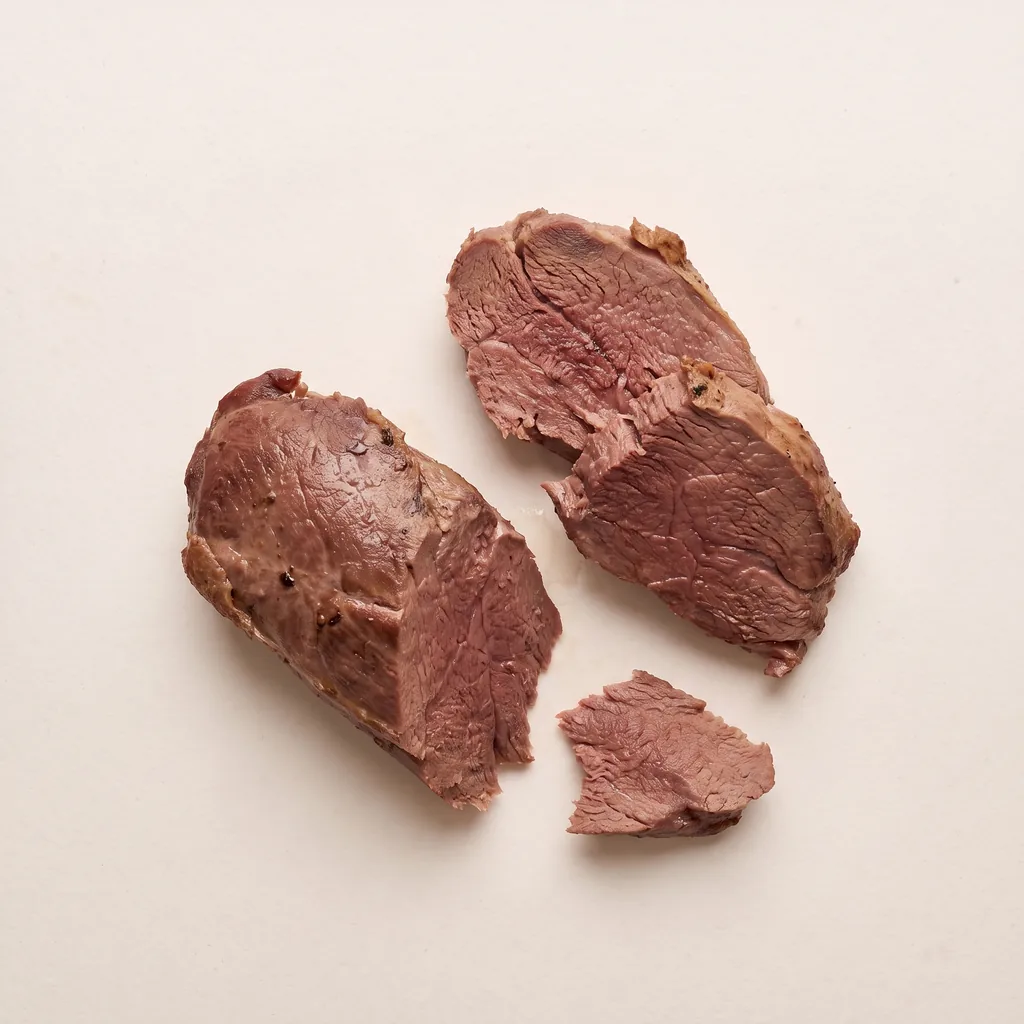
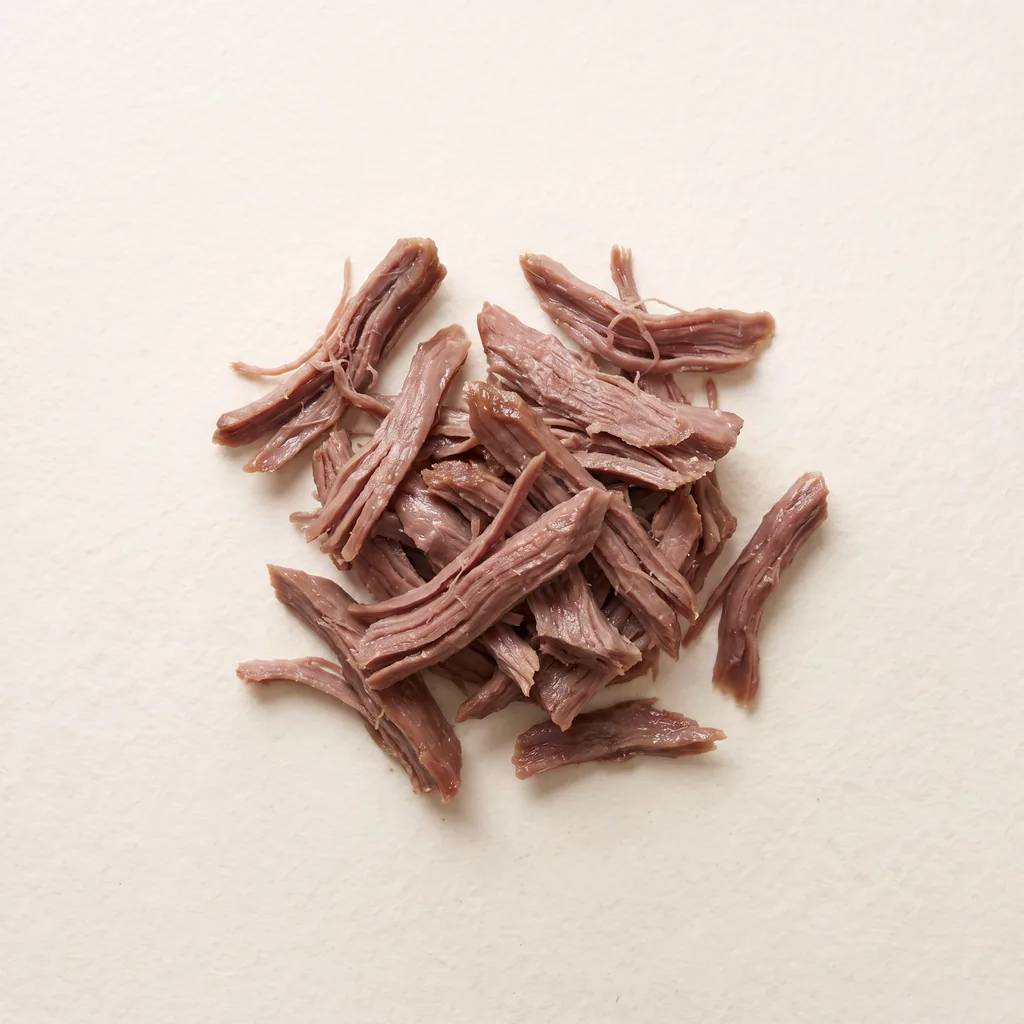
6 monthsStrip

Goose prepared for 6 months

Cut: Finger strip

Remove the bone, skin and loose cartilage from cooked goose, then cut long flat strips about two adult fingers wide. Cooked goose can be tough, so your baby may swallow little and the meat will work more like a teether. Exploring with the mouth is still useful. If your baby bites off a big piece, stay calm and let them push it out with the tongue. You can also hand over a drumstick bone stripped of meat, cartilage and skin to gnaw on. Skip goose dishes made with a honey glaze.
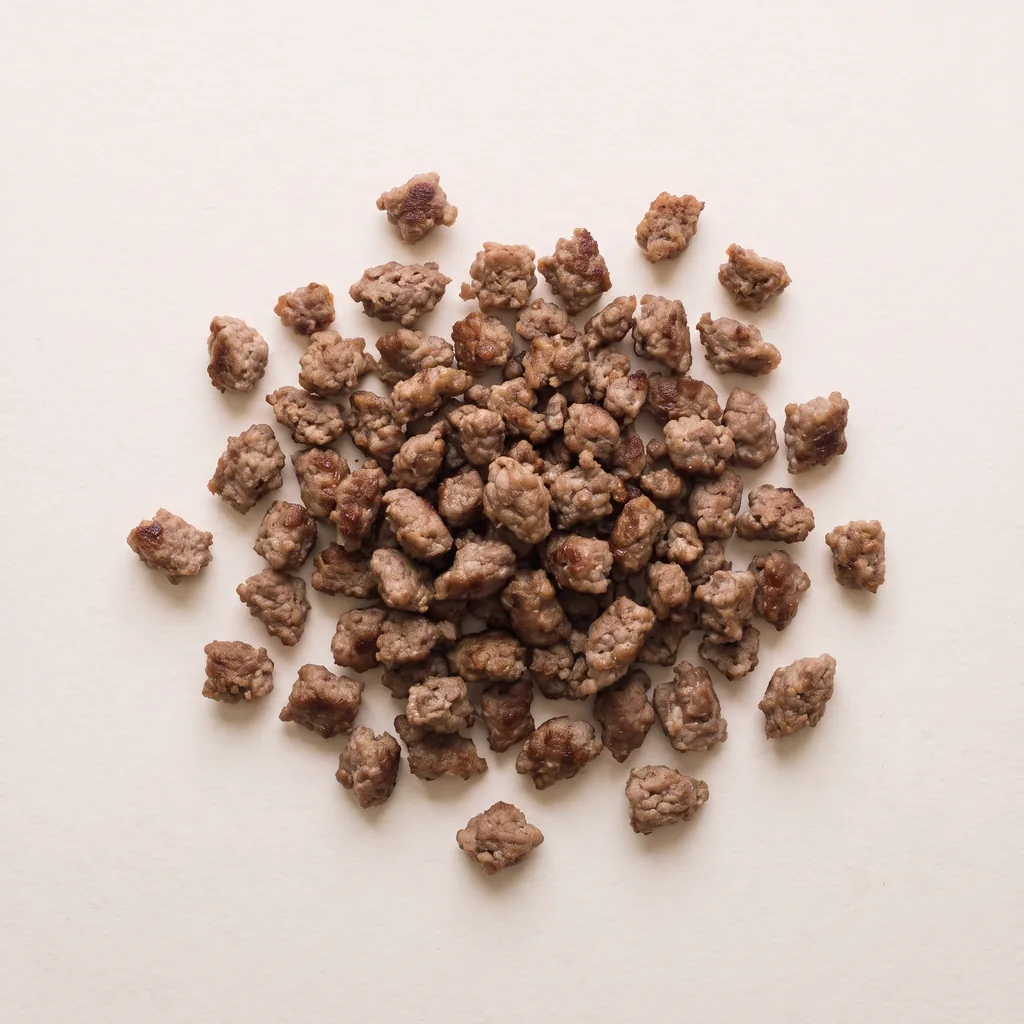
9 monthsCube

Goose prepared for 9 months

Shred cooked goose or chop it finely. Offer it by itself or within a dish. Do not offer cubes of meat. Do not panic if your baby crams in a lot of food. At this age it is normal, and it is how they find out what a full mouth feels like. Still avoid goose dishes with a honey glaze.

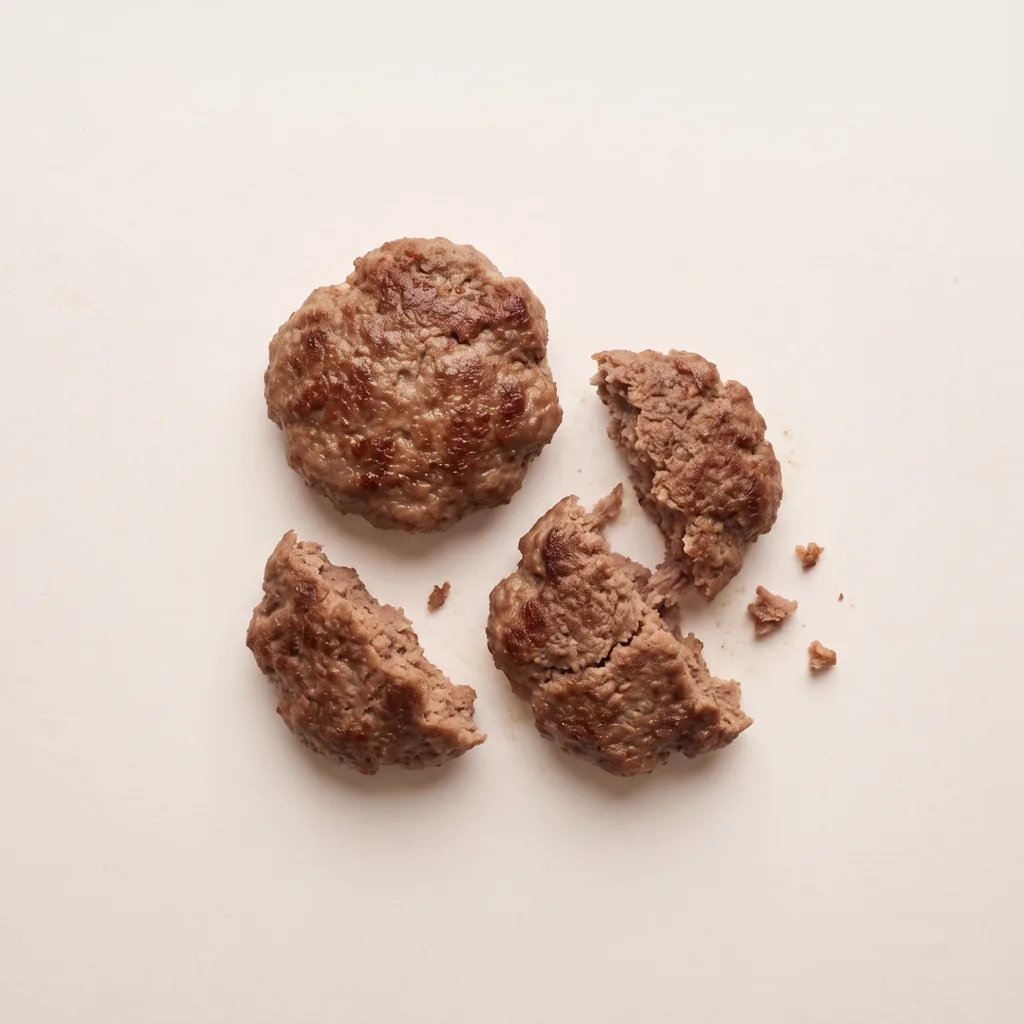
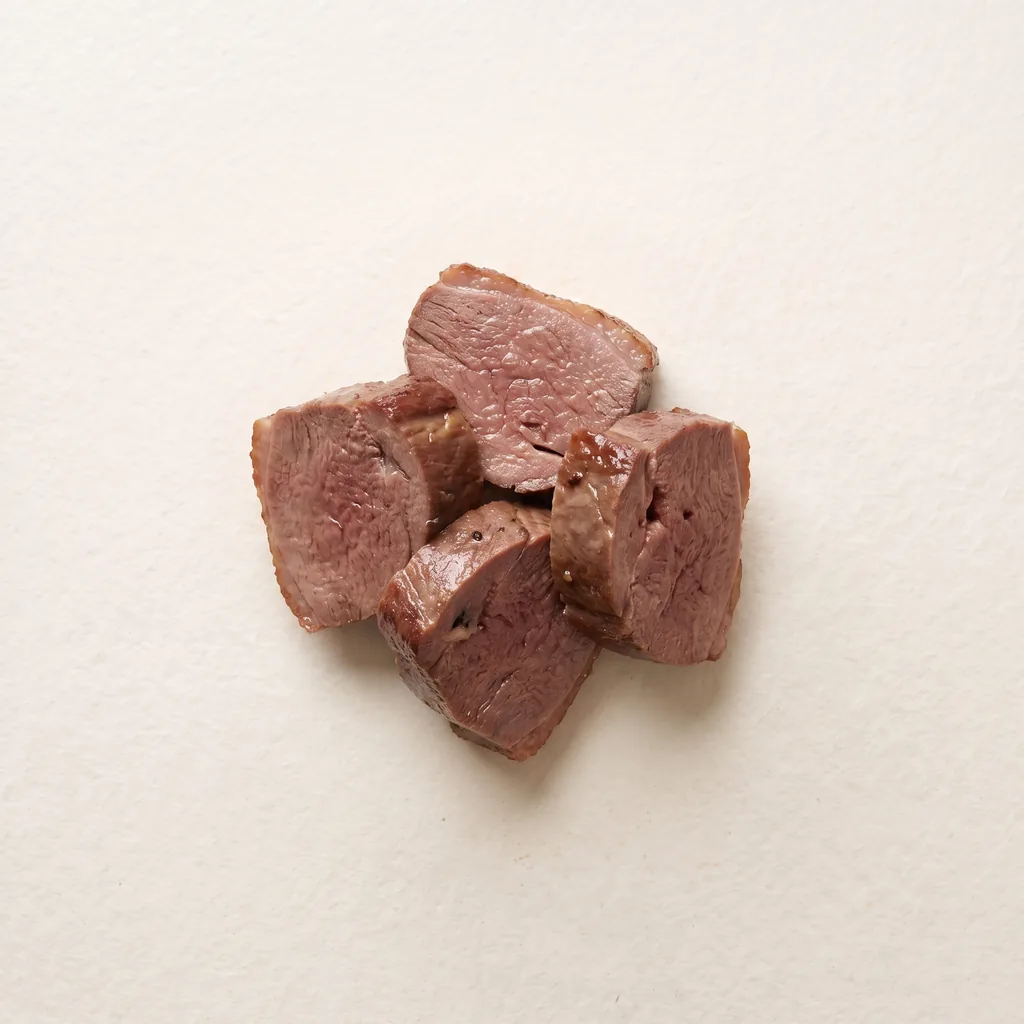
12 monthsCube

Goose prepared for 12 months

Cut: Bite sized piece

Cut goose into bite-sized pieces so your toddler can practise picking them up with fingers or a fork. When you trust their biting and chewing, offer a whole drumstick. Take off the skin, loose cartilage and fatty pieces first.

Choking risk

  1. Low
  2. Medium
  3. High

Goose can be firm and hard to chew. These traits raise the choking risk.

Do not cut it into chunks or cubes. Give strips at 6 months, shreds or fine pieces at 9 months and bite-sized pieces at 12 months. Do not overcook it. Stay within arm's reach of your baby during meals.

Allergen information

Food allergy to goose is uncommon. Still, people allergic to chicken may have a higher risk of goose allergy because of cross-reacting allergen proteins.

Goose is not often reported as an FPIES trigger. But chicken and turkey, close relatives of goose, are known triggers. FPIES brings delayed vomiting. It starts two to four hours after the meat is eaten and sometimes comes with diarrhea.

Some people with known feather and egg allergy test positive to poultry meat. The allergen protein is sensitive to heat, so well-cooked meat usually causes no symptoms. That is why routine testing for goose is not recommended in egg allergy.

As with any new food, start with a small amount for the first meals and raise it over later meals if nothing happens.

Frequently asked questions

Is goose a common allergen?

Food allergy to goose is uncommon. Still, people allergic to chicken may have a higher risk of goose allergy because of cross-reacting allergen proteins.

How do you prepare goose for babies?

For a 6-month-old: Remove the bone, skin and loose cartilage from cooked goose, then cut long flat strips about two adult fingers wide. Cooked goose can be tough, so your baby may swallow little and the meat will work more like a teether. Exploring with the mouth is still useful. If your baby bites off a big piece, stay calm and let them push it out with the tongue. You can also hand over a drumstick bone stripped of meat, cartilage and skin to gnaw on. Skip goose dishes made with a honey glaze.
Is goose a choking hazard for babies?

Goose can be firm and hard to chew. These traits raise the choking risk.

When can a baby eat goose?

Well-cooked goose can be offered from about 6 months.

Is goose rich in iron?

Yes. It provides iron, zinc, selenium, B12 and other nutrients.

Can a baby with chicken allergy eat goose?

Cross-reaction is possible. Ask an allergist first.

How long should goose be cooked?

Cook until the inside reaches 74 C. Do not overcook it, since dry meat is harder to chew.

Prepared by the Lokmini team | Last updated November 17, 2026

Share:WhatsApp

Want to add this food to your baby's solid food calendar?

Join Lokmini to learn how this food is served at each age and to keep track of every food your baby tries.

Join Lokmini

Starting Solids

When and how to start solids, and what happens in the first week?

Read the guide

Similar foods

Let's get ready for the first bite together

Lokmini builds a day-by-day plan for your baby's age. Leave your email for new guides and our newsletter.

Start Your Journey