Skip to content

Dietitian's view

When giving grapefruit, be careful about its interaction with medications.

Lokmini is not a healthcare provider and does not offer health services. For your baby's specific needs, talk to your doctor or a dietitian.

  • Fruits
  • 6 mo+
  • Medium choking risk

Grapefruit for babies: when to start

Grapefruit can be offered once your baby is about 6 months old and ready for solids. Juice from grapefruit and other sour fruits may leave a harmless red patch where it touches skin, and may add to diaper rash.

  • Vitamin C
  • Vitamin A
  • Vitamin B6
  • Potassium
  • Folate
  • Lycopene
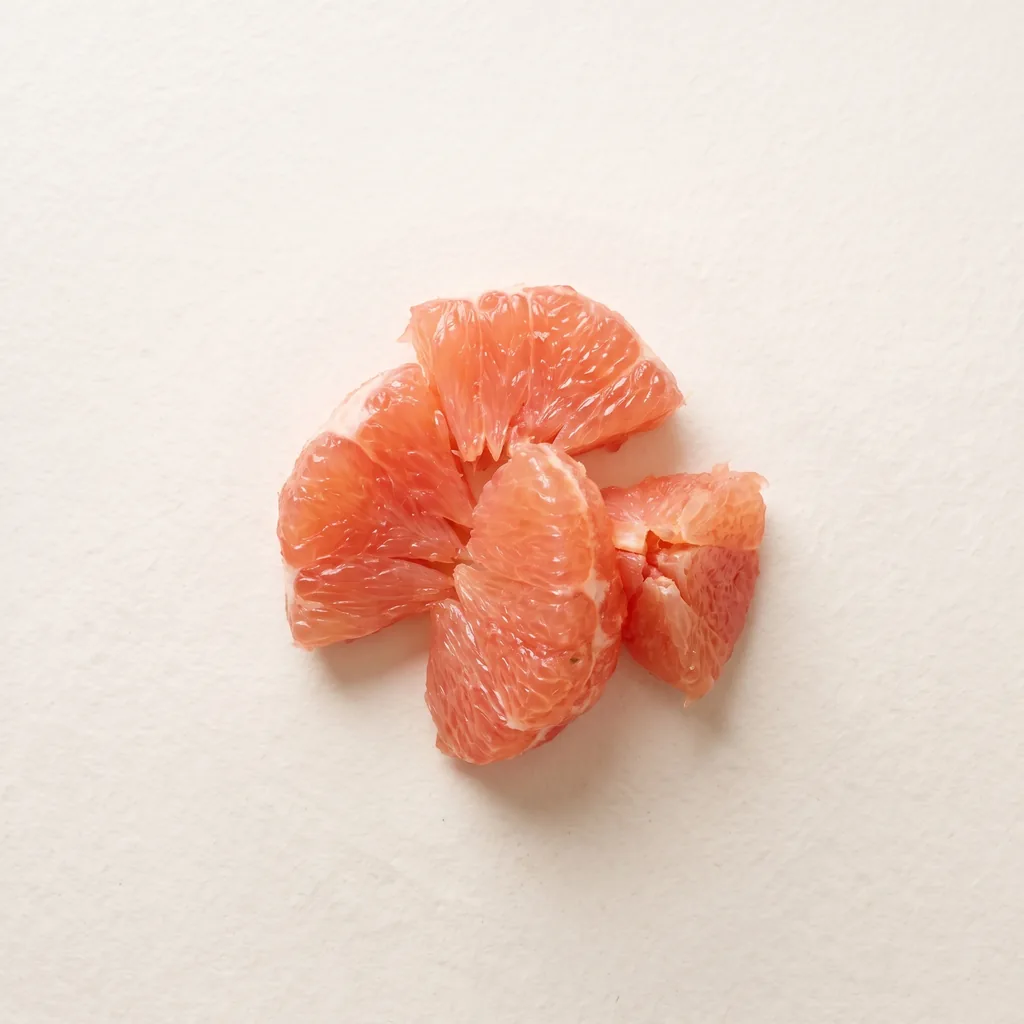
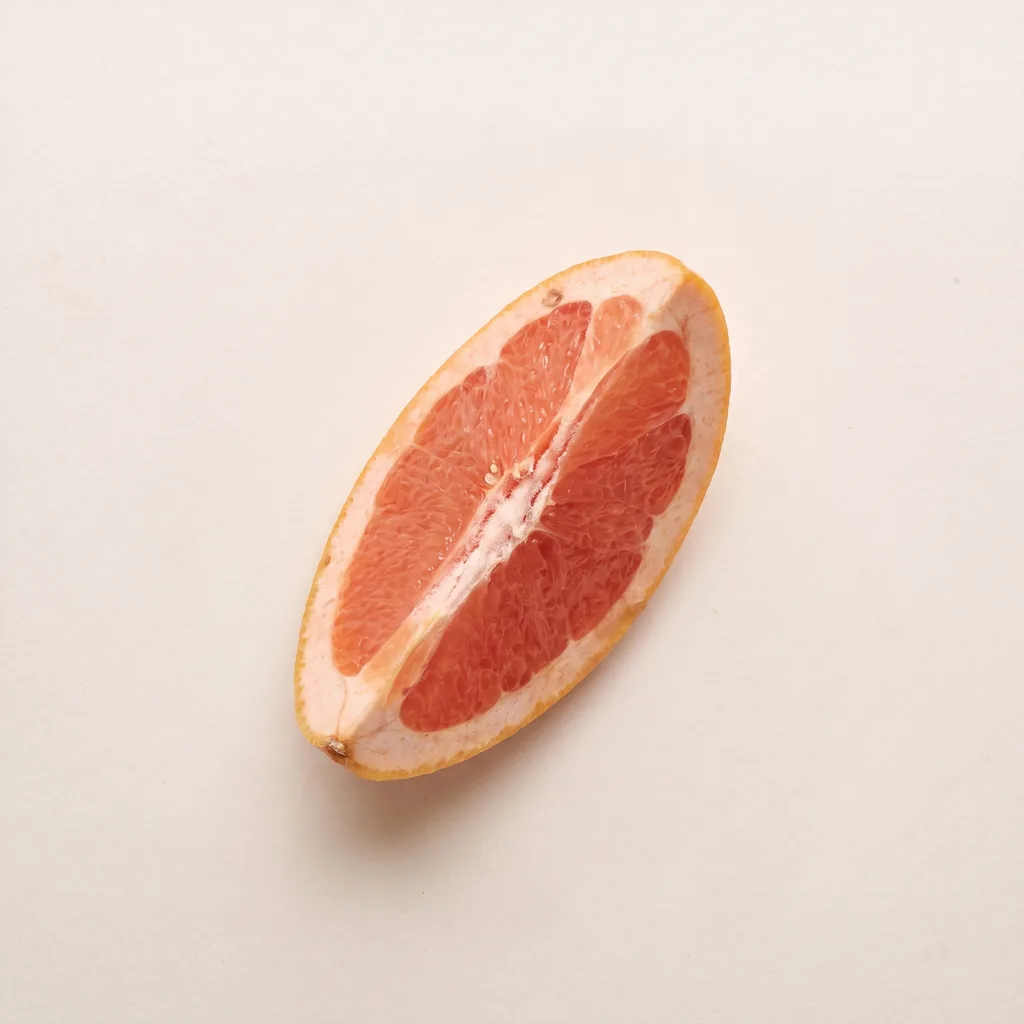
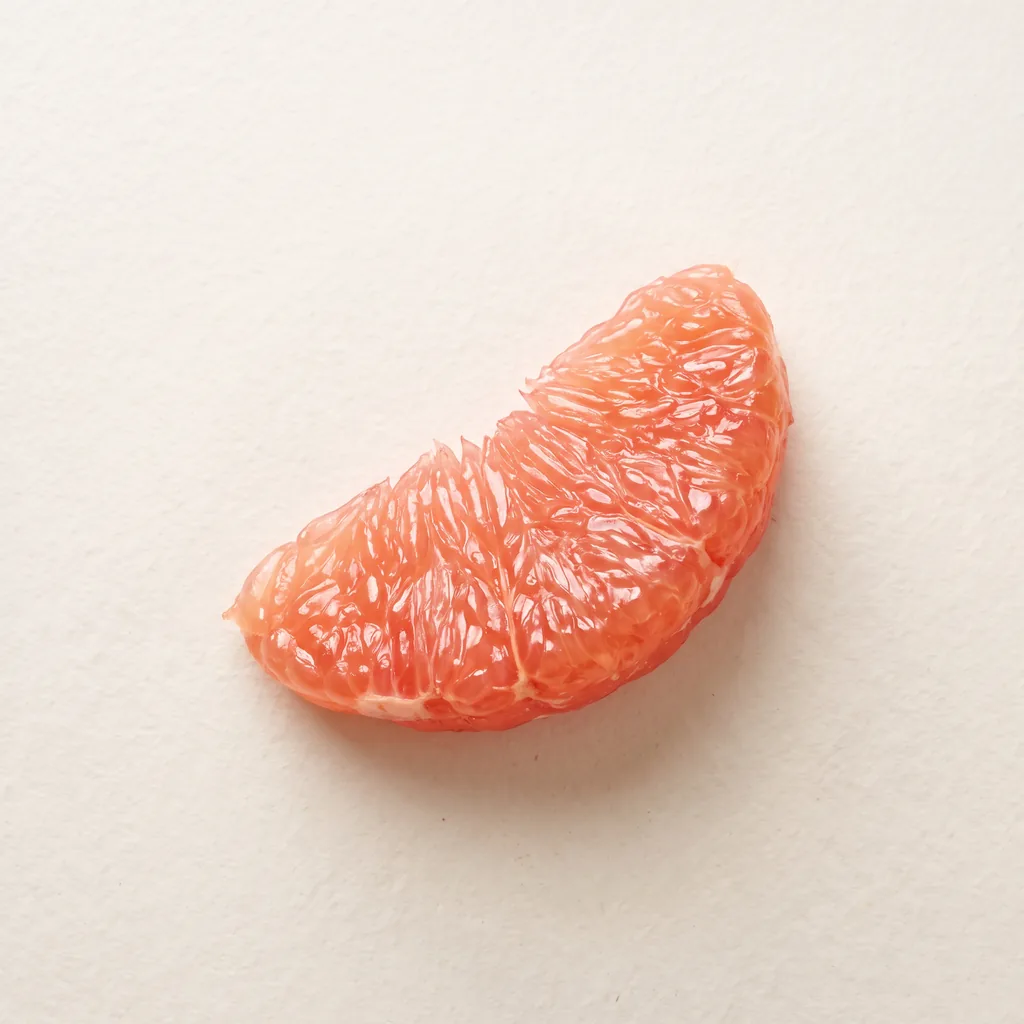
Grapefruit prepared for a baby

About grapefruit

Grapefruit is a citrus hybrid that originated on the Caribbean Islands. This bittersweet fruit is a cross between sweet orange and tart pomelo. Crosses that came from it include tangelo, oroblanco, minneola and uglifruit.

It is high in carbohydrates and fluid, and has fiber too. It has vitamins A, B6 and C, potassium, folate and antioxidants such as lycopene.

Also known as: greyfurt, grapefruit, altıntop, pembe greyfurt

  • Gluten-free
  • Vegan

How to prepare it by age

6 monthsSlice

Grapefruit prepared for 6 months

Peel the grapefruit, take off the membranes and seeds, and serve whole segments. Should your baby tear off a large chunk, keep your composure: this is part of learning. Let them push the food out with their own tongue. Keep your fingers out of their mouth, since that can shove the food deeper.

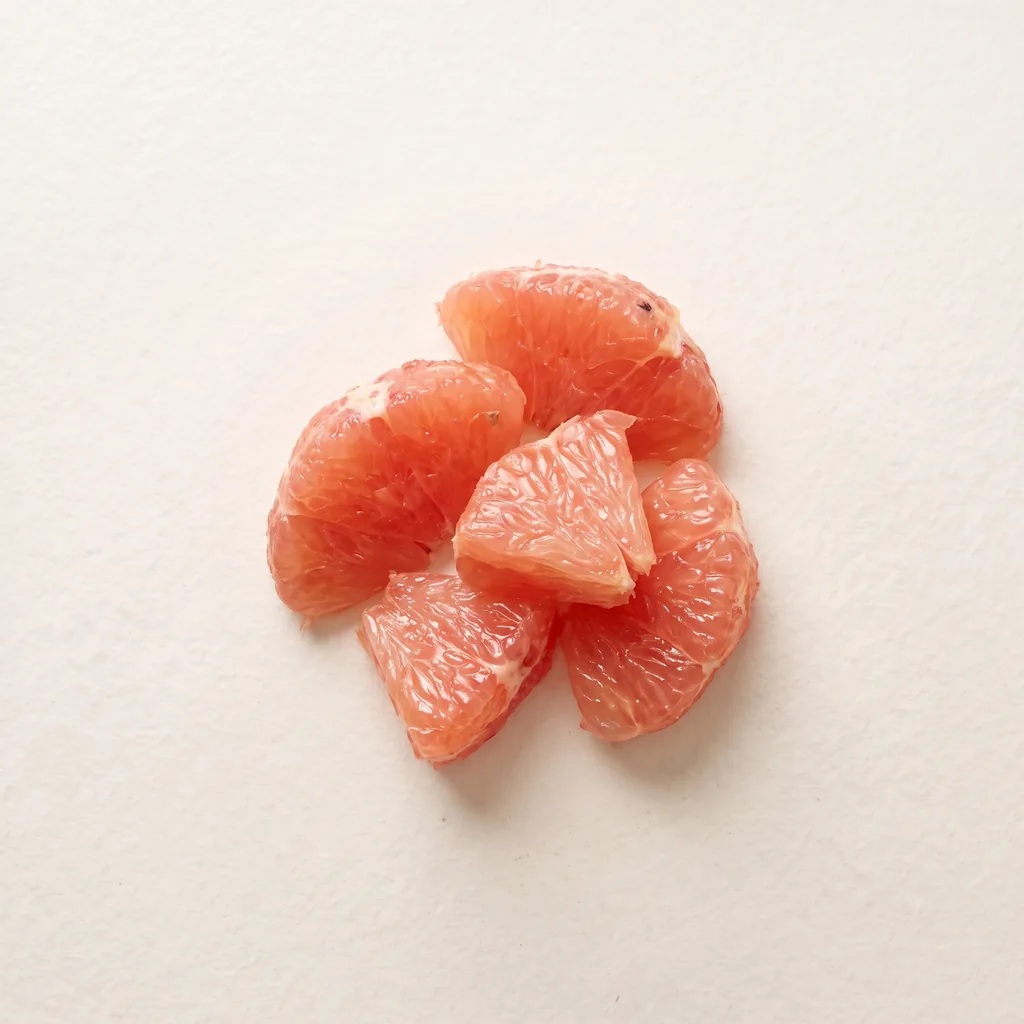
9 monthsCube

Grapefruit prepared for 9 months

Remove the membrane and seeds from grapefruit segments, then offer them as bite-size pieces or thin slices. This size builds the pincer grasp.

12 monthsCube

Grapefruit prepared for 12 months

Cut: Bite sized piece

Cut peeled, seedless grapefruit into small bite-sized chunks and hand over a fork so your child gets used to cutlery.

Choking risk

  1. Low
  2. Medium
  3. High

Citrus segments with the membrane left on pose a choking hazard to children and babies. A seed can be breathed in by accident, which creates a risk of aspiration.

To lower the risk, separate each segment from its membrane and take out any seeds. Stay within arm's reach during meals.

Allergen information

Grapefruit is not a common food allergen. Medical literature around the world often describes a self-reported sensitivity to citrus.

People with oral allergy syndrome (pollen food allergy) may react to citrus fruits, grapefruit among them. People allergic to grass and some tree pollens may be especially sensitive to citrus. It typically brings a short spell of itching, tingling or stinging in the mouth, and a serious reaction is unlikely. Peeling the grapefruit can help reduce the reaction.

Sour fruits may leave a harmless red mark on skin they contact. It usually fades soon. The acid can also irritate a baby's digestive tract and, in excess, start or worsen diaper rash. A barrier ointment, for example plain petroleum jelly or a balm of plant oil and wax, applied to the face and diaper area before the meal protects the skin. Limonene, a known contact allergen in grapefruit peel, may lead to allergic contact dermatitis in sensitized people.

Grapefruit is also linked to phytophotodermatitis. If the juice stays on the skin unwashed, compounds in it are activated by sunlight. The skin develops a pigmented, itchy and sometimes blistering, painful rash. Washing the skin after handling citrus and covering it from the sun prevents it.

As with any new food, start with a small amount for the first meals and raise it over later meals if nothing happens.
Frequently asked questions

Is grapefruit a common allergen?

Grapefruit is not a common food allergen. Medical literature around the world often describes a self-reported sensitivity to citrus.

How do you prepare grapefruit for babies?

For a 6-month-old: Peel the grapefruit, take off the membranes and seeds, and serve whole segments. Should your baby tear off a large chunk, keep your composure: this is part of learning. Let them push the food out with their own tongue. Keep your fingers out of their mouth, since that can shove the food deeper.

Is grapefruit a choking hazard for babies?

Citrus segments with the membrane left on pose a choking hazard to children and babies. A seed can be breathed in by accident, which creates a risk of aspiration.

When can a baby have grapefruit?

From around 6 months, once the peel, membrane and seeds are taken out.

Does grapefruit interact with medication?

Yes, it can affect how the body breaks down some medications. If your baby takes any, talk to your doctor or a dietitian about your baby's specific needs first.

Can grapefruit juice harm the skin?

If it stays on the skin unwashed and meets sunlight it can cause an itchy, sometimes blistering rash called phytophotodermatitis. Clean the skin and protect it from sun.

Can grapefruit cause diaper rash?

Its acid can start or worsen diaper rash in excess. A barrier ointment helps.

Prepared by the Lokmini team | Last updated November 18, 2026

Share:WhatsApp

Want to add this food to your baby's solid food calendar?

Join Lokmini to learn how this food is served at each age and to keep track of every food your baby tries.

Join Lokmini

Starting Solids

When and how to start solids, and what happens in the first week?

Read the guide

Similar foods

Let's get ready for the first bite together

Lokmini builds a day-by-day plan for your baby's age. Leave your email for new guides and our newsletter.

Start Your Journey