Skip to content

Uzm. Dyt. Berk AysanPrepared the latest update, November 14, 2026

Lokmini is not a healthcare provider and does not offer health services. For your baby's specific needs, talk to your doctor or a dietitian.

  • Fruits
  • 6 mo+
  • High choking risk

Honeydew melon for babies: when to start

Honeydew melon (Cucumis melo, Inodorus group) can be offered when your baby is about 6 months old and developmentally ready for solids. It should be ripe, soft and prepared to suit your baby's chewing skills. Round melon balls in particular are a choking risk, so do not serve it that way.

  • Potassium
  • Folate
  • Vitamin B6
  • Vitamin C
  • Antioxidants
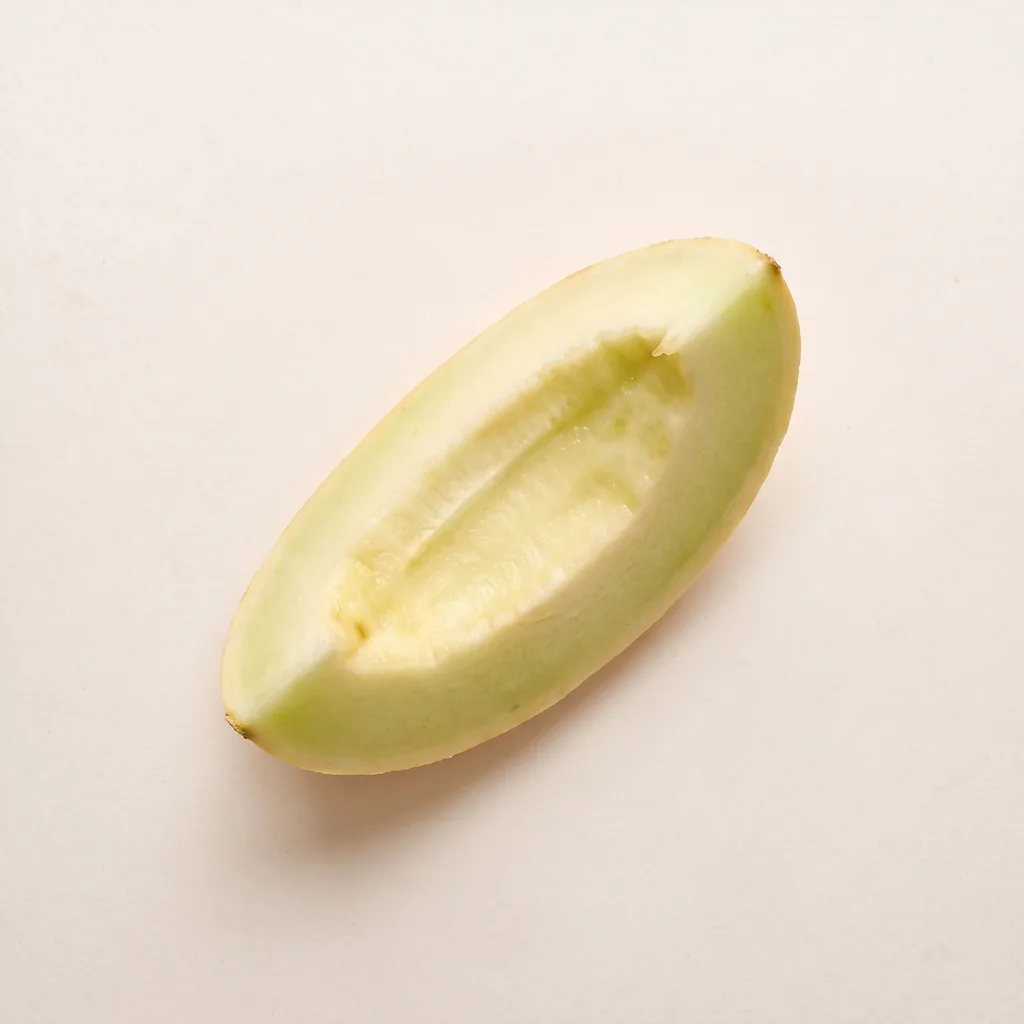
Honeydew melon prepared for a baby

About honeydew melon

Honeydew belongs to the gourd family (Cucurbitaceae). It is one of several variety groups of the same species as cantaloupe, canary and casaba melons. The origin and domestication of melon are linked with different regions, and there is no firm agreement on a single place of origin. Today it is grown in many parts of the world.

Nutrition

Honeydew has a high water content and provides carbohydrates. It contains vitamin C and potassium in particular, with smaller amounts of folate and vitamin B6.

Honeydew also contains various phenolic compounds and plant components with antioxidant properties. However, there is not enough clinical evidence that these compounds give babies any specific benefit through eating honeydew.

Also known as: bal kavunu, honeydew, honeydew kavun, yeşil kavun, kış kavunu

  • Gluten-free
  • Vegan

How to prepare it by age

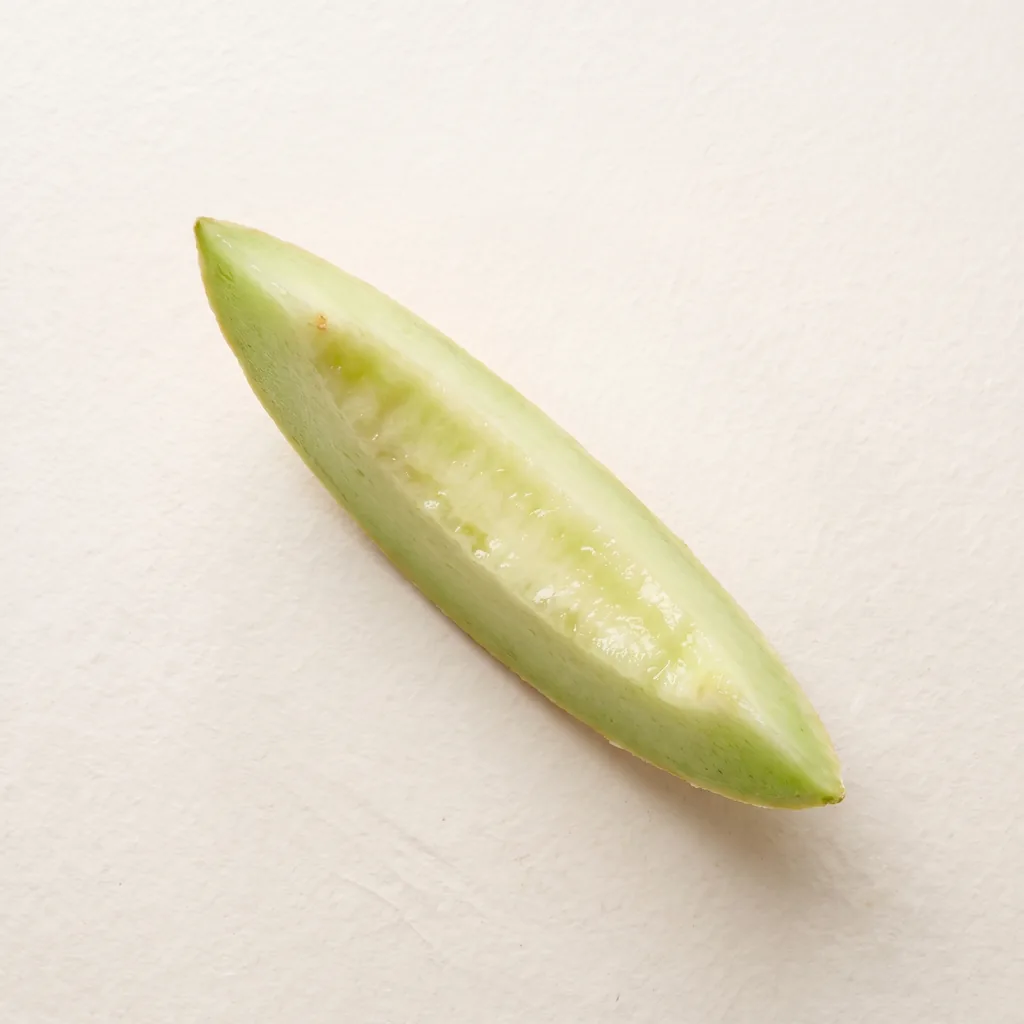
6 monthsStrip

Honeydew melon prepared for 6 months

Cut: Thick wedge

Cut long, flat crescents or rectangles from soft, ripe honeydew, with seeds and rind removed. Lift a piece up within your baby's reach, so your baby can grab it and steer it to the mouth alone. Even ripe melon can be hard to chew, so do not worry if your baby eats little at first. Skip melon balls and large chunks.

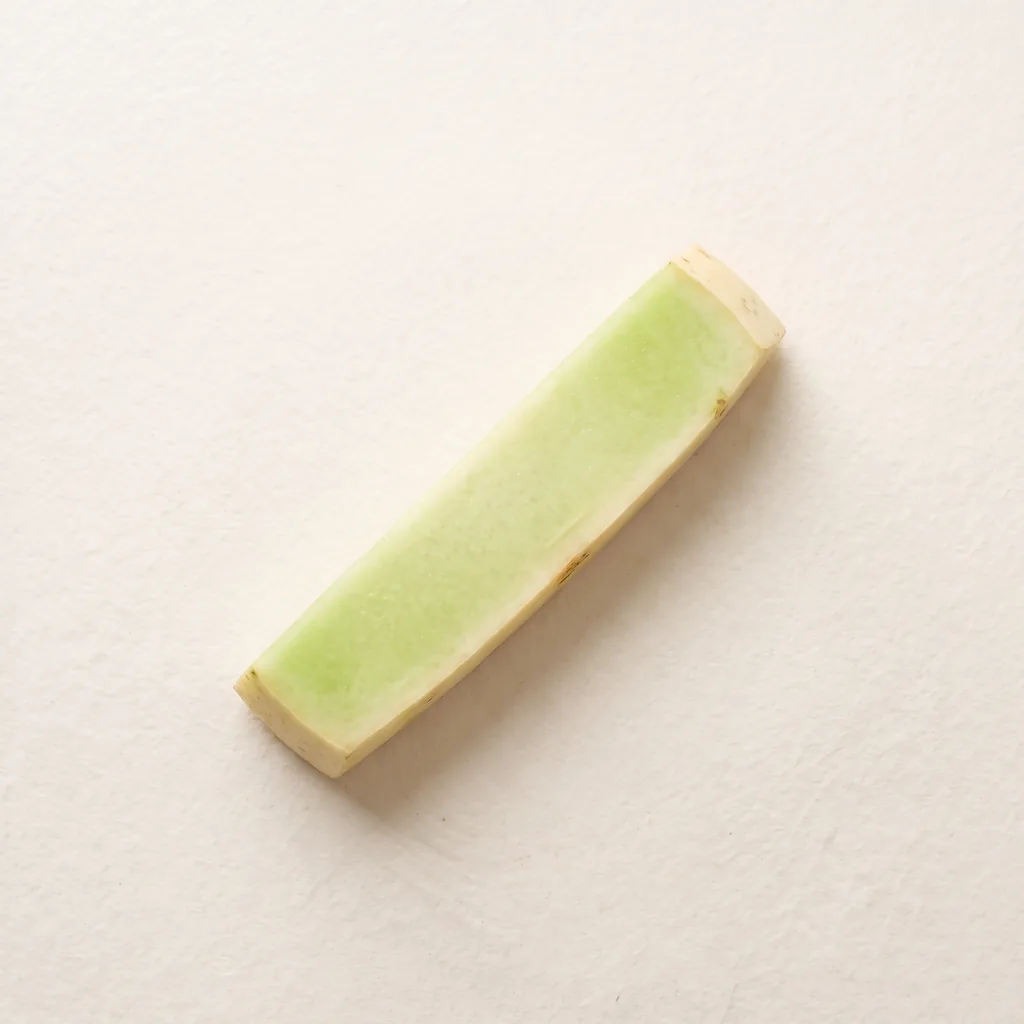
9 monthsStrip

Honeydew melon prepared for 9 months

Cut: Finger strip

Cut flat rectangles about as wide as two adult fingers side by side. You can keep offering flat crescents. Seeds and rind come off, and the fruit should be soft and ripe. Keep avoiding melon balls and large chunks.

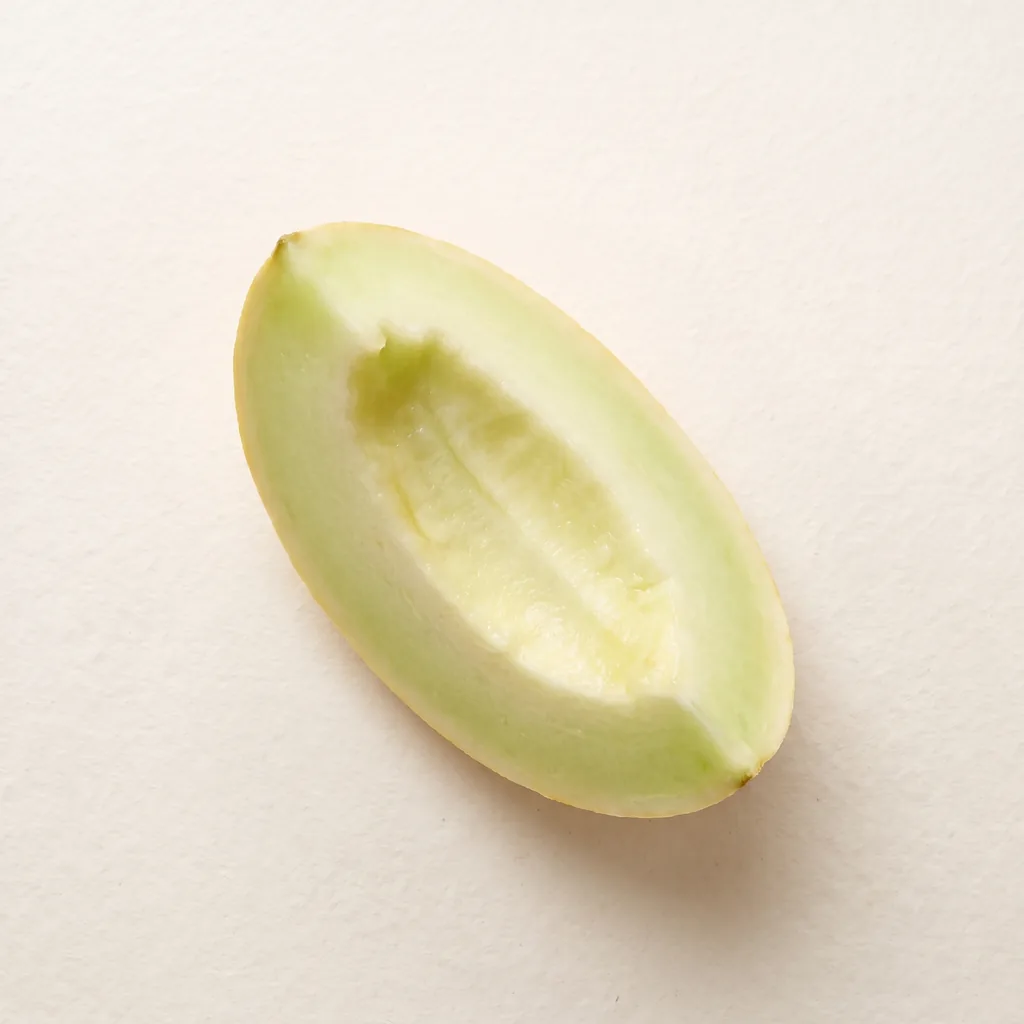
12 monthsStrip or slice or cube

Honeydew melon prepared for 12 months

Cut: Finger strip

Keep serving ripe melon in long, thin pieces with seeds and rind taken off. Your child bites off what they want. Melon balls and large slippery chunks are still risky, so do not cut them.

After about 18 months, if your child follows directions and chews well, you can try a large wedge on the rind. Before you cut it, wash the rind, and pick out any seeds that remain. Show your child how to bite the fruit without biting the rind. At first you may need to hold the rind.

Around age 2 a child may move on to the melon chunks sold in ready-made containers. The chunks are slippery and can be as big as a child's mouth. So the child should first have these skills: biting food into smaller pieces, using the tongue to move food to the back teeth, chewing well, and handling food that breaks apart in the mouth, spitting it out when needed. Before handing over a chunk, show how you bite and chew it.

Choking risk

  1. Low
  2. Medium
  3. High

Honeydew can be a choking risk for babies and young children, especially when it is firm and slippery. Round melon balls, large chunks and firm, unripe melon raise this risk.

To lower the choking risk, choose ripe, soft melon that mashes easily. When starting solids, you can offer it mashed, puréed, or as long, thick, soft slices your baby can grasp. As grasping and chewing skills develop, you can give small, soft, flat pieces. Avoid melon balls and firm, large pieces.

Your baby should sit upright throughout the meal and be supervised the whole time. Stay beside them, within arm's reach, while they eat. Do not let them eat while walking, playing or on the move.

No melon balls

Melon balls and large chunks are high risk because they are firm and slippery. Cut long, flat slices.

Allergen information

Honeydew is not a common food allergen, but it can rarely cause allergic reactions. Cross-reactions with melon can occur, especially in people sensitive to ragweed pollen. This is linked to pollen food allergy syndrome and is seen more in older children and adults who have developed pollen sensitivity than in babies.

In pollen food allergy syndrome, itching, tingling or mild swelling can occur in the mouth and throat. Symptoms are usually mild, but serious reactions can rarely develop. Cooking melon may weaken some allergenic proteins, but it does not fully stop allergic reactions.

In some babies, skin contact with melon can cause temporary redness around the mouth or on the hands. This does not always mean an allergy. Gently cleaning the skin after contact may be enough. If irritation keeps coming back, you can ask your baby's doctor about using a suitable barrier product.

When you offer your baby honeydew for the first time, start with a small amount and watch for possible reactions. If hives, swelling of the lips or face, or repeated vomiting develop, stop giving it and get urgent medical care. If there are serious signs such as trouble breathing or swelling of the tongue or throat, call emergency services right away.

Frequently asked questions

What age can babies eat honeydew melon?

Honeydew melon (Cucumis melo, Inodorus group) can be offered when your baby is about 6 months old and developmentally ready for solids. It should be ripe, soft and prepared to suit your baby's chewing skills. Round melon balls in particular are a choking risk, so do not serve it that way.

Is honeydew melon a common allergen?

Honeydew is not a common food allergen, but it can rarely cause allergic reactions. Cross-reactions with melon can occur, especially in people sensitive to ragweed pollen. This is linked to pollen food allergy syndrome and is seen more in older children and adults who have developed pollen sensitivity than in babies.

How do you prepare honeydew melon for babies?

For a 6-month-old: Cut long, flat crescents or rectangles from soft, ripe honeydew, with seeds and rind removed. Lift a piece up within your baby's reach, so your baby can grab it and steer it to the mouth alone. Even ripe melon can be hard to chew, so do not worry if your baby eats little at first. Skip melon balls and large chunks.

Is honeydew melon a choking hazard for babies?

Honeydew can be a choking risk for babies and young children, especially when it is firm and slippery. Round melon balls, large chunks and firm, unripe melon raise this risk.

Why wash the rind of honeydew?

Melon rind can carry microorganisms from soil or the environment. Washing the rind under running water and scrubbing it with a clean produce brush before cutting lowers the risk of the knife carrying them into the fruit. You do not need soap, detergent or a special produce wash.

How can I tell if the melon is ripe?

Choose melons that feel heavy for their size, with a firm rind, no mold and no obvious bruising. A light, sweet smell can be a sign of ripeness, but it is not enough on its own. The inside of the melon you serve your baby should be soft and easy to mash.

Does my baby need a high chair?

A high chair is not required, but it makes it easier for your baby to sit upright, steady and safe. You can use another seating setup too. What matters is that your baby's body is upright, they have head and neck control, and they are supervised the whole time they eat. Do not feed your baby while they are reclining or on the move.
Share:WhatsApp

Want to add this food to your baby's solid food calendar?

Join Lokmini to learn how this food is served at each age and to keep track of every food your baby tries.

Join Lokmini

Starting Solids

When and how to start solids, and what happens in the first week?

Read the guide

Similar foods

Let's get ready for the first bite together

Lokmini builds a day-by-day plan for your baby's age. Leave your email for new guides and our newsletter.

Start Your Journey