Skip to content

Dietitian's view

Kabocha squash is not common in Türkiye.

Lokmini is not a healthcare provider and does not offer health services. For your baby's specific needs, talk to your doctor or a dietitian.

  • Vegetables
  • 6 mo+
  • Low choking risk

Kabocha squash for babies: when to start

Kabocha can start when your baby is ready for solids, usually around 6 months. The word kabocha comes from Japanese and covers a group of related winter squashes. Squash is native to the Americas. It appears in both savory and sweet dishes across Asia.

  • Fiber
  • Folate
  • Vitamin B6
  • Vitamin A
  • Magnesium
  • Vitamin C
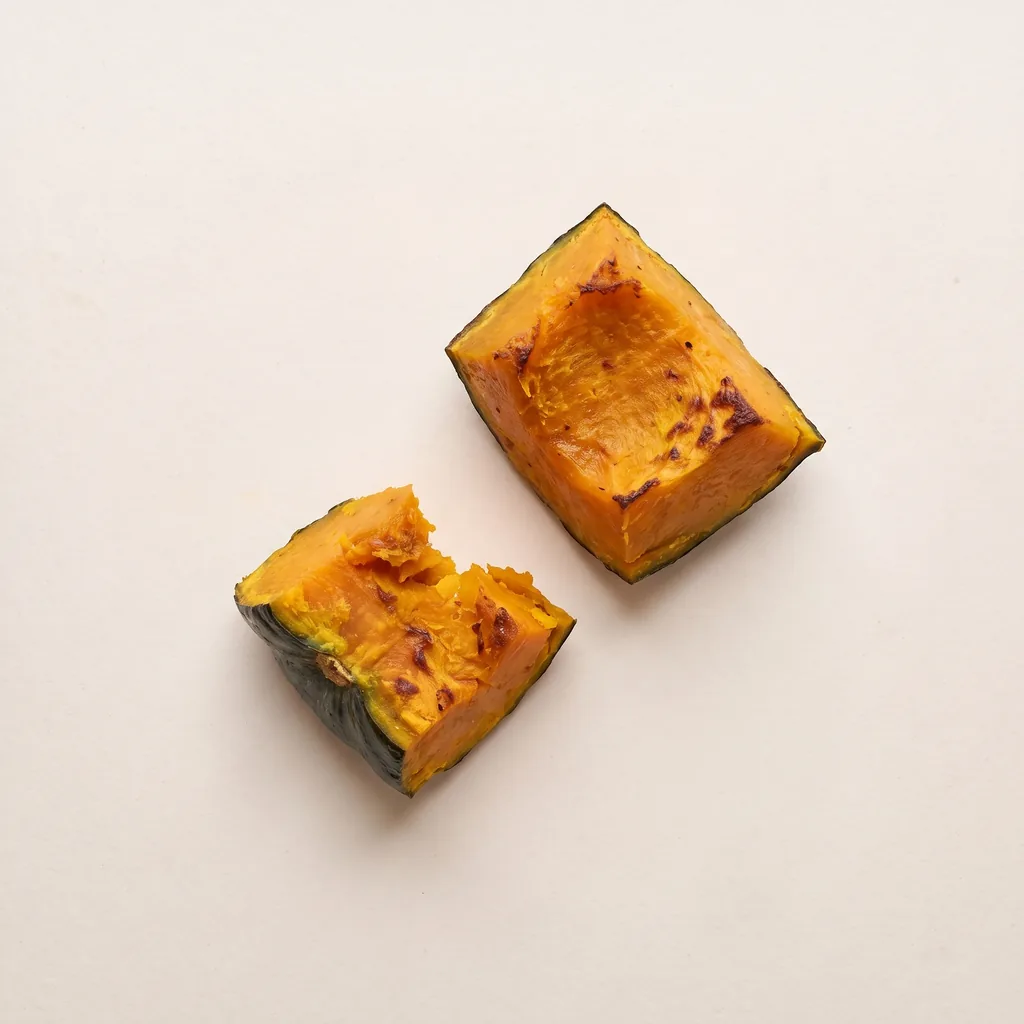
Kabocha squash prepared for a baby

About kabocha squash

Kabocha supplies fiber, folate, magnesium, and vitamins A, B6, and C. Vitamin C helps the body absorb iron from plant sources such as beans and seeds. Carotenoids turn into vitamin A in the body.

Also known as: kabocha, japon kabağı, japon balkabağı, kış kabağı, Japon kış kabağı

  • Gluten-free
  • Vegan

How to prepare it by age

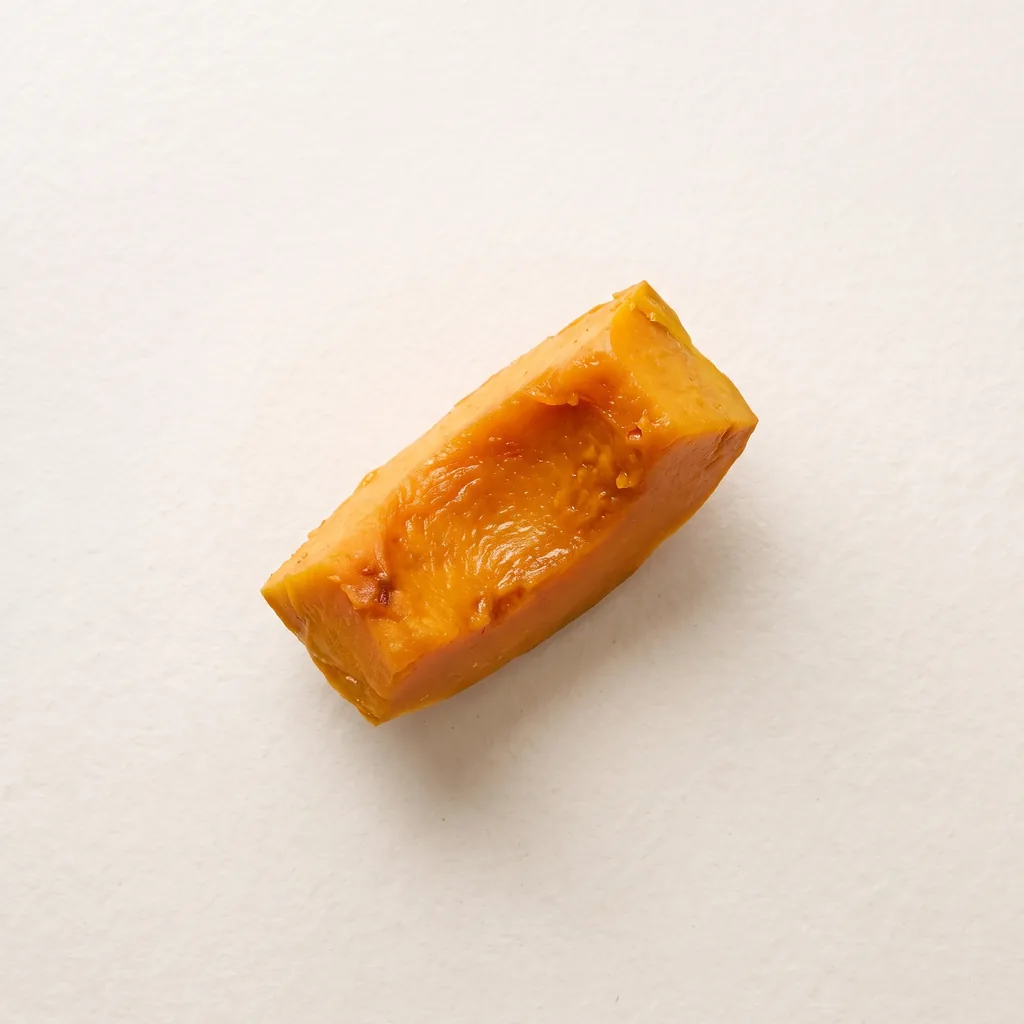
6 monthsStrip or mash
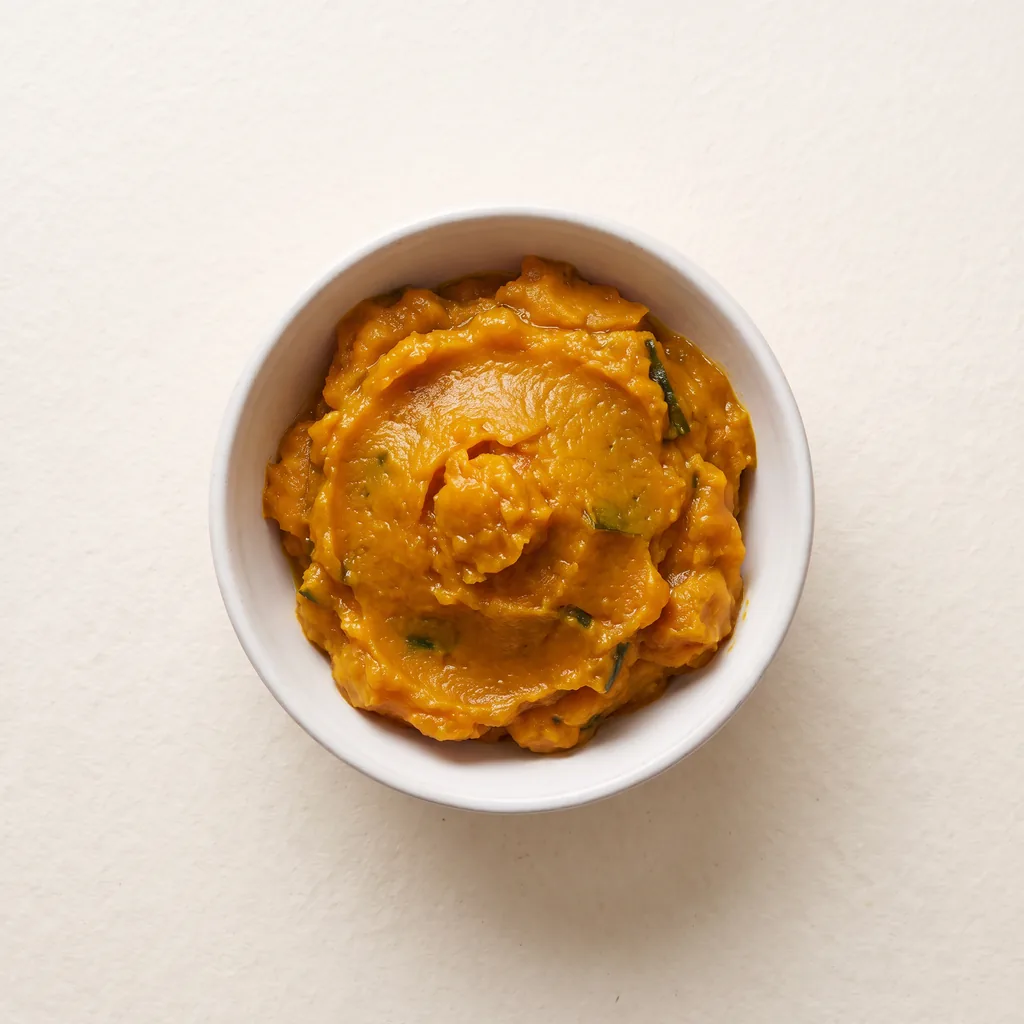
Kabocha squash prepared for 6 months

Cut: Thick wedge

Peel the squash, remove the seeds, and cut it into large crescent wedges. Cook the wedges thoroughly. They should be soft enough to mash under light pressure. Kabocha can stay dense after cooking, and simmering it in broth or sauce softens it. If your baby struggles to grip, hold the wedge in the air and let them take it.

Cut: Fork mashed

Mash well-cooked squash with a fork. Your baby can scoop it by hand or eat from a loaded spoon. If it feels stiff, loosen it with a little breast milk, formula or cooking water.
9 monthsCube

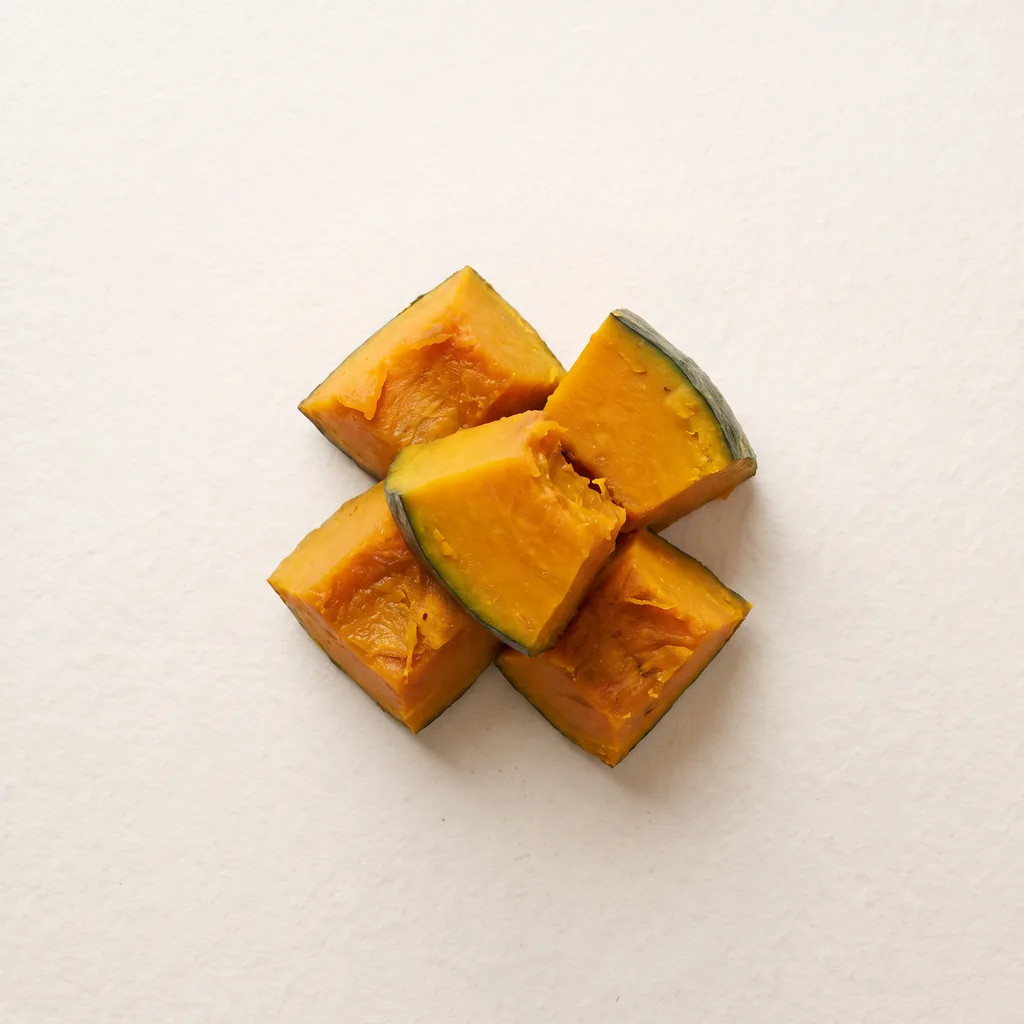
Kabocha squash prepared for 9 months

Cut: Bite sized piece

Cut peeled, seeded, well-cooked squash into bite-sized pieces. Your baby practices picking them up with the fingertips. You can keep offering cooked wedges for biting practice. A loaded spoon of mash also works.

12 monthsCube

Kabocha squash prepared for 12 months

Cut: Bite sized piece

Serve thoroughly cooked squash in bite-sized pieces, on its own or within a family meal. Try the peel only once your child chews well and moves food around with the tongue. This is a good age to try a fork or training chopsticks. Pre-load the utensil and rest it by the food, without pressure.

Choking risk

  1. Low
  2. Medium
  3. High

Well-cooked kabocha carries a low choking risk. In theory, any food can still cause choking. Prepare it in the way that matches your child's age. Stay close during meals, within arm's reach.

Allergen information

Winter squashes are not a common allergen. Allergy to eating them is uncommon but has been reported. Handling the squash can cause an itchy hand rash in some people. Wash your hands right after preparing it. For babies with very sensitive skin, apply a barrier cream to the face and diaper area before the meal.

People allergic to ragweed pollen or other members of the gourd family may also react. What you usually notice is a brief itch, tingle, or burn inside the mouth. Cooking, peeling and canning can lessen the reaction. Keep the first servings small.

Frequently asked questions

What age can babies eat kabocha squash?

Kabocha can start when your baby is ready for solids, usually around 6 months. The word kabocha comes from Japanese and covers a group of related winter squashes. Squash is native to the Americas. It appears in both savory and sweet dishes across Asia.

How do you prepare kabocha squash for babies?

For a 6-month-old: Peel the squash, remove the seeds, and cut it into large crescent wedges. Cook the wedges thoroughly. They should be soft enough to mash under light pressure. Kabocha can stay dense after cooking, and simmering it in broth or sauce softens it. If your baby struggles to grip, hold the wedge in the air and let them take it.

Is kabocha squash a choking hazard for babies?

Well-cooked kabocha carries a low choking risk. In theory, any food can still cause choking. Prepare it in the way that matches your child's age. Stay close during meals, within arm's reach.

Do I need to peel it?

The skin is edible but very tough. Peel it for younger babies. Try pieces with the skin on once your child chews well.

How can I peel it easily?

Halve it first, scoop out the seeds, and cut wedges. Peel the wedges before or after cooking.

Can kabocha cause an allergy?

Rarely. It may cause itchy hands or brief mouth itching. The chance is higher in people allergic to ragweed or the gourd family.

Prepared by the Lokmini team | Last updated November 17, 2026

Share:WhatsApp

Want to add this food to your baby's solid food calendar?

Join Lokmini to learn how this food is served at each age and to keep track of every food your baby tries.

Join Lokmini

Starting Solids

When and how to start solids, and what happens in the first week?

Read the guide

Similar foods

Let's get ready for the first bite together

Lokmini builds a day-by-day plan for your baby's age. Leave your email for new guides and our newsletter.

Start Your Journey