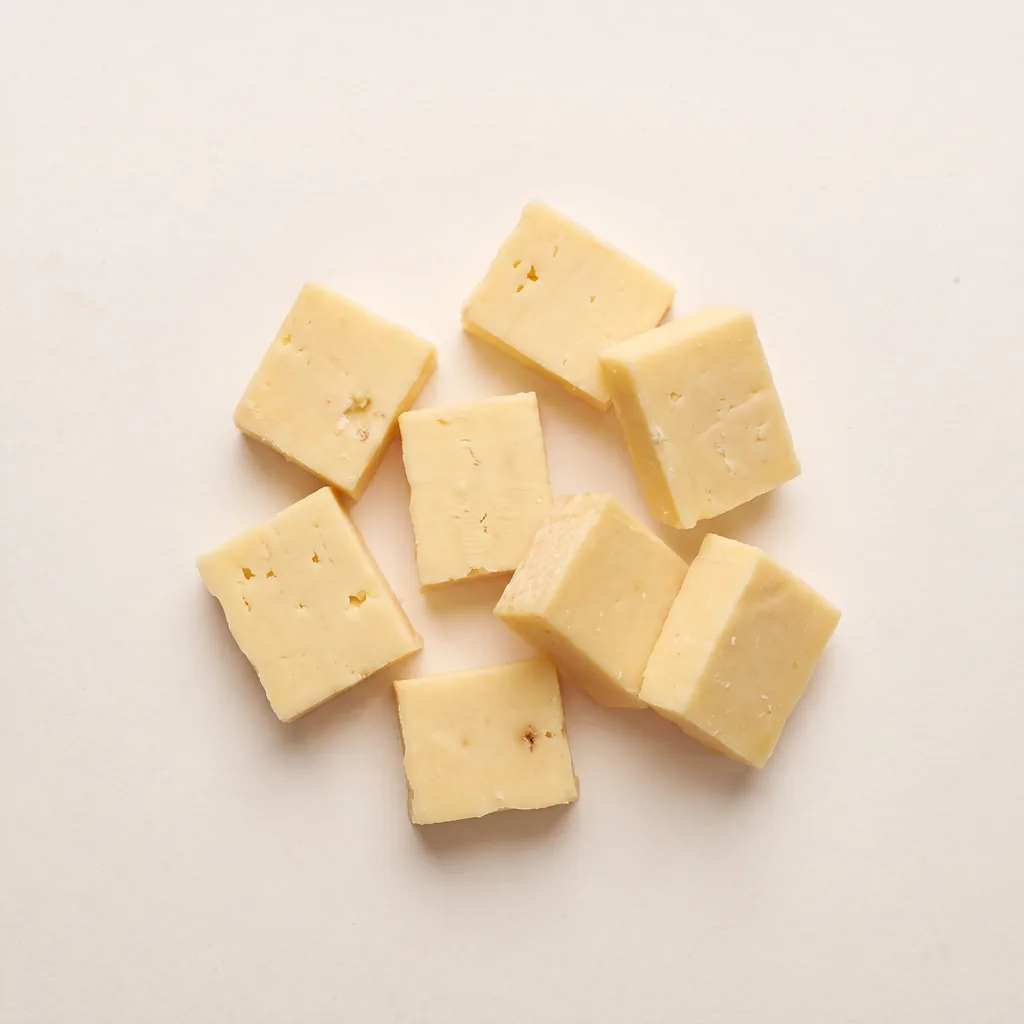
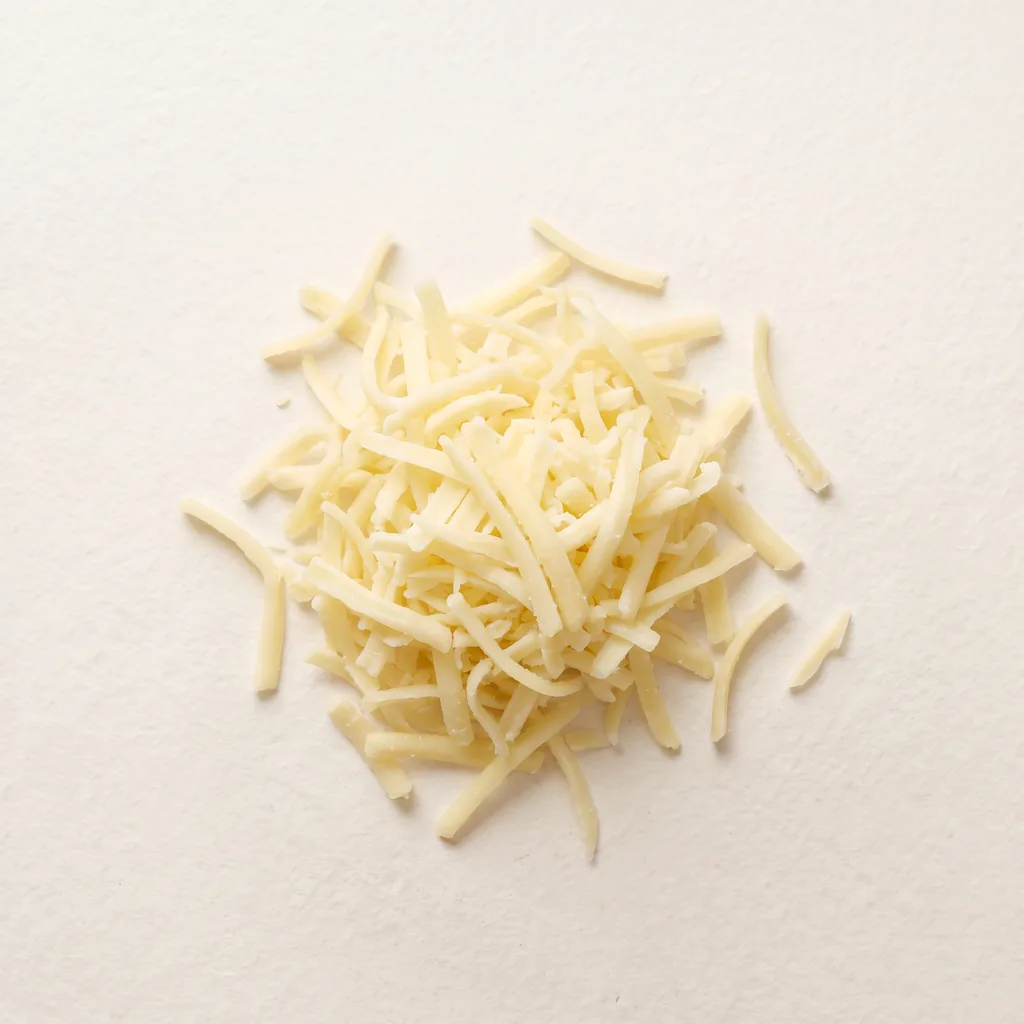
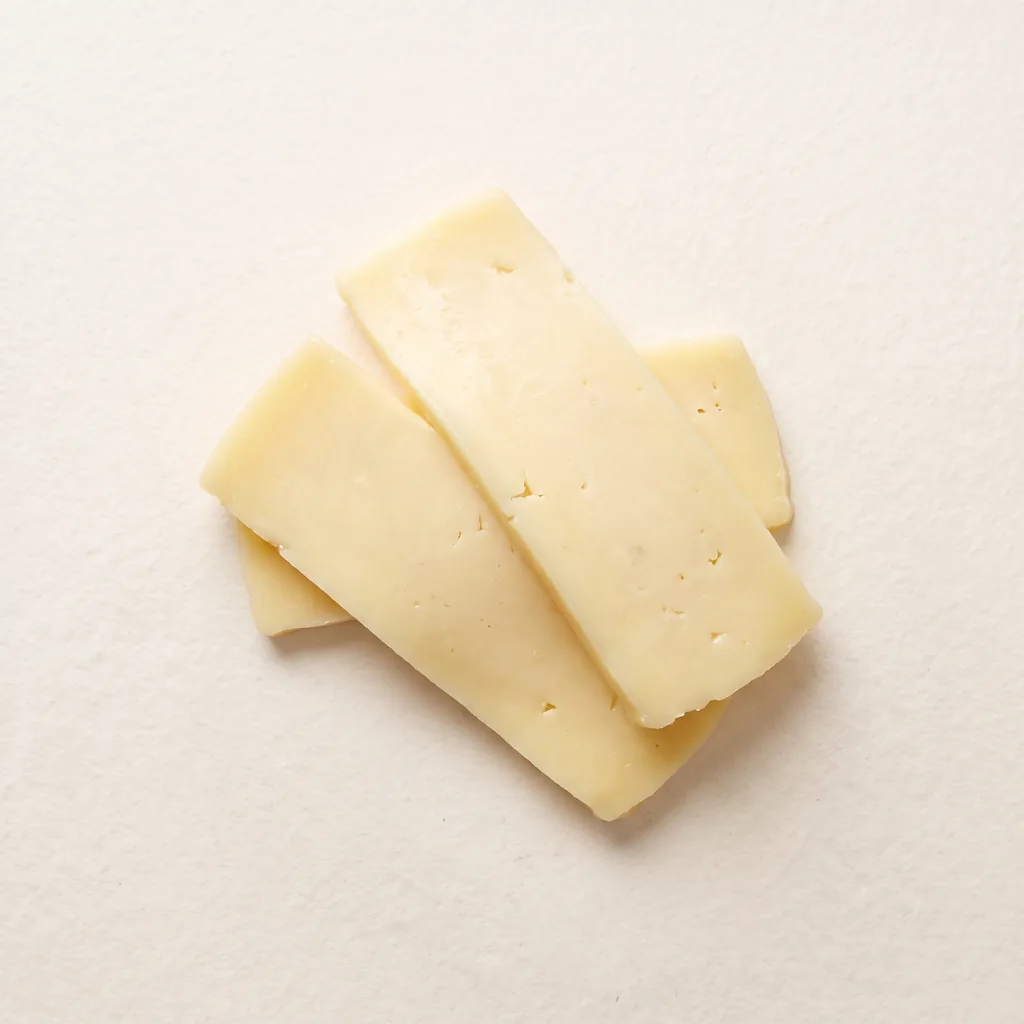
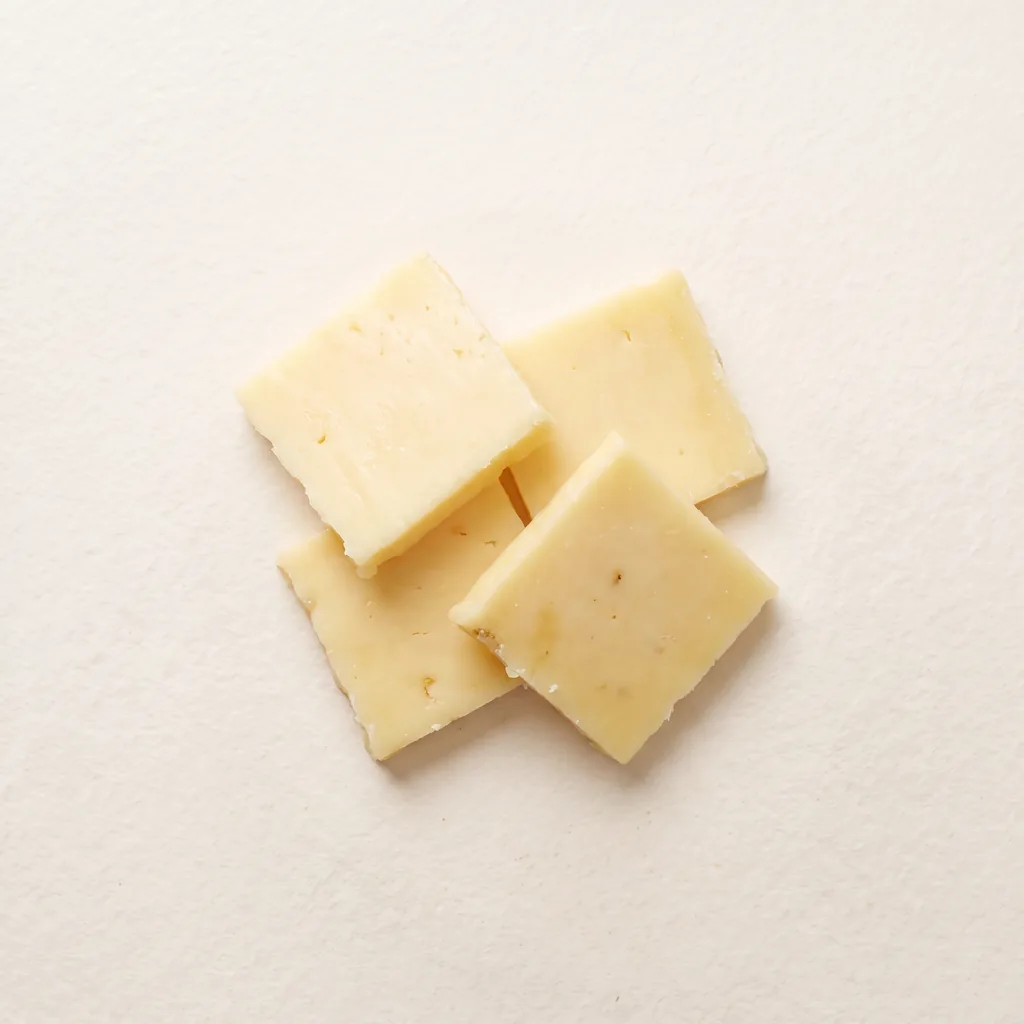
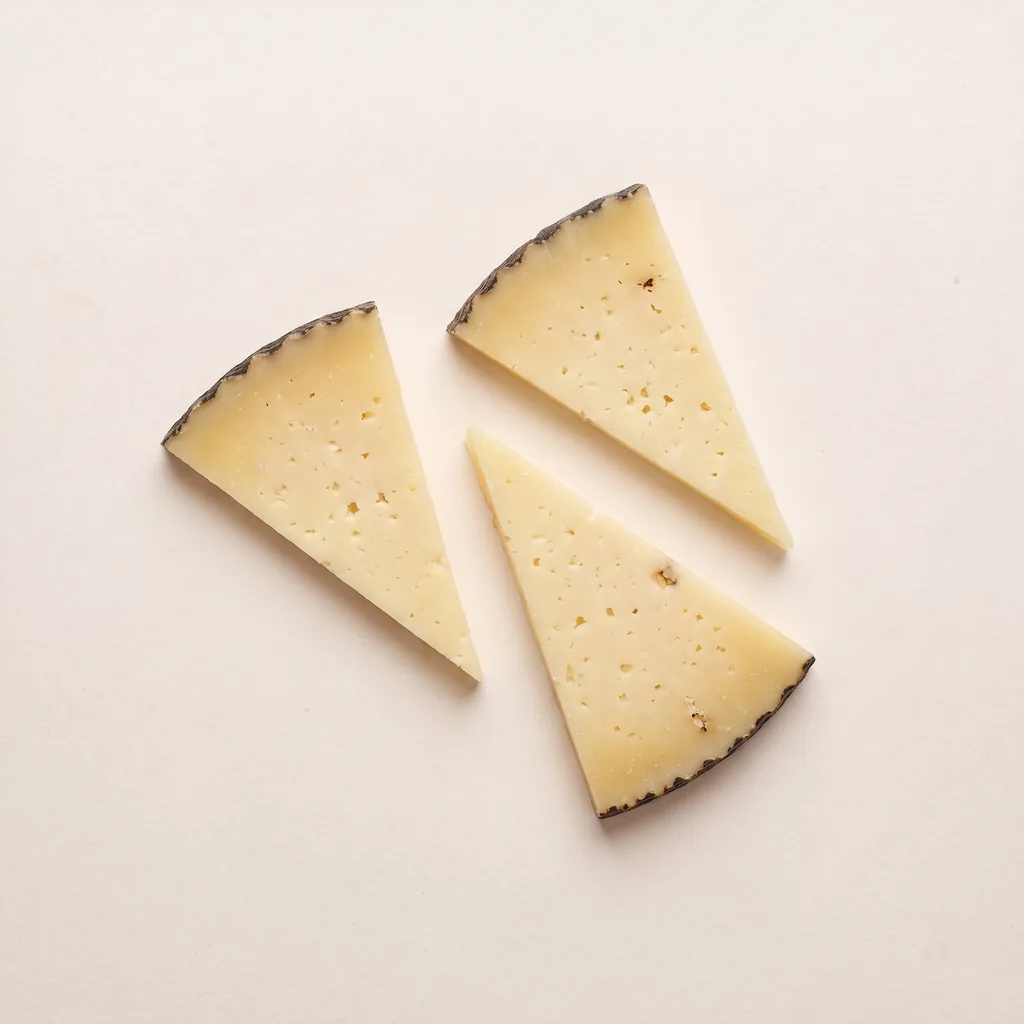
Kashar cheese contains milk proteins, so it counts as a **milk allergen**.
Kashar made from cow's milk can cause an allergic reaction in babies with cow's milk allergy.
Similar cheeses made from goat, sheep or buffalo milk are not automatically safe alternatives for cow's milk allergy. The proteins in these milks can cross-react.
Scalding or ripening kashar does not fully remove milk allergens.
Milk allergy and lactose intolerance are different conditions. Milk allergy is an immune system reaction to milk proteins. Lactose intolerance is trouble digesting milk sugar.
The amount of lactose in kashar can vary with how it is made and ripened. But a low lactose content does not mean it is safe for babies with milk allergy.
Cow's milk can also trigger a delayed food allergy called FPIES (food protein-induced enterocolitis syndrome).
In acute FPIES, repeated severe vomiting, paleness and clear tiredness can appear, usually 1 to 4 hours after eating the food. Diarrhea may come later. These symptoms need urgent medical assessment.
If you are offering a dairy food for the first time, start with a small amount and watch how your baby responds.
Hives, swollen lips, vomiting, coughing or wheezing can be signs of an allergic reaction. For serious symptoms such as trouble breathing or swelling of the tongue or throat, call emergency services right away.
Babies with a diagnosed milk allergy, or who have reacted to dairy foods before, should not try kashar cheese without advice from a health professional.