Skip to content
  • Legumes allergen
  • Legumes
  • 6 mo+
  • Medium choking risk

Kidney beans for babies: when to start

Kidney beans can start when your baby is ready for solids, usually around 6 months. They belong to the common bean family, which began in the Americas. In many places they are a cheap source of protein and fiber.

  • Protein
  • Fiber
  • Iron
  • Folate
  • Calcium
  • Potassium
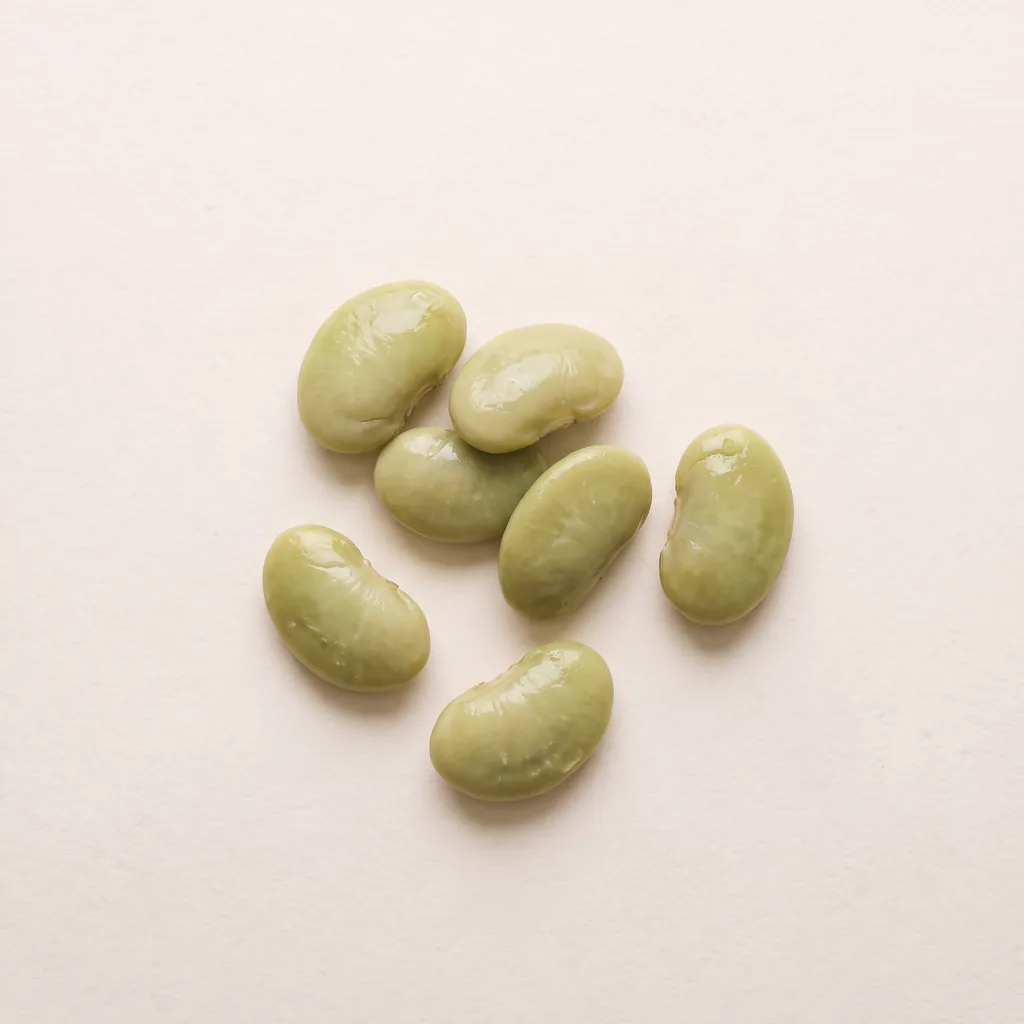
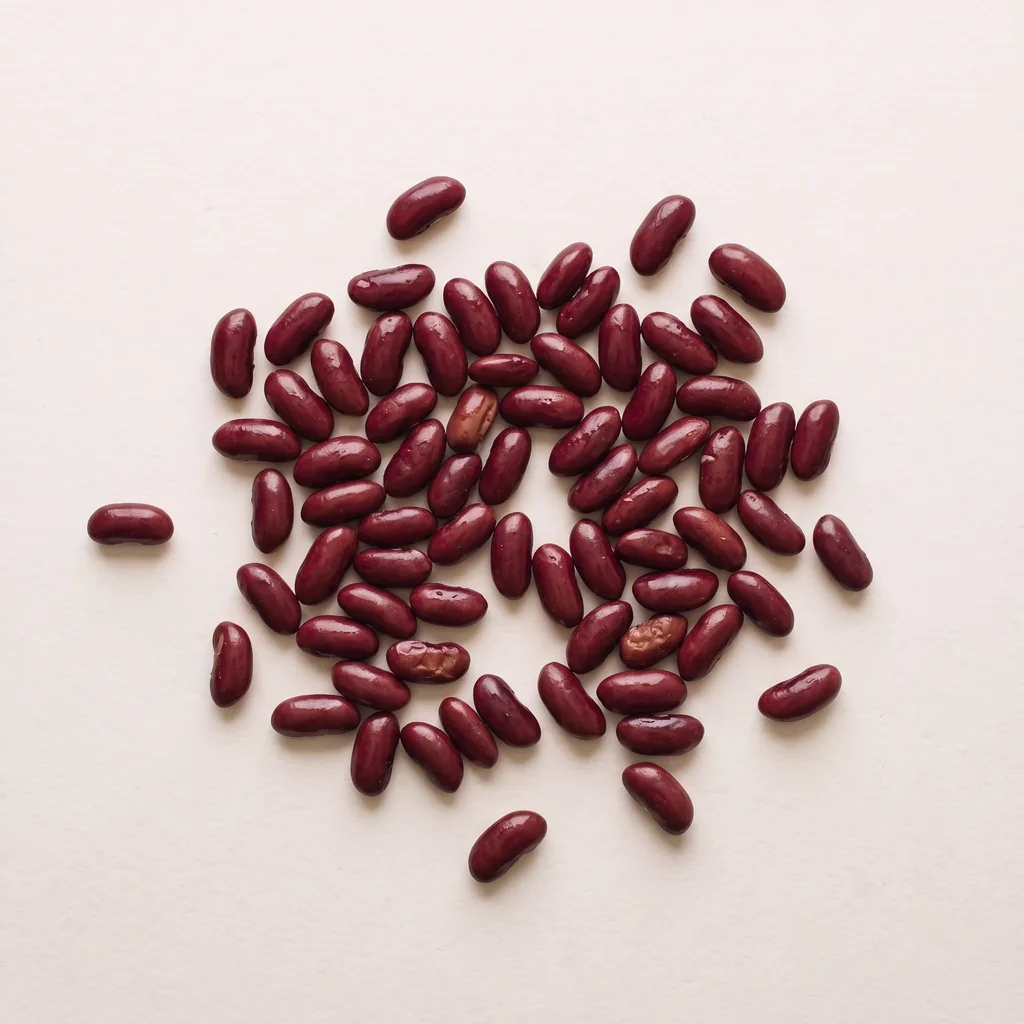
Kidney beans prepared for a babyAllergen, day 1/3

About kidney beans

They provide carbohydrate, fiber and protein, plus iron, folate, calcium, potassium, selenium and zinc, along with vitamins K and B6. Serving them with vitamin C foods helps the body absorb the iron.

Cook thoroughly

Undercooked beans can contain a serious toxin. Always boil them long enough, until soft.

Also known as: kırmızı fasulye, böbrek fasulyesi, kidney bean, kırmızı barbunya, rajma

  • Gluten-free
  • Vegan

Kidney beans is offered 3 days in a row

So that any reaction can be linked to the right food, kidney beans is offered 3 days in a row and no other new food is tried on those days.

  1. 1/3

    First taste

    Start with a small amount in the morning or around midday. Your baby is watched closely for 5 to 10 minutes after the first bite.

  2. 2/3

    Same food, same calm

    Kidney beans is offered again the same way. No other new food is tried today.

  3. 3/3

    Introduction done

    If no reaction was seen, kidney beans is now part of your baby's meals. It keeps being offered regularly.

Emergency

If your baby has trouble breathing or swelling of the face or tongue, call 911 (or your local emergency number) right away.

About kidney beans allergy

Kidney beans are not counted as a common allergen. Even so, doctors have documented allergic reactions to red kidney beans, a few of them severe. Phytohemagglutinin, a lectin, may cause toxic reactions as well as allergic ones. Thorough cooking breaks the protein down and lowers the risk.

Bean allergy has been seen in some people who are allergic to other legumes, such as peanut or soy. Being allergic to one legume does not mean being allergic to all of them. Most people with peanut or soy allergy tolerate other legumes. People with tree pollen allergy or oral allergy syndrome may react to legumes. The usual sign is a short itch, tingle, or burn in the mouth.

Keep the first servings small and raise the portion slowly if there is no reaction.

How to prepare it by age

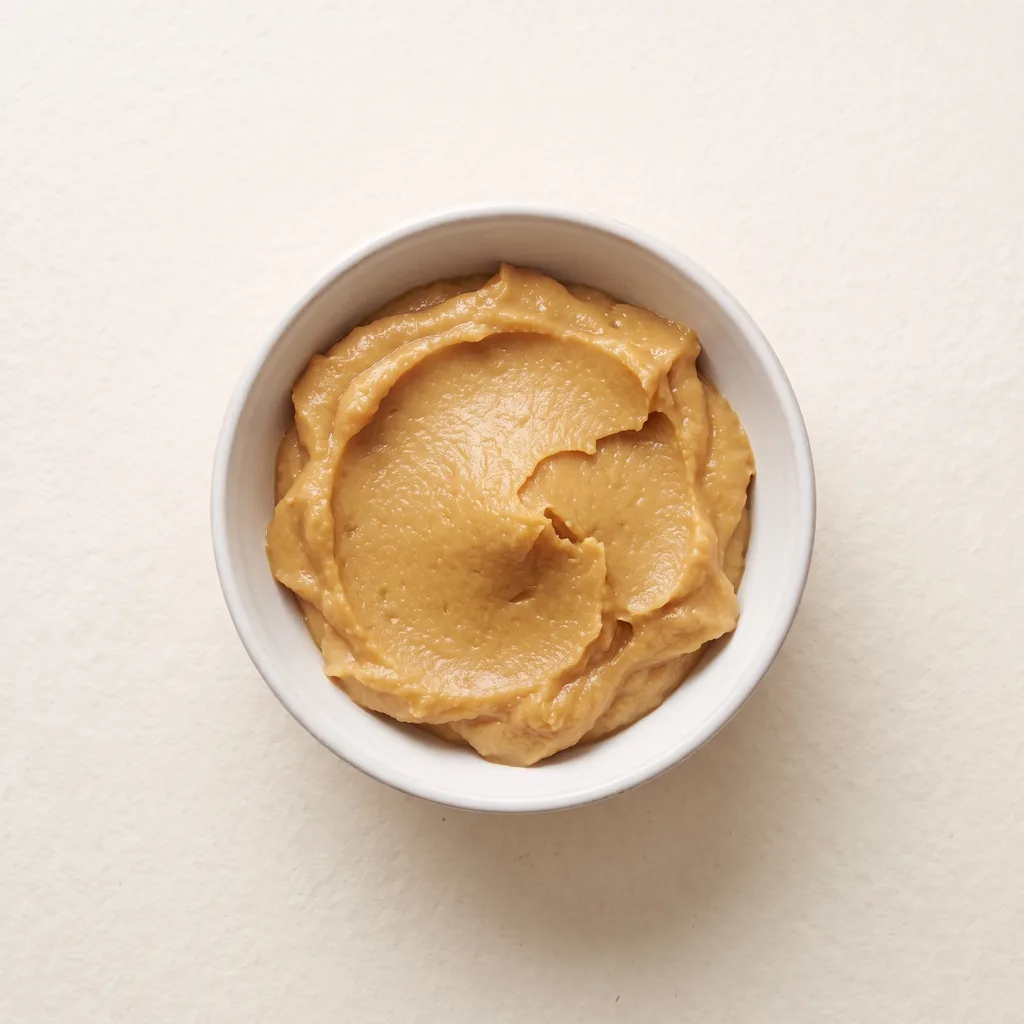
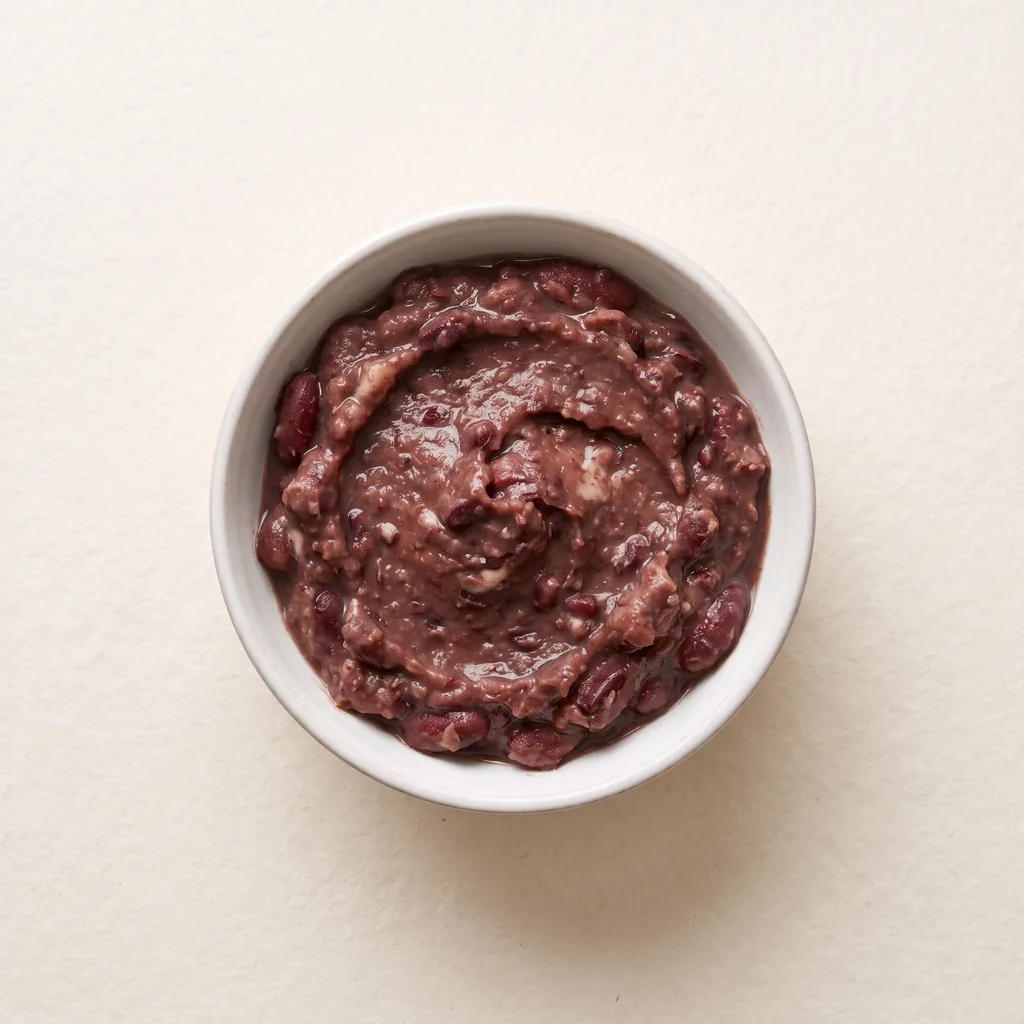
6 monthsMash

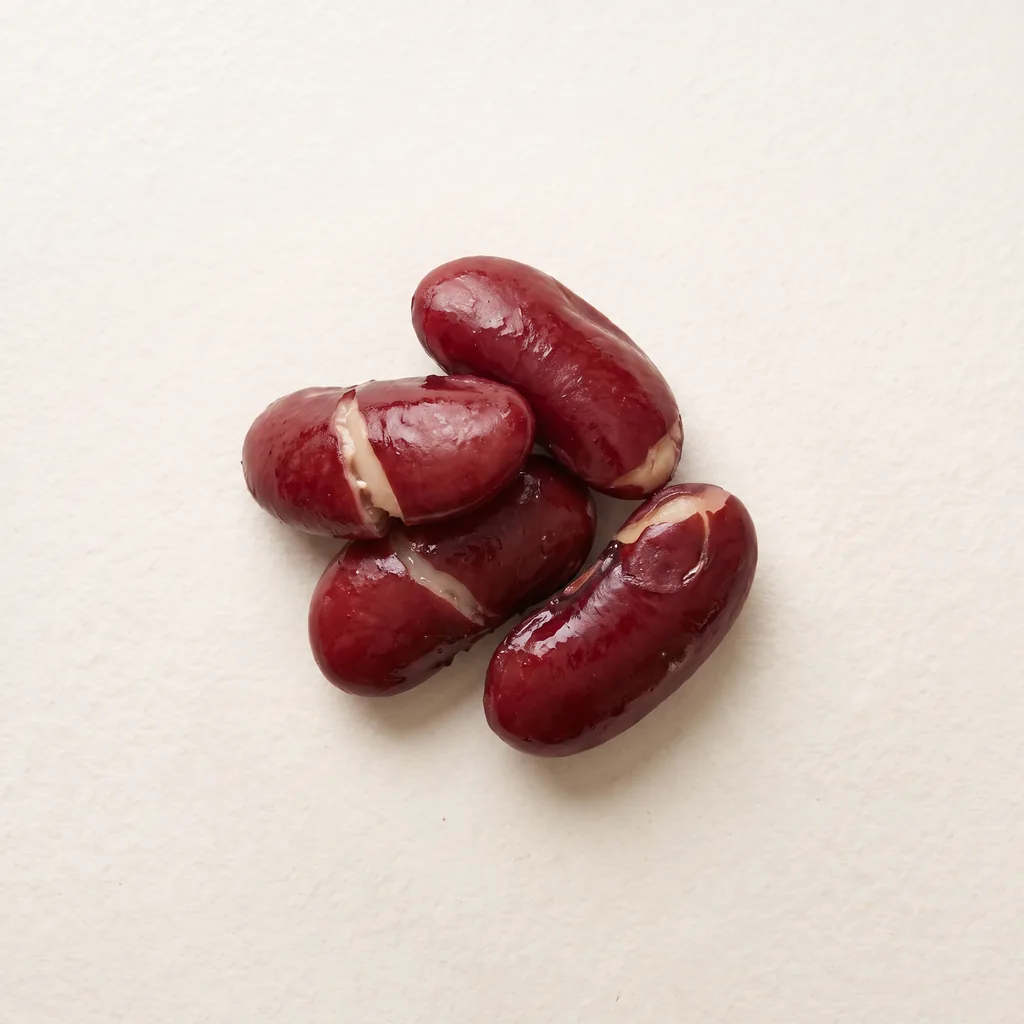
Kidney beans prepared for 6 months

Mash or blend thoroughly cooked beans. Loosen with breast milk or formula if you like. Begin with a small portion, then increase it bit by bit. Your baby can scoop the mash, or you can spread it thinly on another food. Setting aside a few beans from the family meal and mashing them also works.
9 monthsCube

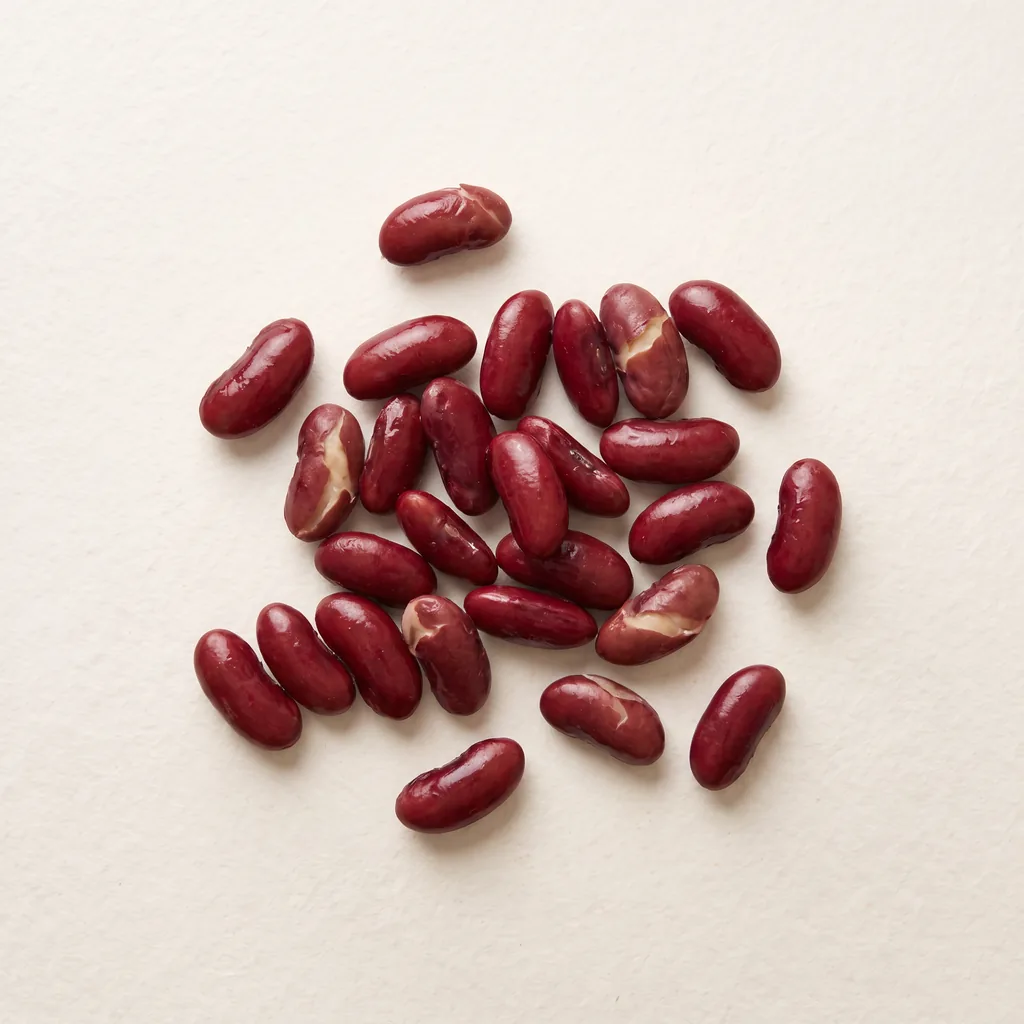
Kidney beans prepared for 9 months

Cut: Flattened

For a baby whose pincer grasp is developing, cook whole beans until soft and press them lightly flat. They should no longer be round. You can keep serving the mash if you prefer.

12 monthsCube

Kidney beans prepared for 12 months

You can serve whole beans cooked until soft. To encourage fork use, spear a bean on an age-appropriate fork and rest it by the food. If whole beans make you nervous, keep mashing or flattening them.

Choking risk

  1. Low
  2. Medium
  3. High

Kidney beans are small and round, and they turn hard when raw or undercooked. These traits raise the choking risk. At 6 months, serve them mashed or puréed. At 9 months, cook until soft and flatten them. Try whole beans after 12 months. Stay close at meals, within arm's reach.

Round and hard

Do not give a young baby whole round beans. Mash or flatten them first.

Frequently asked questions

What age can babies eat kidney beans?

Kidney beans can start when your baby is ready for solids, usually around 6 months. They belong to the common bean family, which began in the Americas. In many places they are a cheap source of protein and fiber.

Is kidney beans a common allergen?

Kidney beans are not counted as a common allergen. Even so, doctors have documented allergic reactions to red kidney beans, a few of them severe. Phytohemagglutinin, a lectin, may cause toxic reactions as well as allergic ones. Thorough cooking breaks the protein down and lowers the risk.

How do you prepare kidney beans for babies?

For a 6-month-old: Mash or blend thoroughly cooked beans. Loosen with breast milk or formula if you like. Begin with a small portion, then increase it bit by bit. Your baby can scoop the mash, or you can spread it thinly on another food. Setting aside a few beans from the family meal and mashing them also works.

Is kidney beans a choking hazard for babies?

Kidney beans are small and round, and they turn hard when raw or undercooked. These traits raise the choking risk. At 6 months, serve them mashed or puréed. At 9 months, cook until soft and flatten them. Try whole beans after 12 months. Stay close at meals, within arm's reach.

Can I give canned kidney beans?

Yes. Canned beans are already cooked and need no further cooking. Fully cooked dried beans are fine too.

How long should I cook the beans?

Boil at least 30 minutes, until soft. Do not use a slow cooker, since it may not get hot enough to destroy the toxin.

Do I need to soak the beans?

Not required. Soaking shortens cooking, lowers the gas-causing sugar and makes the beans easier to digest.

Do beans cause gas?

Legumes can cause gas and digestive discomfort. Start small and increase slowly. Soaking helps too.

Prepared by the Lokmini team | Last updated November 17, 2026

Share:WhatsApp

Want to add this food to your baby's solid food calendar?

Join Lokmini to learn how this food is served at each age and to keep track of every food your baby tries.

Join Lokmini

Starting Solids

When and how to start solids, and what happens in the first week?

Read the guide

Similar foods

Let's get ready for the first bite together

Lokmini builds a day-by-day plan for your baby's age. Leave your email for new guides and our newsletter.

Start Your Journey