Skip to content
  • Proteins
  • 6 mo+
  • Medium choking risk

Lamb shank for babies: when to start

Lamb shank can start when your baby is ready for solids, usually around 6 months, as long as it is well cooked. A lamb is a young domestic sheep. Shank comes from the lower leg, and it takes slow cooking before it turns tender. You will find it in braises worldwide, like Moroccan tagine, kleftiko from Greece and stews across South Asia. Slow cooking gives it a rich taste and soft texture that many cuisines love.

  • Heme iron
  • Zinc
  • Vitamin B12
  • Vitamin B6
  • Choline
  • Selenium
Lamb shank prepared for a baby

About lamb shank

Along with protein and fat, it provides iron, choline, selenium, zinc, and vitamins B6 and B12. A baby's iron stores run low after month 6, and lamb is a good source at that stage.

Also known as: kuzu incik, incik, kuzu but incik, kuzu incik eti

  • Gluten-free
  • Contains meat

How to prepare it by age

6 monthsStrip or mash
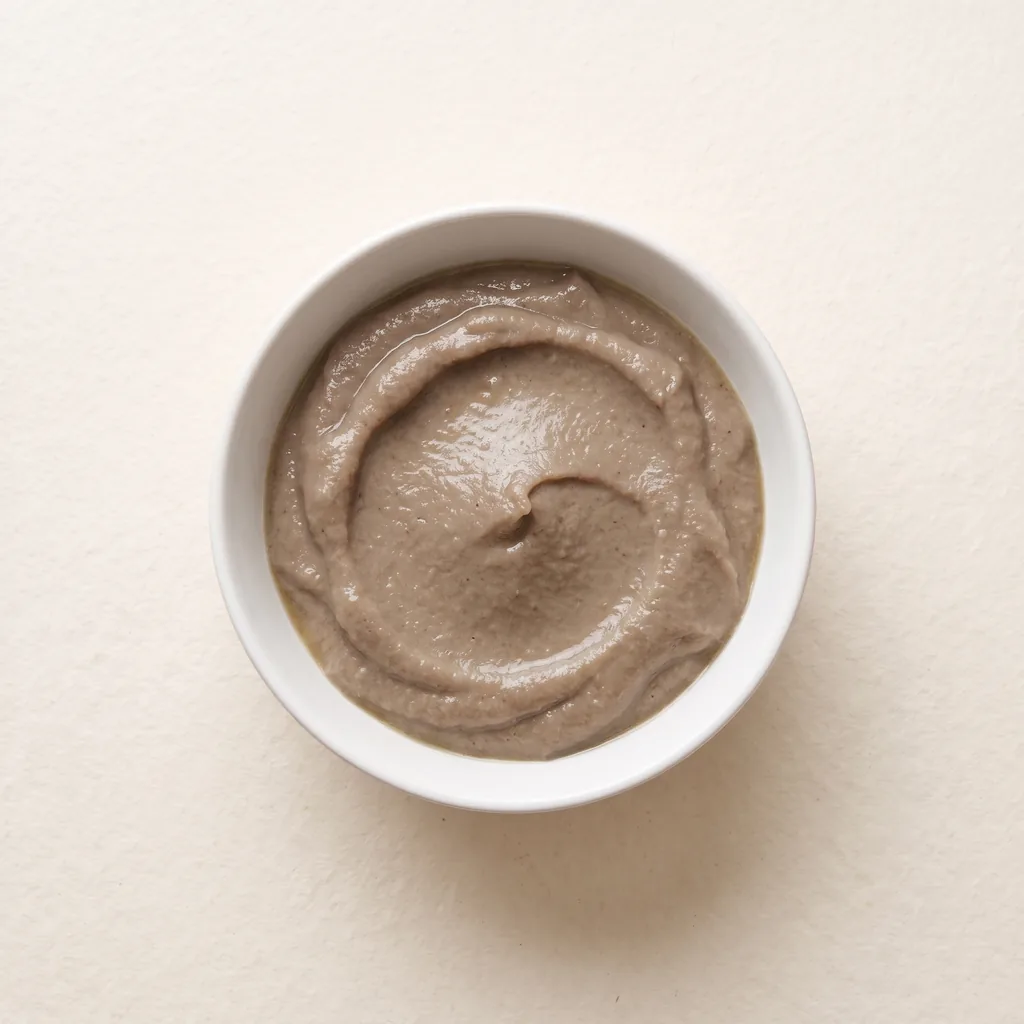
Lamb shank prepared for 6 months

Give a shank on the bone, trimmed of loose meat and fat, or a braised shank cut into a wide, thick strip about two adult fingers across. Babies mostly suck and gnaw. Scraping a bit more meat off the bone leaves a longer bone to hold. Should your baby tear off a large bite, take a breath. Usually the baby spits it out, or gagging moves it forward. A hand placed beneath the chin shows that spitting is allowed.

Cut: Shredded

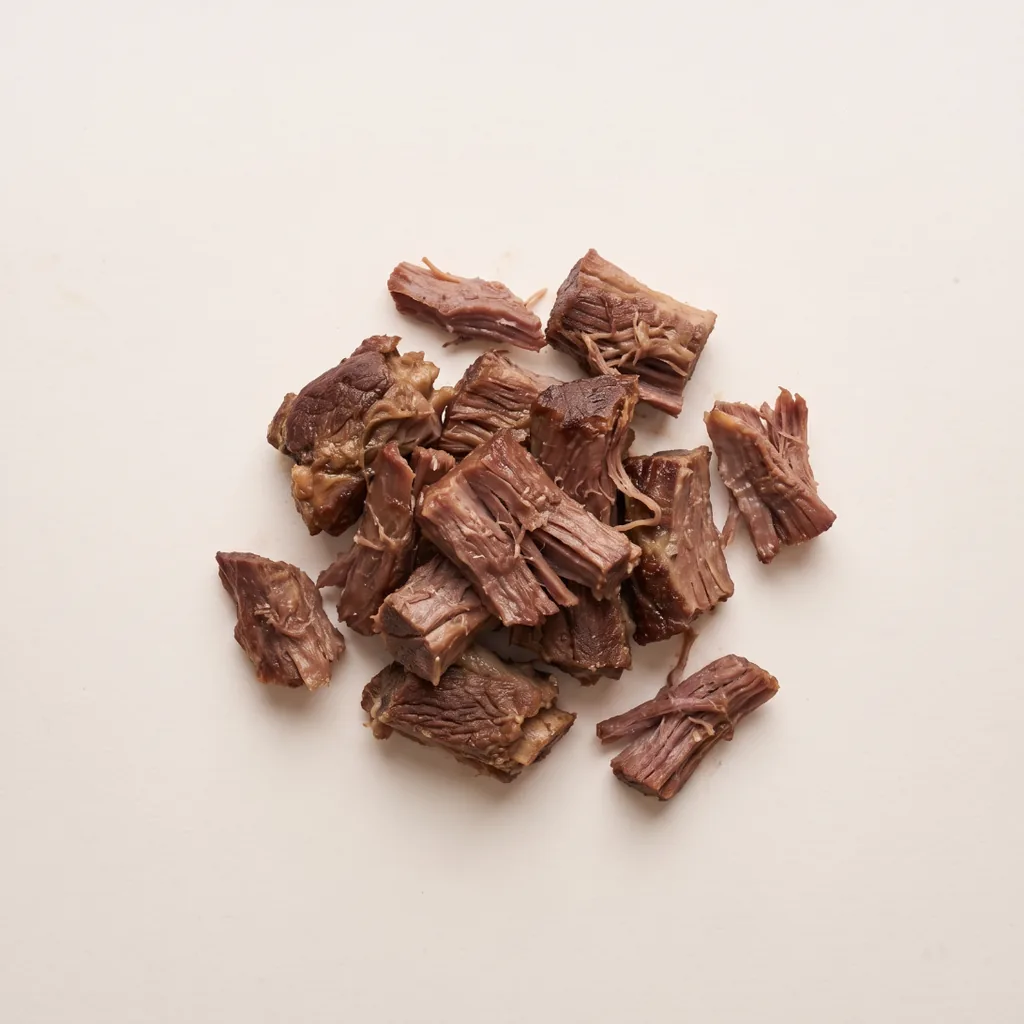
Pull the tender shank meat into very fine shreds and stir it into a spoonable food such as mashed potato.
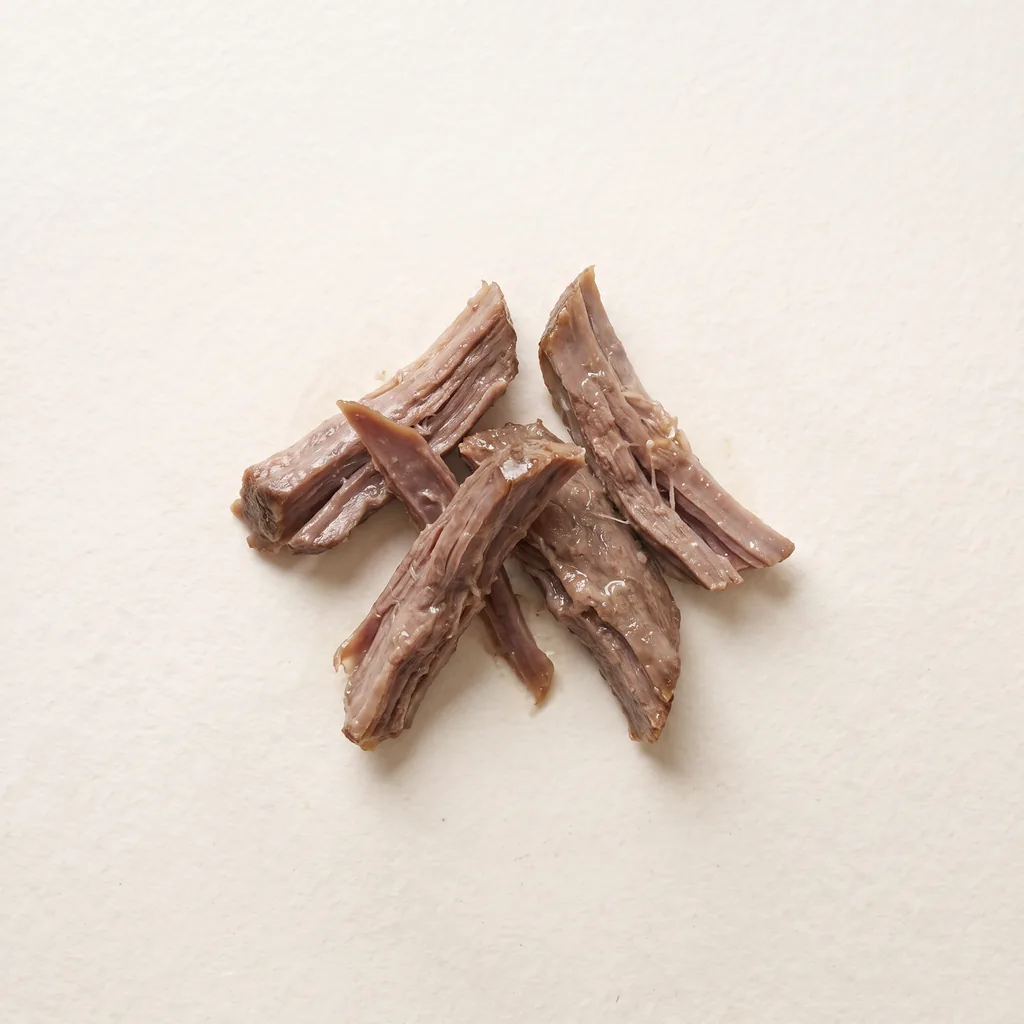
9 monthsStrip

Lamb shank prepared for 9 months

Cut: Shredded

Serve well-cooked, tender shank as thin shreds, alone or in a meal. If your baby cannot pick up small pieces yet, keep offering the bone-in shank. Serving the meat in sauce, or dipping it, helps swallowing. If a big piece breaks off in the mouth, show spitting by sticking out your tongue and saying "ah".

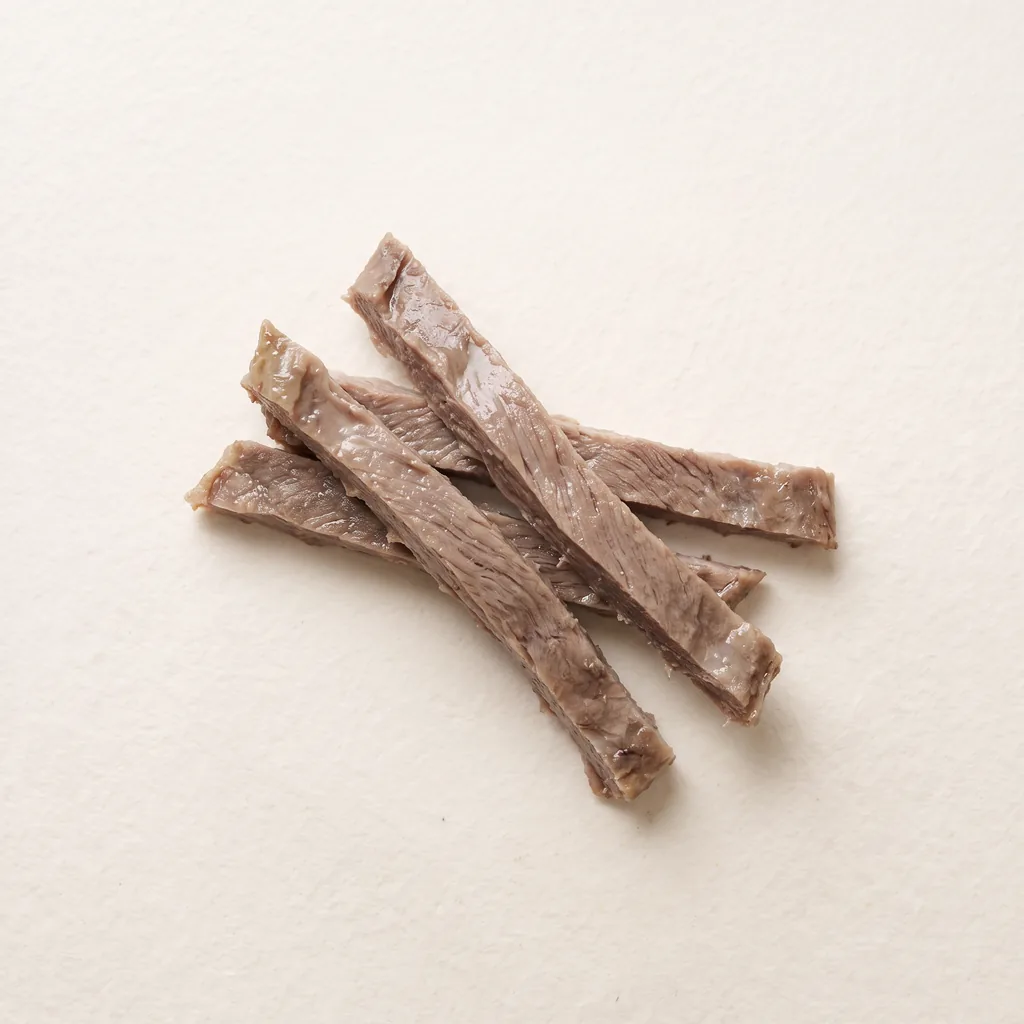
12 monthsStrip

Lamb shank prepared for 12 months

Serve braised shank as long shreds or thin strips. Bite-sized shreds can be dipped in sauce to stay tender. Do not serve chunks or cubes of meat, which keep a high choking risk.

Choking risk

  1. Low
  2. Medium
  3. High

Lamb can be firm and hard to chew. These traits raise the choking risk. Do not cut the meat into chunks or cubes. Serve it as shreds or strips that suit your child's age. Do not overcook it, because dry meat is harder to swallow. Stay close at meals, within arm's reach.

Chunks and cubes

Do not give cubed shank meat to a young child. Pull it into shreds.

Allergen information

Lamb rarely causes allergy. Reports of lamb and mutton allergy do exist, though. Cooking the meat lowers this risk. Some tick bites (the Lone Star tick in the US, other ticks elsewhere) are linked to alpha-gal allergy. Alpha-gal is a sugar found in the meat of all non-primate mammals. A delayed allergic reaction appears 3 to 8 hours after eating red meat. Some people with alpha-gal allergy also react to the small amount of this sugar in dairy, gelatin, or organ meats like liver.

A few people with lamb allergy are also sensitive to wool or lanolin (wool grease) on contact. Most people with wool or lanolin sensitivity eat lamb without trouble.

Delayed reaction

If you see a rash, stomach upset or swelling hours after red meat, contact a doctor.

Frequently asked questions

Is lamb shank a common allergen?

Lamb rarely causes allergy. Reports of lamb and mutton allergy do exist, though. Cooking the meat lowers this risk. Some tick bites (the Lone Star tick in the US, other ticks elsewhere) are linked to alpha-gal allergy. Alpha-gal is a sugar found in the meat of all non-primate mammals. A delayed allergic reaction appears 3 to 8 hours after eating red meat. Some people with alpha-gal allergy also react to the small amount of this sugar in dairy, gelatin, or organ meats like liver.

How do you prepare lamb shank for babies?

For a 6-month-old: Give a shank on the bone, trimmed of loose meat and fat, or a braised shank cut into a wide, thick strip about two adult fingers across. Babies mostly suck and gnaw. Scraping a bit more meat off the bone leaves a longer bone to hold. Should your baby tear off a large bite, take a breath. Usually the baby spits it out, or gagging moves it forward. A hand placed beneath the chin shows that spitting is allowed.

Is lamb shank a choking hazard for babies?

Lamb can be firm and hard to chew. These traits raise the choking risk. Do not cut the meat into chunks or cubes. Serve it as shreds or strips that suit your child's age. Do not overcook it, because dry meat is harder to swallow. Stay close at meals, within arm's reach.

When can a baby have lamb shank?

Well cooked, once ready for solids, usually around 6 months.

Why cook lamb shank slowly?

It comes from the leg and has plenty of connective tissue. It needs long, slow cooking to turn tender.

Can I cut shank meat into cubes?

No. Chunks and cubes carry a high choking risk. Pull it into shreds or cut thin strips.

Is lamb shank rich in iron?

Yes. A baby's iron need rises after 6 months and lamb is a good source.

Prepared by the Lokmini team | Last updated November 17, 2026

Share:WhatsApp

Want to add this food to your baby's solid food calendar?

Join Lokmini to learn how this food is served at each age and to keep track of every food your baby tries.

Join Lokmini

Starting Solids

When and how to start solids, and what happens in the first week?

Read the guide

Similar foods

Let's get ready for the first bite together

Lokmini builds a day-by-day plan for your baby's age. Leave your email for new guides and our newsletter.

Start Your Journey