Skip to content

Dietitian's view

Lemon is a sufficient option. You can also use lime as an alternative.

Lokmini is not a healthcare provider and does not offer health services. For your baby's specific needs, talk to your doctor or a dietitian.

  • Fruits
  • 6 mo+
  • Low choking risk

Lime for babies: when to start

Lime can be offered when baby is ready to start solids, usually around 6 months. Babies eat only tiny amounts. The fruit is very acidic.

  • Vitamin C
  • Potassium
  • Vitamin B6
  • Fiber
  • Water
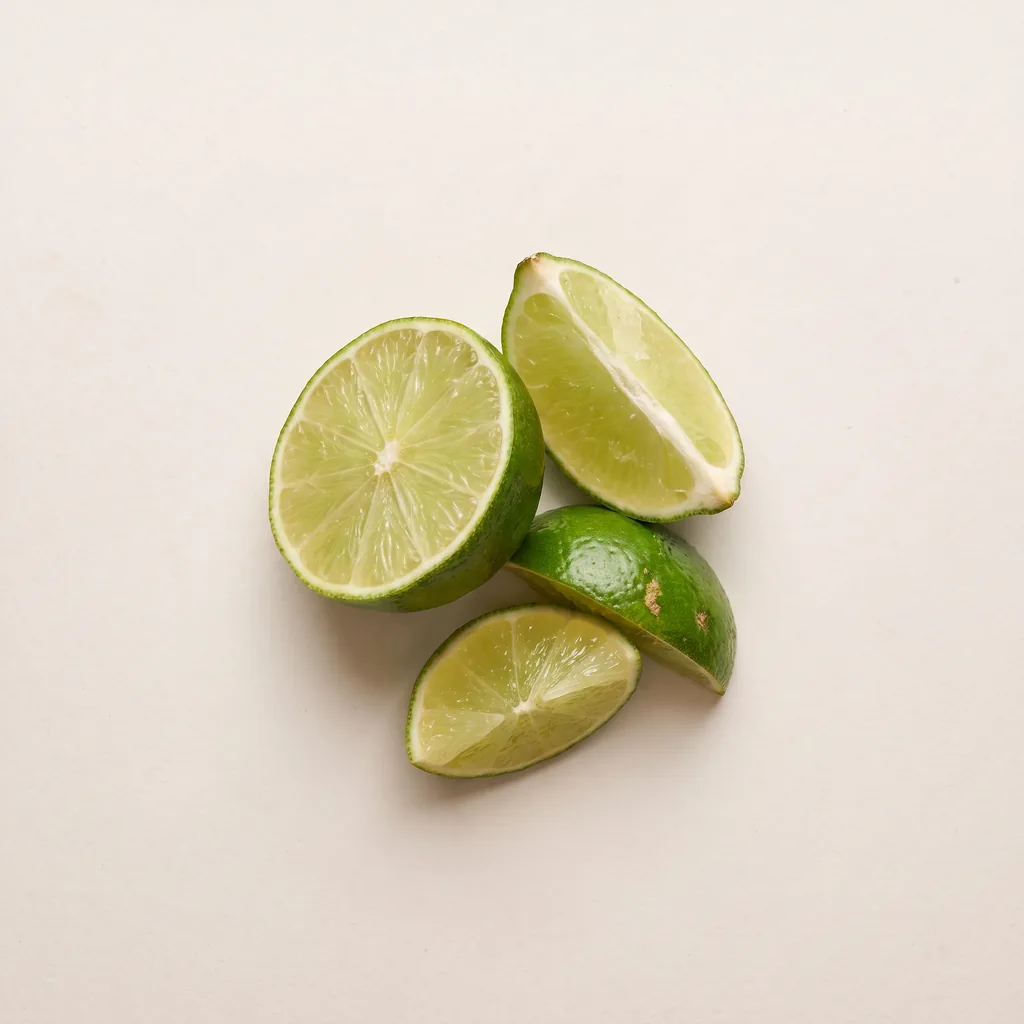
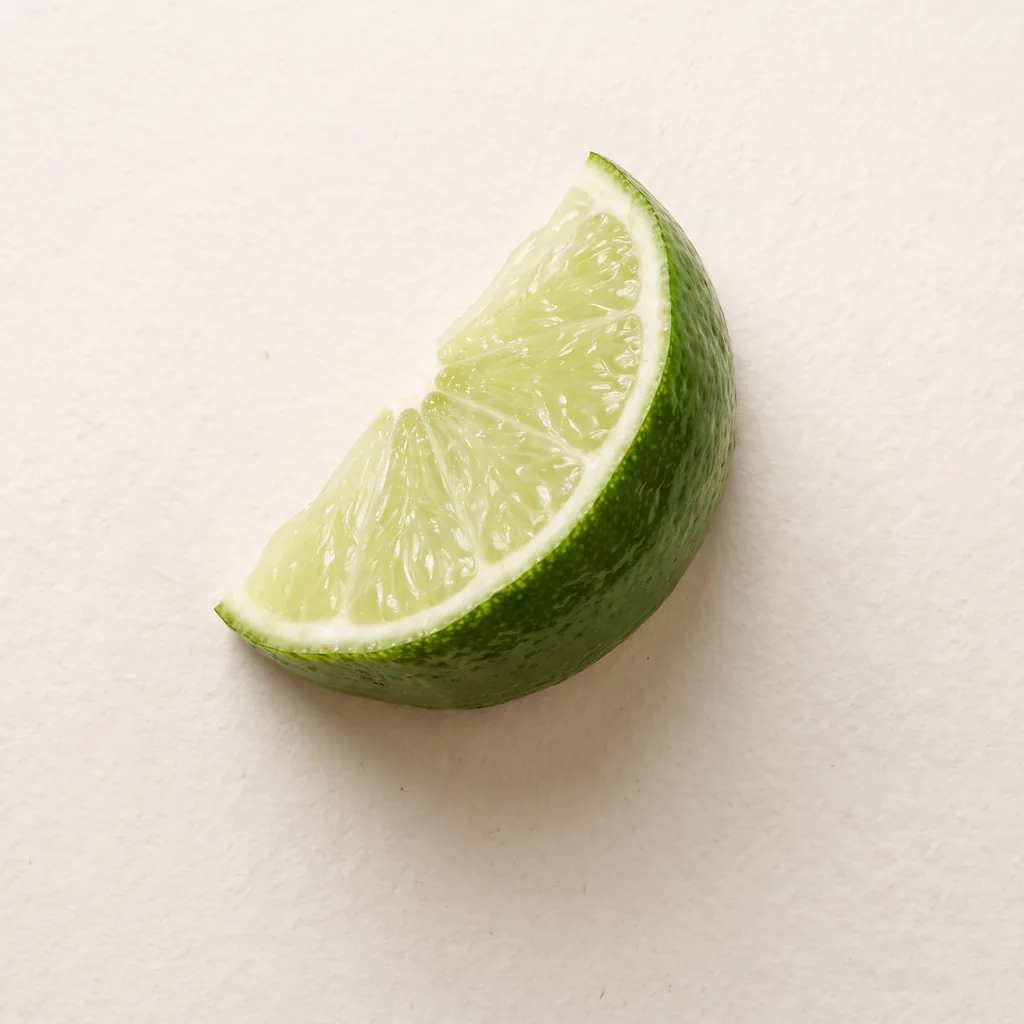
Lime prepared for a baby

About lime

Lime belongs to the citrus family. It is thought to come from Southeast Asia. Most limes are bright green. Key lime, makrut lime and a seedless type from Iran are well-known kinds.

It provides fiber, fluid, and potassium along with vitamins C and B6. The peel holds plant compounds such as flavonoids.

Also known as: misket limonu, lime, laym, yeşil turunçgil

  • Gluten-free
  • Vegan

How to prepare it by age

6 monthsMash or slice
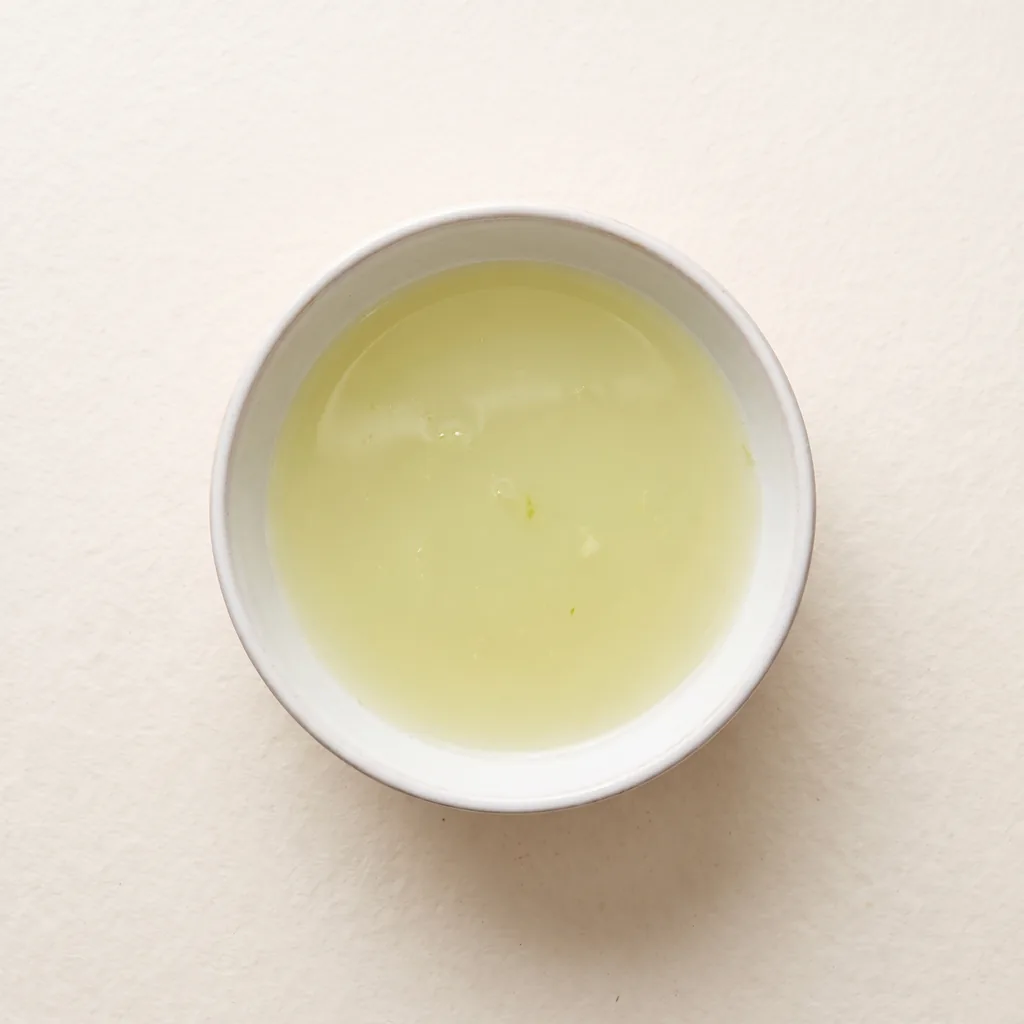
Lime prepared for 6 months

Add a little lime juice or zest to fruit, vegetable or grain dishes that suit your baby. Next to lentils, beans and leafy greens, it adds vitamin C. That also helps the body absorb plant iron.

Cut: Halved

If the fruit is bigger than baby's mouth, offer a half. Pick out every seed first. Baby can taste the sour flavor on its own. You can teach the word 'sour' at the same time. A short-lived red patch may show up around the mouth.
12 monthsSlice or mash

Lime prepared for 12 months

Cut: Thick wedge

Hand over a large wedge with the seeds taken out. Show your child how to squeeze it and drip the juice onto food. Many toddlers enjoy squeezing it onto their own plate.

Add the juice and zest to meals as you like. You may also share dishes flavored with dried limes (limoo amani). The dried lime must be fully rehydrated and soft. Take out any seeds left inside.

Choking risk

  1. Low
  2. Medium
  3. High

Lime is low risk. Any food can cause choking in theory. Take out the seeds and serve it in a form that fits baby's age. Sit with baby during meals, within arm's reach.

Allergen information

Lime is not counted as a common food allergen. Some people are still sensitive to citrus. Those with pollen food allergy syndrome may react. The sign is usually short itching or burning in the mouth. A dangerous reaction is not expected.

The limonene in the peel can cause contact dermatitis in sensitive people. If the juice stays on skin and the skin meets sun, it can blister and darken. This is called phytophotodermatitis. Washing the skin after contact and using sun protection prevents it.

Start with a small amount for the first servings. If there is no reaction, raise the amount slowly.

Frequently asked questions

What age can babies eat lime?

Lime can be offered when baby is ready to start solids, usually around 6 months. Babies eat only tiny amounts. The fruit is very acidic.

Is lime a common allergen?

Lime is not counted as a common food allergen. Some people are still sensitive to citrus. Those with pollen food allergy syndrome may react. The sign is usually short itching or burning in the mouth. A dangerous reaction is not expected.

How do you prepare lime for babies?

For a 6-month-old: Add a little lime juice or zest to fruit, vegetable or grain dishes that suit your baby. Next to lentils, beans and leafy greens, it adds vitamin C. That also helps the body absorb plant iron.

Is lime a choking hazard for babies?

Lime is low risk. Any food can cause choking in theory. Take out the seeds and serve it in a form that fits baby's age. Sit with baby during meals, within arm's reach.

Can lime cause diaper rash?

If baby eats a lot, the acid may cause diaper rash or make it worse. You can apply a barrier ointment to the diaper area before meals.

Is lime good for babies?

Yes. Even a small amount provides fiber, fluid, and potassium along with vitamins C and B6. Vitamin C helps the body absorb plant iron.

When can a baby drink limeade?

A small amount is fine after 12 months. For regular sugary drinks, waiting until age 2 is better.

Prepared by the Lokmini team | Last updated November 17, 2026

Share:WhatsApp

Want to add this food to your baby's solid food calendar?

Join Lokmini to learn how this food is served at each age and to keep track of every food your baby tries.

Join Lokmini

Starting Solids

When and how to start solids, and what happens in the first week?

Read the guide

Similar foods

Let's get ready for the first bite together

Lokmini builds a day-by-day plan for your baby's age. Leave your email for new guides and our newsletter.

Start Your Journey