Skip to content

Dietitian's view

You can give loquat fully ripe and mashed. Its pit is problematic.

Lokmini is not a healthcare provider and does not offer health services. For your baby's specific needs, talk to your doctor or a dietitian.

  • Fruits
  • 6 mo+
  • Medium choking risk

Loquat for babies: when to start

Loquat (Eriobotrya japonica) can be offered once your baby is about 6 months old and ready for solids. Choose fully ripe, soft fruit. Always remove the large, hard seeds. The seeds are a choking risk and contain compounds the body can convert to cyanide.

  • Vitamin A
  • Vitamin B6
  • Carotenoids
  • Fiber
  • Pectin
  • Water
Loquat prepared for a baby

About loquat

Loquat, also called Japanese plum, comes from East Asia. It is yellow to orange, with a sweet, slightly tart taste. It is in the same plant family as apples, pears and quince.

Nutrition

Loquat is a fruit with water, carbohydrates and fiber. It is especially rich in carotenoids that the body can turn into vitamin A. It also contains potassium and a small amount of vitamin B6.

The carotenoid content of loquat can vary with the variety and the color of the flesh. Orange-fleshed varieties are usually richer in beta-carotene.

Also known as: malta eriği, yeni dünya, loquat, japon eriği, mispil

  • Gluten-free
  • Vegan

How to prepare it by age

6 monthsMash or slice
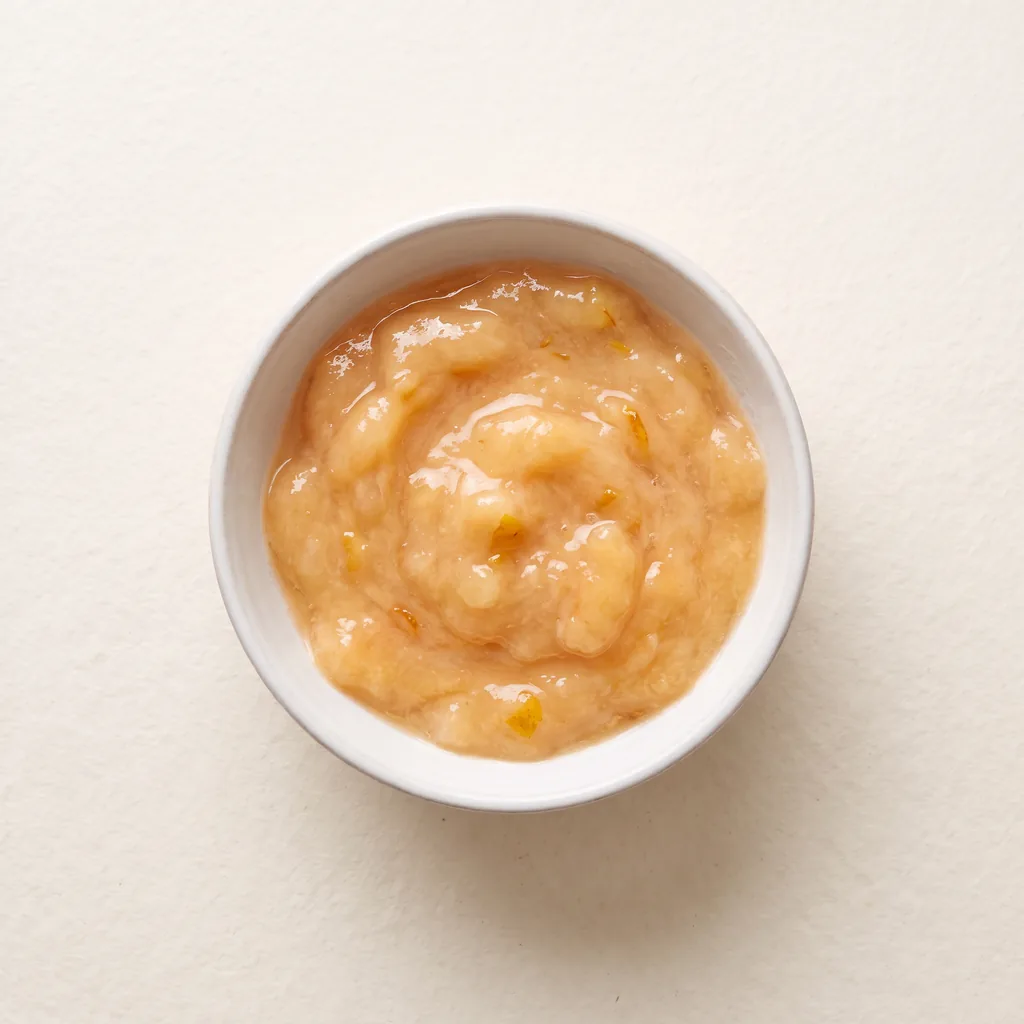
Loquat prepared for 6 months

Cut: Fork mashed

Carefully take every seed out of soft, ripe fruit. Mash the flesh. Stir it into oatmeal or into muffin and pancake batter. Save desserts with added sugar for after age 2.

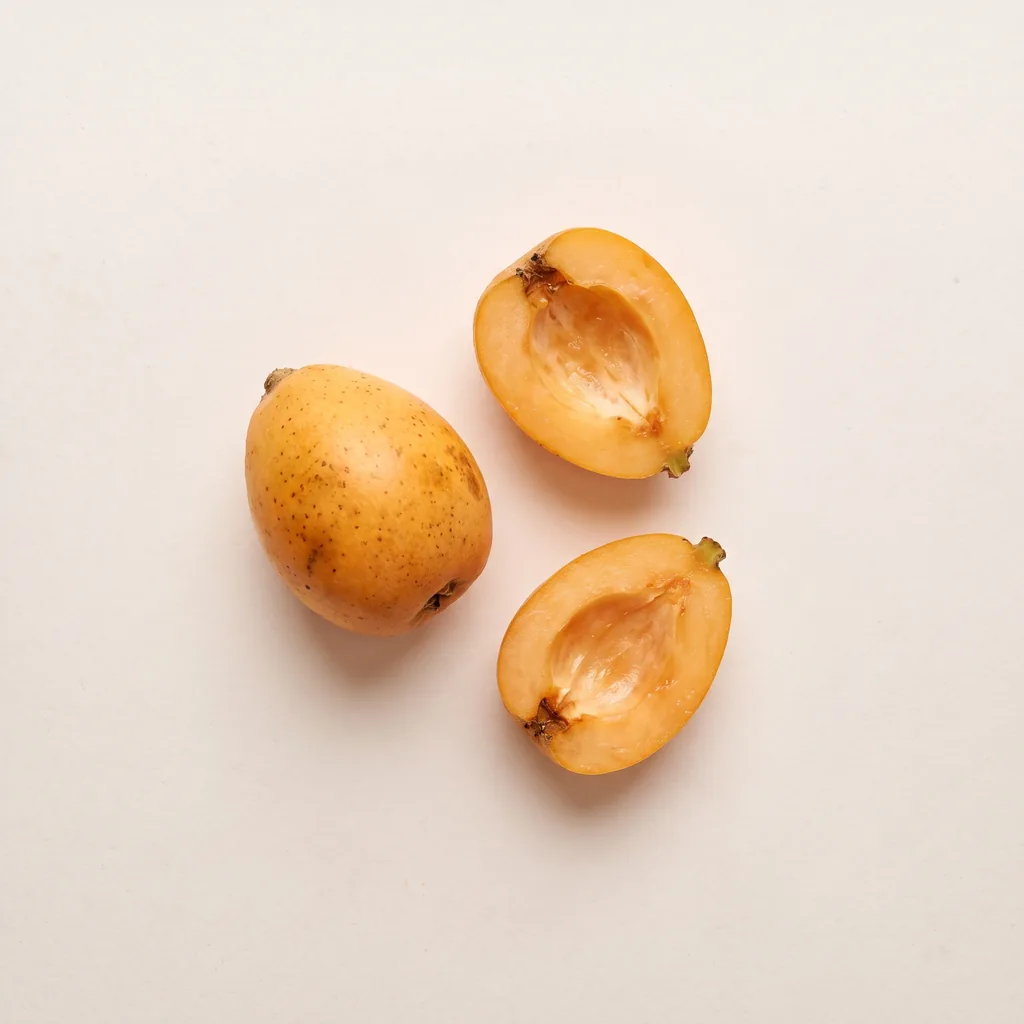
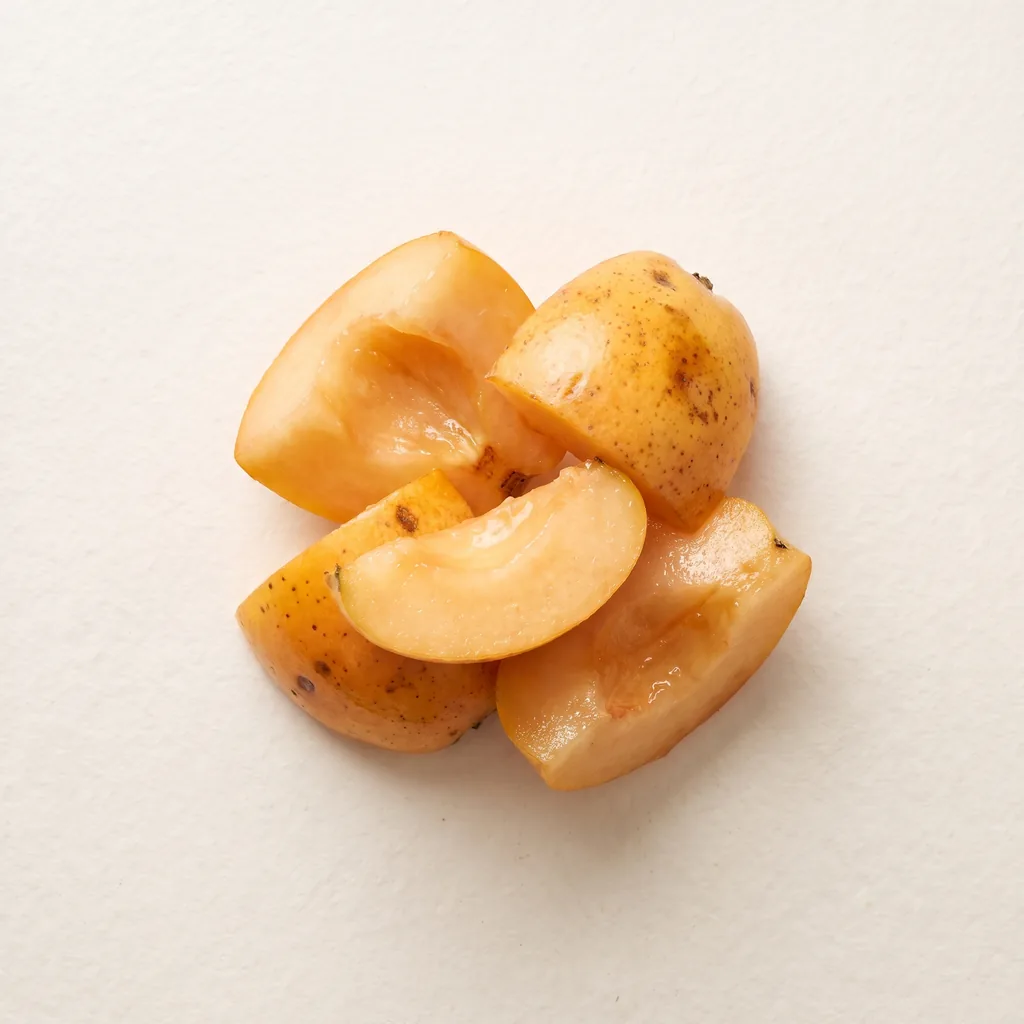
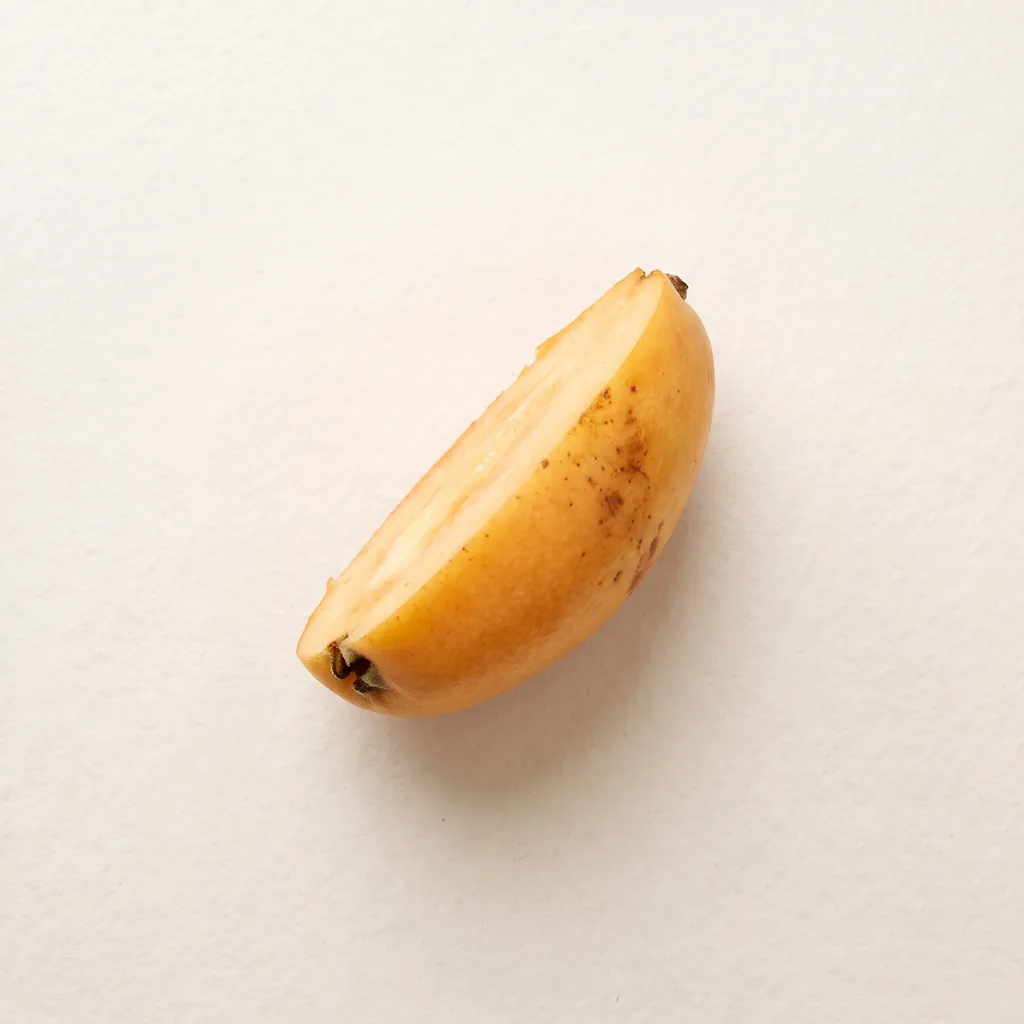
Cut: Halved

For large fruits or a baby with a developing pincer grasp, offer ripe halves with seeds removed. Peeled fruit gets slippery. Roll it in finely ground nuts or unsweetened coconut to add grip.
9 monthsCube

Loquat prepared for 9 months

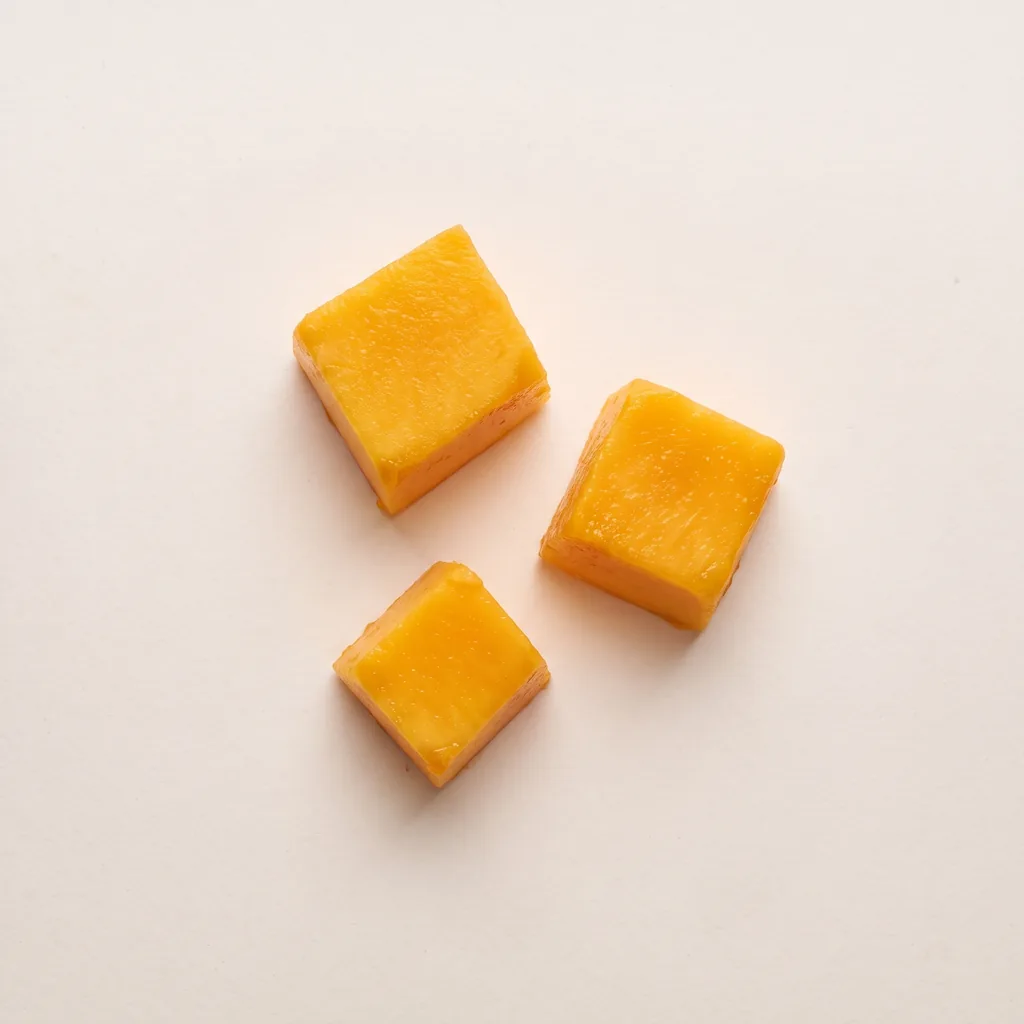
Cut: Bite sized piece

Cut ripe, seeded fruit into bite-sized pieces. You can keep offering halves or quarters too. This lets the child practice biting and spitting out a bite that is too big. Peel the skin if it gives trouble.

12 monthsSlice

Loquat prepared for 12 months

Offer ripe, seeded halves or quarters. After 24 months you can blend a smoothie with coconut milk and a tart fruit such as lime, passion fruit or tamarind. Serving with seeds only makes sense if the child chews and listens well and has practiced spitting seeds.

Choking risk

  1. Low
  2. Medium
  3. High

The hard seeds of loquat and the firm flesh of unripe fruit can be a choking risk for babies. Choose only fully ripe fruit that squashes easily between your fingers. Remove all the seeds before serving, and offer the fruit mashed or in soft pieces that suit your baby's developmental skills. Peel the skin if it makes chewing hard. Your baby should sit upright throughout the meal and always be supervised.

Allergen information

Loquat is not a common food allergen, but it can rarely cause allergic reactions. Some people allergic to foods in the same plant family, such as apple, pear, apricot and peach, may have a cross-reaction. However, being in the same family does not mean a cross-allergy will always develop.

People sensitive to birch pollen may also have pollen food allergy syndrome. In this case, itching, tingling or mild swelling in the mouth can occur. Signs are usually mild, but serious reactions are also possible. Peeling or cooking the fruit can reduce the effect of some allergens, but it does not fully remove the allergy risk.

When you first offer loquat, start with a small amount and watch how your baby responds. If hives, swollen lips or repeated vomiting appear, stop giving loquat and see a health professional. If your baby has trouble breathing, call emergency services right away.

Frequently asked questions

What age can babies eat loquat?

Loquat (Eriobotrya japonica) can be offered once your baby is about 6 months old and ready for solids. Choose fully ripe, soft fruit. Always remove the large, hard seeds. The seeds are a choking risk and contain compounds the body can convert to cyanide.

Is loquat a common allergen?

Loquat is not a common food allergen, but it can rarely cause allergic reactions. Some people allergic to foods in the same plant family, such as apple, pear, apricot and peach, may have a cross-reaction. However, being in the same family does not mean a cross-allergy will always develop.

How do you prepare loquat for babies?

For a 6-month-old: Carefully take every seed out of soft, ripe fruit. Mash the flesh. Stir it into oatmeal or into muffin and pancake batter. Save desserts with added sugar for after age 2.

Is loquat a choking hazard for babies?

The hard seeds of loquat and the firm flesh of unripe fruit can be a choking risk for babies. Choose only fully ripe fruit that squashes easily between your fingers. Remove all the seeds before serving, and offer the fruit mashed or in soft pieces that suit your baby's developmental skills. Peel the skin if it makes chewing hard. Your baby should sit upright throughout the meal and always be supervised.

Does loquat help with constipation in babies?

Yes. It gives fluid and fiber with pectin. This supports gut bacteria and softer stools. High-fiber foods can cause gas or diaper blowouts. Introduce it gradually. If you worry, ask your pediatrician.

Are loquat seeds harmful?

Yes. Loquat seeds contain compounds the body can convert into cyanide. They are also a choking risk because they are large and hard. Remove all the seeds before serving the fruit to your baby. Do not give seeds or seed powder.

Prepared by the Lokmini team | Last updated November 19, 2026

Share:WhatsApp

Want to add this food to your baby's solid food calendar?

Join Lokmini to learn how this food is served at each age and to keep track of every food your baby tries.

Join Lokmini

Starting Solids

When and how to start solids, and what happens in the first week?

Read the guide

Similar foods

Let's get ready for the first bite together

Lokmini builds a day-by-day plan for your baby's age. Leave your email for new guides and our newsletter.

Start Your Journey