Skip to content

Dietitian's view

Mayonnaise contains raw egg. Store-bought ones are also salty.

Lokmini is not a healthcare provider and does not offer health services. For your baby's specific needs, talk to your doctor or a dietitian.

  • Egg allergen
  • Oils and fats
  • 6 mo+
  • Low choking risk

Mayonnaise for babies: when to start

You can offer mayonnaise made with pasteurized egg once baby is ready for solids, usually around 6 months. Stay away from mayonnaise that contains honey. Honey carries infant botulism risk for babies under 12 months.

  • Fat
  • Omega-3
  • Vitamin K
  • Choline
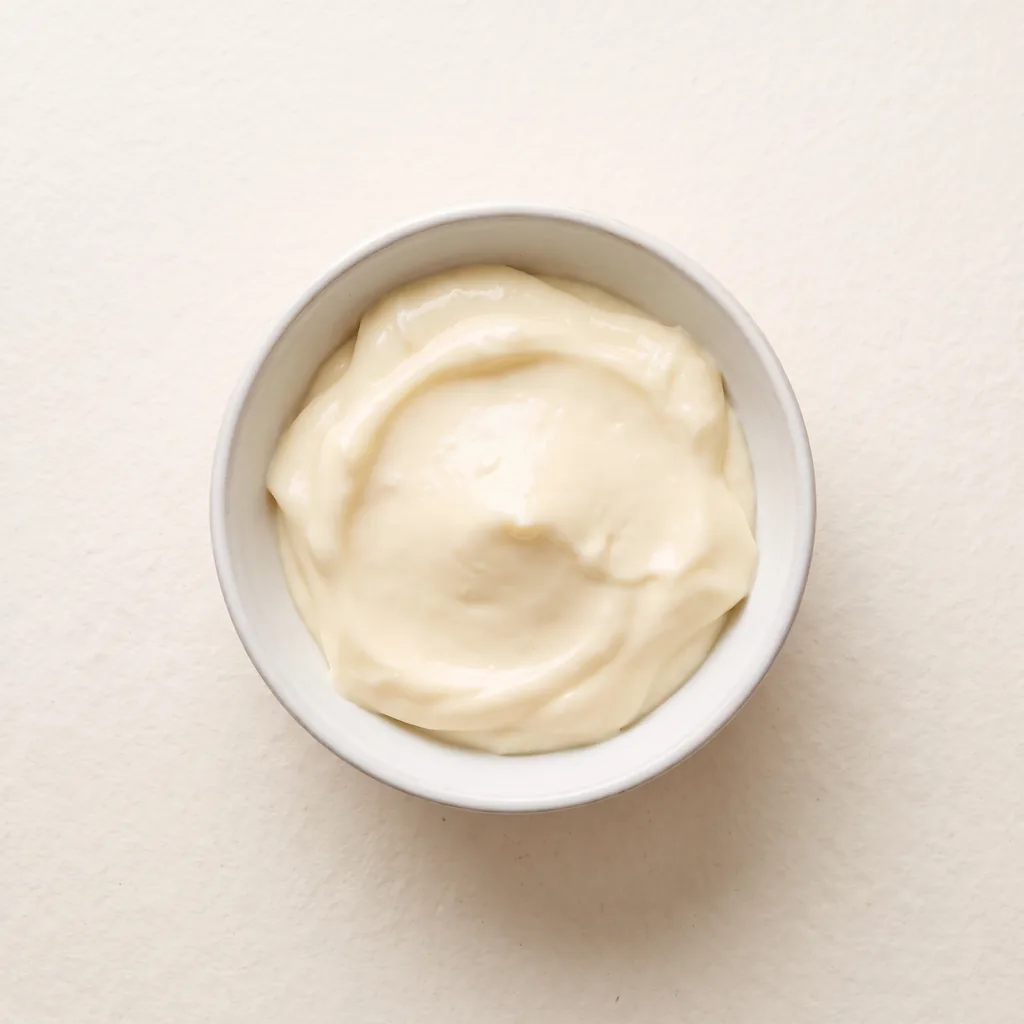
Mayonnaise prepared for a babyAllergen, day 1/3

About mayonnaise

Classic mayonnaise is a thick sauce that blends oil with egg yolk and something acidic. Versions for vegans and for people avoiding allergens are on the market. The name is French, and the sauce comes from Europe. Today it is loved around the world.

Fat makes up much of most mayonnaise. It supplies omega-3 fats, vitamin K and a bit of choline.

Also known as: mayonez, mayonnaise, mayo

  • Gluten-free
  • Vegetarian
  • Contains egg

Mayonnaise is offered 3 days in a row

So that any reaction can be linked to the right food, mayonnaise is offered 3 days in a row and no other new food is tried on those days.

  1. 1/3

    First taste

    Start with a small amount in the morning or around midday. Your baby is watched closely for 5 to 10 minutes after the first bite.

  2. 2/3

    Same food, same calm

    Mayonnaise is offered again the same way. No other new food is tried today.

  3. 3/3

    Introduction done

    If no reaction was seen, mayonnaise is now part of your baby's meals. It keeps being offered regularly.

Emergency

If your baby has trouble breathing or swelling of the face or tongue, call 911 (or your local emergency number) right away.

About mayonnaise allergy

FPIES warning

It is one of the known triggers of FPIES (a delayed-onset food allergy). In this condition, repeated severe vomiting, pallor and lethargy may occur, usually 1-4 hours after the food is eaten. Diarrhea may appear later. These symptoms require urgent medical evaluation.

Mayonnaise usually contains egg, a common allergen. Some recipes also hold sesame, soy or wheat. Some kinds contain mustard, a common allergen in some parts of the world.

There may be sulfites in mayonnaise. True sulfite allergy is rare. Still, added sulfites can produce symptoms like an allergy in people with asthma.

Before serving mayonnaise, introduce its common allergens one by one and rule them out. Then, if a dish with mayonnaise causes a reaction, you can find the cause.

Start with a small amount for the first servings. If there is no reaction, raise the amount slowly.

How to prepare it by age

6 monthsStrip or mash
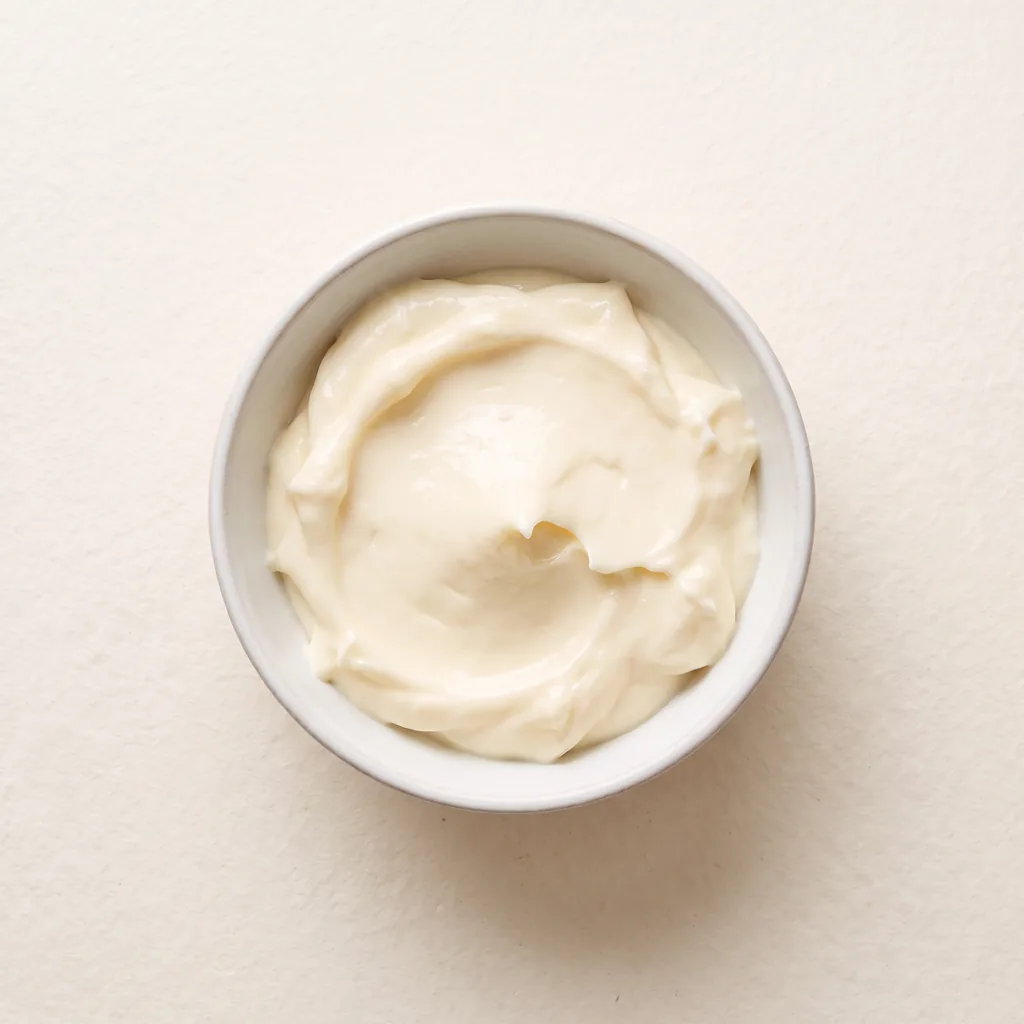
Mayonnaise prepared for 6 months

Pick store-bought, honey-free mayonnaise. Prefer one with no added salt or 100 mg of sodium or less per serving. Spread a thin layer on food baby can grip easily, such as a toast strip or a corn cob. You can also use it to bind finger foods such as fish cakes or fritters. Do not give homemade mayonnaise because of the raw egg.

Mix mayonnaise into soft foods baby can scoop, such as egg salad, pasta or mashed potato. Make sure it has no honey or raw egg.
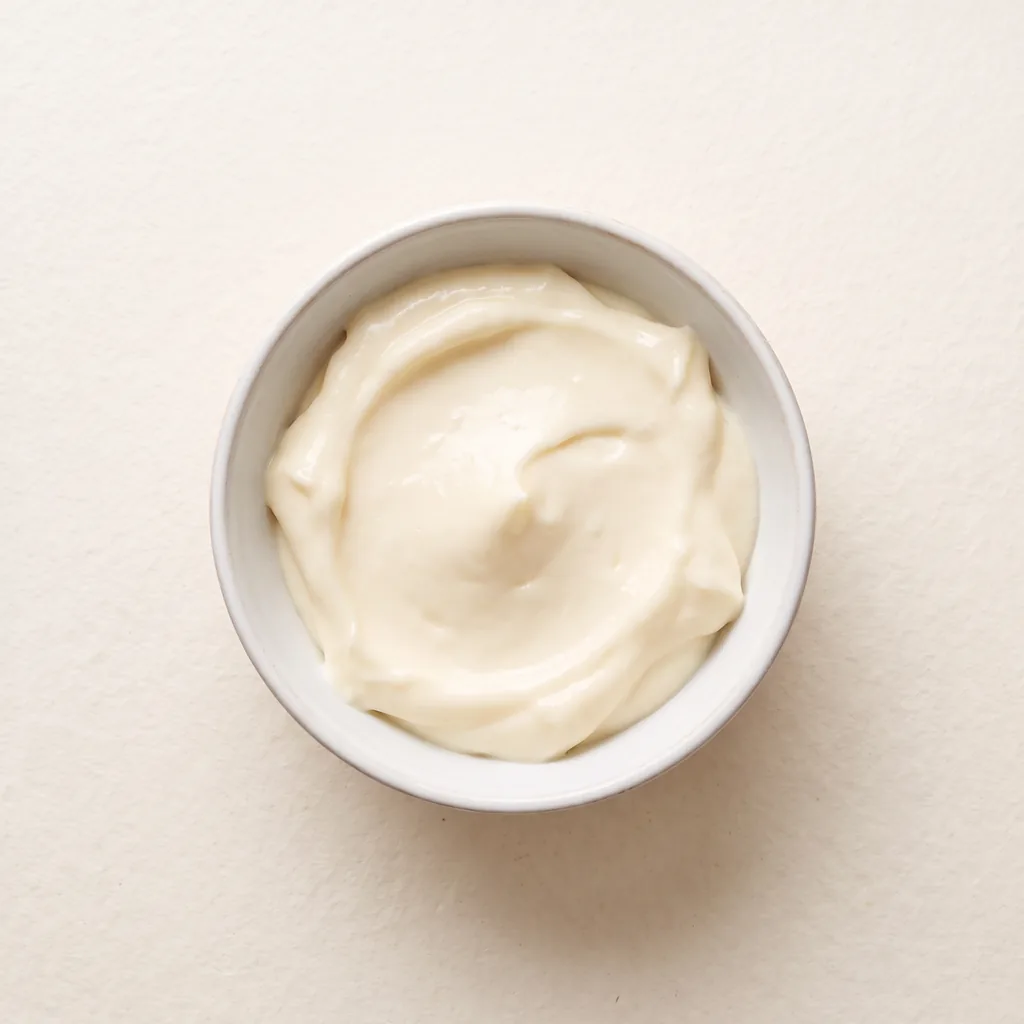
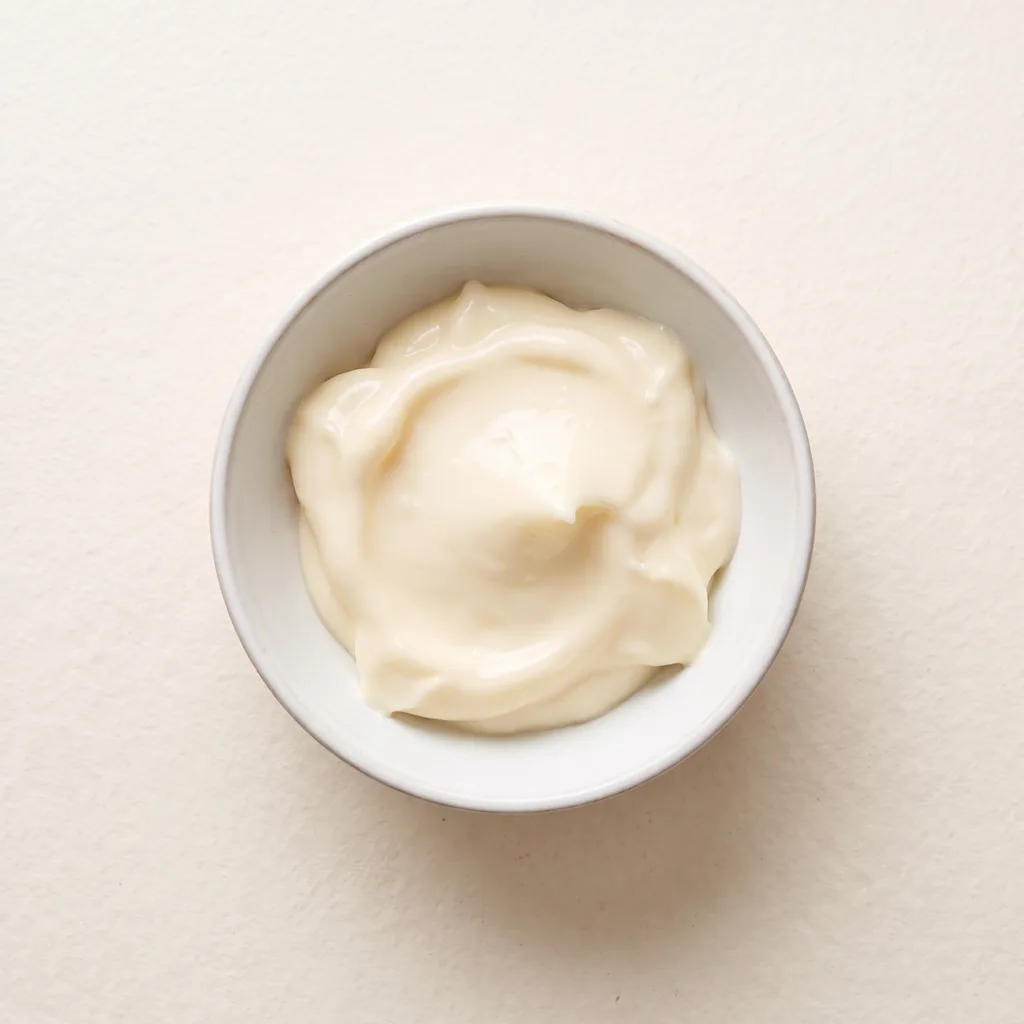
9 monthsCube

Mayonnaise prepared for 9 months

Mayonnaise can flavor foods that you have cut into small pieces, as a sauce or a seasoning. Baby practices picking them up and builds the pincer grasp. Choose a honey-free one made with pasteurized egg.

12 monthsMash

Mayonnaise prepared for 12 months

Use store-bought mayonnaise in dishes you want to share. If you serve it with a hot dog, cut the sausage into age-appropriate small pieces, because hot dogs often cause choking. A small cup of mayo-based dip is fine. At this age a child may eat or drink the sauce alone, so give very little. After 24 months the child can squeeze and spread it.

Choking risk

  1. Low
  2. Medium
  3. High

Mayonnaise seldom causes choking. The foods served with it may be. Stay beside baby, within arm's reach, for the whole meal.

Frequently asked questions

What age can babies eat mayonnaise?

You can offer mayonnaise made with pasteurized egg once baby is ready for solids, usually around 6 months. Stay away from mayonnaise that contains honey. Honey carries infant botulism risk for babies under 12 months.

Is mayonnaise a common allergen?

Mayonnaise usually contains egg, a common allergen. Some recipes also hold sesame, soy or wheat. Some kinds contain mustard, a common allergen in some parts of the world.

How do you prepare mayonnaise for babies?

For a 6-month-old: Pick store-bought, honey-free mayonnaise. Prefer one with no added salt or 100 mg of sodium or less per serving. Spread a thin layer on food baby can grip easily, such as a toast strip or a corn cob. You can also use it to bind finger foods such as fish cakes or fritters. Do not give homemade mayonnaise because of the raw egg.

Is mayonnaise a choking hazard for babies?

Mayonnaise seldom causes choking. The foods served with it may be. Stay beside baby, within arm's reach, for the whole meal.

Can I give homemade mayonnaise?

No. Raw egg yolk carries a risk of foodborne illness and babies are hit harder. Choose store-bought mayonnaise made with pasteurized egg, or an eggless one.

Can mayonnaise contain honey?

Some recipes include honey. Honey carries infant botulism risk before 12 months. Check the ingredients and choose a honey-free one.

Is mayonnaise salty?

Often yes. Choose a no-salt-added type or one with 100 mg of sodium or less per serving.

Prepared by the Lokmini team | Last updated November 17, 2026

Share:WhatsApp

Want to add this food to your baby's solid food calendar?

Join Lokmini to learn how this food is served at each age and to keep track of every food your baby tries.

Join Lokmini

Starting Solids

When and how to start solids, and what happens in the first week?

Read the guide

Similar foods

Let's get ready for the first bite together

Lokmini builds a day-by-day plan for your baby's age. Leave your email for new guides and our newsletter.

Start Your Journey