Skip to content

Dietitian's view

You can give millet as porridge.

Uzm. Dyt. Berk AysanPrepared the latest update, November 14, 2026

Lokmini is not a healthcare provider and does not offer health services. For your baby's specific needs, talk to your doctor or a dietitian.

  • Grains
  • 6 mo+
  • Low choking risk

Millet for babies: when to start

Millet can be offered when your baby is ready for solids, usually around 6 months. It is a naturally gluten-free grain.

  • Carbohydrate
  • Fiber
  • Protein
  • Calcium
  • Folate
  • Vitamin B6
Millet prepared for a baby

About millet

Millet is a general name for several kinds of small-seeded grains. It has long been a staple food, especially in Africa and Asia.

There are different types, such as pearl millet, finger millet, foxtail millet and proso millet. These types can differ in their nutrients.

For babies, you can cook it until fully soft and serve it as porridge, in soup or in other soft dishes.

Nutrition

Millet mainly provides carbohydrates and adds to your baby's energy intake. It also contains plant protein, fiber and various vitamins and minerals.

Depending on the type, millet can provide magnesium, phosphorus, zinc, iron and B vitamins. Finger millet in particular can contain more calcium than some other millets.

Millet also contains natural plant compounds with antioxidant properties, such as phenolic compounds. But it has not been shown that they bring any special health benefit to babies.

The iron in millet varies with the type and how it is processed. Also, the phytates it contains can reduce the absorption of minerals such as iron and zinc.

You can serve millet together with vegetables and fruit that contain vitamin C. Still, millet should not be seen as your baby's only iron source.

Do all millet types have the same nutrients?

No. Millet is not the name of a single grain. It covers various small-seeded grains from different plants. For example, finger millet can contain more calcium than some other millets. Iron, zinc, protein and fiber also vary between types. So the nutrients of one millet type should not be assumed for all millet products.

Also known as: bajra, dari, darı, inci darı, parmak darı, ragi

  • Gluten-free
  • Vegan

How to prepare it by age

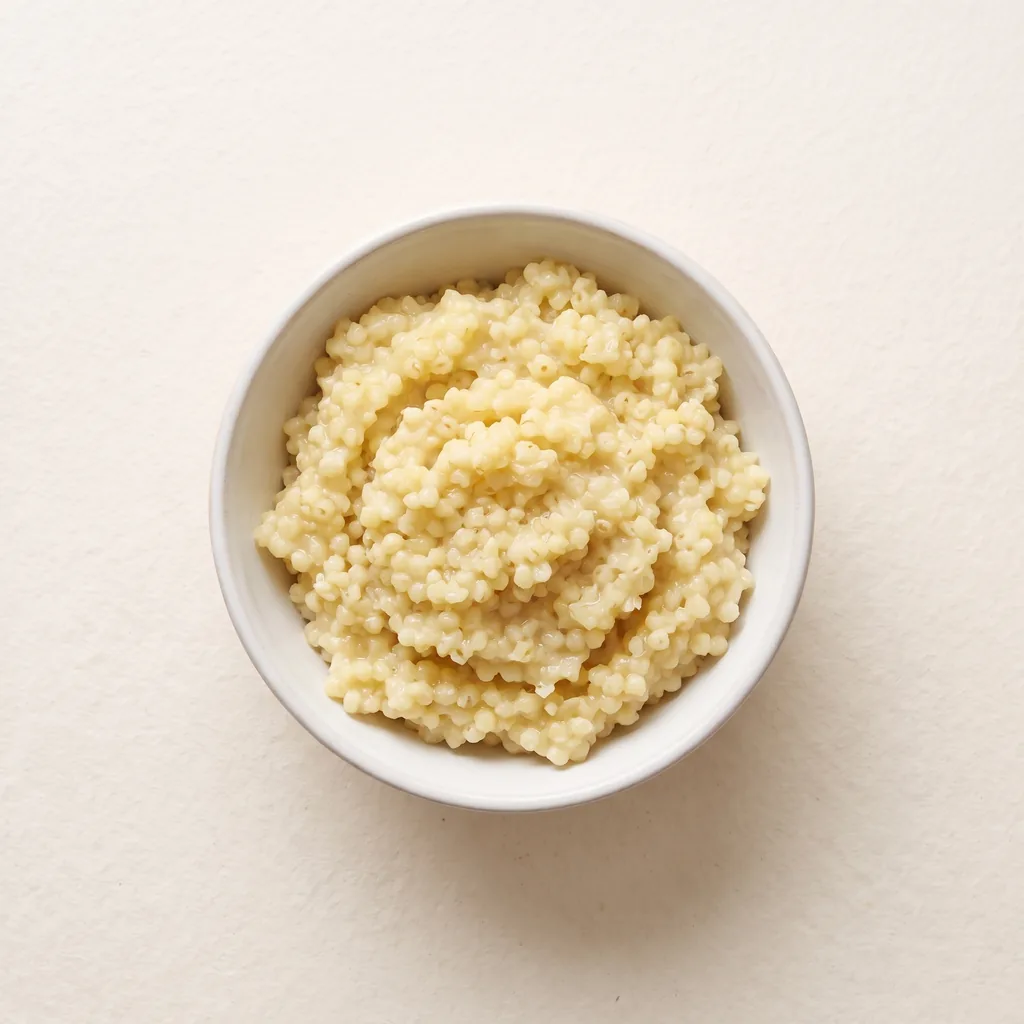
6 monthsMash

Millet prepared for 6 months

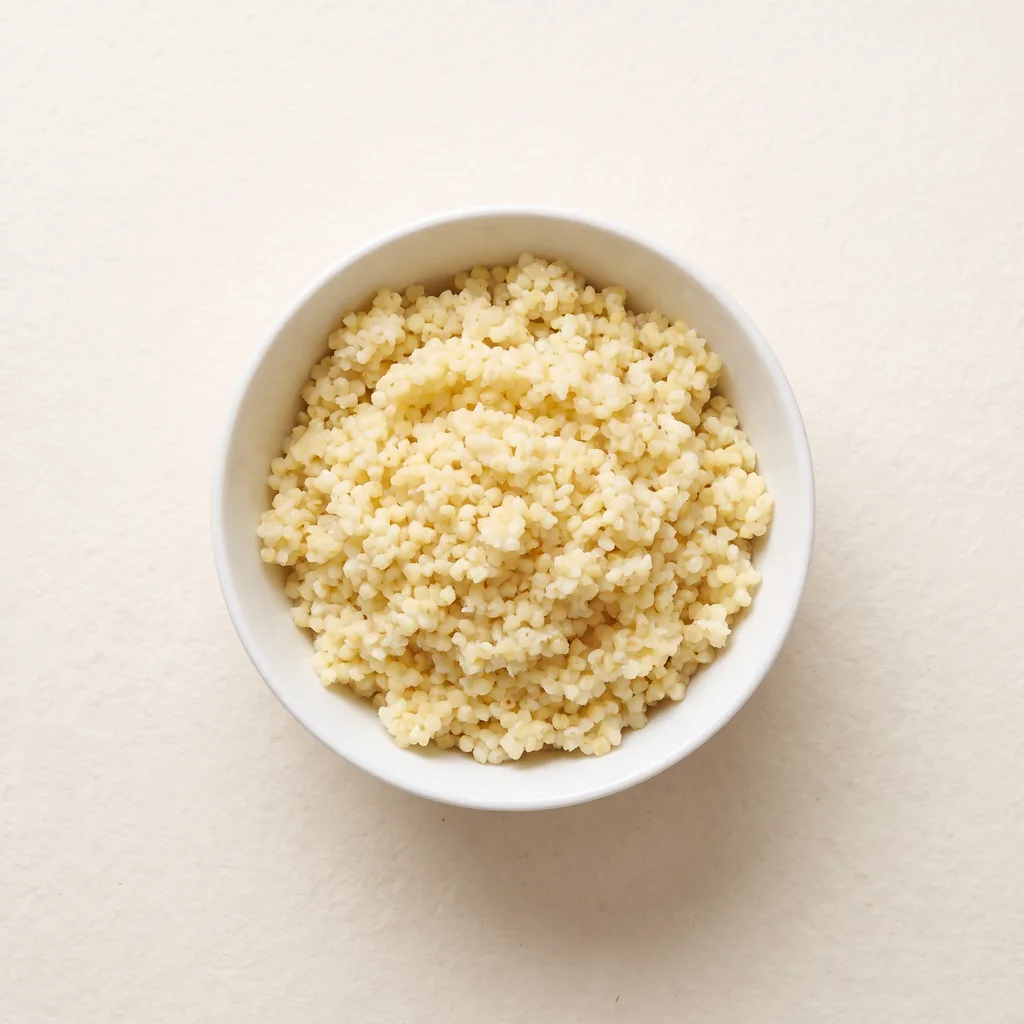
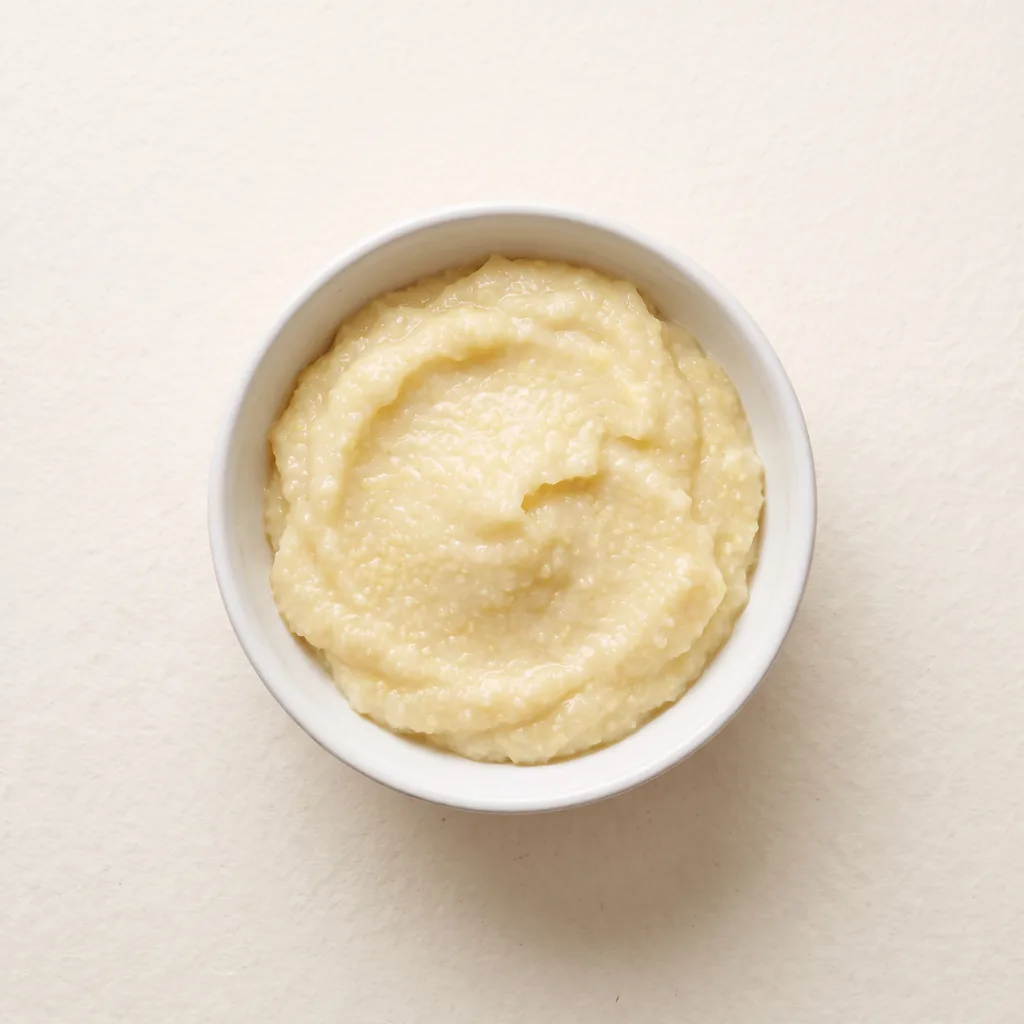
Rinse millet well, then simmer 1 part millet in 3 parts water until soft. Loosen to a porridge with breast milk or water. Being gluten-free, it can be one of the first grains. You can stir it into vegetable mash. Mixing it into yogurt or stewed greens also helps bind the tiny grains.
9 monthsMash

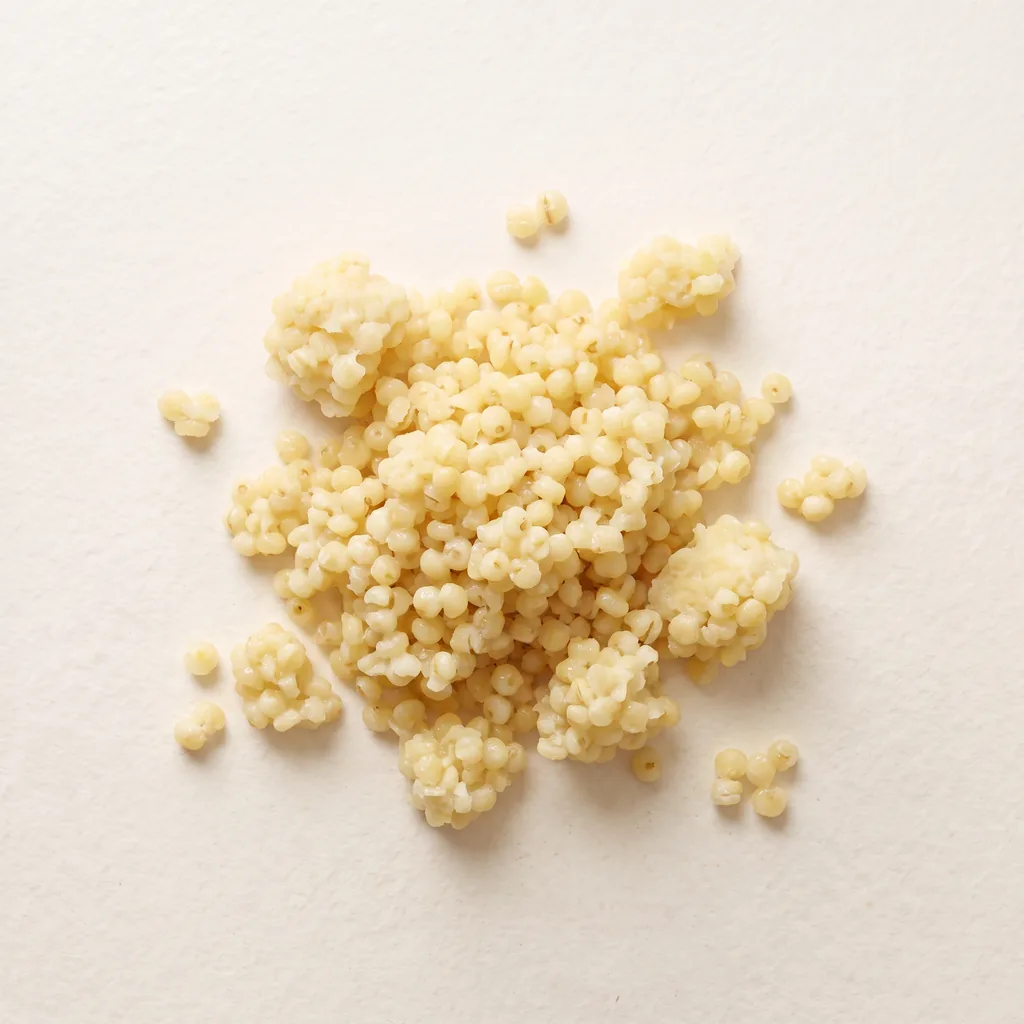
Millet prepared for 9 months

Cut: Fork mashed

Lightly mash well-cooked millet, or serve a thick porridge on a preloaded spoon. You can also mix it with vegetables and lentils and shape small balls to eat by hand. Pressing the grains flat with a fork back helps them stick together.

12 monthsCube

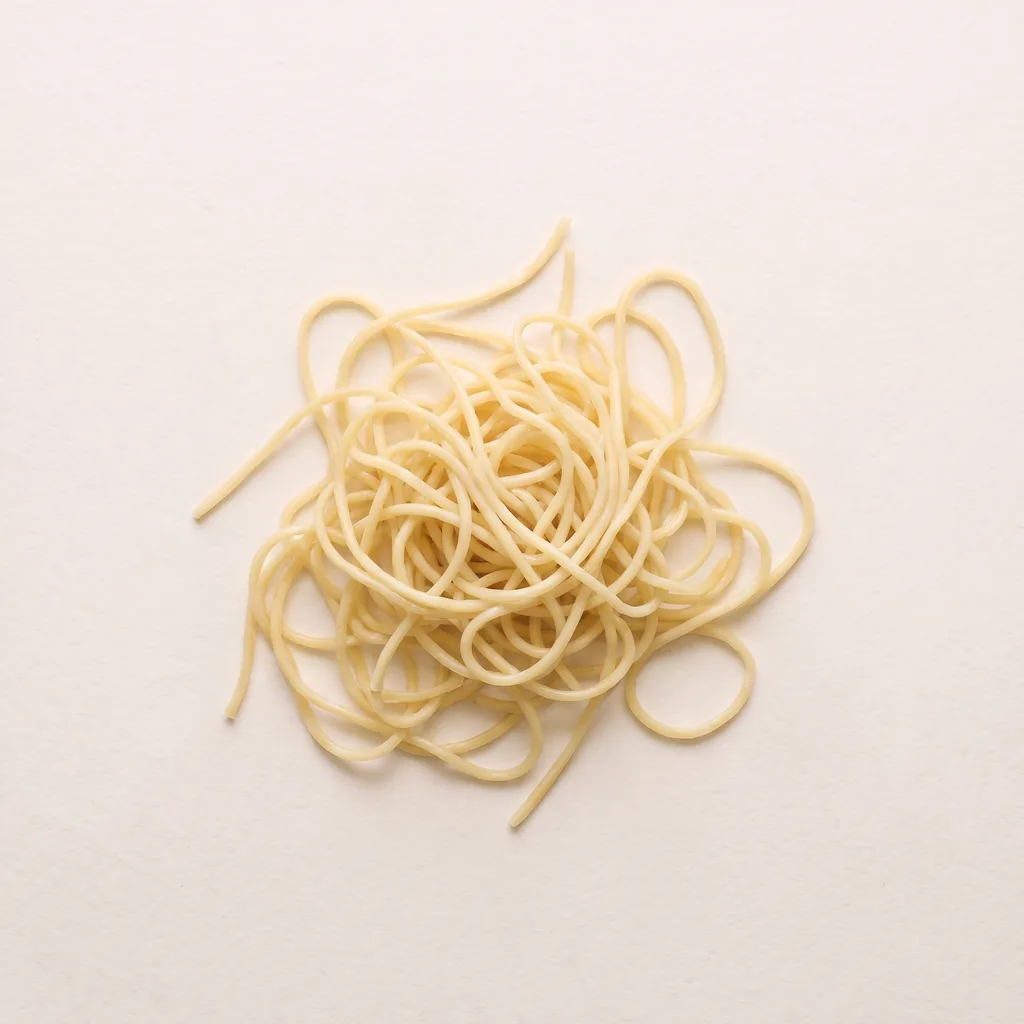
Millet prepared for 12 months

Serve cooked millet as whole grains like rice, or inside millet patties and fritters. Cook with little salt. If the grains fall apart, bind them with yogurt. Pressing with a fork back also helps. You can add an age-suitable utensil for practice, but no pressure.

Choking risk

  1. Low
  2. Medium
  3. High

Well-cooked, soft, moist millet carries a low choking risk when served properly.

The small millet grains can scatter in the mouth and make the food harder for your baby to manage. At first, mashing the grains with a fork or mixing them with soft foods such as yogurt or vegetable puree can help.

Do not give your baby raw, hard or undercooked millet grains.

Make sure millet meatballs or fritters are not hard, dry or crunchy.

Your baby should sit upright and supported during meals, eat at their own pace and never be left unattended.

Allergen information

Millet is not one of the common food allergens. But rare allergic reactions to millet, including serious ones, have been reported.

Millet is naturally gluten-free. So pure millet can be a suitable grain choice for people with celiac disease. But for ready-made products, check the risk of cross-contamination with grains that contain gluten.

When you offer it for the first time, start with a small amount and watch how your baby responds.

Hives, lip swelling, vomiting, coughing or wheezing can be signs of an allergic reaction. For serious signs such as trouble breathing or swelling of the tongue or throat, call emergency services right away.

If your baby has had an allergic reaction to millet before, do not give it again without a doctor's assessment.

Frequently asked questions

What age can babies eat millet?

Millet can be offered when your baby is ready for solids, usually around 6 months. It is a naturally gluten-free grain.

Is millet a common allergen?

Millet is not one of the common food allergens. But rare allergic reactions to millet, including serious ones, have been reported.

How do you prepare millet for babies?

For a 6-month-old: Rinse millet well, then simmer 1 part millet in 3 parts water until soft. Loosen to a porridge with breast milk or water. Being gluten-free, it can be one of the first grains. You can stir it into vegetable mash. Mixing it into yogurt or stewed greens also helps bind the tiny grains.
Is millet a choking hazard for babies?

Well-cooked, soft, moist millet carries a low choking risk when served properly.

Is millet gluten-free?

Yes. Millet is naturally gluten-free. But for celiac disease, check the product label because of the risk of cross-contamination with gluten.

Is millet rich in iron?

Some types of millet can contain a fair amount of iron, but this is not true for every kind. Also, iron from plants may be poorly absorbed. Millet on its own is not enough to meet your baby's iron needs.

Does millet cause gas in babies?

Because of its fiber, large servings may cause gas or tummy discomfort in some babies. But this does not happen in every baby.

Does millet have to be pureed?

No. Puree is not required. Millet should be fully cooked, soft and prepared to suit your baby's eating skills.

Can I make pancakes or meatballs with millet?

Yes. You can make soft pancakes, fritters and meatballs with well-cooked millet or millet flour. Also consider the allergens in the other ingredients you use.

Does millet meet my baby's calcium needs?

Some types of millet, especially finger millet, can stand out for calcium. But millet on its own should not be seen as a food that meets your baby's calcium needs.
Share:WhatsApp

Want to add this food to your baby's solid food calendar?

Join Lokmini to learn how this food is served at each age and to keep track of every food your baby tries.

Join Lokmini

Starting Solids

When and how to start solids, and what happens in the first week?

Read the guide

Similar foods

Let's get ready for the first bite together

Lokmini builds a day-by-day plan for your baby's age. Leave your email for new guides and our newsletter.

Start Your Journey