Skip to content
  • Wheat and gluten allergen
  • Egg allergen
  • Grains
  • 6 mo+
  • Low choking risk

Noodles for babies: when to start

Noodles can be offered once baby is about 6 months old and ready for solids. The word covers East Asian foods such as mian, ramen, soba and udon. The dough has no yeast, and starch and water are its base. Cooks cut it into long thin strips, boil it briefly and add a sauce, much as with pasta.

  • Carbohydrates
  • Fiber (whole grain types)
  • Iron (enriched types)
  • Folate (enriched types)
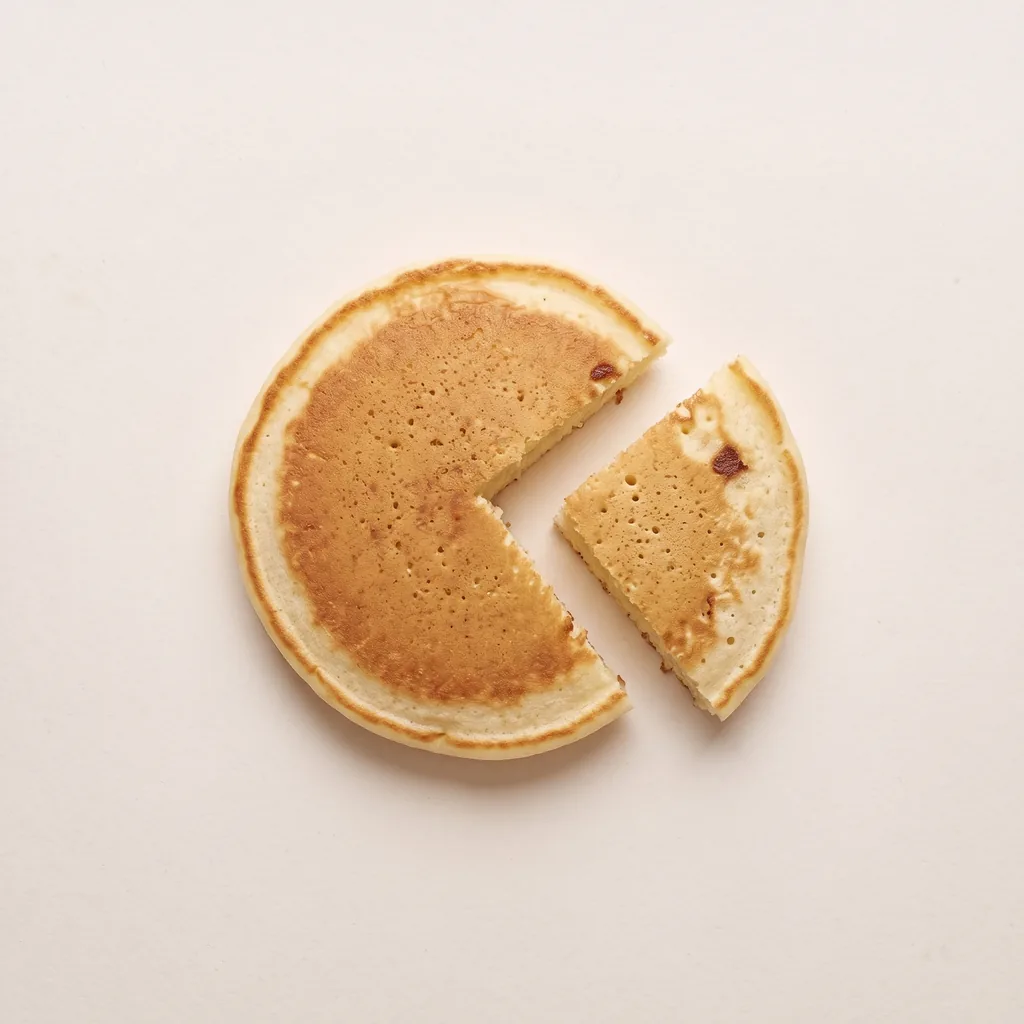
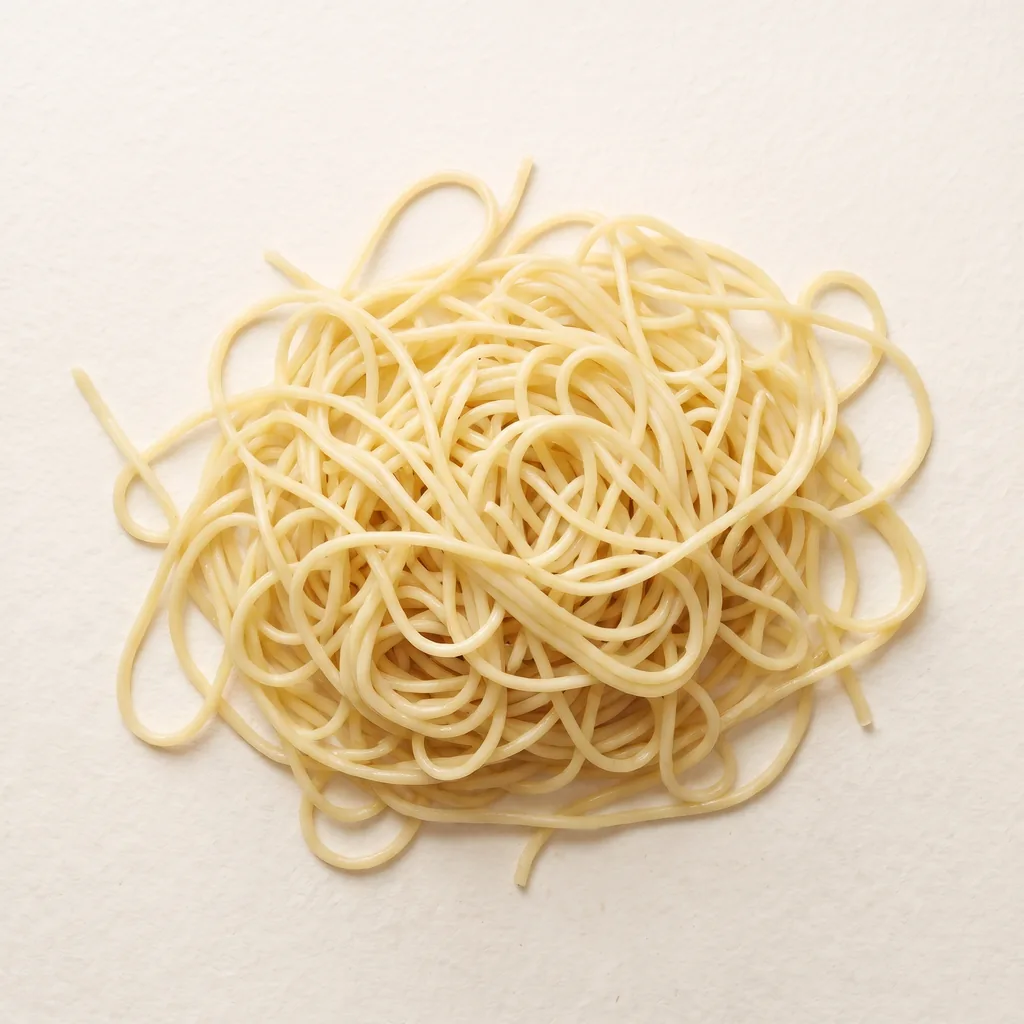
Noodles prepared for a babyAllergen, day 1/3

About noodles

Noodles can be made from wheat, egg, rice, buckwheat, mung bean, kudzu, kelp and many other ingredients. They show up in soups, salads and stir-fries.

Most noodles give carbohydrates that fuel a growing baby. Whole grain types add fiber. Enriched or legume-based noodles carry nutrients such as iron and folate.

Also known as: noodle, noodles, ramen, soba, udon, Çin eriştesi

  • Vegetarian
  • Contains egg

Noodles is offered 3 days in a row

So that any reaction can be linked to the right food, noodles is offered 3 days in a row and no other new food is tried on those days.

  1. 1/3

    First taste

    Start with a small amount in the morning or around midday. Your baby is watched closely for 5 to 10 minutes after the first bite.

  2. 2/3

    Same food, same calm

    Noodles is offered again the same way. No other new food is tried today.

  3. 3/3

    Introduction done

    If no reaction was seen, noodles is now part of your baby's meals. It keeps being offered regularly.

Emergency

If your baby has trouble breathing or swelling of the face or tongue, call 911 (or your local emergency number) right away.

About noodles allergy

Depending on the type, noodles can contain wheat, egg or other allergens. Read the ingredient list before serving. Ideally, wait until the relevant allergies have been ruled out. Rice or mung bean noodles are wheat free, but cross-contact can happen in production.

About 80 percent of children with egg allergy outgrow it by school age. Wheat allergy is often outgrown by the teen years.

When you introduce a new allergen, start with a small amount and watch closely.

How to prepare it by age

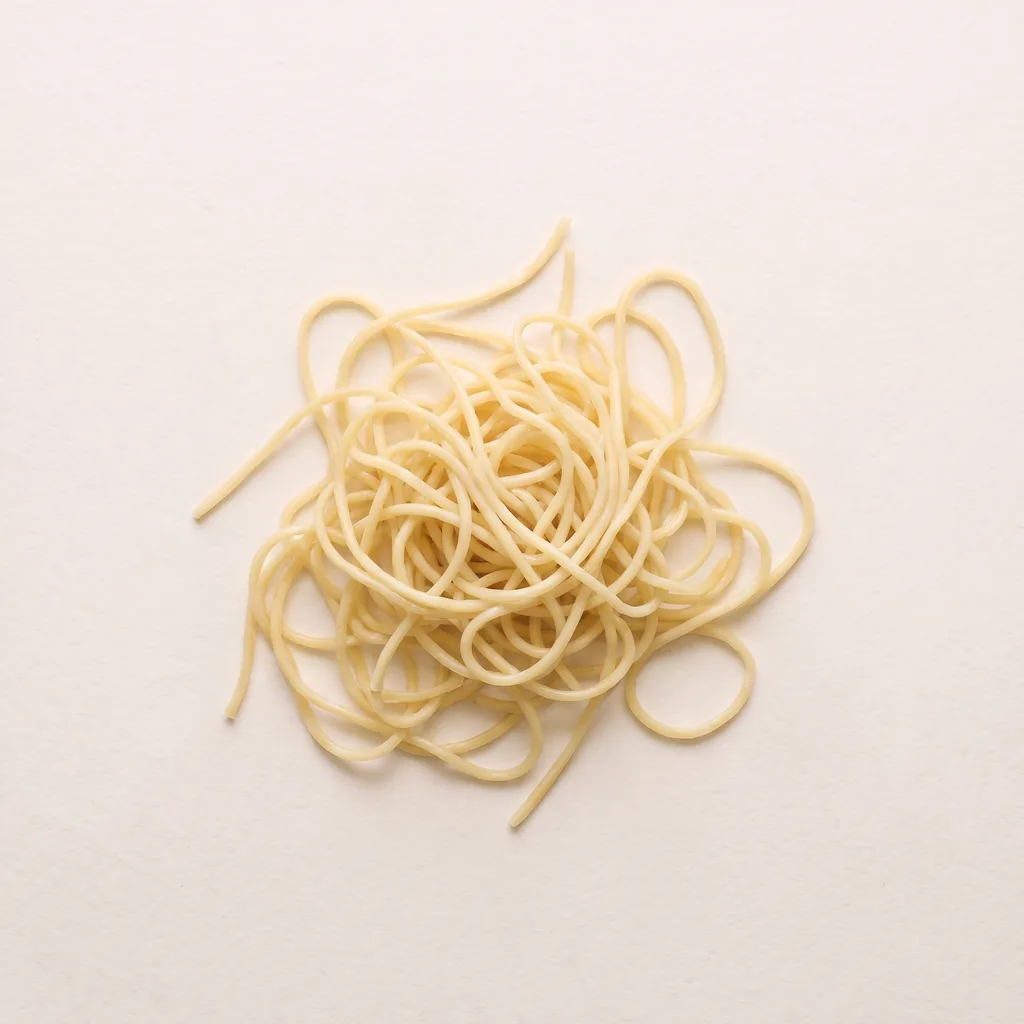
6 monthsStrip

Noodles prepared for 6 months

You can serve cooked noodles as they are, but they can set off a strong gag reflex. A bowl instead of the tray helps baby scoop them. Cut noodles into pieces no longer than about 3 inches (8 cm), or toss them in sauce or a little oil. Check the pack, since wheat and egg are common. Make sure those allergens have been tried safely first.
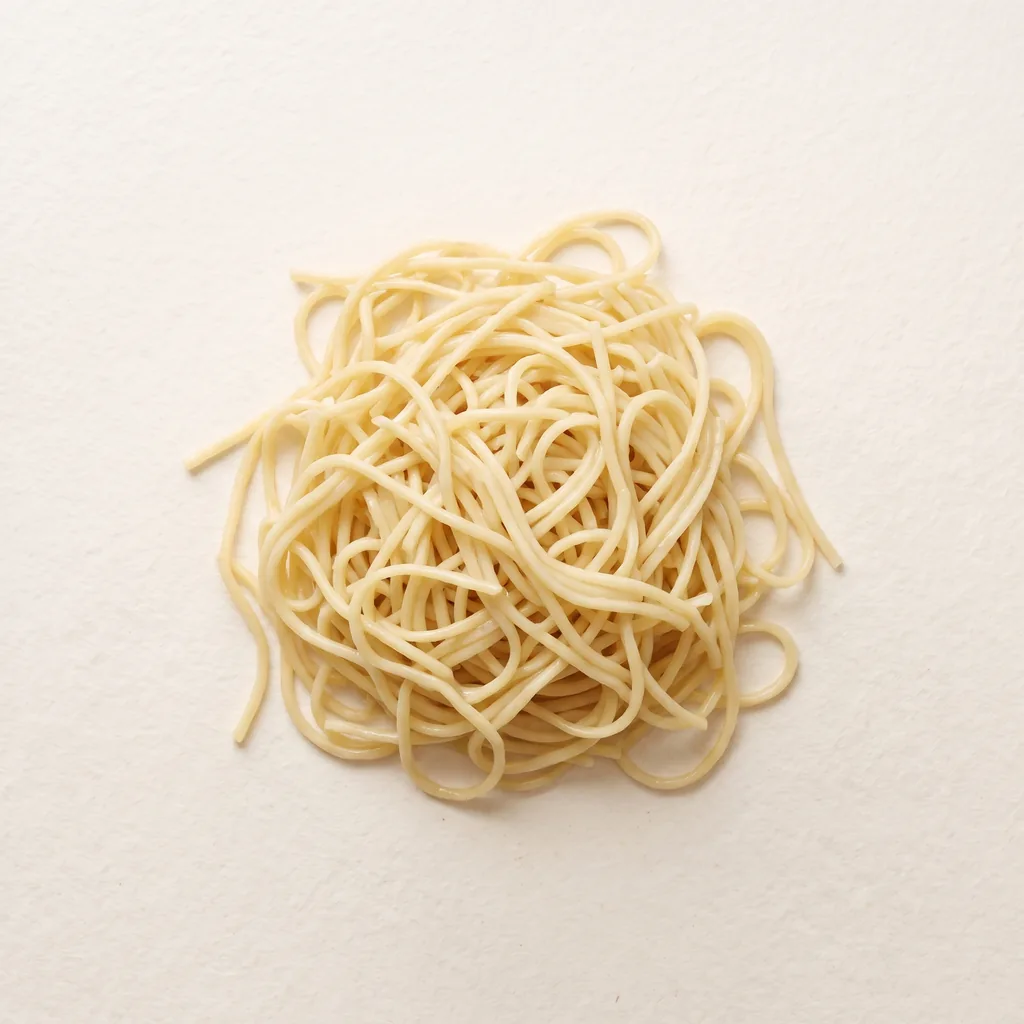
12 monthsCube

Noodles prepared for 12 months

At this age children can often handle long noodles unmodified. You can still cut them short. Show how to pick them up with a fork or chopsticks and let your child try. It is fine if they still use their hands, since steady fork use usually comes after 24 months.

Choking risk

  1. Low
  2. Medium
  3. High

Cooked noodles carry a low choking risk. Served plain, though, they can stick and cause strong gagging. Toss them in sauce or coat them with a little oil. Shorten very long strands.

Stay within arm's reach of your baby during meals.

Frequently asked questions

What age can babies eat noodles?

Noodles can be offered once baby is about 6 months old and ready for solids. The word covers East Asian foods such as mian, ramen, soba and udon. The dough has no yeast, and starch and water are its base. Cooks cut it into long thin strips, boil it briefly and add a sauce, much as with pasta.

Is noodles a common allergen?

Depending on the type, noodles can contain wheat, egg or other allergens. Read the ingredient list before serving. Ideally, wait until the relevant allergies have been ruled out. Rice or mung bean noodles are wheat free, but cross-contact can happen in production.

How do you prepare noodles for babies?

For a 6-month-old: You can serve cooked noodles as they are, but they can set off a strong gag reflex. A bowl instead of the tray helps baby scoop them. Cut noodles into pieces no longer than about 3 inches (8 cm), or toss them in sauce or a little oil. Check the pack, since wheat and egg are common. Make sure those allergens have been tried safely first.
Is noodles a choking hazard for babies?

Cooked noodles carry a low choking risk. Served plain, though, they can stick and cause strong gagging. Toss them in sauce or coat them with a little oil. Shorten very long strands.

Do noodles contain gluten?

It depends on the type. Wheat noodles contain gluten. Rice, mung bean or pure buckwheat noodles can be gluten free. Read the label.

Can babies have instant noodles?

Instant noodles and their flavor packets are very salty. Do not give the packet to a baby. It is better to check the label and choose a lower-salt product.

Why do noodles make my baby gag?

Plain noodles are long and sticky. Coat them in sauce or cut them into pieces no longer than about 8 cm.

Prepared by the Lokmini team | Last updated November 17, 2026

Share:WhatsApp

Want to add this food to your baby's solid food calendar?

Join Lokmini to learn how this food is served at each age and to keep track of every food your baby tries.

Join Lokmini

Starting Solids

When and how to start solids, and what happens in the first week?

Read the guide

Similar foods

Let's get ready for the first bite together

Lokmini builds a day-by-day plan for your baby's age. Leave your email for new guides and our newsletter.

Start Your Journey