Skip to content
  • Vegetables
  • 6 mo+
  • Medium choking risk

Onion for babies: when to start

Onion can be offered once baby is about 6 months old and ready for solids. It belongs to the same plant family as garlic and chives. That family has more than 500 species growing in many climates. Onions are eaten fresh in salads, baked into breads and pastries, cooked as the base of countless dishes, and preserved in kimchi and pickles.

  • Carbohydrates
  • Fiber
  • Folate
  • Potassium
  • Vitamin B6
  • Vitamin C
Onion prepared for a baby

About onion

Onion supplies carbohydrate, fiber, and fluid, along with potassium, folate, and vitamins C and B6. It carries antioxidants such as anthocyanins, flavonoids and polyphenols. Red onion has more anthocyanins and quercetin than other colors.

Also known as: soğan, kuru soğan, kırmızı soğan, mor soğan, arpacık soğan

  • Gluten-free
  • Vegan

How to prepare it by age

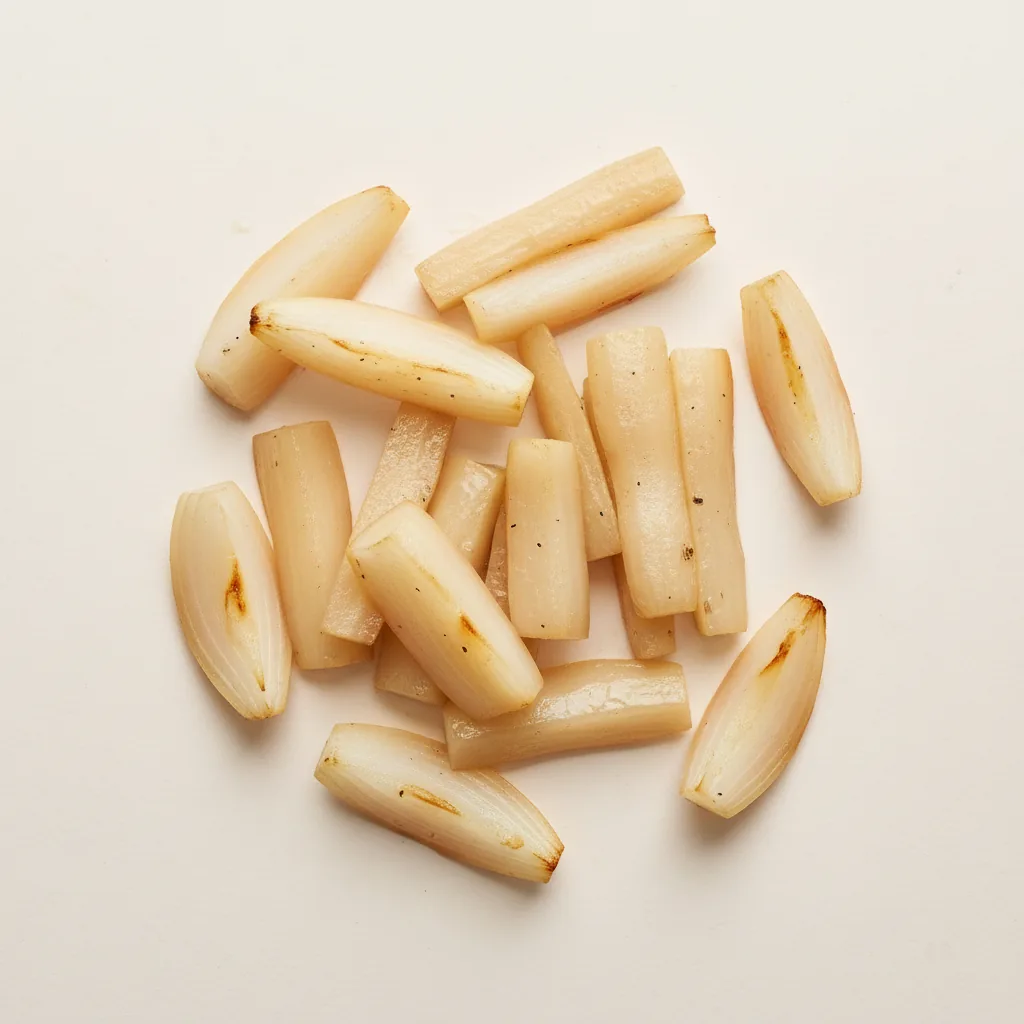
6 monthsMash or slice
Onion prepared for 6 months

Mince, chop or slice well-cooked onion and add it to meals. It goes into grain, legume and rice dishes, omelets and egg dishes, bean or fish patties and meatballs. Small round onions such as pearl onions carry a higher choking risk, so cook them, chop them and mix them into other foods.

Cut: Thick wedge

Hand over cooked onion as big slices or wedges for chewing. If you want your baby to meet the strong taste of raw onion, hand over a big piece of an outer layer. Very little of it will get swallowed.
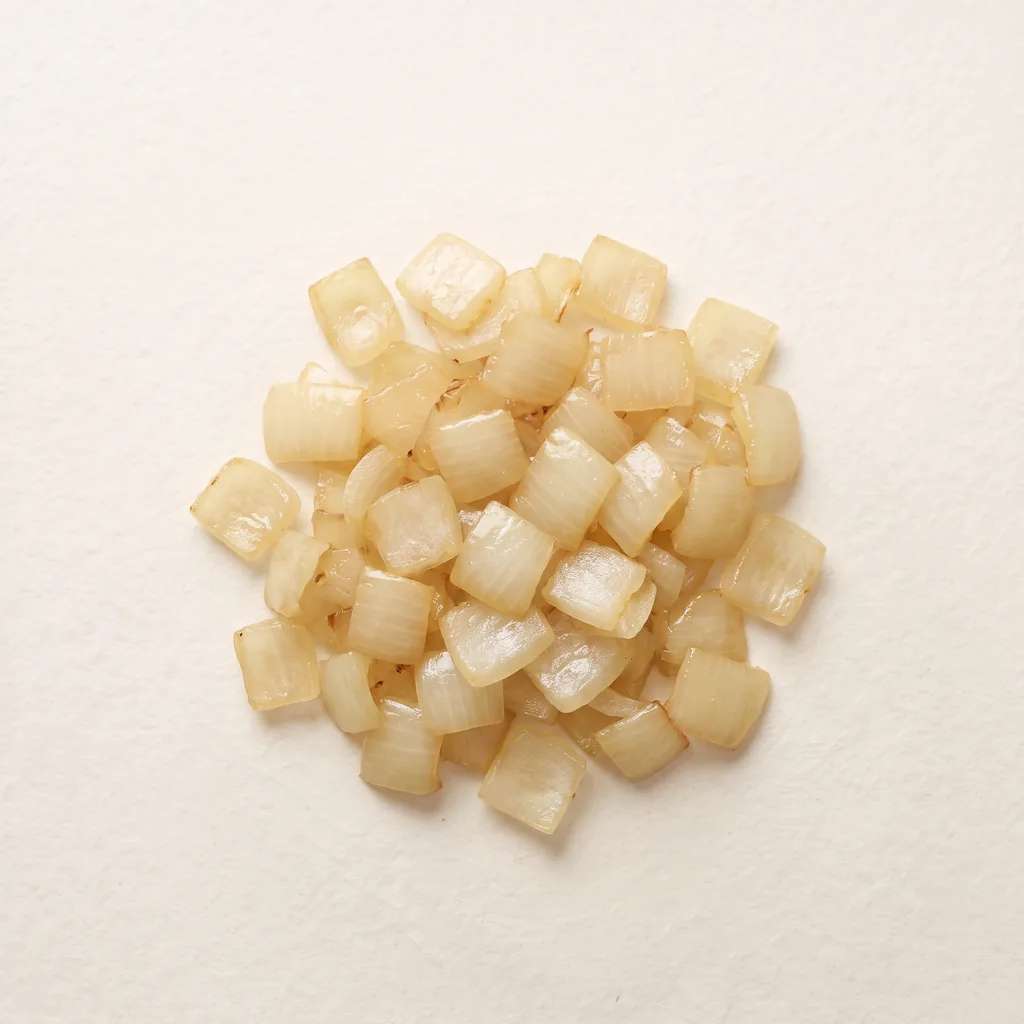
9 monthsCube

Onion prepared for 9 months

Serve cooked onion in small pieces or soft thin slices, alone or in family meals. Cook and chop small round onions, or smash them flat. You can still offer big layers of raw onion, but at this age baby may bite off pieces, so expect plenty of spitting.

12 monthsCube

Cut: Large piece

Larger pieces of onion that are cooked until very soft help your child learn to chew and swallow. Raw onion is possible too, chopped fine or sliced very thin. Small round onions can be served cooked. Once you are sure your child chews well and does not overstuff the mouth, pickled small onions are an option.

Choking risk

  1. Low
  2. Medium
  3. High

Because raw onion is firm and slippery, it can be a choking risk for babies. Well-cooked, properly prepared onion usually carries a low risk.

Cook onion until completely soft and chop it to suit your baby's chewing skills. Cut long, slippery layers smaller. Do not serve small, round onions such as pearl onions whole. Chop or mash them after cooking.

Your baby should sit upright while eating, and an adult should stay within arm's reach the whole time.

Allergen information

Onion is not a common food allergen. Allergic reactions to onion have rarely been reported.

Onion belongs to the same Allium genus as garlic, leeks and chives. Because some allergen proteins in these plants are similar, cross-reactions can occur. But that does not mean everyone allergic to one will be allergic to the others.

In pollen food allergy syndrome, some plant foods can cause itching, tingling or burning in the mouth. Still, evidence of clinically meaningful cross-reactions between onion and pollens is limited.

When you first offer onion to your baby, start with a small amount. If you see no allergic signs, you can increase the amount at later meals.

If you see signs such as hives, repeated vomiting or swelling of the lips, stop giving onion and get a medical assessment. If you see serious signs such as trouble breathing or swelling of the tongue or throat, call emergency services right away.

Frequently asked questions

What age can babies eat onion?

Onion can be offered once baby is about 6 months old and ready for solids. It belongs to the same plant family as garlic and chives. That family has more than 500 species growing in many climates. Onions are eaten fresh in salads, baked into breads and pastries, cooked as the base of countless dishes, and preserved in kimchi and pickles.

Is onion a common allergen?

Onion is not a common food allergen. Allergic reactions to onion have rarely been reported.

How do you prepare onion for babies?

For a 6-month-old: Mince, chop or slice well-cooked onion and add it to meals. It goes into grain, legume and rice dishes, omelets and egg dishes, bean or fish patties and meatballs. Small round onions such as pearl onions carry a higher choking risk, so cook them, chop them and mix them into other foods.

Is onion a choking hazard for babies?

Because raw onion is firm and slippery, it can be a choking risk for babies. Well-cooked, properly prepared onion usually carries a low risk.

Can babies have raw onion?

Raw onion is firm and slippery, so it is not recommended when your baby is just starting solids. Cook onion well until soft. As your baby's chewing skills develop, you can add very finely chopped raw onion to dishes.

Can babies have red onion?

Yes. Red onion can also be given well cooked from about 6 months. Prepare it to suit your baby's chewing skills, like other onions. Red onion contains plant compounds such as anthocyanins, which give it its color, and quercetin.

Can babies have pickled onions?

Pickled onions usually contain a lot of salt, so they are not recommended, especially when your baby is just starting solids. If you offer them now and then to older children, choose low-sodium options. Do not give small, round pickled onions whole. Chop them to suit your child's chewing skills.

Prepared by the Lokmini team | Last updated November 19, 2026

Share:WhatsApp

Want to add this food to your baby's solid food calendar?

Join Lokmini to learn how this food is served at each age and to keep track of every food your baby tries.

Join Lokmini

Starting Solids

When and how to start solids, and what happens in the first week?

Read the guide

Similar foods

Let's get ready for the first bite together

Lokmini builds a day-by-day plan for your baby's age. Leave your email for new guides and our newsletter.

Start Your Journey