Skip to content

Dietitian's view

You can give paprika that is not hot and has no additives.

Lokmini is not a healthcare provider and does not offer health services. For your baby's specific needs, talk to your doctor or a dietitian.

  • Herbs and spices
  • 6 mo+
  • Low choking risk

Paprika for babies: when to start

You can introduce paprika once your baby is ready for solids, usually around 6 months. Start with a little sweet or mild paprika.

  • Vitamin A
  • Vitamin B6
  • Vitamin E
  • Carotenoids
  • Fiber
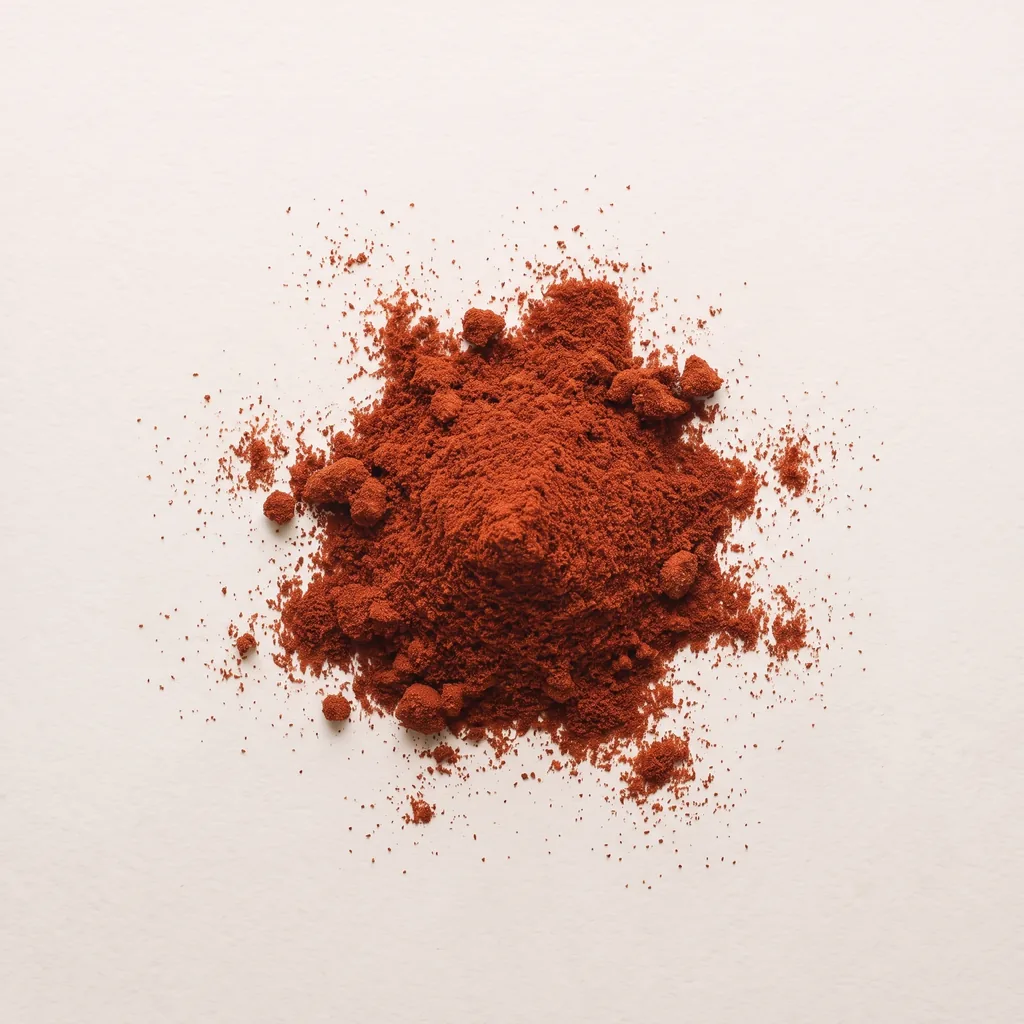
Paprika prepared for a baby

About paprika

This spice comes from dried, ground peppers of several varieties, and its taste runs from hot to sweet. The pepper plant is native to the Americas. In Eastern European cooking it flavors sauces, soups and stews.

Paprika holds small amounts of vitamins A, B6 and E, minerals and fiber. Its carotenoids are antioxidants.

Also known as: paprika, tatlı kırmızı biber, kırmızı toz biber, macar biberi

  • Gluten-free
  • Vegan

How to prepare it by age

6 monthsMash

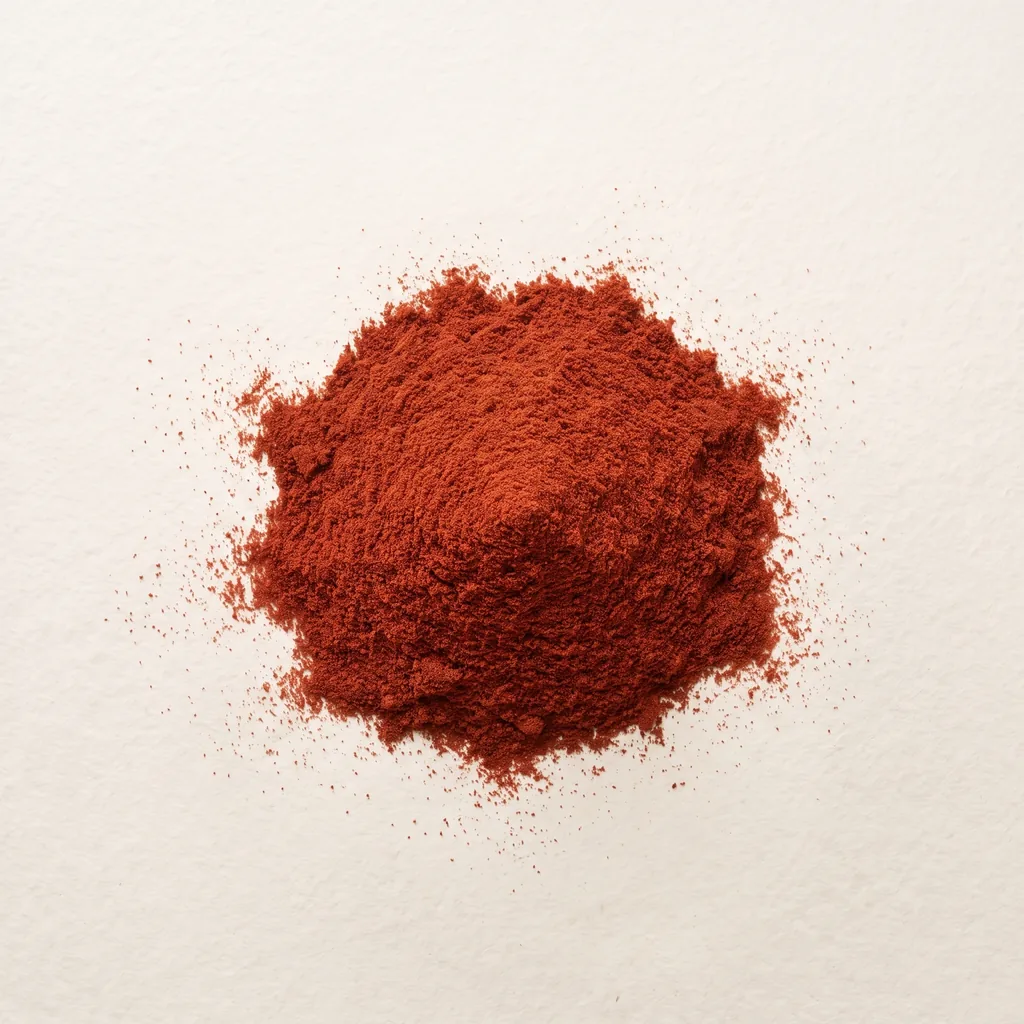
Paprika prepared for 6 months

Season food lightly with paprika. Begin with sweet or mild paprika, since some kinds are quite hot. Wait until your baby is older before serving very spicy dishes often. The goal is to show that food is pleasant and not painful. Paprika may trigger coughing. To soften the heat, serve it with plain yogurt, mashed avocado, or a few sips of breast milk or formula.
12 monthsMash

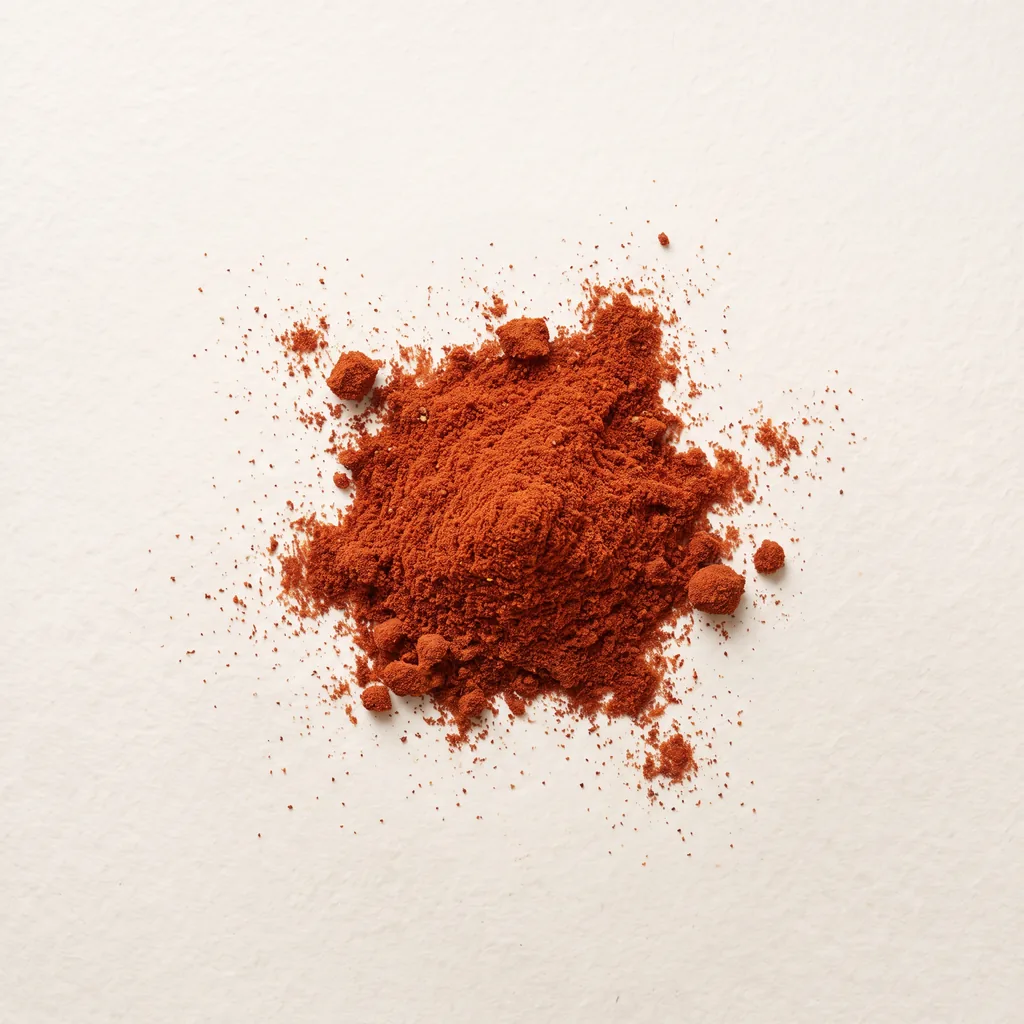
Paprika prepared for 12 months

Keep seasoning age-appropriate dishes with paprika. Adjust the amount to your child's taste. Plain yogurt, mashed avocado, or milk in a small cup next to the meal will tame the spice.

Choking risk

  1. Low
  2. Medium
  3. High

Ground paprika mixed in small amounts into moist foods carries a low choking risk when served properly.

But putting dry spice powder straight into the mouth can cause coughing and a risk of breathing it in.

Mix paprika well into food prepared to suit your baby's age.

Check the choking risk of the other ingredients in paprika dishes separately.

Your baby should sit upright for the whole meal and stay under your constant watch.

Allergen information

Paprika is not among the common, priority food allergens. Even so, allergic reactions to red peppers can rarely happen.

In some people, pepper proteins can cross-react with pollen or latex allergens. But this does not happen in everyone with a pollen or latex allergy.

Paprika, especially the hot kinds, can cause redness or burning on the skin around the mouth. This does not always mean a food allergy.

First try

You can add a little sweet paprika to a food your baby has already tolerated.

Watch for possible reactions. If no problems come up, you can keep using it to flavor food.

If the redness comes back, spreads or comes with other symptoms, talk to a health professional.

If widespread hives, swelling of the lips or tongue, wheezing or trouble breathing develop after eating, stop giving it. If you see signs of a serious reaction, call emergency services right away.

Sweet Paprika and Hot Paprika Are Not the Same

Sweet paprika gives food a red color and a mild pepper flavor. Hot paprika can contain capsaicin and can cause burning or irritation in the mouth. Choose sweet paprika with no heat for your baby's food.

Frequently asked questions

What age can babies eat paprika?

You can introduce paprika once your baby is ready for solids, usually around 6 months. Start with a little sweet or mild paprika.

Is paprika a common allergen?

Paprika is not among the common, priority food allergens. Even so, allergic reactions to red peppers can rarely happen.

How do you prepare paprika for babies?

For a 6-month-old: Season food lightly with paprika. Begin with sweet or mild paprika, since some kinds are quite hot. Wait until your baby is older before serving very spicy dishes often. The goal is to show that food is pleasant and not painful. Paprika may trigger coughing. To soften the heat, serve it with plain yogurt, mashed avocado, or a few sips of breast milk or formula.
Is paprika a choking hazard for babies?

Ground paprika mixed in small amounts into moist foods carries a low choking risk when served properly.

Can babies eat hot paprika?

Babies do not need to eat hot spices. Capsaicin can cause burning and discomfort in the mouth, so choose sweet paprika.

Is paprika safe for babies?

Sweet paprika is generally safe in the small amounts used in cooking. Mix the spice into moist foods.

What if paprika causes a rash around the mouth?

Pepper compounds can irritate the skin. Mild redness does not always mean an allergy. If the redness spreads, comes back or comes with other symptoms, talk to your doctor.

Are sweet paprika and ground red pepper the same thing?

The sweet ground red pepper used in Turkey belongs to the same group as paprika. But how hot a product is can vary. For babies, choose sweet kinds with no additives.

Prepared by the Lokmini team | Last updated November 19, 2026

Share:WhatsApp

Want to add this food to your baby's solid food calendar?

Join Lokmini to learn how this food is served at each age and to keep track of every food your baby tries.

Join Lokmini

Starting Solids

When and how to start solids, and what happens in the first week?

Read the guide

Similar foods

Let's get ready for the first bite together

Lokmini builds a day-by-day plan for your baby's age. Leave your email for new guides and our newsletter.

Start Your Journey