Skip to content
  • Wheat and gluten allergen
  • Grains
  • 6 mo+
  • Medium choking risk

Pasta for babies: when to start

Pasta can be offered once your baby is ready for solids, usually around 6 months. Serve it well cooked, soft and in a way that suits your baby's developing eating skills.

  • Carbohydrates
  • B vitamins
  • Protein
  • Fiber
Pasta prepared for a babyAllergen, day 1/3

About pasta

Pasta is a food usually made by mixing wheat semolina or flour with water. Some types also contain egg.

Although it is closely linked with Italian cooking, many kinds of pasta and noodles made with wheat, rice and other grains are eaten in different parts of the world.

When made with suitable ingredients, pasta can be part of your baby's varied diet.

Nutrition

Pasta mainly provides carbohydrates, which add to your baby's energy intake. The amounts of protein, fiber, vitamins and minerals vary with the flour used and the product's ingredients.

Whole wheat pasta usually contains more fiber and some minerals than refined wheat pasta.

Pasta made from lentil, chickpea and pea flour usually provides more protein and fiber. However, nutritional values can vary with the brand and the ingredients used.

Iron-fortified pasta can add to iron intake. Still, pasta alone should not be considered enough to meet your baby's iron needs.

Serving it with meat, eggs, legumes and vegetables can add variety to the meal's nutrients.

Also known as: erişte, makarna, penne, spagetti, şehriye

  • Vegan

Pasta is offered 3 days in a row

So that any reaction can be linked to the right food, pasta is offered 3 days in a row and no other new food is tried on those days.

  1. 1/3

    First taste

    Start with a small amount in the morning or around midday. Your baby is watched closely for 5 to 10 minutes after the first bite.

  2. 2/3

    Same food, same calm

    Pasta is offered again the same way. No other new food is tried today.

  3. 3/3

    Introduction done

    If no reaction was seen, pasta is now part of your baby's meals. It keeps being offered regularly.

Emergency

If your baby has trouble breathing or swelling of the face or tongue, call 911 (or your local emergency number) right away.

About pasta allergy

Whether pasta contains allergens depends on its ingredients.

Standard wheat pasta contains wheat. Egg pasta contains both wheat and egg. Ready-made or filled pastas may also contain milk, soy, fish, shellfish or other allergens.

Wheat and egg can be introduced in suitable forms from around 6 months, once your baby is ready for solids.

Introducing ingredients one at a time, rather than serving a pasta with several new allergens, makes it easier to find the cause of a possible reaction.

Start with a small amount the first time and watch how your baby responds.

Hives, swollen lips, vomiting, coughing or wheezing can be signs of an allergic reaction. For serious signs such as trouble breathing or swelling of the tongue or throat, call emergency services right away.

With celiac disease, pasta containing wheat, barley or rye is not suitable.

Read the label

Egg pasta contains the egg allergen. Check the label every time.
How to prepare it by age

6 monthsStrip

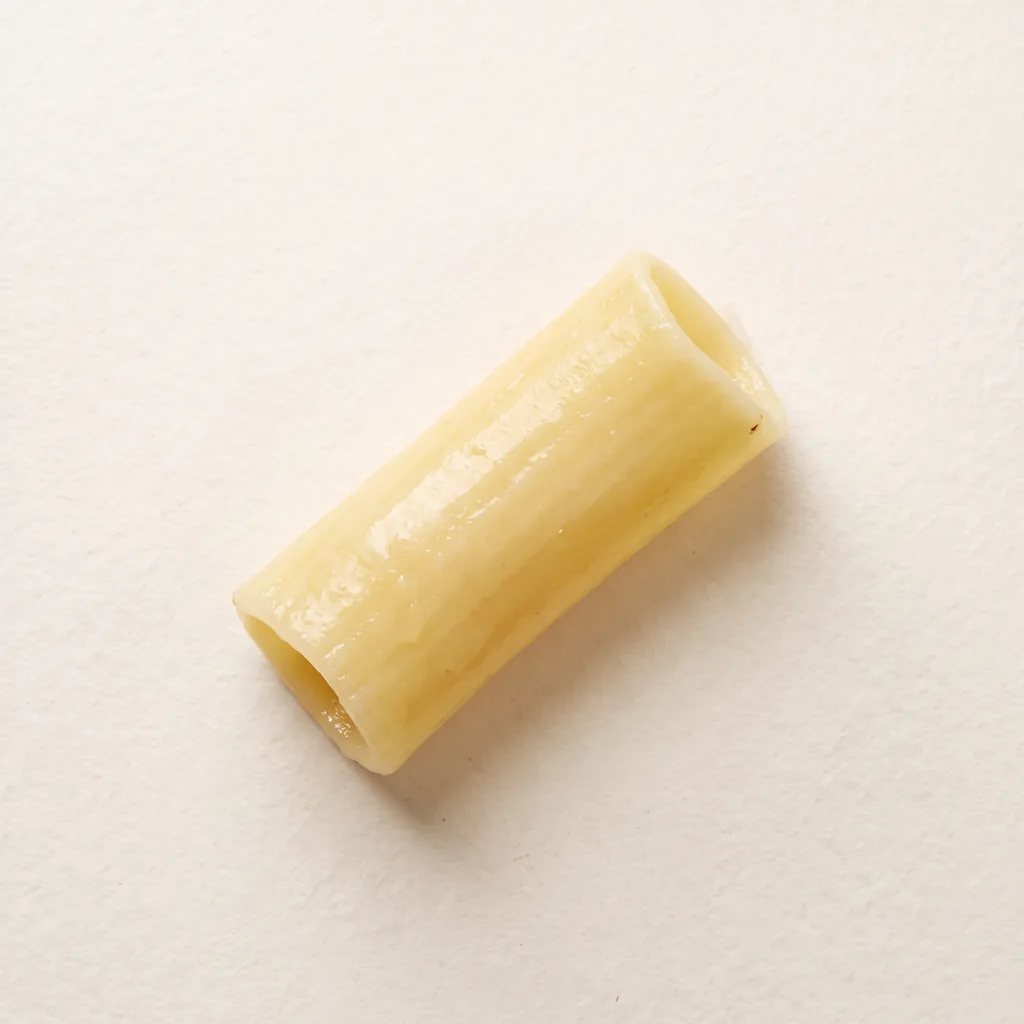
Pasta prepared for 6 months

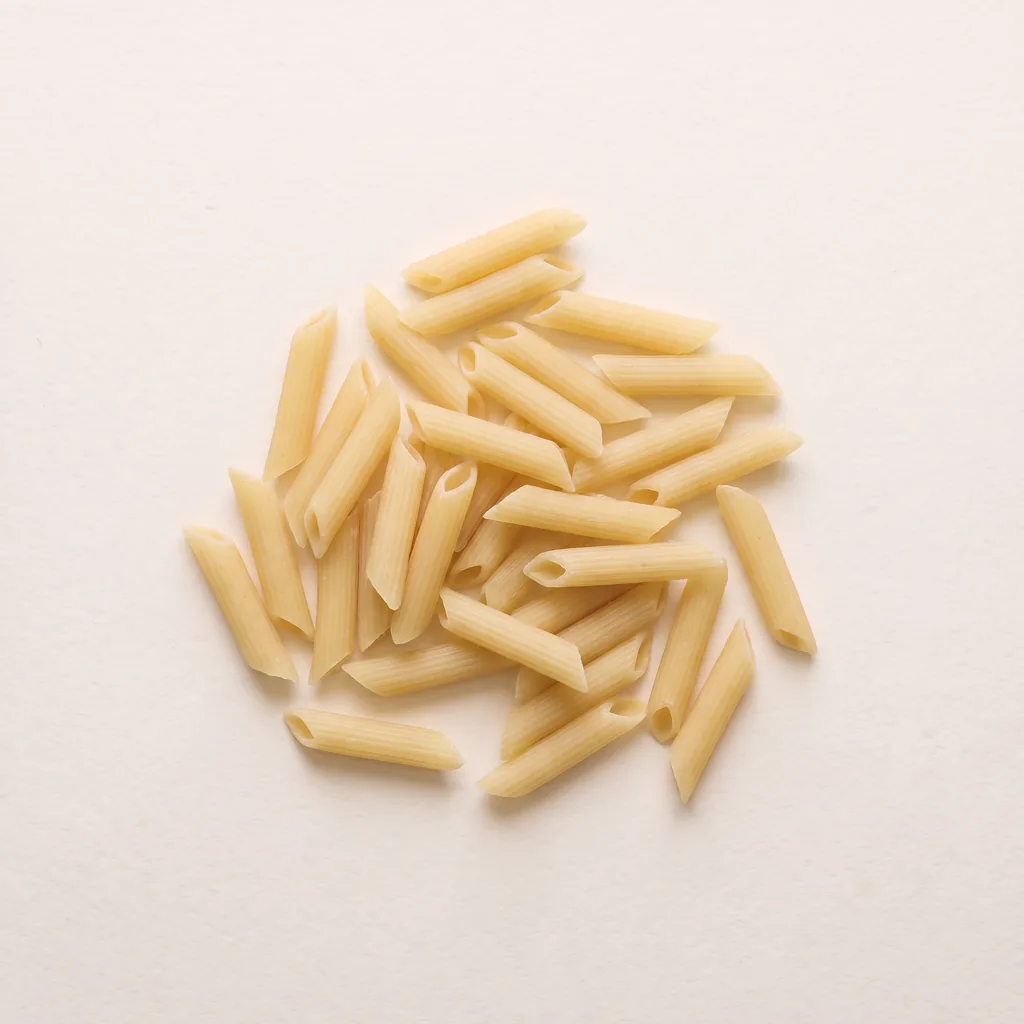
Boil large, long pasta shapes (penne, rigatoni, fettuccine) in unsalted water a few minutes past the package time, until very soft. Your baby can grip a long piece and suck on it. Toss with olive oil or vegetable purée. Gluten is a new allergen, so offer it on its own the first time.

9 monthsCube

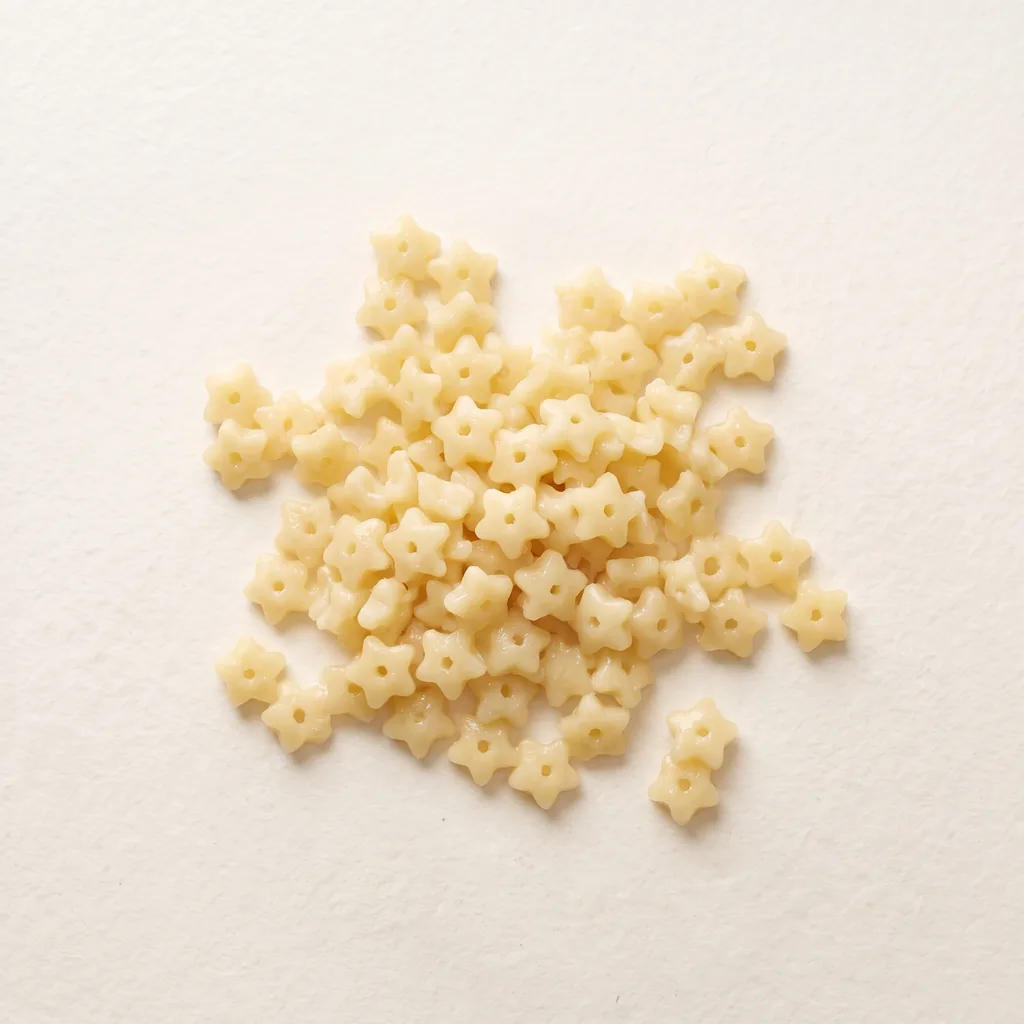
Pasta prepared for 9 months

Cut: Bite sized piece

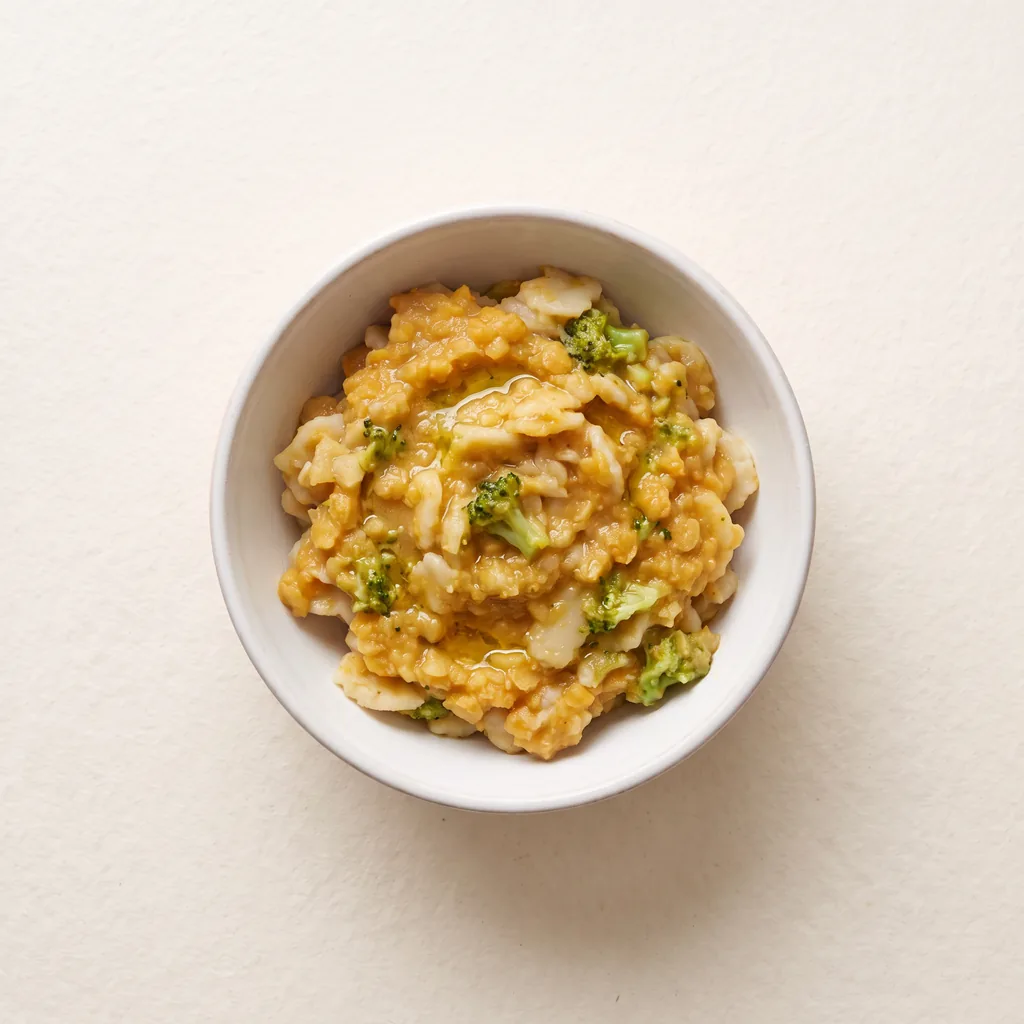
Cut very soft cooked pasta into bite-size pieces, or mix small shapes (orzo, stars) with vegetable purée. A hard, undercooked piece can catch in the throat.

12 monthsCube or strip

Pasta prepared for 12 months

Cut: Bite sized piece

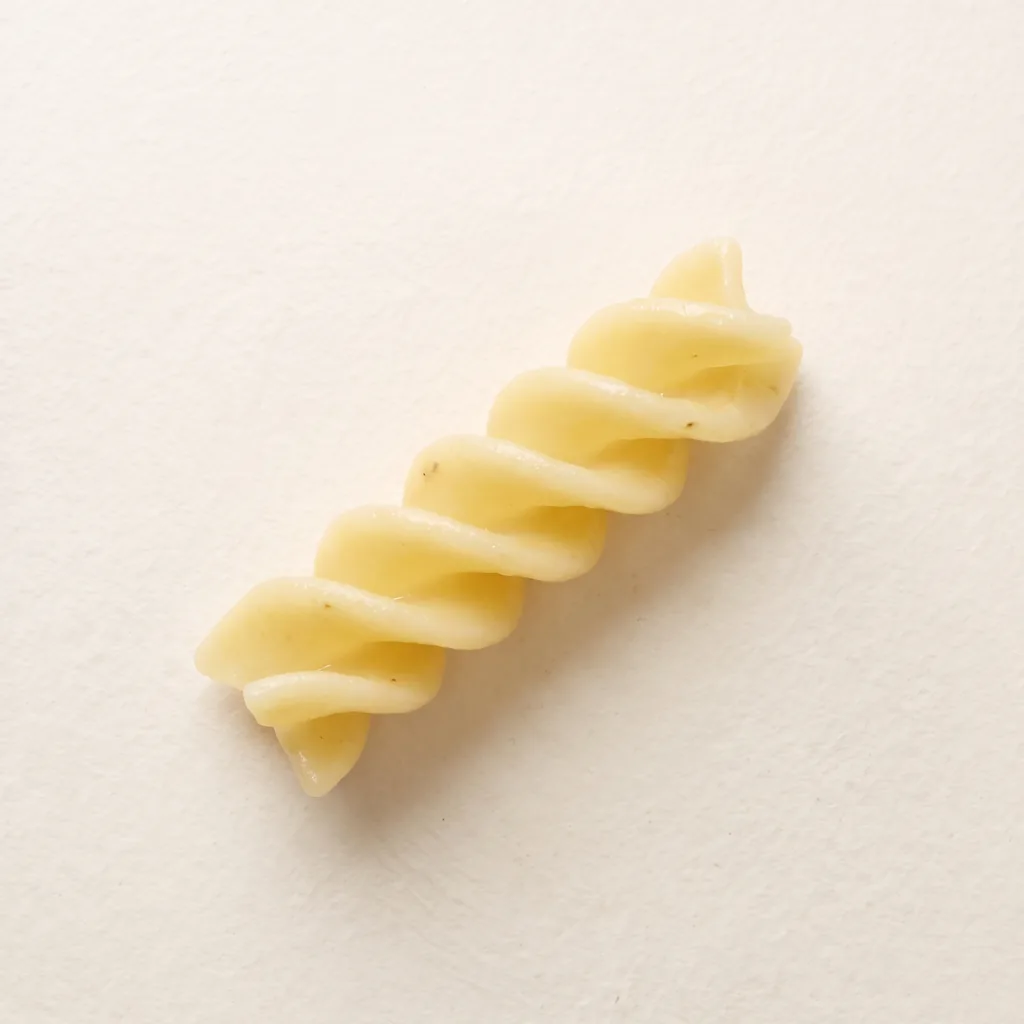
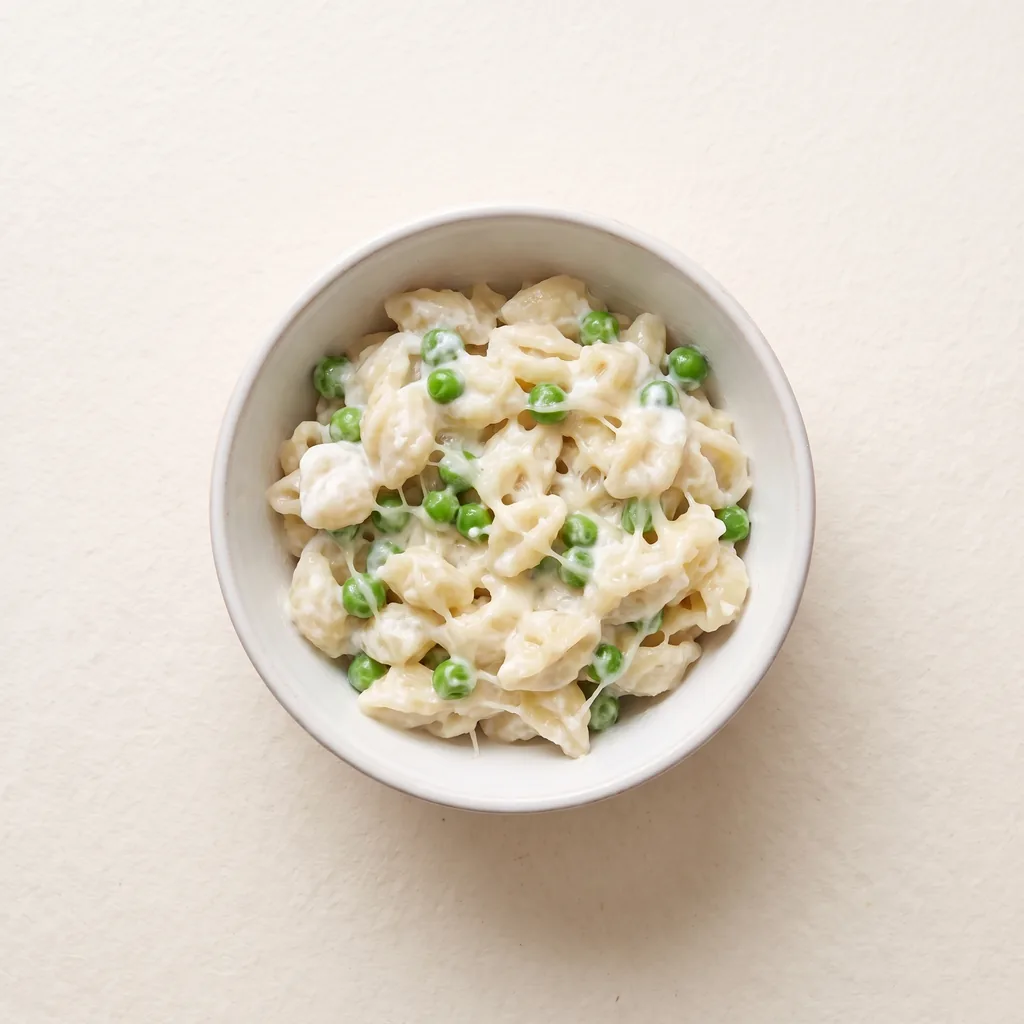
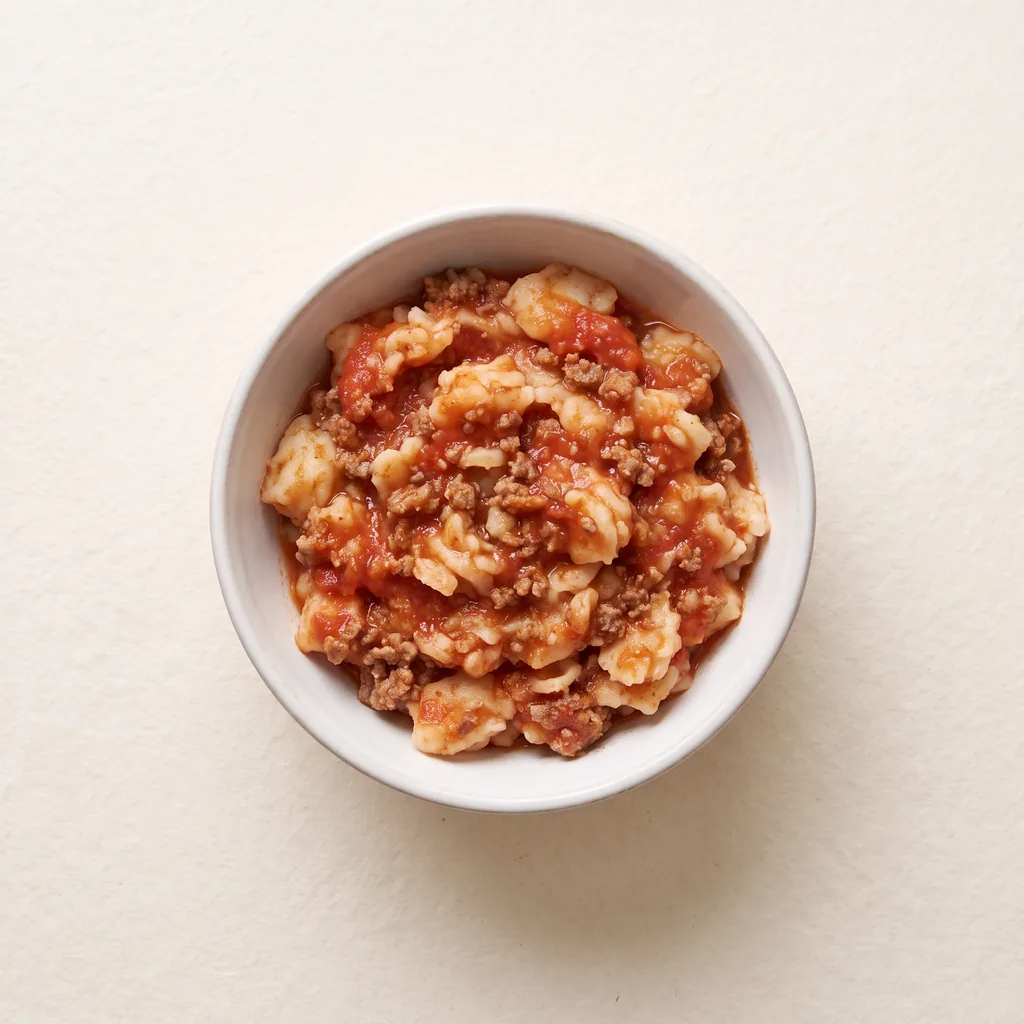
Keep offering pasta in small pieces or short shapes. Serve it with lightly salted homemade tomato sauce, yogurt or a mince sauce, since store-bought sauces are salty.

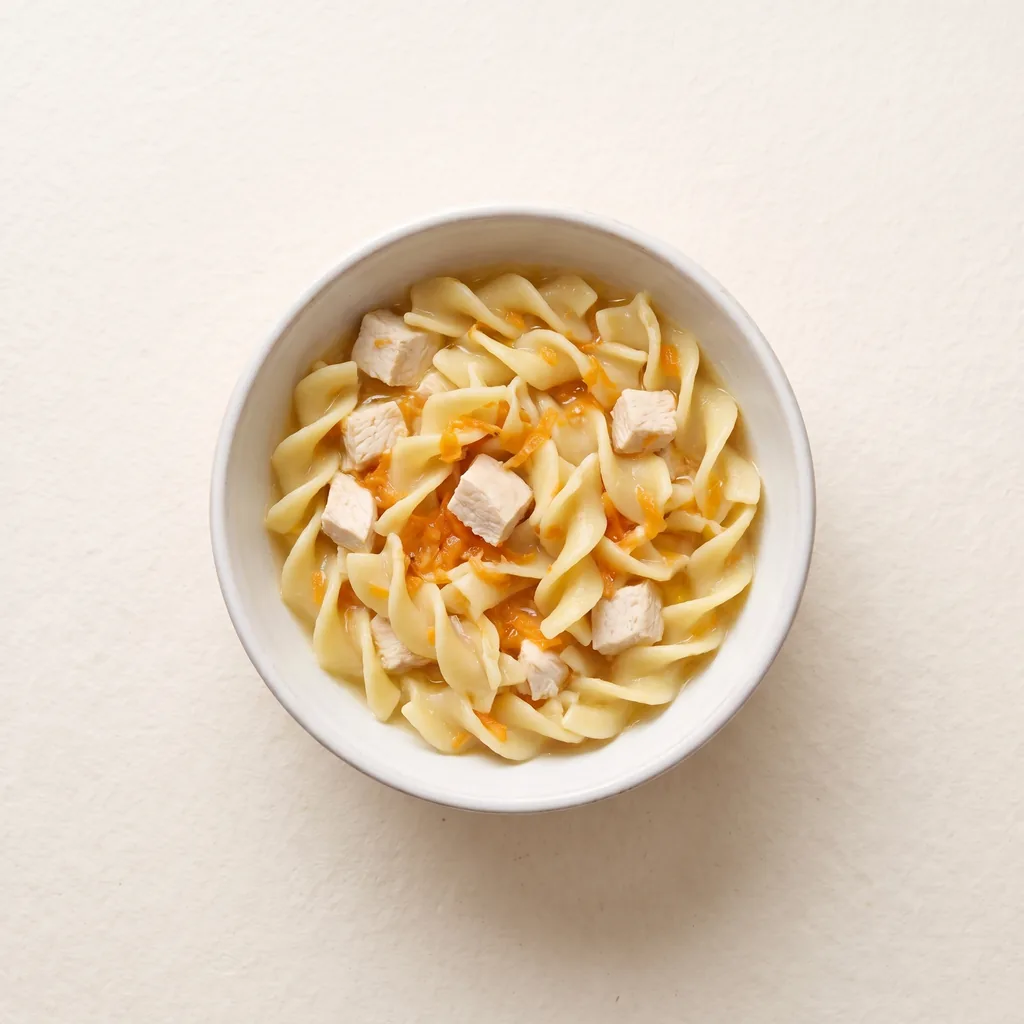
At this age your child handles long thin pasta such as spaghetti, noodles and rice noodles more easily. Try different shapes and textures, and shorten them with scissors if needed. It is fine if your child still prefers eating by hand. Keep offering an age-appropriate fork.

Choking risk

  1. Low
  2. Medium
  3. High

Pasta that is well cooked, soft and served to suit your baby's development carries a low choking risk.

Hard or undercooked pieces of pasta can make chewing and swallowing harder. Very dry pasta, or large clumps stuck together, can also make eating difficult.

Cook pasta until it is soft enough, moisten it with a suitable sauce if needed, and cut it to suit your baby's grasping skills.

Your baby should sit upright and supported during meals and never be left unattended.

Frequently asked questions

What age can babies eat pasta?

Pasta can be offered once your baby is ready for solids, usually around 6 months. Serve it well cooked, soft and in a way that suits your baby's developing eating skills.

Is pasta a common allergen?

Whether pasta contains allergens depends on its ingredients.

How do you prepare pasta for babies?

For a 6-month-old: Boil large, long pasta shapes (penne, rigatoni, fettuccine) in unsalted water a few minutes past the package time, until very soft. Your baby can grip a long piece and suck on it. Toss with olive oil or vegetable purée. Gluten is a new allergen, so offer it on its own the first time.

Is pasta a choking hazard for babies?

Pasta that is well cooked, soft and served to suit your baby's development carries a low choking risk.

Which pasta can babies eat?

Big pieces suit 6 months: penne, rigatoni or wide flat pasta. After 9 months try short shapes and chopped pasta. After 12 months long thin pasta such as spaghetti is an option.

Can babies eat spaghetti?

Yes. Spaghetti can be offered fully softened and cut to a length that suits your baby's eating skills. There is no firm rule that you need to wait until 12 months for spaghetti.

Is legume pasta healthier?

Lentil and chickpea pastas usually contain more protein and fiber. However, the nutritional value of each product is different. It is not right to call any one type of pasta the healthiest.

Can babies have instant noodles?

Instant noodles and seasoning packets that are high in salt are not suitable for babies. Plain noodles with no added salt, cooked until fully soft, can be used depending on their ingredients.

Why can pasta make babies gag?

Hard, dry or stuck-together pieces of pasta can make it harder for your baby to manage food in the mouth. Cooking pasta well and moistening it properly can help.

Does pasta contain gluten?

Wheat pasta contains gluten. Rice, corn and some legume pastas can be made with naturally gluten-free ingredients. For ready-made products, though, check the ingredients and the risk of cross-contamination.

Prepared by the Lokmini team | Last updated November 19, 2026

Share:WhatsApp

Want to add this food to your baby's solid food calendar?

Join Lokmini to learn how this food is served at each age and to keep track of every food your baby tries.

Join Lokmini

Starting Solids

When and how to start solids, and what happens in the first week?

Read the guide

Similar foods

Let's get ready for the first bite together

Lokmini builds a day-by-day plan for your baby's age. Leave your email for new guides and our newsletter.

Start Your Journey