Skip to content

Dietitian's view

You can give rice as porridge.

Uzm. Dyt. Berk AysanPrepared the latest update, November 14, 2026

Lokmini is not a healthcare provider and does not offer health services. For your baby's specific needs, talk to your doctor or a dietitian.

  • Grains
  • 6 mo+
  • Low choking risk

Rice for babies: when to start

Rice can be offered once your baby is ready for solids, usually around 6 months. It is a naturally gluten-free grain eaten as a staple in many parts of the world.

  • Carbohydrates
  • Folate
  • Iron
  • Fiber
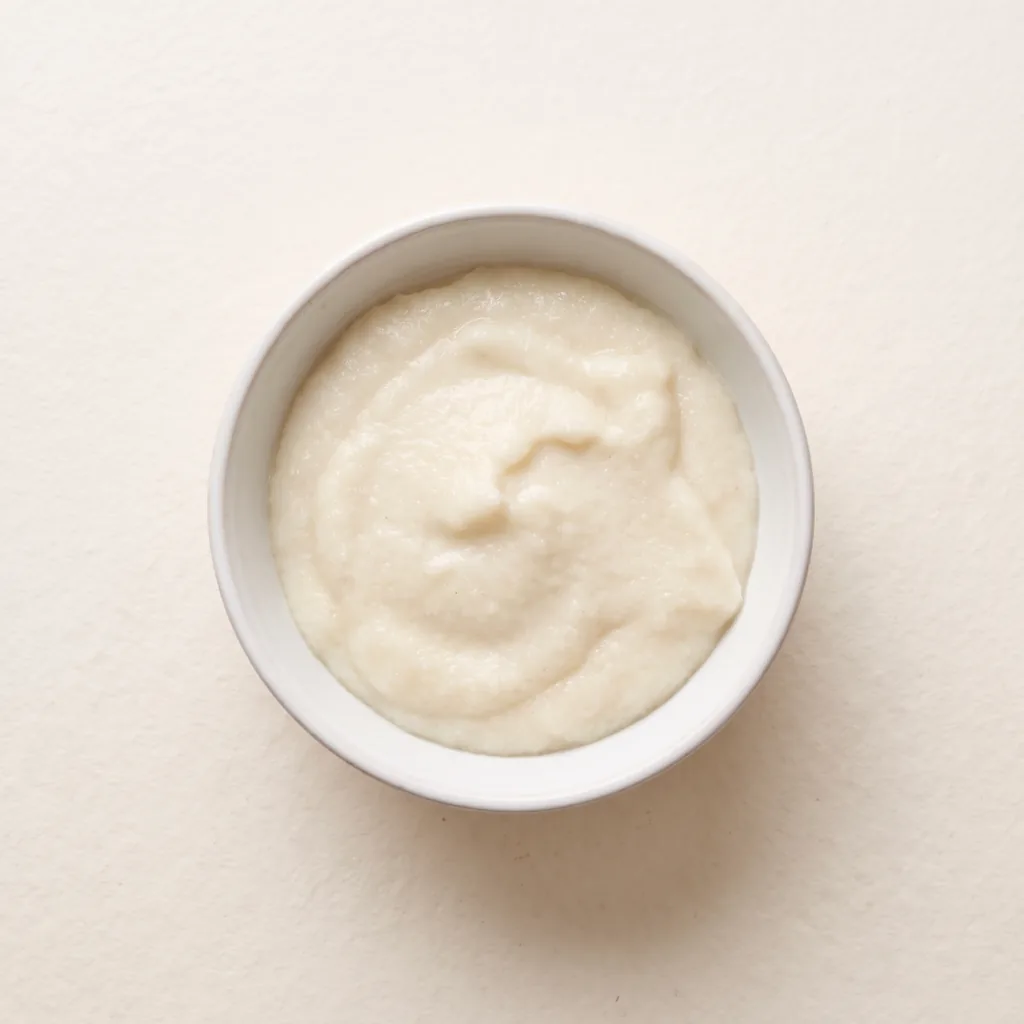
Rice prepared for a baby

About rice

Note

FDA advises not to rely on rice alone for infants and toddlers; rotate rice with oats, barley and quinoa.

Rice has been grown in Asia for thousands of years, and it comes in different types such as basmati, arborio, jasmine and brown rice.

Cooked well until soft, it can be part of your baby's diet. But rice does not need to be the first or only grain. Offer a variety of grains.

Nutrition

Rice mainly provides carbohydrate.

Because the bran and germ layers are kept, brown rice usually contains more fiber, magnesium and some B vitamins than white rice. But white rice can also be part of a varied diet.

The natural iron and zinc in rice are not enough to meet your baby's needs. So it is important to serve it with iron-providing foods such as meat, eggs and legumes.

Iron-fortified infant cereals can also add to your baby's iron intake.

Also known as: pirinç, pirinç pilavı, pirinç lapası, esmer pirinç, kahverengi pirinç

  • Gluten-free
  • Vegan

How to prepare it by age

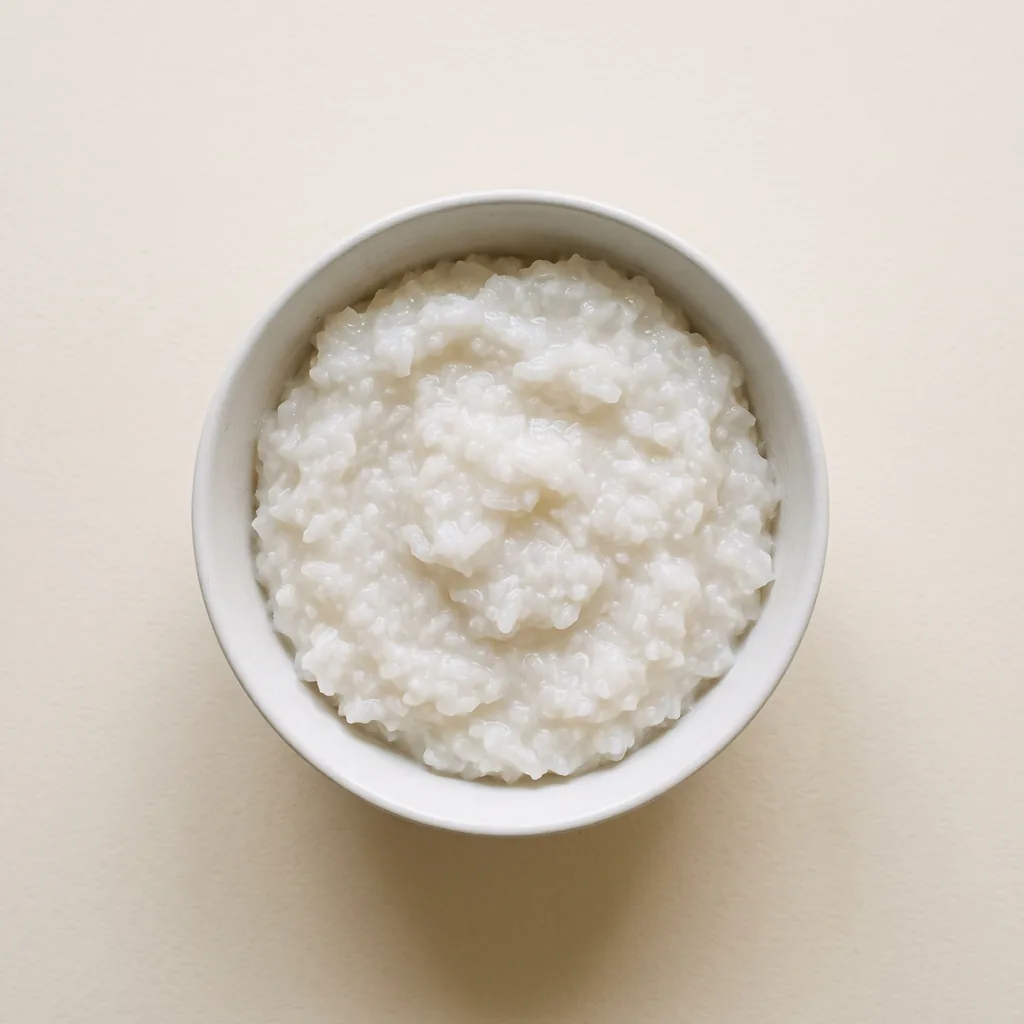
6 monthsMash or strip
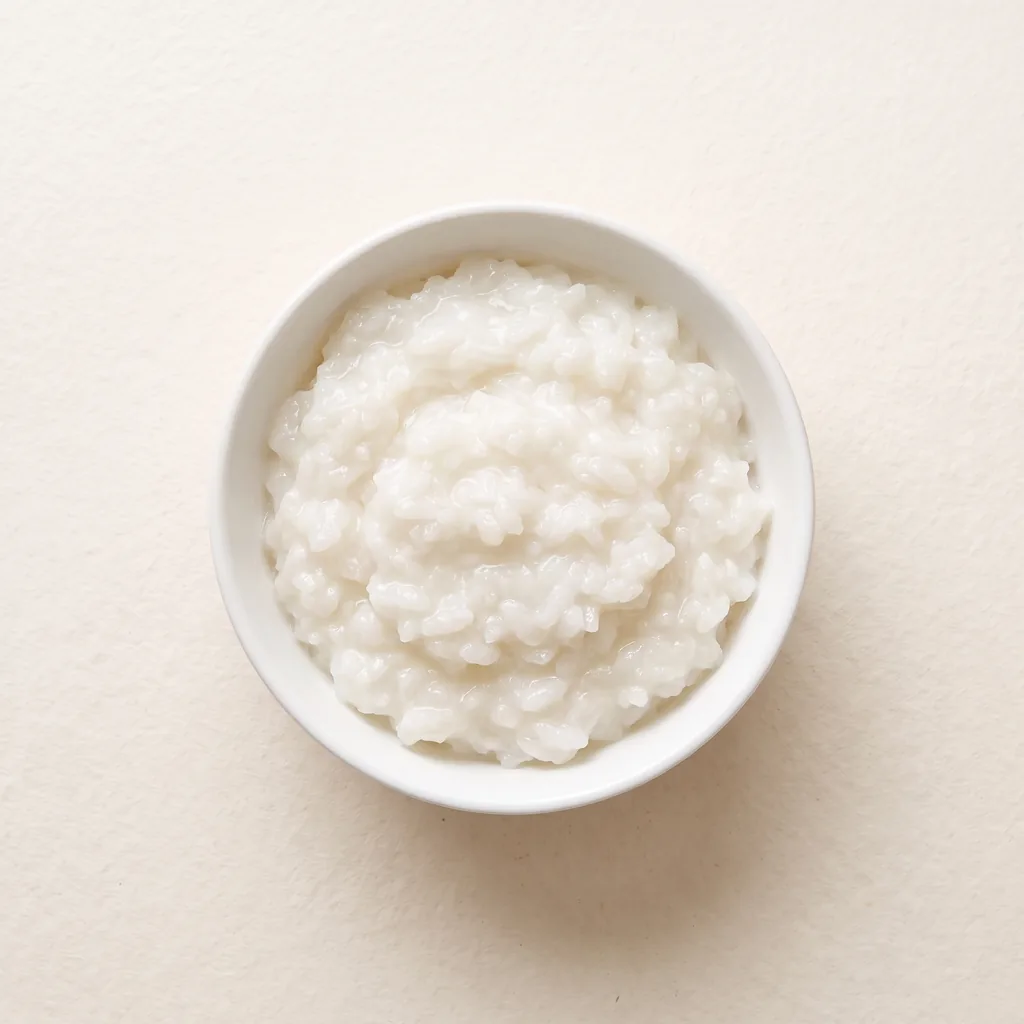
Rice prepared for 6 months

Stir moist cooked rice into a sauce or other liquid so it can be scooped. Another way to get a thick porridge is to cook rice in coconut milk, broth, or some other liquid. Let baby scoop with hands or grab a pre-loaded spoon.

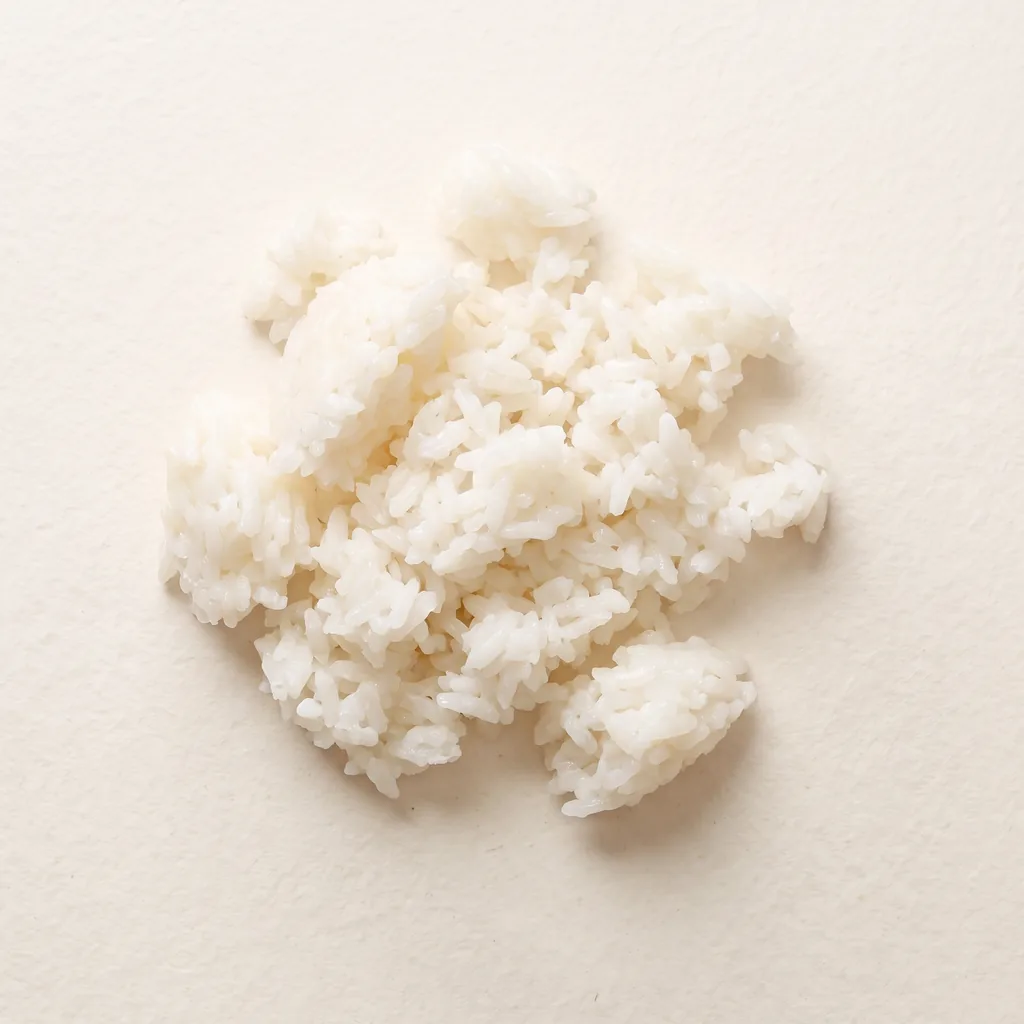
Cut: Large piece

Form cooked rice into large, soft balls or sticky pieces that fit baby's palm. Chopped rice noodles also work as an introduction. Wait on thick, springy rice cakes such as mochi, nian gao and tteok.
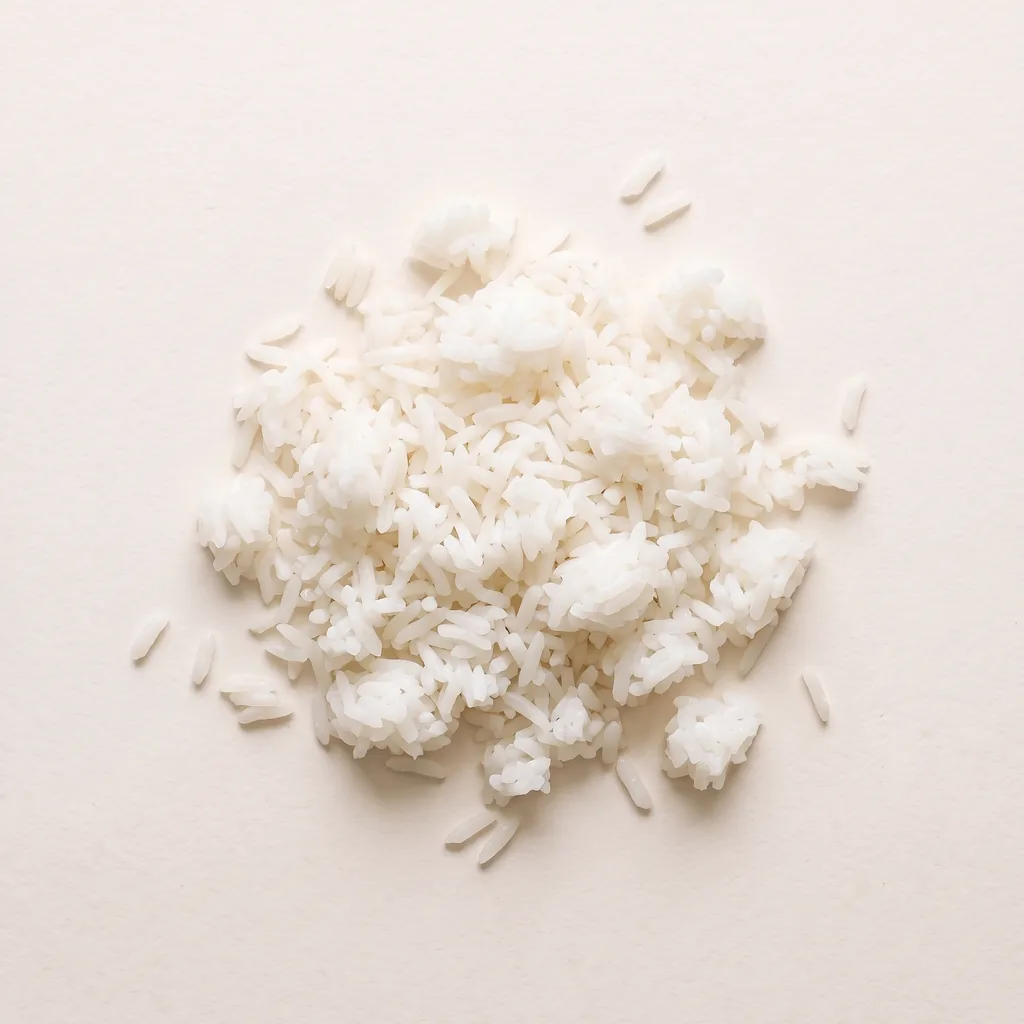
9 monthsCube

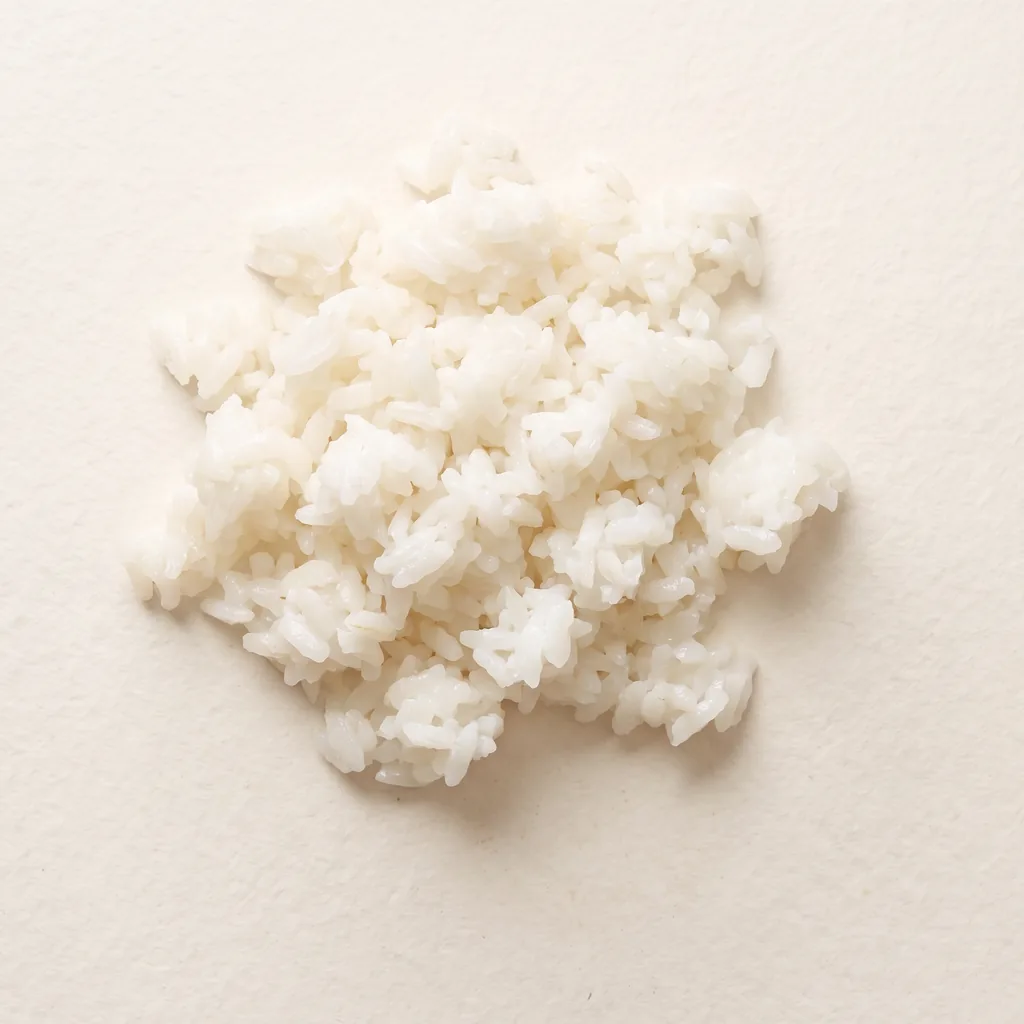
Rice prepared for 9 months

Serve moist cooked rice plain or inside a meal. A light press with a fork makes the grains stick together, so baby can feed themselves more easily. Onigiri, arancini and patties are good formats.

12 monthsCube

Rice prepared for 12 months

Serve rice alone or as part of the family meal. Offer an age-appropriate fork or training chopsticks and pre-load them if needed. Your child may keep using hands. Slightly moister, stickier rice is easier to eat with utensils.

Choking risk

  1. Low
  2. Medium
  3. High

Choking risk

Well-cooked, soft and moist rice is a low choking risk. When your baby is starting solids, mashing the grains or serving them as a porridge can make eating easier.

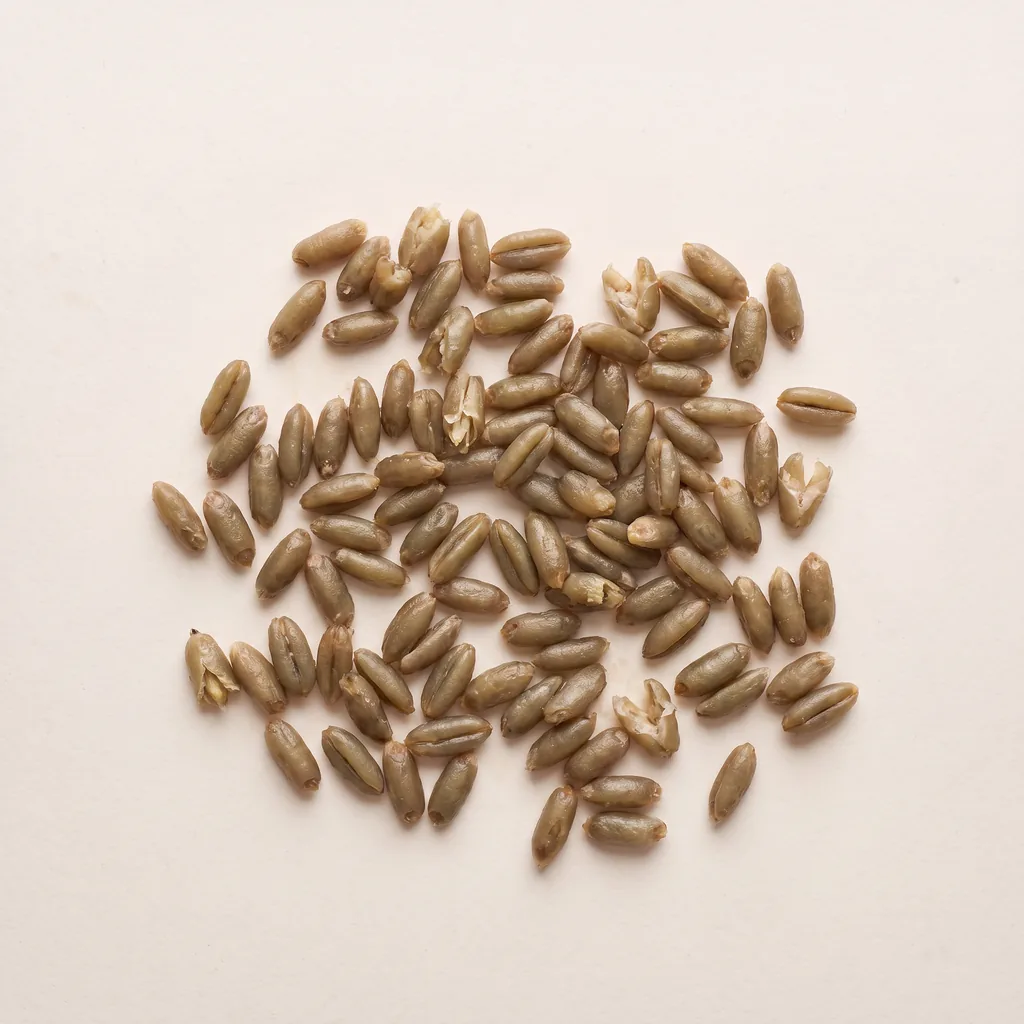
Do not give dry, hard or undercooked rice grains. Puffed rice cakes and hard rice crackers may also not be suitable for babies.

Watch out for sticky rice cakes

Dense, stretchy and sticky rice cakes such as mochi, nian gao and tteok can be a serious choking risk. They should not be given to babies and young children.

Your baby should sit upright during meals and never be left alone.

Allergen information

FPIES warning

It is one of the known triggers of FPIES (a delayed-onset food allergy). In this condition, repeated severe vomiting, pallor and lethargy may occur, usually 1-4 hours after the food is eaten. Diarrhea may appear later. These symptoms require urgent medical evaluation.

Allergen status

Rice is not one of the common food allergens, and it is naturally gluten free. But in rare cases it can cause allergic reactions.

Rice is one of the known triggers of FPIES (a delayed-onset food allergy). In this case, repeated severe vomiting, paleness and floppiness can appear, usually 1 to 4 hours after eating. Diarrhea may come later. These signs need urgent medical care.

When you offer rice for the first time, start with a small amount and watch how your baby responds.

If your baby has already been diagnosed with FPIES, follow the advice of the allergist who sees your baby when introducing new foods.

Frequently asked questions

What age can babies eat rice?

Rice can be offered once your baby is ready for solids, usually around 6 months. It is a naturally gluten-free grain eaten as a staple in many parts of the world.

Is rice a common allergen?

Rice is not one of the common food allergens, and it is naturally gluten free. But in rare cases it can cause allergic reactions.

How do you prepare rice for babies?

For a 6-month-old: Stir moist cooked rice into a sauce or other liquid so it can be scooped. Another way to get a thick porridge is to cook rice in coconut milk, broth, or some other liquid. Let baby scoop with hands or grab a pre-loaded spoon.

Is rice a choking hazard for babies?

Well-cooked, soft and moist rice is a low choking risk. When your baby is starting solids, mashing the grains or serving them as a porridge can make eating easier.

Is brown or white rice better?

Both can be part of a varied diet. Brown rice usually has more fiber and some minerals, but it can also have more inorganic arsenic. Grain variety is what matters.

Which infant cereals can I choose?

Iron-fortified oat and multigrain infant cereals are good choices. You do not need to use only rice-based products. Starting solids with infant cereal is not required either.

Which grains can replace rice?

Grains such as oats, bulgur, barley, corn, millet, quinoa and buckwheat can be offered when prepared to suit your baby's development. Some of these contain gluten.

Can babies eat rice every day?

Rice is not a food you need to ban completely. But to lower arsenic exposure and add variety, it should not be the only grain your baby eats every day.

Does rice contain gluten?

Plain rice is naturally gluten free. If your child has celiac disease, check packaged products for gluten cross-contamination.
Share:WhatsApp

Want to add this food to your baby's solid food calendar?

Join Lokmini to learn how this food is served at each age and to keep track of every food your baby tries.

Join Lokmini

Starting Solids

When and how to start solids, and what happens in the first week?

Read the guide

Similar foods

Let's get ready for the first bite together

Lokmini builds a day-by-day plan for your baby's age. Leave your email for new guides and our newsletter.

Start Your Journey