Skip to content
  • Vegetables
  • 6 mo+
  • Medium choking risk

Romaine for babies: when to start

Romaine can be offered once baby is ready for solids, from about 6 months. Chewing and swallowing lettuce is hard for the youngest eaters, so follow the age-based preparation tips. Offering green foods early and often may help reduce picky eating later.

  • Water
  • Vitamin A
  • Potassium
  • Vitamin K
  • Fiber
Romaine prepared for a baby

About romaine

Nutrition and origin

It gives plenty of water plus vitamin A, potassium, vitamin K and fiber. It is also called cos lettuce. The name comes from Italian lattuga romana and French laitue romaine. Compared with other lettuces it is sturdier, and its ribs are crunchy while its leaves taste a little bitter.

Also known as: romaine, roma marulu, cos marul, uzun marul, marul

  • Gluten-free
  • Vegan

How to prepare it by age

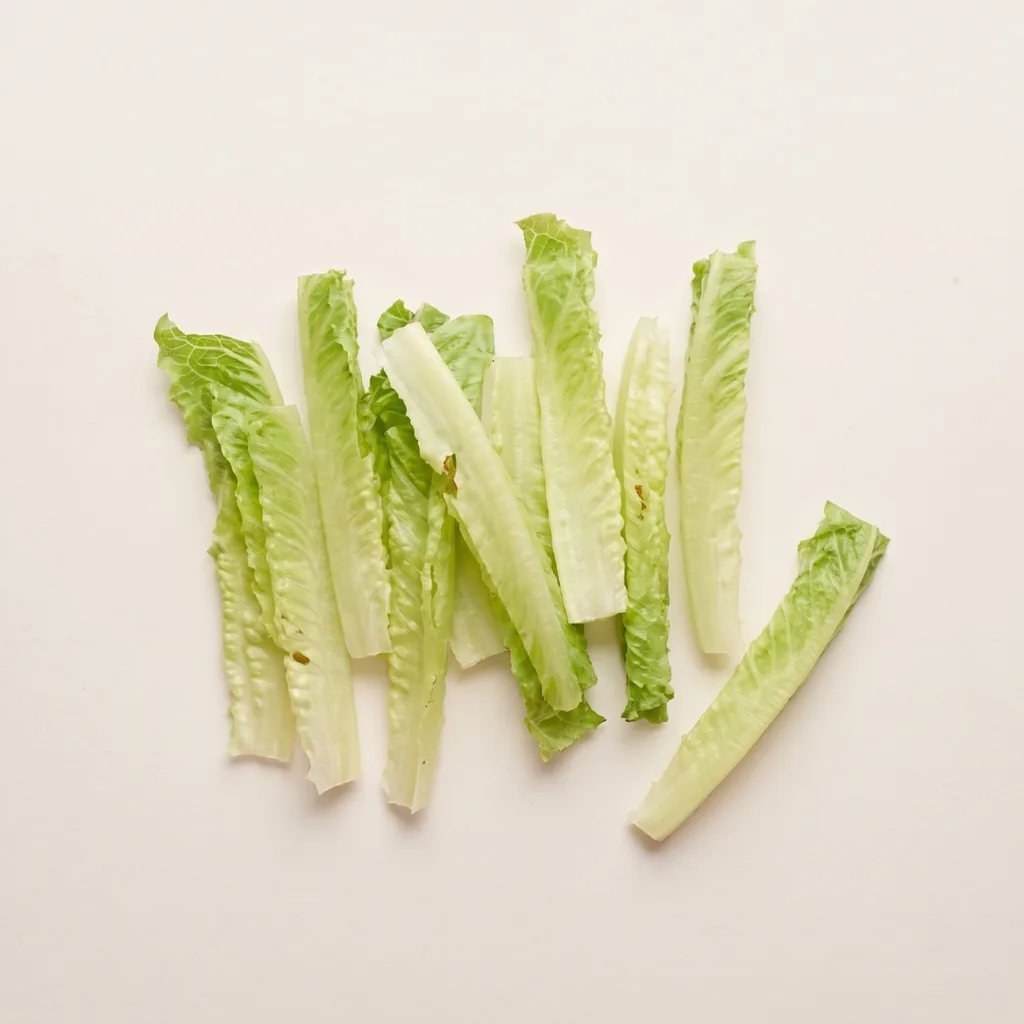
6 monthsStrip or mash
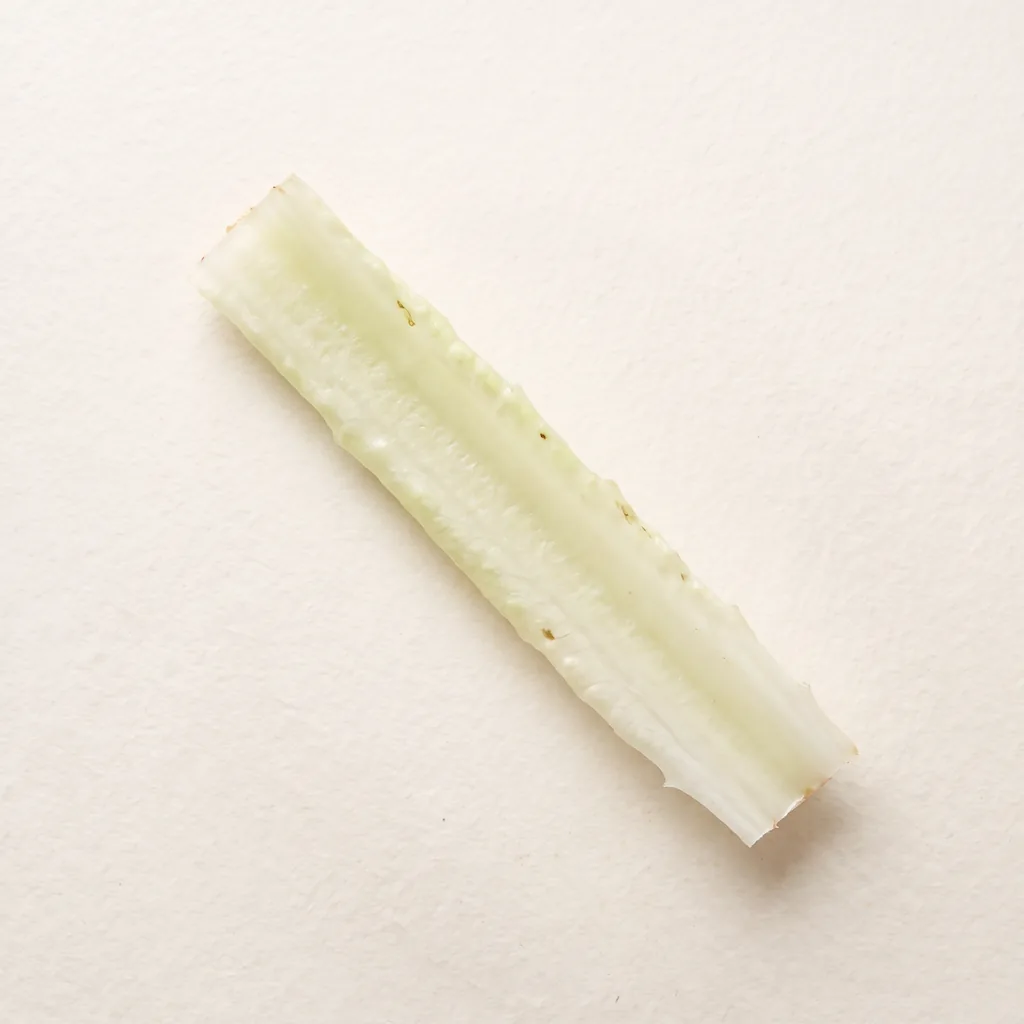
Romaine prepared for 6 months

Cut: Finger strip

Cut the thick, firm midrib of the leaf into strips and remove the thin leafy part. Baby will gnaw and mouth it rather than swallow it, which builds oral skills.

Cut: Finely chopped

Cook the lettuce, shred it very finely and stir it into a spoonable food such as yogurt, mash or porridge. It encourages self-feeding.
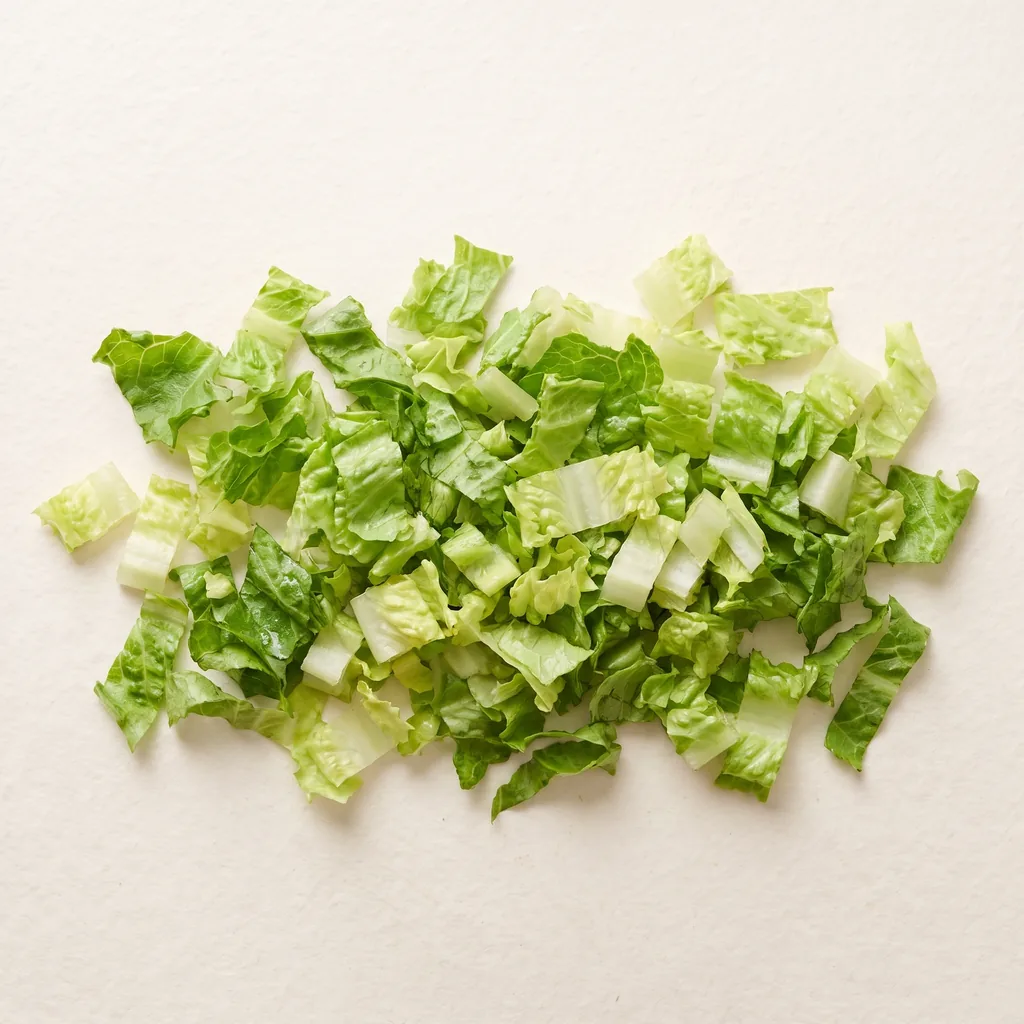
9 monthsCube

Romaine prepared for 9 months

Cut: Finely chopped

Chop the rib or leaf finely. This supports the pincer grasp. Leaves tend to cling to the roof of the mouth. A homemade dressing on them helps the pieces slip down. You can offer a little water in an open cup. Whole large leaves are still fine for practicing biting and tearing.

12 monthsCube or slice

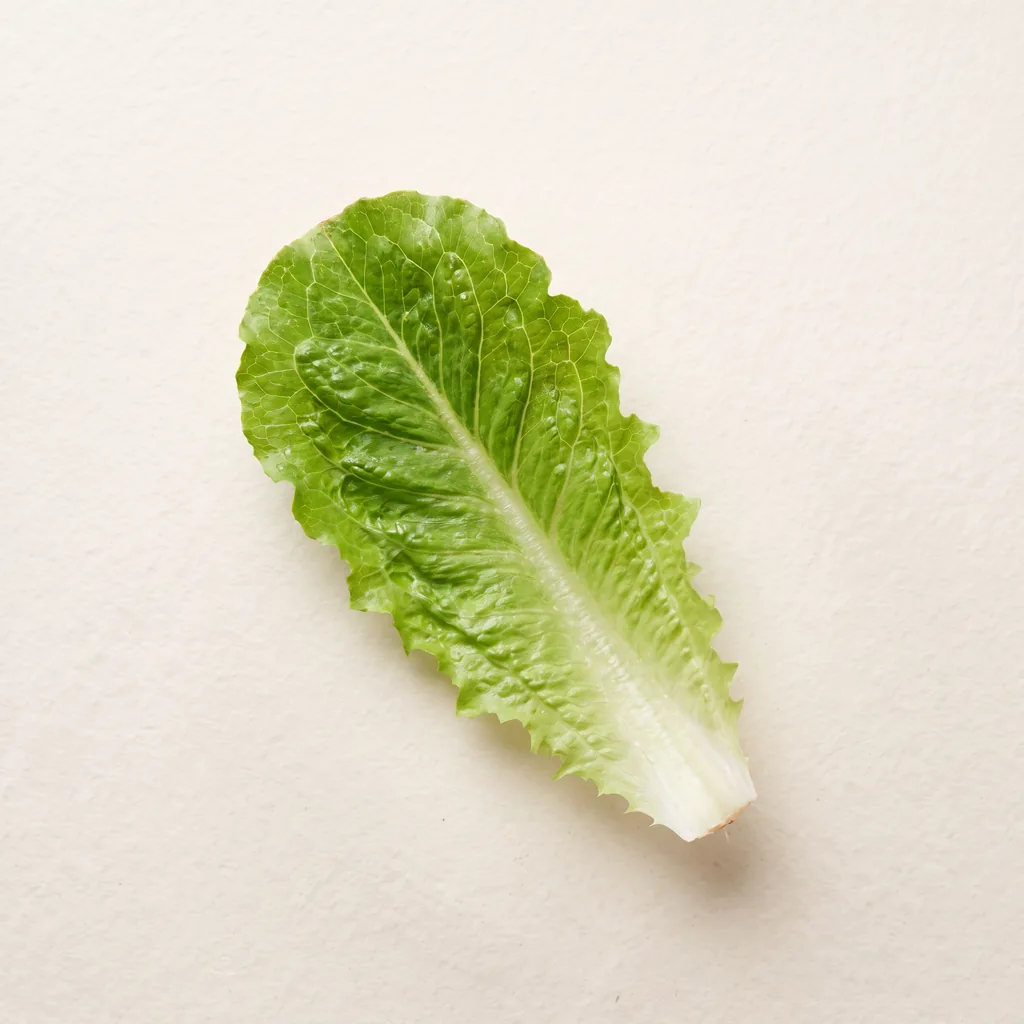
Romaine prepared for 12 months

Cut: Bite sized piece

Cut rib or leaf into bite-sized pieces and serve as finger food or with a fork. Eat with your child to set an example. If they refuse, do not push, but keep putting it on the table.

At this age you can offer a whole leaf for biting and tearing practice. Stay beside your child during the meal.

Choking risk

  1. Low
  2. Medium
  3. High

Choking risk

Lettuce rarely causes choking. Small, thin pieces can slip into the airway, though. If leaves cling to the tongue or palate, gagging and coughing can follow. Offer water in an open cup. Stay within arm's reach during meals.

Allergen information

Allergen status

Lettuce allergy is rare, but when it happens it can be severe. A lettuce allergy can go together with sensitivity to lipid transfer proteins found in other foods, walnut, peanut, hazelnut, corn, grape, carrot, cherry, and peach among them. Not everyone with a lettuce allergy reacts to all of these.

People with pollen food allergy syndrome, especially plane tree pollen sensitivity, may have brief itching and burning in the mouth. Cooking can reduce it. Start with a small amount, alone, the first few times.

Frequently asked questions

What age can babies eat romaine?

Romaine can be offered once baby is ready for solids, from about 6 months. Chewing and swallowing lettuce is hard for the youngest eaters, so follow the age-based preparation tips. Offering green foods early and often may help reduce picky eating later.

Is romaine a common allergen?

Lettuce allergy is rare, but when it happens it can be severe. A lettuce allergy can go together with sensitivity to lipid transfer proteins found in other foods, walnut, peanut, hazelnut, corn, grape, carrot, cherry, and peach among them. Not everyone with a lettuce allergy reacts to all of these.

How do you prepare romaine for babies?

For a 6-month-old: Cut the thick, firm midrib of the leaf into strips and remove the thin leafy part. Baby will gnaw and mouth it rather than swallow it, which builds oral skills.

Is romaine a choking hazard for babies?

Lettuce rarely causes choking. Small, thin pieces can slip into the airway, though. If leaves cling to the tongue or palate, gagging and coughing can follow. Offer water in an open cup. Stay within arm's reach during meals.

Can lettuce help baby poop?

Lettuce is rich in fiber and fluid, which support digestion and regular stools. Babies differ a lot. If you are worried, talk to your pediatrician.

Why wash lettuce so carefully?

Lettuce can carry germs such as E. coli, Salmonella and Listeria. Rinse it well under cold running water.

What if my baby refuses lettuce?

Do not push, but keep offering it. Children cannot learn to like foods they never see. Eating it together sets an example.

Prepared by the Lokmini team | Last updated November 17, 2026

Share:WhatsApp

Want to add this food to your baby's solid food calendar?

Join Lokmini to learn how this food is served at each age and to keep track of every food your baby tries.

Join Lokmini

Starting Solids

When and how to start solids, and what happens in the first week?

Read the guide

Similar foods

Let's get ready for the first bite together

Lokmini builds a day-by-day plan for your baby's age. Leave your email for new guides and our newsletter.

Start Your Journey