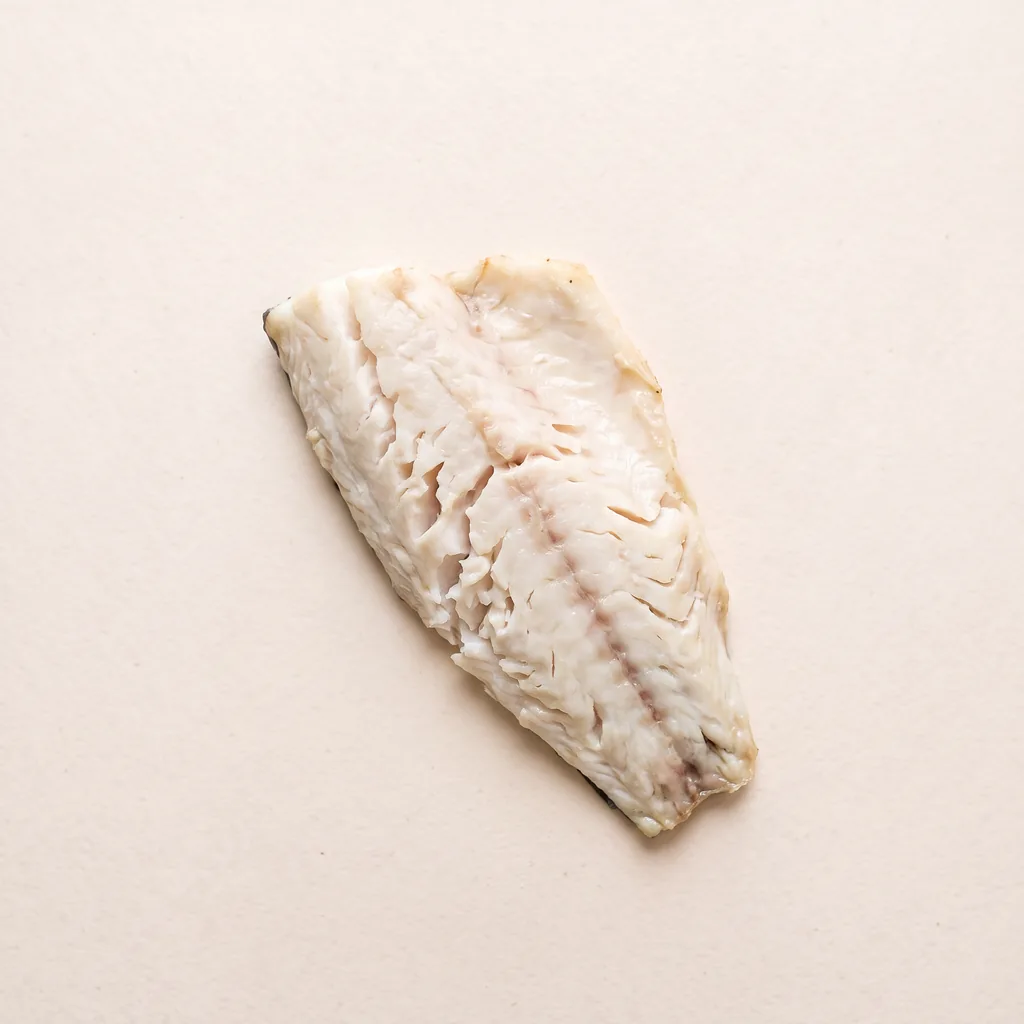
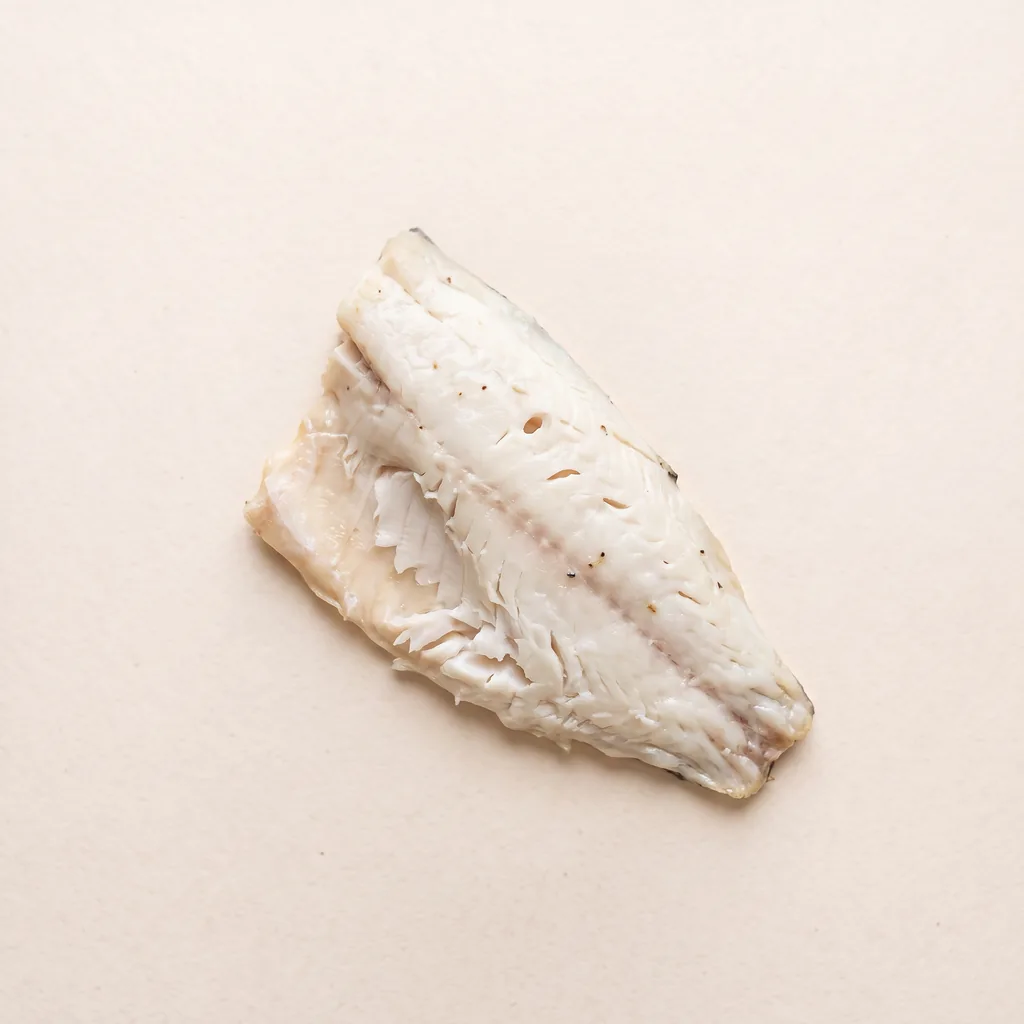
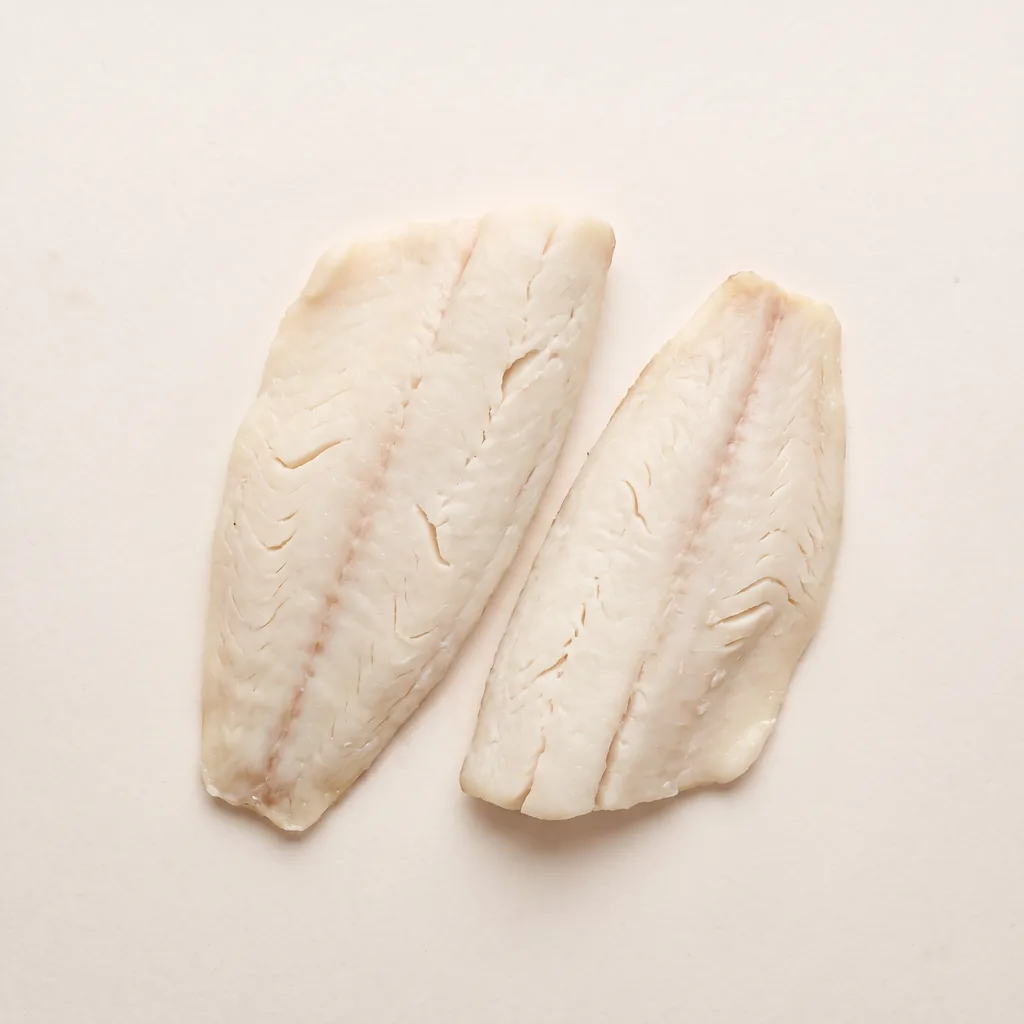
6 monthsMash
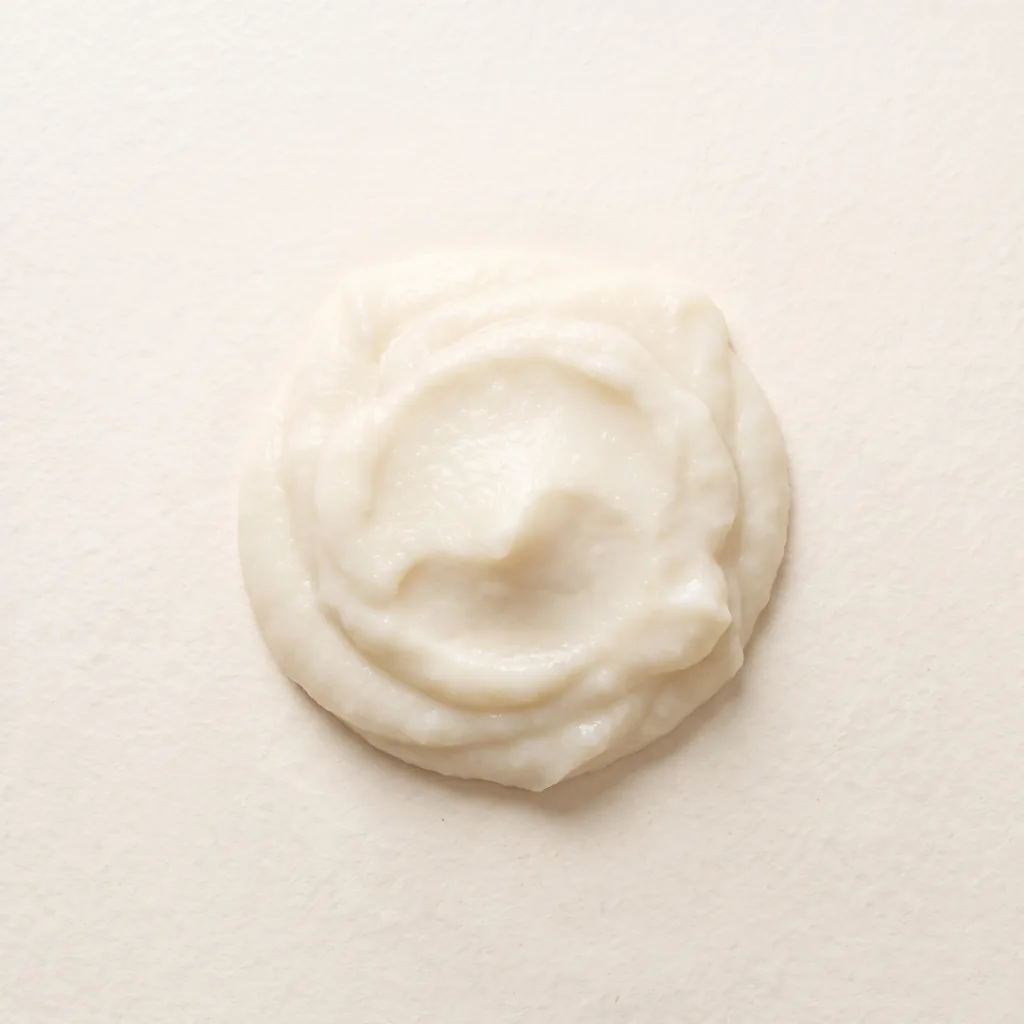
Cut: Finely chopped
Chop well-cooked or canned scallops very finely. Mix into a soft, spoonable food such as vegetable mash or sour cream. Never serve raw or undercooked.
Dietitian's view
Scallops can be toxic and allergenic. They do not cause problems when obtained from a reliable source.
Lokmini is not a healthcare provider and does not offer health services. For your baby's specific needs, talk to your doctor or a dietitian.
Scallops can be offered once baby is ready for solids, from about 6 months, thoroughly cooked.
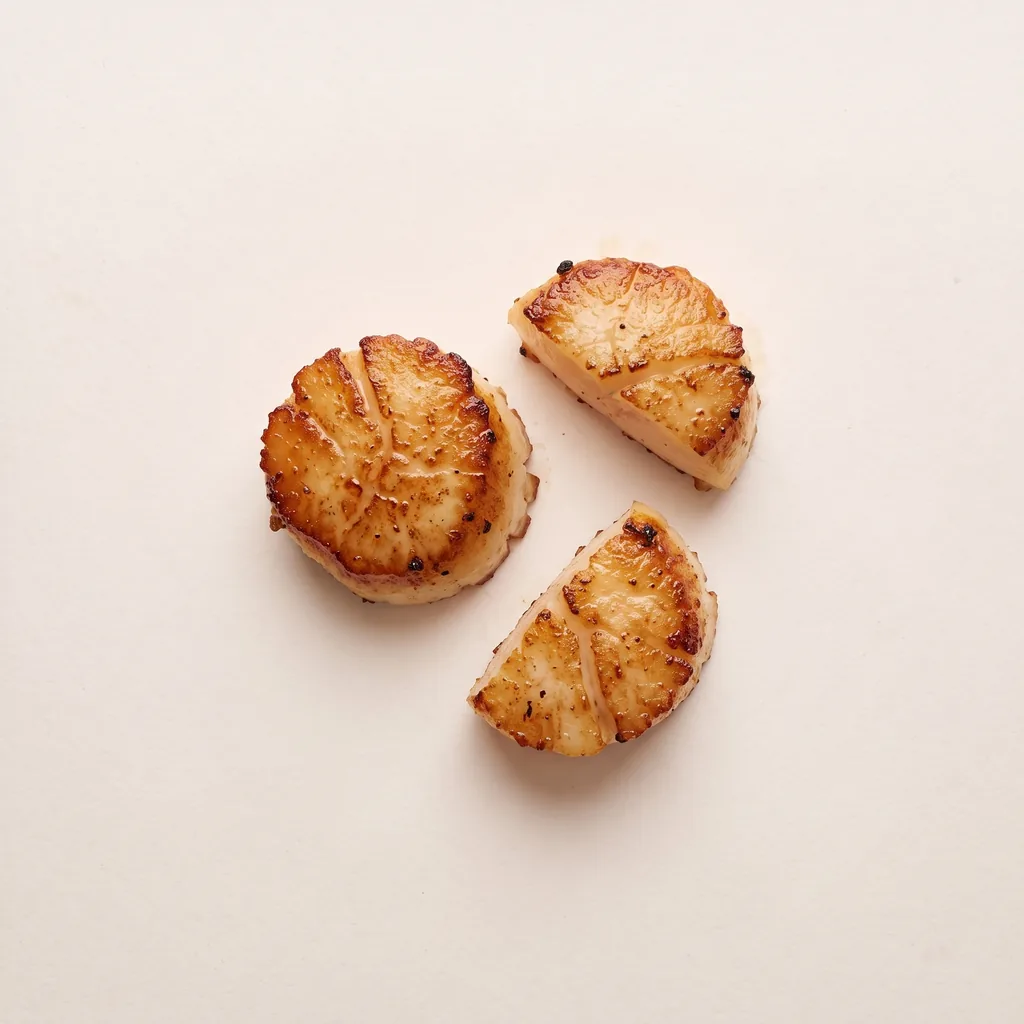 Allergen, day 1/3
Cook thoroughly
Scallops carry a higher risk of foodborne illness, and babies are more prone to severe symptoms. Cook to an internal 145 F (63 C).
Scallops are free-swimming bivalve mollusks related to clams, mussels and oysters. They live in coastal and deep ocean waters. There are over 400 species. In the US, bay scallops and sea scallops are the most common.
Rich in protein. They provide choline, vitamins B6 and B12, zinc and iodine.
Also known as: deniz tarağı, tarak, körfez deniz tarağı, konserve deniz tarağı
So that any reaction can be linked to the right food, scallops is offered 3 days in a row and no other new food is tried on those days.
Start with a small amount in the morning or around midday. Your baby is watched closely for 5 to 10 minutes after the first bite.
Scallops is offered again the same way. No other new food is tried today.
If no reaction was seen, scallops is now part of your baby's meals. It keeps being offered regularly.
Emergency
If your baby has trouble breathing or swelling of the face or tongue, call 911 (or your local emergency number) right away.
Mollusks such as scallops are not on the World Health Organization's Global Priority Allergen list. That list only counts crustaceans such as shrimp, crab and lobster. But many regulators around the world label mollusks as common food allergens too. Shellfish allergy mostly develops in adulthood rather than childhood. Most who develop it as children do not outgrow it.
People with scallop allergy may react to other mollusks such as clam, mussel, octopus, oyster, snail or squid. They also face over a 70 percent chance of reacting to crustaceans such as crawfish, crab, lobster and shrimp. If you suspect your baby is allergic, ask an allergist before serving scallops.
Shellfish allergy does not mean fish allergy. But cross-contamination can happen when the same tools and facilities are used. Start with a small amount and watch for signs.
6 monthsMash
Cut: Finely chopped
Chop well-cooked or canned scallops very finely. Mix into a soft, spoonable food such as vegetable mash or sour cream. Never serve raw or undercooked.
9 monthsCube
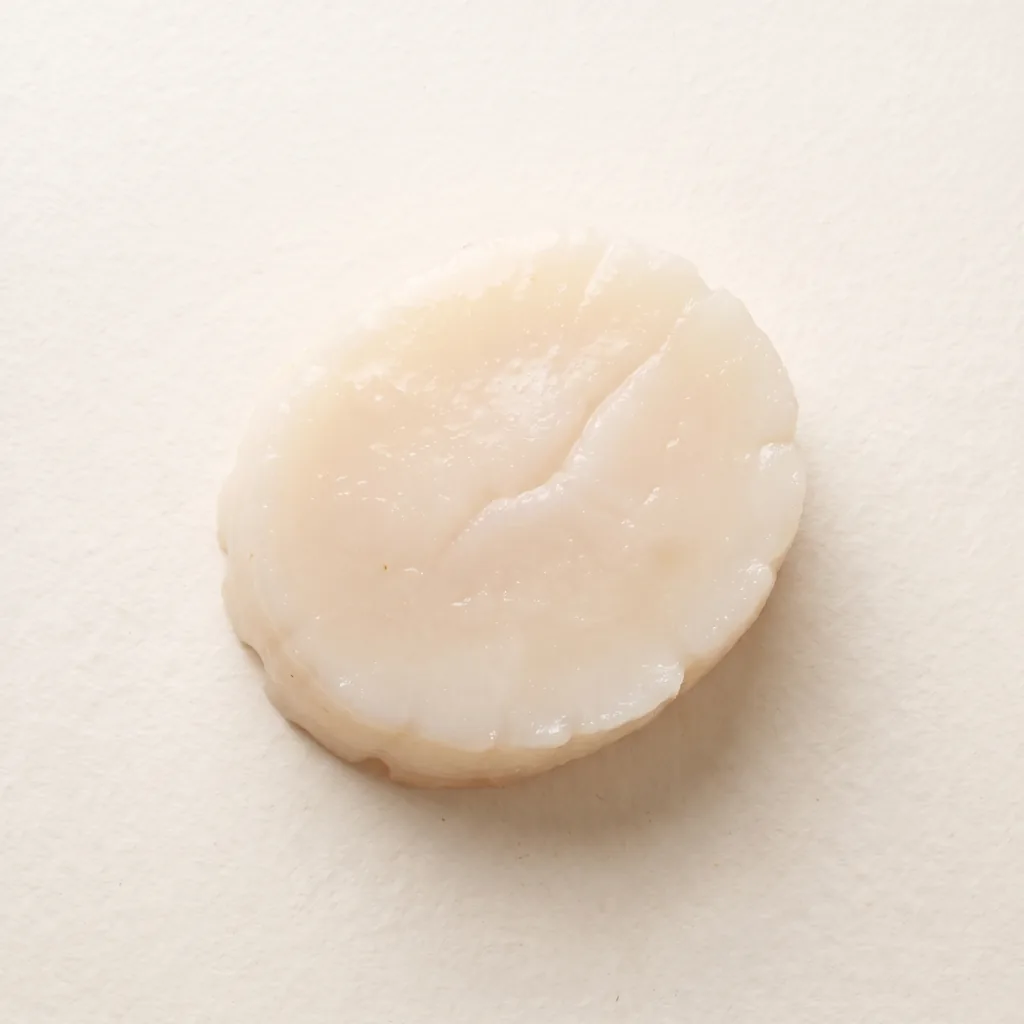
Finely chop or thinly slice thoroughly cooked scallops. Serve alone, or mix into pasta, rice or stew if baby struggles with the slippery pieces.
12 monthsSlice
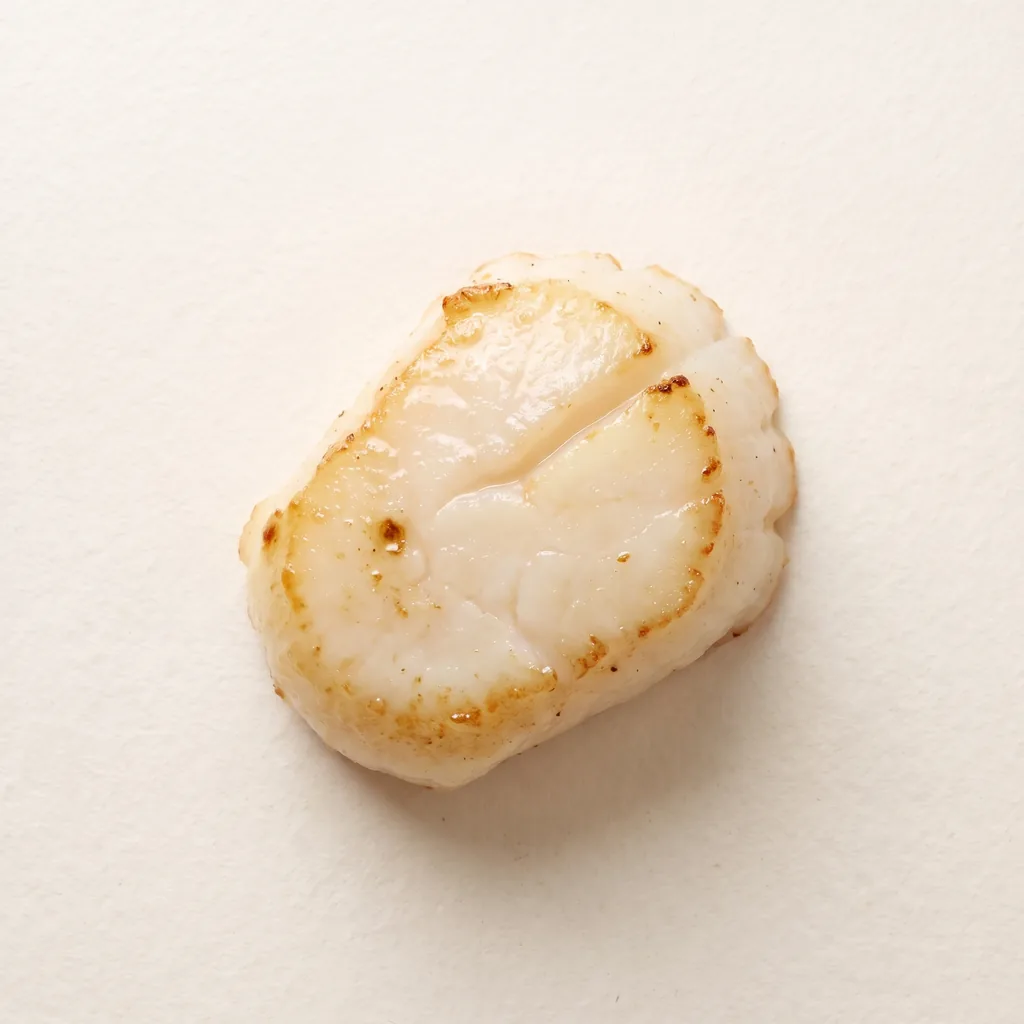
Offer cooked scallop in thin slices or bite-sized pieces. Encourage spearing with a fork or picking up with trainer chopsticks. Model good chewing on your own piece. Small kinds, bay scallops for example, should never be served whole. Halve them or slice thin.
Scallops are firm, slippery and sometimes small, which raises the choking risk. Prepare them for the child's age. Small scallops are closer in size to a toddler's airway, so they are riskier than big ones. Stay within arm's reach during meals.
Prepared by the Lokmini team | Last updated November 17, 2026
Join Lokmini to learn how this food is served at each age and to keep track of every food your baby tries.
Lokmini builds a day-by-day plan for your baby's age. Leave your email for new guides and our newsletter.
Start Your Journey