Skip to content

Dietitian's view

If you will give skyr, it must be plain, unsweetened and fat-free.

Lokmini is not a healthcare provider and does not offer health services. For your baby's specific needs, talk to your doctor or a dietitian.

  • Cow's milk allergen
  • Dairy
  • 6 mo+
  • Low choking risk

Skyr for babies: when to start

Skyr can be offered from about 6 months. It is made from cow's milk, so keep milk allergy in mind.

  • Protein
  • Calcium
  • Iodine
  • Zinc
  • Folate
  • Vitamin B12
Skyr prepared for a babyAllergen, day 1/3

About skyr

Where it comes from

Skyr is a cultured dairy food from Iceland. It is really a fresh cheese, though it is eaten like yogurt. The texture is thick and creamy. Traditional making uses skimmed milk, bacterial culture, and rennet. It is then strained. Some modern kinds use whole milk.

Nutrition

Skyr is a strong protein source. It also holds calcium, iodine, zinc, folate, and B12.

How it differs from yogurt

Skyr is not yogurt. Rennet goes in alongside the culture. Yogurt usually has the culture only. Skyr tends to be thicker and, traditionally, lower in fat.

Also known as: skir, İzlanda yoğurdu, skyr yoğurt, isländisch skyr

  • Gluten-free
  • Vegetarian
  • Contains dairy

Skyr is offered 3 days in a row

So that any reaction can be linked to the right food, skyr is offered 3 days in a row and no other new food is tried on those days.

  1. 1/3

    First taste

    Start with a small amount in the morning or around midday. Your baby is watched closely for 5 to 10 minutes after the first bite.

  2. 2/3

    Same food, same calm

    Skyr is offered again the same way. No other new food is tried today.

  3. 3/3

    Introduction done

    If no reaction was seen, skyr is now part of your baby's meals. It keeps being offered regularly.

Emergency

If your baby has trouble breathing or swelling of the face or tongue, call 911 (or your local emergency number) right away.

About skyr allergy

FPIES warning

It is one of the known triggers of FPIES (a delayed-onset food allergy). In this condition, repeated severe vomiting, pallor and lethargy may occur, usually 1-4 hours after the food is eaten. Diarrhea may appear later. These symptoms require urgent medical evaluation.

Skyr is usually made from cow's milk. Milk is one of the most frequent food allergies in young children. About one in five childhood food allergies is to milk. Sheep, goat, and buffalo milk can cause a similar reaction.

The good news is that milk allergy often fades over time. Most children outgrow it by age 6. Some babies with mild signs can try milk again around the first birthday, with their doctor's guidance. Some children tolerate milk that is fully baked into cake or muffins.

When introducing

If you suspect an allergy, ask an allergist before giving skyr. They may suggest testing or a trial under supervision. When risk is judged low, starting at home may be advised. Serve a small amount alone for the first few meals. If all is well, raise it slowly. After a successful start, serve it twice a week when possible.

Other conditions

Milk is a frequent trigger of a delayed allergy called FPIES. Its sign is repeated vomiting and diarrhea starting hours after eating. Without treatment it can lead to fluid loss. FPIES that begins early usually fades by age 3 to 5.

Lactose intolerance can be confused with allergy. It causes bloating, gas, and diarrhea. It is rare in babies. Skyr contains lactose in varying amounts.

Signs to watch

If you see repeated vomiting, diarrhea, or blood in the stool after eating, talk to your pediatrician.

How to prepare it by age

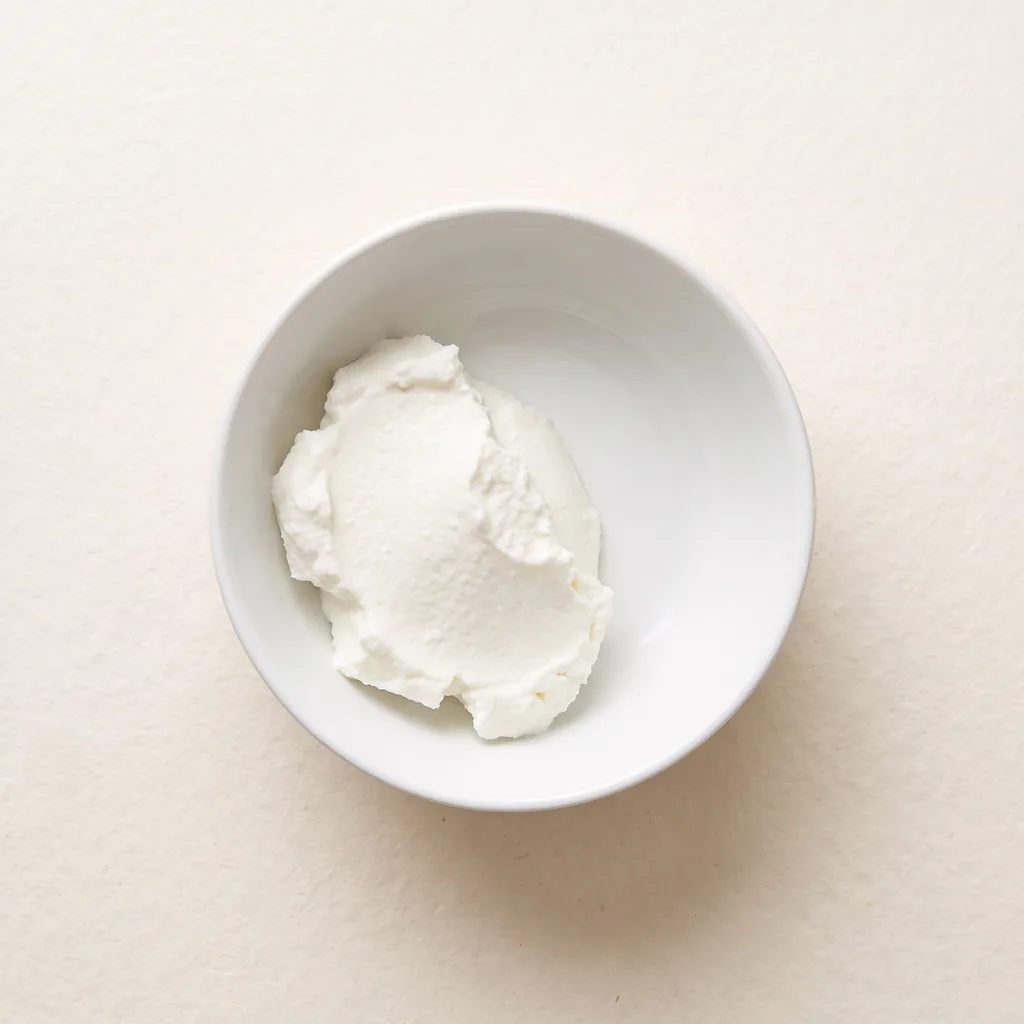
6 monthsMash

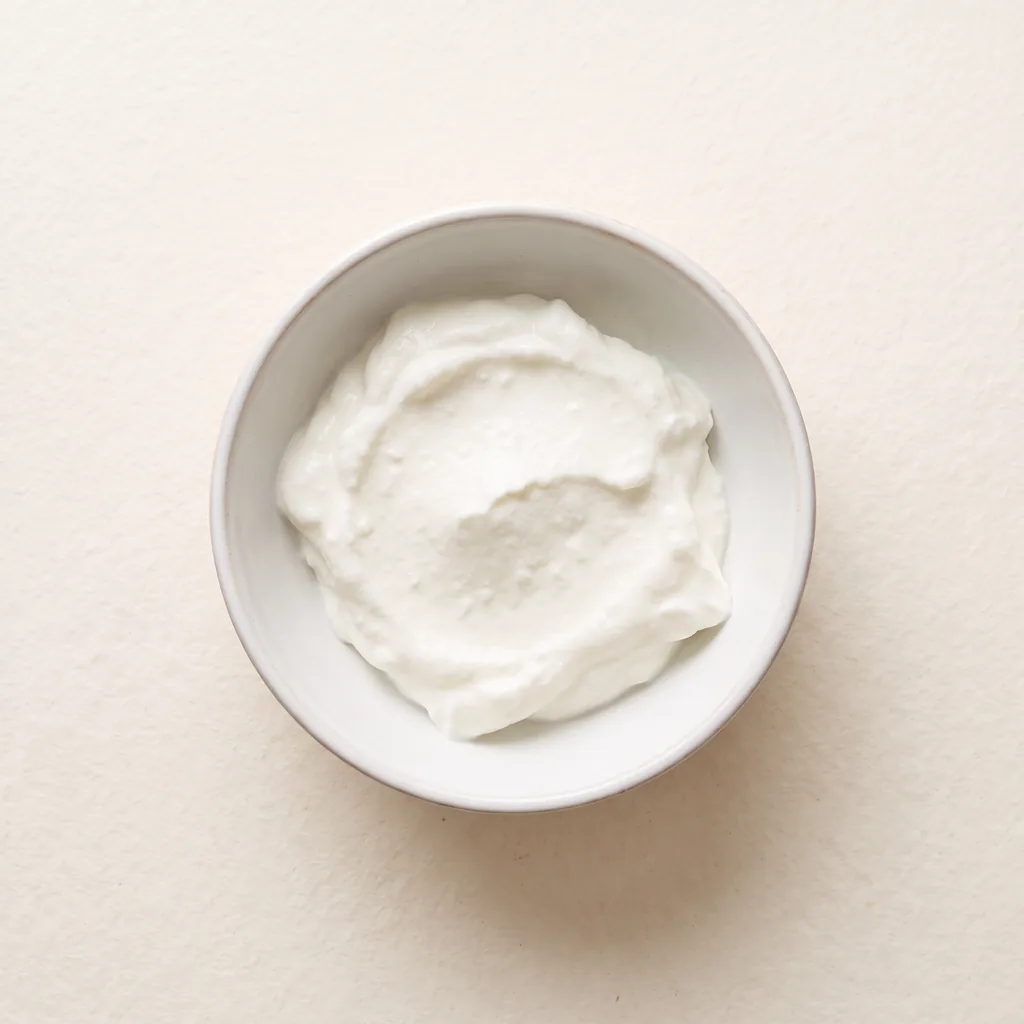
Skyr prepared for 6 months

Put a little skyr in a small bowl. Baby can scoop with their hands, or you can hold out a pre-loaded spoon in the air for them to take. Whole-milk skyr offers more fat. Skip honey-flavored kinds, since honey carries an infant botulism risk.
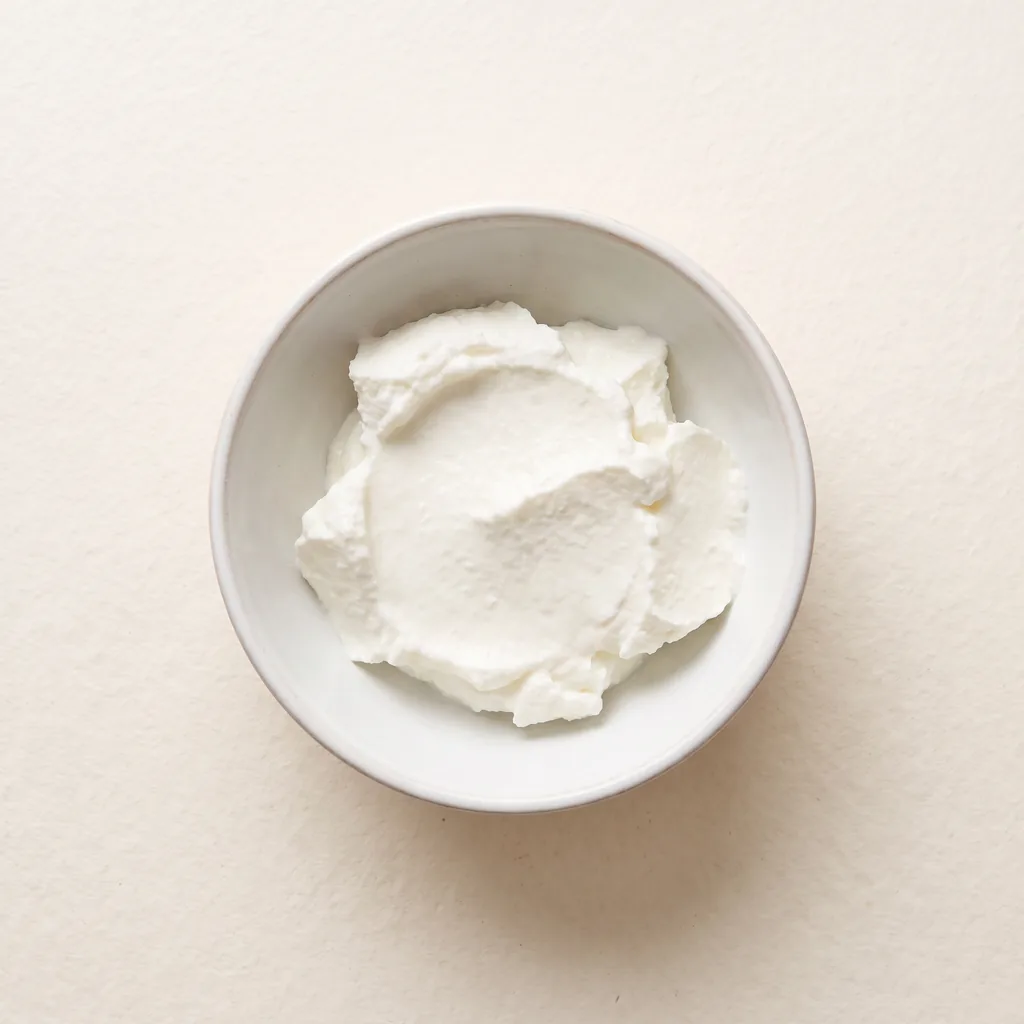
9 monthsMash

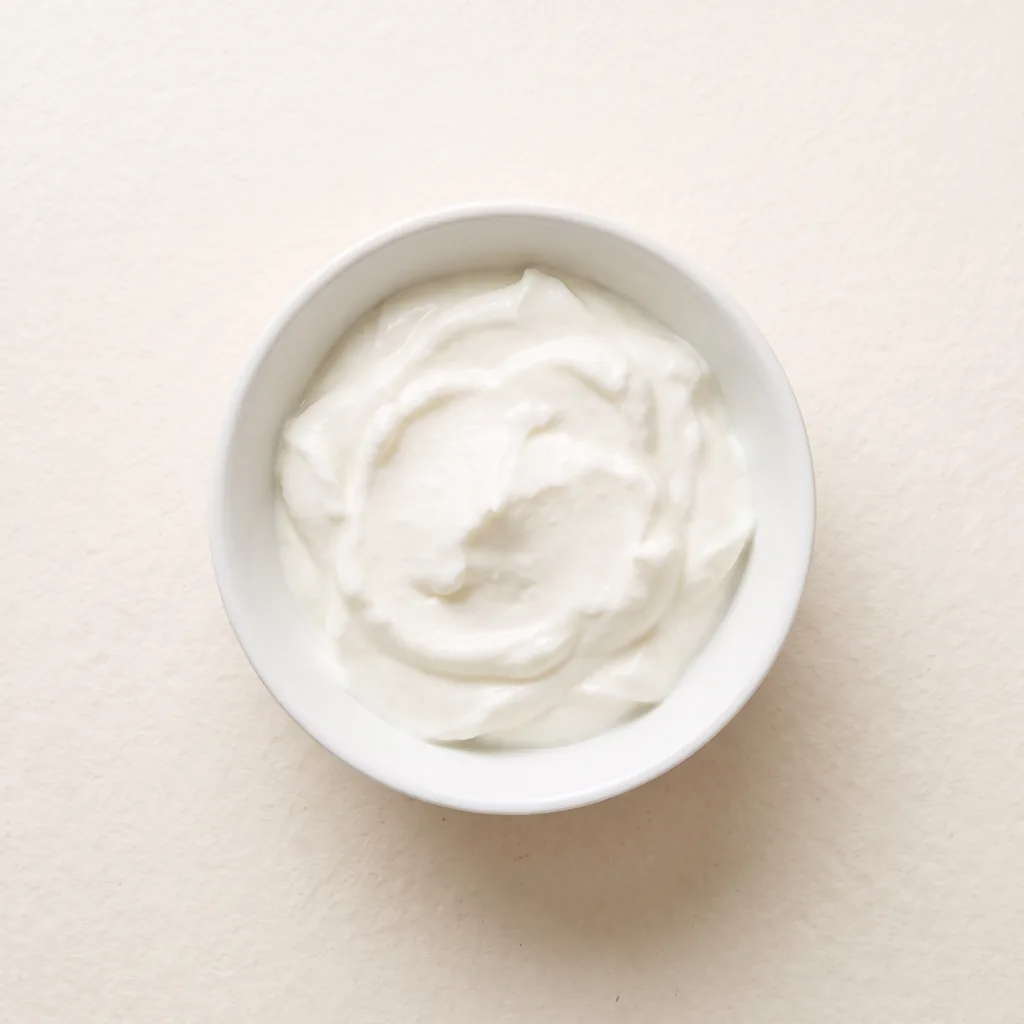
Skyr prepared for 9 months

Give your baby chances to grab a pre-loaded spoon on their own. Many babies tire fast. Switching between hands, a spoon held in the air, and a spoon resting on the bowl edge is normal. Having several spoons can help.

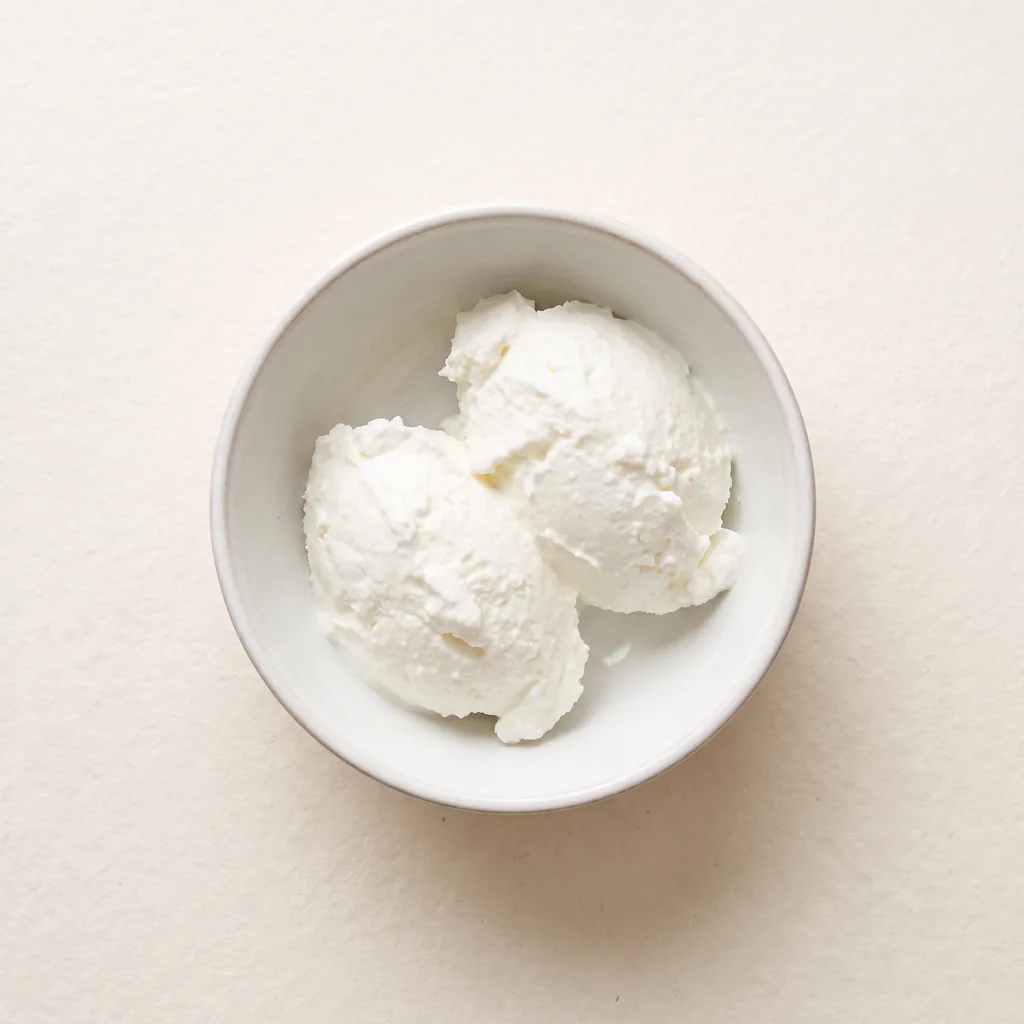
12 monthsMash

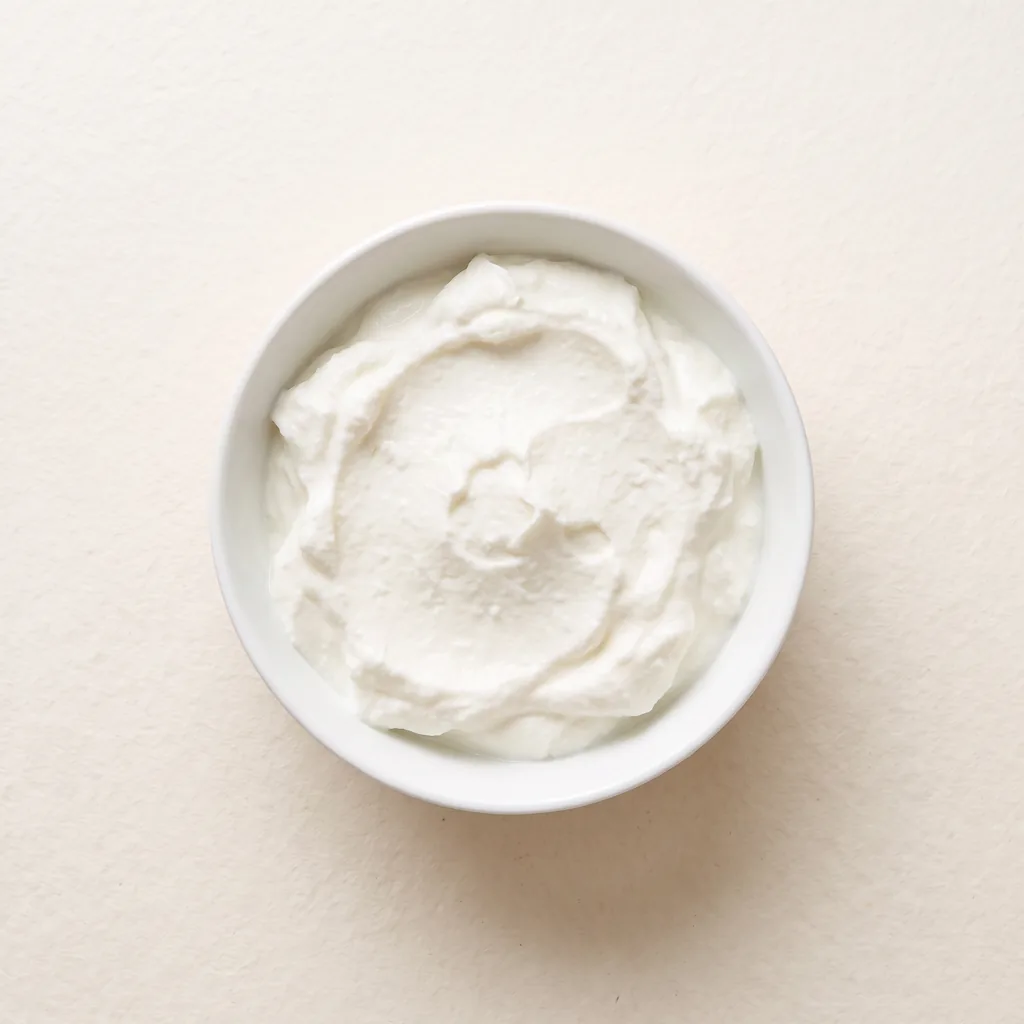
Skyr prepared for 12 months

Load the spoon and rest it on the rim of the bowl, so your child can pick it up and try. Steady independent spoon use may come after age 2. Skyr also works in savory sauces and dips.

Choking risk

  1. Low
  2. Medium
  3. High

Skyr is soft, so the choking risk is low. In theory, any food can cause choking.

Serve it for your baby's age, set up a safe eating space, and stay close while they eat.

Frequently asked questions

What age can babies eat skyr?

Skyr can be offered from about 6 months. It is made from cow's milk, so keep milk allergy in mind.

Is skyr a common allergen?

Skyr is usually made from cow's milk. Milk is one of the most frequent food allergies in young children. About one in five childhood food allergies is to milk. Sheep, goat, and buffalo milk can cause a similar reaction.

How do you prepare skyr for babies?

For a 6-month-old: Put a little skyr in a small bowl. Baby can scoop with their hands, or you can hold out a pre-loaded spoon in the air for them to take. Whole-milk skyr offers more fat. Skip honey-flavored kinds, since honey carries an infant botulism risk.
Is skyr a choking hazard for babies?

Skyr is soft, so the choking risk is low. In theory, any food can cause choking.

Can skyr be treated like yogurt?

No. Strictly speaking, skyr is a soft cheese. Rennet is added with the culture, while yogurt usually has only the culture.

Should I choose whole-milk skyr?

If you can, yes. Babies need fat for growth.

Can babies have skyr with honey?

Not before 12 months. Honey carries an infant botulism risk.
Can a child with lactose intolerance eat skyr?

Skyr holds varying amounts of lactose. People with severe intolerance may not handle it. Ask your pediatrician, since lactose-free dairy exists.

Prepared by the Lokmini team | Last updated November 17, 2026

Share:WhatsApp

Want to add this food to your baby's solid food calendar?

Join Lokmini to learn how this food is served at each age and to keep track of every food your baby tries.

Join Lokmini

Starting Solids

When and how to start solids, and what happens in the first week?

Read the guide

Similar foods

Let's get ready for the first bite together

Lokmini builds a day-by-day plan for your baby's age. Leave your email for new guides and our newsletter.

Start Your Journey