Dietitian's view
Soy sauce has a high sodium content and it is not needed in infant feeding.
Lokmini is not a healthcare provider and does not offer health services. For your baby's specific needs, talk to your doctor or a dietitian.
- Wheat and gluten allergen
- Soy allergen
- Herbs and spices
- 6 mo+
- Low choking risk
Soy sauce for babies: when to start
A dish containing soy sauce can be offered in occasional small tastes from about 6 months. Soy sauce contains soy and often wheat. It is high in sodium.
- Amino acids
- Carbohydrates
- Antioxidants
 Allergen, day 1/3
About soy sauce
How it is made
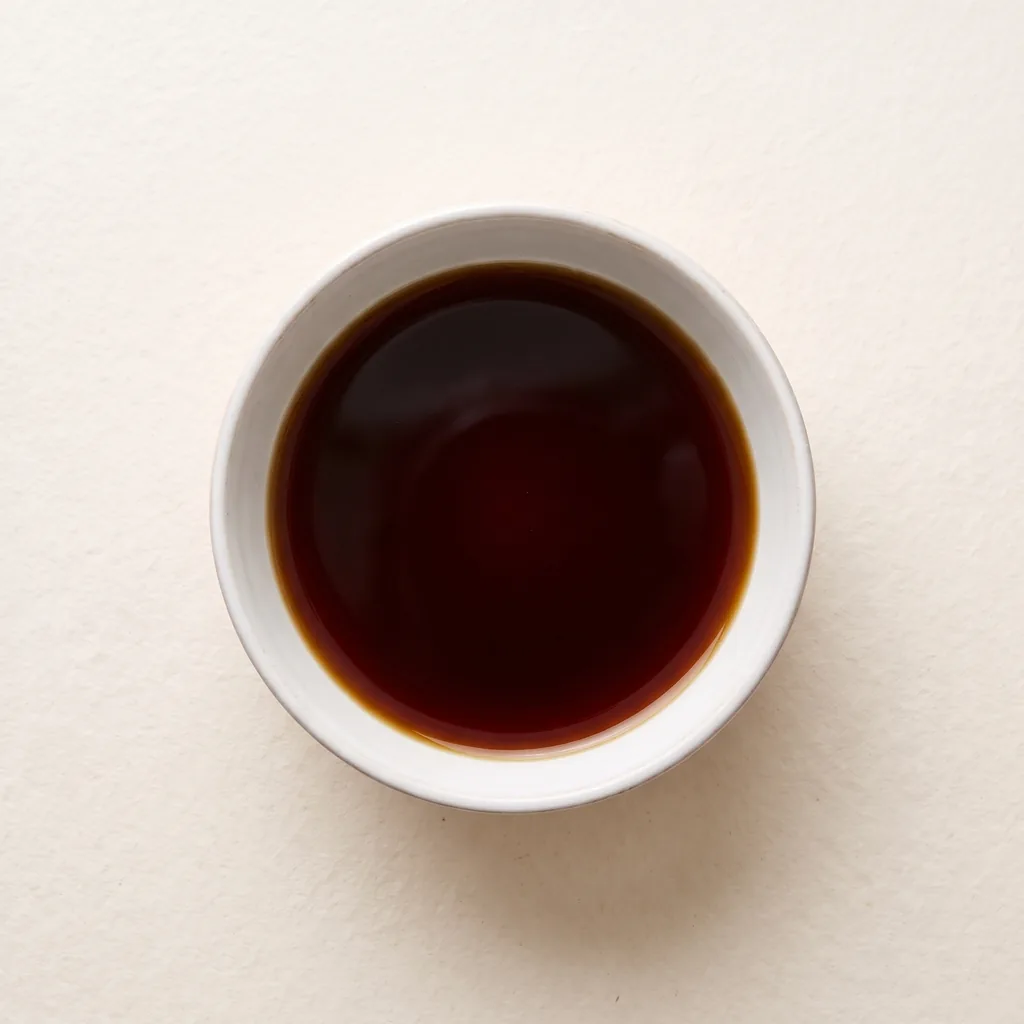
Soy sauce is a sauce native to East Asia. In the traditional method, soybeans and wheat are cooked. They are then mashed together with a specific mold. This mix ferments and makes glutamic acid, the source of its rich umami taste. Salt, water, and yeast are added next. The aged liquid is strained and pasteurized.
Nutrition
Soy sauce is not eaten in nutritionally meaningful amounts. It carries a little carbohydrate, amino acid, organic acid, and antioxidant. It also has prebiotics.
Also known as: soya sosu, soy sauce, shoyu, tamari, soya çeşnisi
- Vegan
- May contain alcohol
Soy sauce is offered 3 days in a row
So that any reaction can be linked to the right food, soy sauce is offered 3 days in a row and no other new food is tried on those days.
- 1/3
First taste
Start with a small amount in the morning or around midday. Your baby is watched closely for 5 to 10 minutes after the first bite.
- 2/3
Same food, same calm
Soy sauce is offered again the same way. No other new food is tried today.
- 3/3
Introduction done
If no reaction was seen, soy sauce is now part of your baby's meals. It keeps being offered regularly.
Emergency
If your baby has trouble breathing or swelling of the face or tongue, call 911 (or your local emergency number) right away.
About soy sauce allergy
Soy sauce is made from soybeans and often contains wheat. Both are common food allergens. Some people allergic to soy or wheat can handle soy sauce in moderation. If your baby has a known soy or wheat allergy, ask your allergist before giving soy sauce.
When introducing
Before soy sauce, try soy and wheat on their own, along with any other major allergen the bottle lists. That way you know your child already eats them safely when the sauce comes along. It also makes it easier to tell which food is responsible if a dish causes a reaction. Give a small amount in the first few servings and raise it slowly if there is no reaction.
Wheat-free option
Should wheat be the child's allergen while soy is fine, a sauce made without wheat, tamari for instance, may be safe. Go through the label closely so the allergen in question never appears among the ingredients.
Label
Soy sauce types differ from one another. Read the ingredient list on every bottle.
How to prepare it by age
Age-by-age prep is in the Lokmini app
See how to cut, texture and serve soy sauce at 6 and 12 months in the app.
Join LokminiChoking risk
- Low
- Medium
- High
Soy sauce is a liquid, so the choking risk is low. In theory, any food can cause choking.
Cut the dish that holds the sauce to suit your baby's age. Set up a safe eating space and stay close while they eat.
Frequently asked questions
What age can babies eat soy sauce?
Is soy sauce a common allergen?
Is soy sauce a choking hazard for babies?
Can babies have soy sauce?
Is soy sauce gluten free?
Sources
- World Health Organization (WHO), Guideline for complementary feeding of infants and young children 6-23 months of age (2023)
- National Health Service (NHS), Preparing food safely for babies
- European Academy of Allergy and Clinical Immunology, EAACI guideline: Preventing the development of food allergy in infants and young children (2020 update) (2021)
- Food Chemistry, Structural characteristics of oligosaccharides from soy sauce lees and their potential prebiotic effect on lactic acid bacteria (2011)
- Journal of Bioscience and Bioengineering, Functional effects of Japanese style fermented soy sauce (shoyu) and its components (2005)
- Nutrients, Liem D.G., Nutrients 9(9):1011 (başlık kaynakta silinmiş) (2017)
Prepared by the Lokmini team | Last updated November 17, 2026
Want to add this food to your baby's solid food calendar?
Join Lokmini to learn how this food is served at each age and to keep track of every food your baby tries.