Skip to content

Dietitian's view

You can use vinegar diluted.

Lokmini is not a healthcare provider and does not offer health services. For your baby's specific needs, talk to your doctor or a dietitian.

  • Herbs and spices
  • 6 mo+
  • Low choking risk

Vinegar for babies: when to start

Vinegar is a sour-tasting condiment made by fermenting foods that contain sugar. First the sugars turn into alcohol, then acetic acid bacteria turn the alcohol into acetic acid.

  • Amino acids
  • Polyphenols
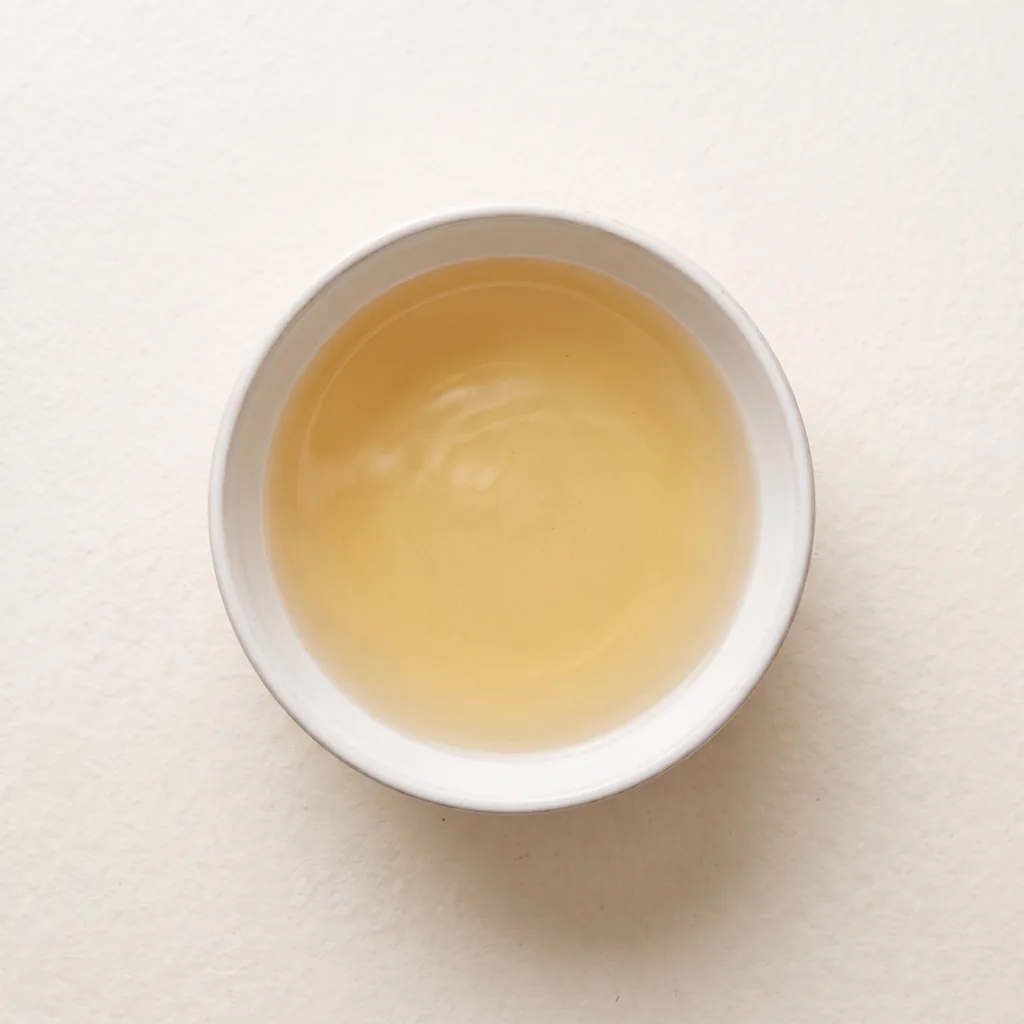
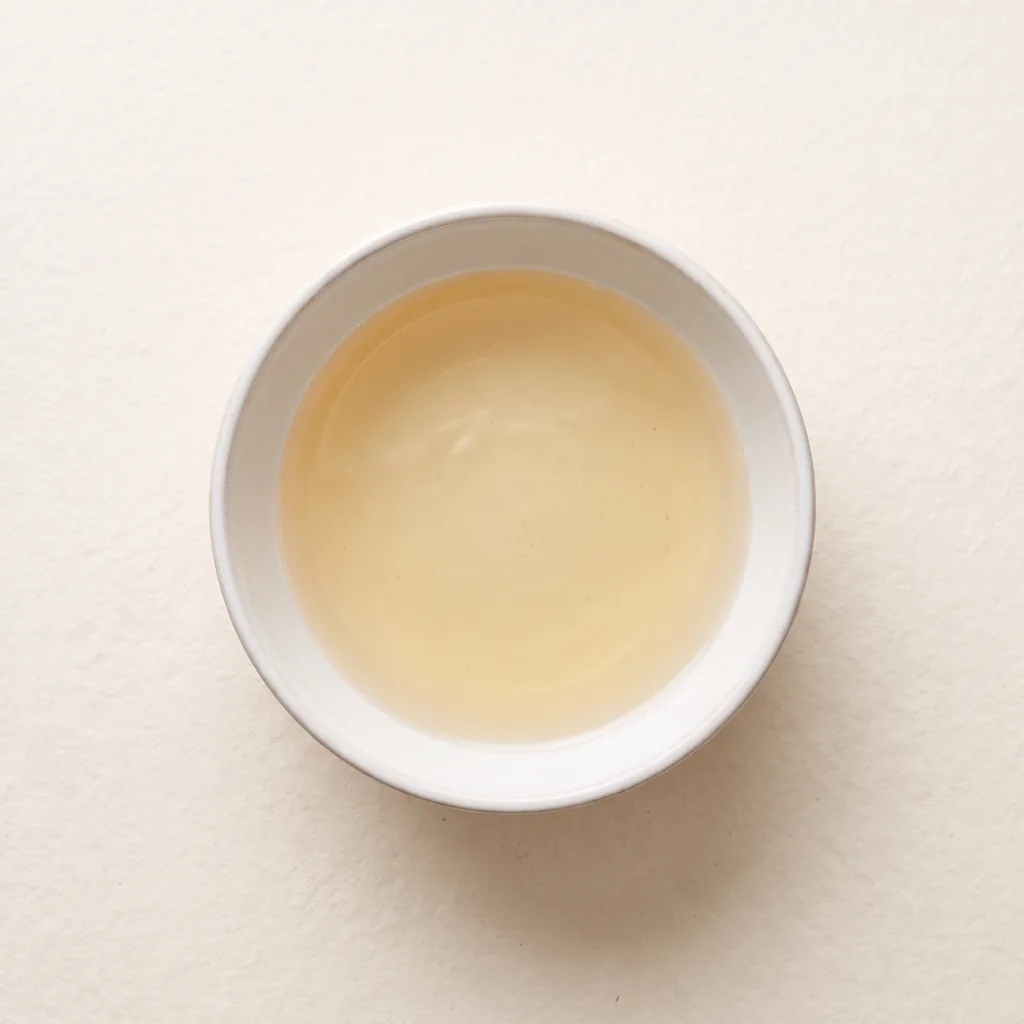
Vinegar prepared for a baby

About vinegar

It can be made from apples, grapes, rice and various grains. Its aroma and acidity vary with the raw material.

When your baby is ready for solids, usually around 6 months, you can use a very small amount of vinegar in their food.

Because vinegar is strongly acidic, do not give it to your baby to drink straight or as a treatment.

Nutrition

One of the main components of vinegar is acetic acid. Depending on the food it is made from and how it is fermented, it may also contain small amounts of organic acids, amino acids and polyphenols.

Because vinegar is used in very small amounts, it does not add meaningfully to your baby's intake of vitamins, minerals, protein or energy.

The effects of acetic acid on blood sugar response and digestion have been studied in adults. However, there is not enough clinical evidence to support using vinegar for these purposes in babies.

In complementary feeding, the main role of vinegar is to add flavor and a sour taste to food.

Also known as: elma sirkesi, üzüm sirkesi, balzamik sirke, pirinç sirkesi, şarap sirkesi

  • Gluten-free
  • Vegan

How to prepare it by age

6 monthsMash

Vinegar prepared for 6 months

Add vinegar in small quantities, like you would in everyday cooking. Add it to marinades and sauces, drizzle a few drops over fruit and vegetables, or use it for pickling. Make sure the label lists no honey, because honey is off limits before 12 months. Also scan the ingredients for common allergens your baby has not yet tried.
12 monthsMash

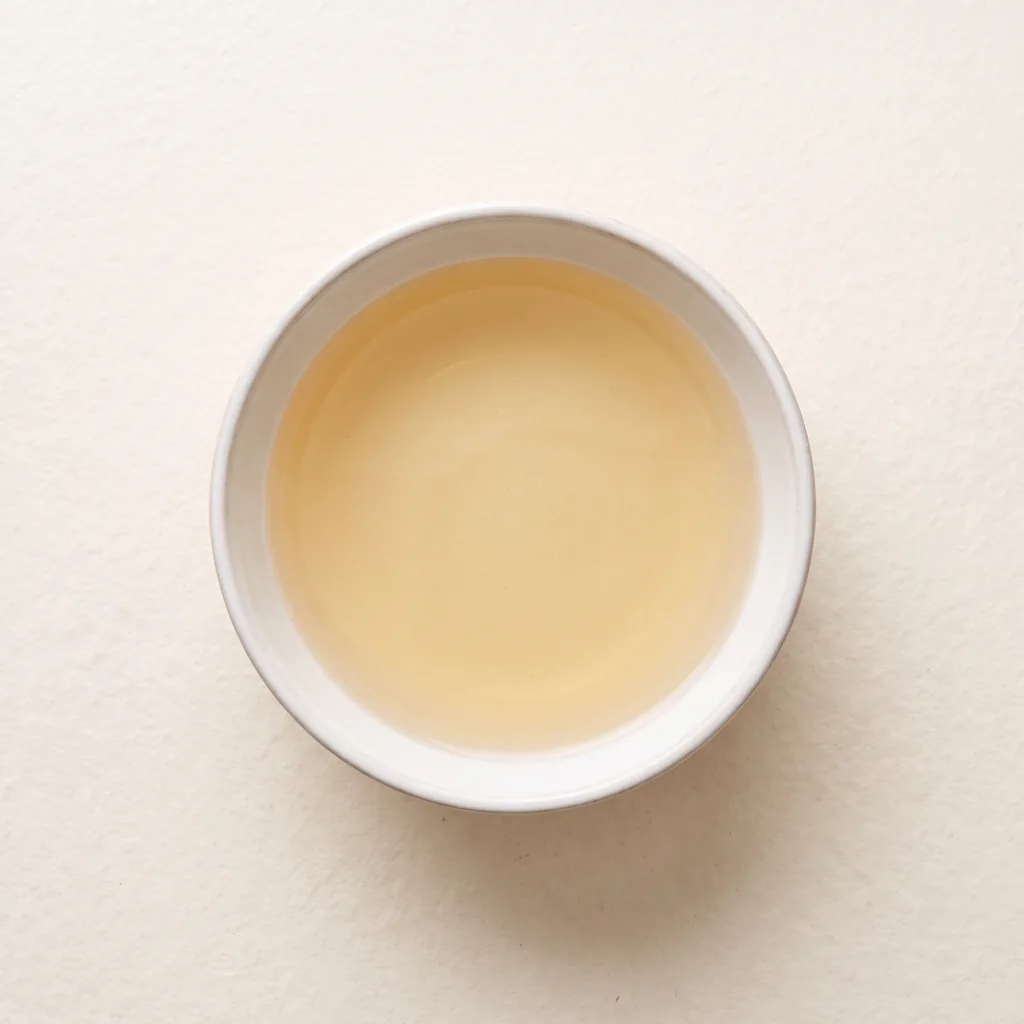
Vinegar prepared for 12 months

Any kind of vinegar can stay in your cooking. Vinegar-based drinks come only after 12 months, well diluted, in small amounts, from an open cup. Never serve vinegar on its own or in large amounts.

Choking risk

  1. Low
  2. Medium
  3. High

Because vinegar is a liquid, it does not carry the mechanical choking risk of solid foods.

However, it is strongly acidic, so drinking it straight can irritate the mouth and throat and cause coughing.

Mix vinegar in very small amounts into food prepared to suit your baby's age.

Check the choking risk of the other ingredients in dishes with vinegar separately.

Your baby should sit upright throughout the meal and stay under your constant supervision.

Allergen information

Vinegar seldom causes allergic reactions. Vinegars are often preserved with sulfites, though, and in sulfite-sensitive people these can trigger allergy-like reactions or asthma flares. Look for the words contains sulfites on the label. Added ingredients may also carry common allergens, so read the ingredient list.

Histamine is plentiful in vinegar by nature, and vinegar can also nudge white blood cells to release more. Sensitive children may get a rash or an upset stomach. If that happens, try a smaller amount.

Acidic foods can cause contact rashes on the face or diaper rash. Before the meal apply a light coat of barrier ointment, and wipe it off when the meal ends. For a diaper rash, use a thick barrier cream and avoid long contact with a wet diaper.

Sulfites

Sulfites occur naturally in many vinegars and are also added as a preservative. They are fine unless your child is sensitive. To avoid them, look for names such as sulfur dioxide, sodium metabisulfite and potassium metabisulfite.

Frequently asked questions

Is vinegar a common allergen?

Vinegar seldom causes allergic reactions. Vinegars are often preserved with sulfites, though, and in sulfite-sensitive people these can trigger allergy-like reactions or asthma flares. Look for the words contains sulfites on the label. Added ingredients may also carry common allergens, so read the ingredient list.

How do you prepare vinegar for babies?

For a 6-month-old: Add vinegar in small quantities, like you would in everyday cooking. Add it to marinades and sauces, drizzle a few drops over fruit and vegetables, or use it for pickling. Make sure the label lists no honey, because honey is off limits before 12 months. Also scan the ingredients for common allergens your baby has not yet tried.
Is vinegar a choking hazard for babies?

Because vinegar is a liquid, it does not carry the mechanical choking risk of solid foods.

When can babies have vinegar?

Once your baby is ready for solids, usually around 6 months, vinegar can be used in very small amounts in food. Choose types without honey or unsuitable additives.

Does vinegar contain alcohol?

Fermentation can leave a small amount of alcohol in some vinegars. In the amounts normally used in food, this is usually very low.

Can babies have vinegar with sulfites?

Yes, if your child is not sulfite sensitive. If you suspect sensitivity or want to avoid them, check labels for contains sulfites and ask your pediatrician.

Can babies drink water with vinegar in it?

Not recommended. Drinking vinegar diluted with water has no proven health benefit for babies or young children. Drinking acidic drinks often can damage tooth enamel.

Prepared by the Lokmini team | Last updated November 19, 2026

Share:WhatsApp

Want to add this food to your baby's solid food calendar?

Join Lokmini to learn how this food is served at each age and to keep track of every food your baby tries.

Join Lokmini

Starting Solids

When and how to start solids, and what happens in the first week?

Read the guide

Similar foods

Let's get ready for the first bite together

Lokmini builds a day-by-day plan for your baby's age. Leave your email for new guides and our newsletter.

Start Your Journey