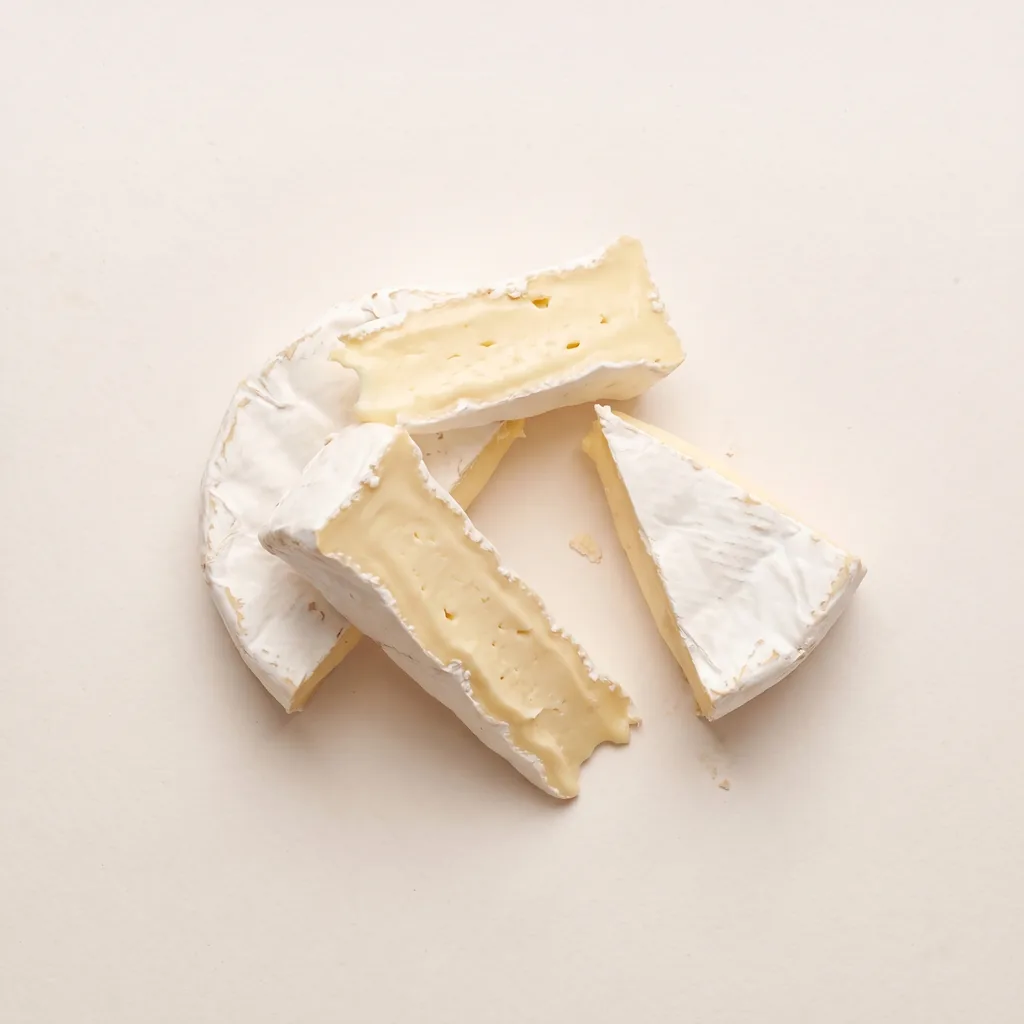
Skip to content
  • Cow's milk allergen
  • Dairy
  • 6 mo+
  • Medium choking risk

White cheese for babies: when to start

White cheese can be offered once your baby is ready for solids, from about 6 months. The NHS says pasteurized hard cheeses can be given from 6 months.

  • Protein
  • Calcium
  • Sodium (salt)
White cheese prepared for a babyAllergen, day 1/3

About white cheese

When can babies have white cheese?

The Turkish Food Codex Cheese Communique describes white cheese as a cheese kept in brine. Because of the brine, the salt level can be high.

Salt and babies

The NHS says babies should not eat much salt because it is not good for their kidneys. In one Turkish study, white cheese was ripened in brines with 12 to 18 g of salt per 100 g of water. That shows how salty the brine can be. So keep portions small and reduce the salt.

Also known as: Ezine peyniri, beyaz peynir, sade beyaz peynir, salamura peyniri

  • Gluten-free
  • Vegetarian
  • Contains dairy

White cheese is offered 3 days in a row

So that any reaction can be linked to the right food, white cheese is offered 3 days in a row and no other new food is tried on those days.

  1. 1/3

    First taste

    Start with a small amount in the morning or around midday. Your baby is watched closely for 5 to 10 minutes after the first bite.

  2. 2/3

    Same food, same calm

    White cheese is offered again the same way. No other new food is tried today.

  3. 3/3

    Introduction done

    If no reaction was seen, white cheese is now part of your baby's meals. It keeps being offered regularly.

Emergency

If your baby has trouble breathing or swelling of the face or tongue, call 911 (or your local emergency number) right away.

About white cheese allergy

FPIES warning

It is one of the known triggers of FPIES (a delayed-onset food allergy). In this condition, repeated severe vomiting, pallor and lethargy may occur, usually 1-4 hours after the food is eaten. Diarrhea may appear later. These symptoms require urgent medical evaluation.

Allergen status

White cheese contains cow's milk protein and is a cow's milk allergen. Offer new allergens one at a time and in very small amounts. Trying it in the morning makes it easier to watch for a reaction.

A rash, vomiting, diarrhea, cough or swollen lips can be signs of a reaction. For severe symptoms, call emergency services. If cow's milk allergy has been diagnosed, do not serve it without your doctor's advice.

How to prepare it by age

6 monthsMash

White cheese prepared for 6 months

Cut: Shredded

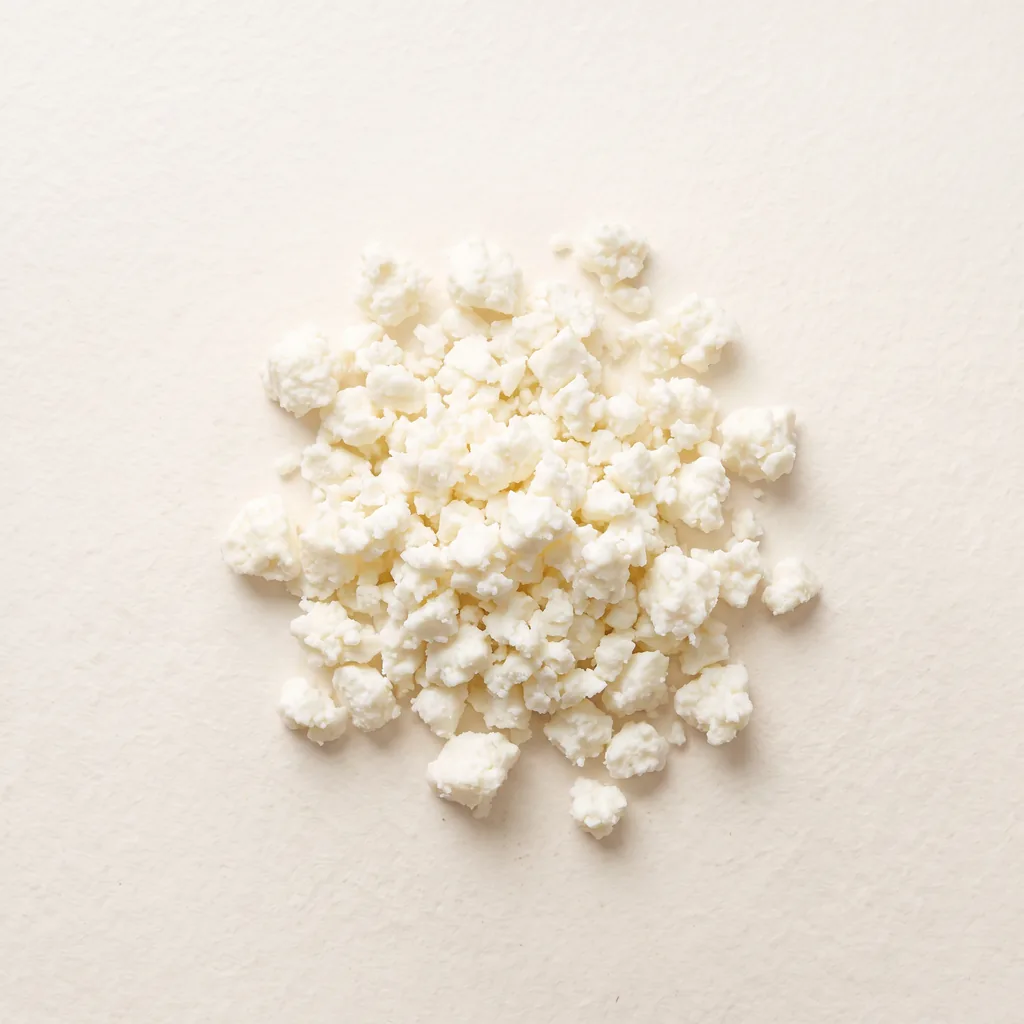
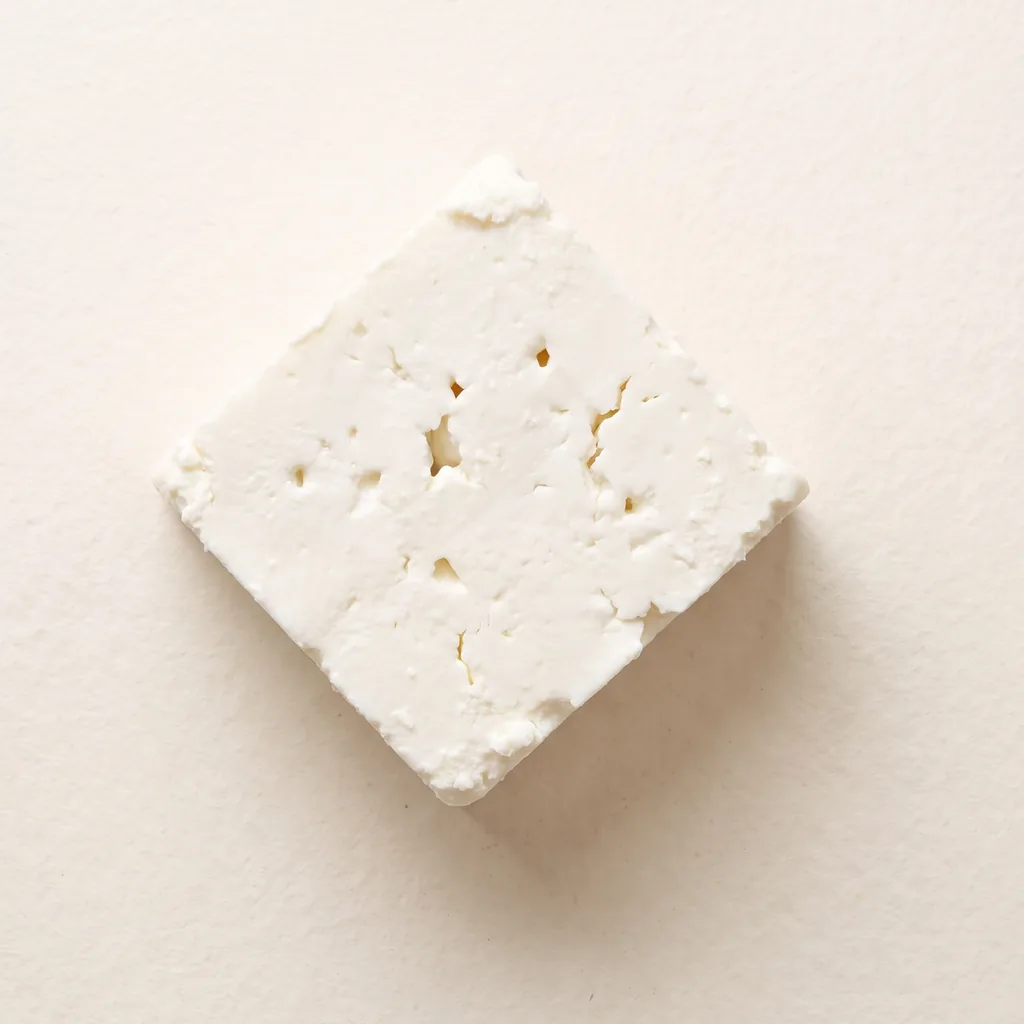
Crumble pasteurized white cheese into small pieces and stir it into foods you serve on a spoon. A second way is to whip the cheese with plain yogurt until creamy and use it as a dip for age-appropriate foods. To reduce the salt, take the cheese out of its brine and soak it in clean water.
9 monthsSlice

White cheese prepared for 9 months

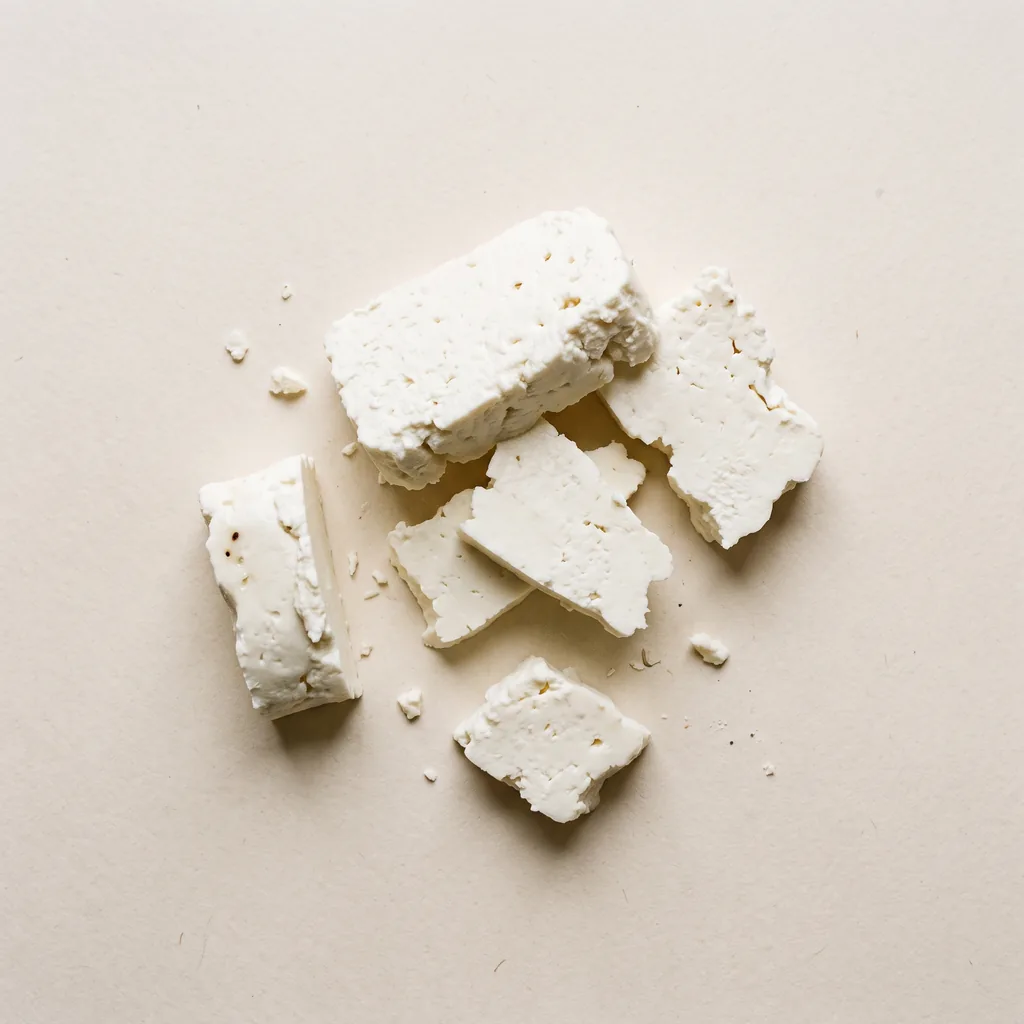
Serve the cheese as a long, flat slice or crumble it into small pieces. Very thin slices can fall apart in your baby's hand. Let your baby gather the pieces that crumble. You can also offer the cheese whipped with yogurt as a dip.

12 monthsCube

White cheese prepared for 12 months

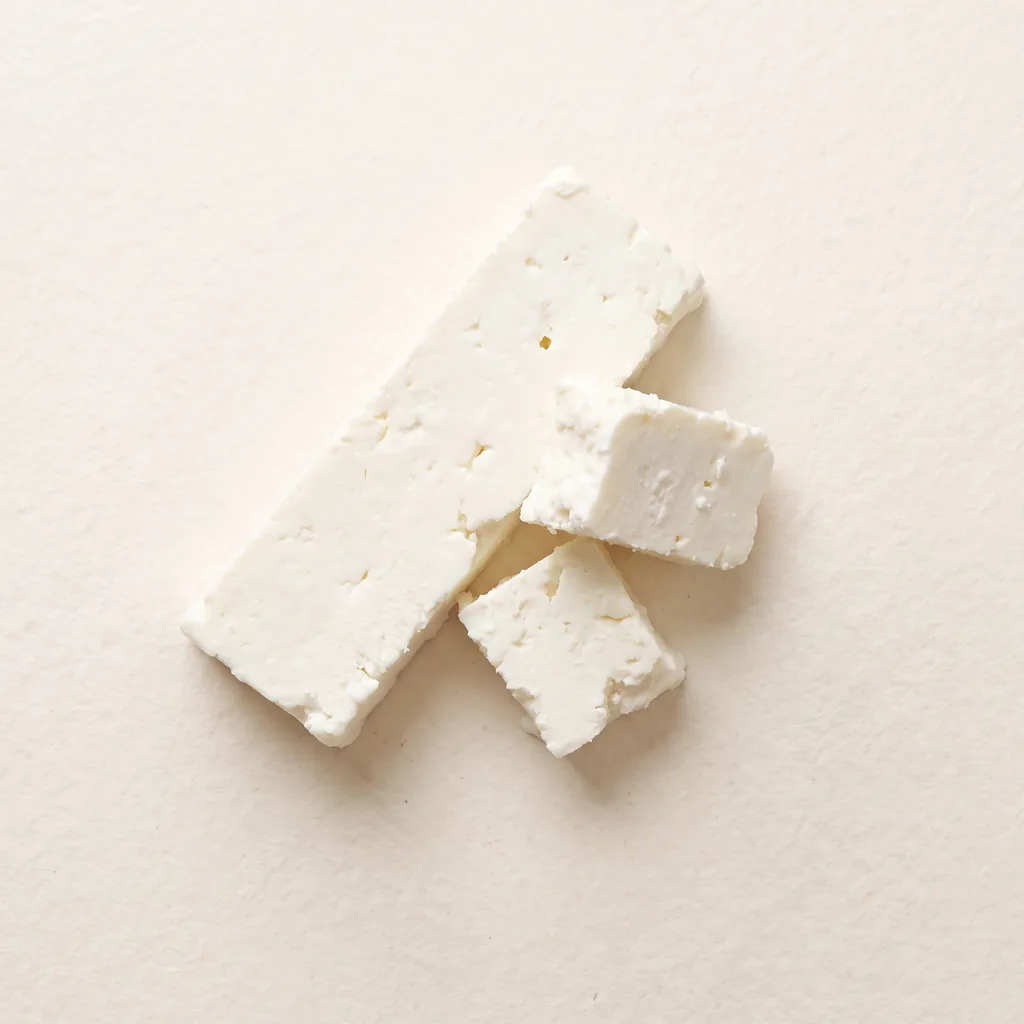
Serve white cheese in bite-size cubes or crumbled. Offer it on its own or inside a meal. Its texture can feel chalky, so offer water alongside. Prefer a pasteurized product.

Choking risk

  1. Low
  2. Medium
  3. High

Choking risk

White cheese carries a medium choking risk. The CDC lists large chunks of cheese as a choking hazard. Crumble it, cut it into thin flat slices or small cubes. Stay with your baby during meals.

Frequently asked questions

What age can babies eat white cheese?

White cheese can be offered once your baby is ready for solids, from about 6 months. The NHS says pasteurized hard cheeses can be given from 6 months.

Is white cheese a common allergen?

White cheese contains cow's milk protein and is a cow's milk allergen. Offer new allergens one at a time and in very small amounts. Trying it in the morning makes it easier to watch for a reaction.

How do you prepare white cheese for babies?

For a 6-month-old: Crumble pasteurized white cheese into small pieces and stir it into foods you serve on a spoon. A second way is to whip the cheese with plain yogurt until creamy and use it as a dip for age-appropriate foods. To reduce the salt, take the cheese out of its brine and soak it in clean water.

Is white cheese a choking hazard for babies?

White cheese carries a medium choking risk. The CDC lists large chunks of cheese as a choking hazard. Crumble it, cut it into thin flat slices or small cubes. Stay with your baby during meals.

How can I reduce the salt in white cheese?

Take the cheese out of its brine and soak it in clean water. This helps reduce the salt. Keep the portion small as well.
Which white cheese should I choose?

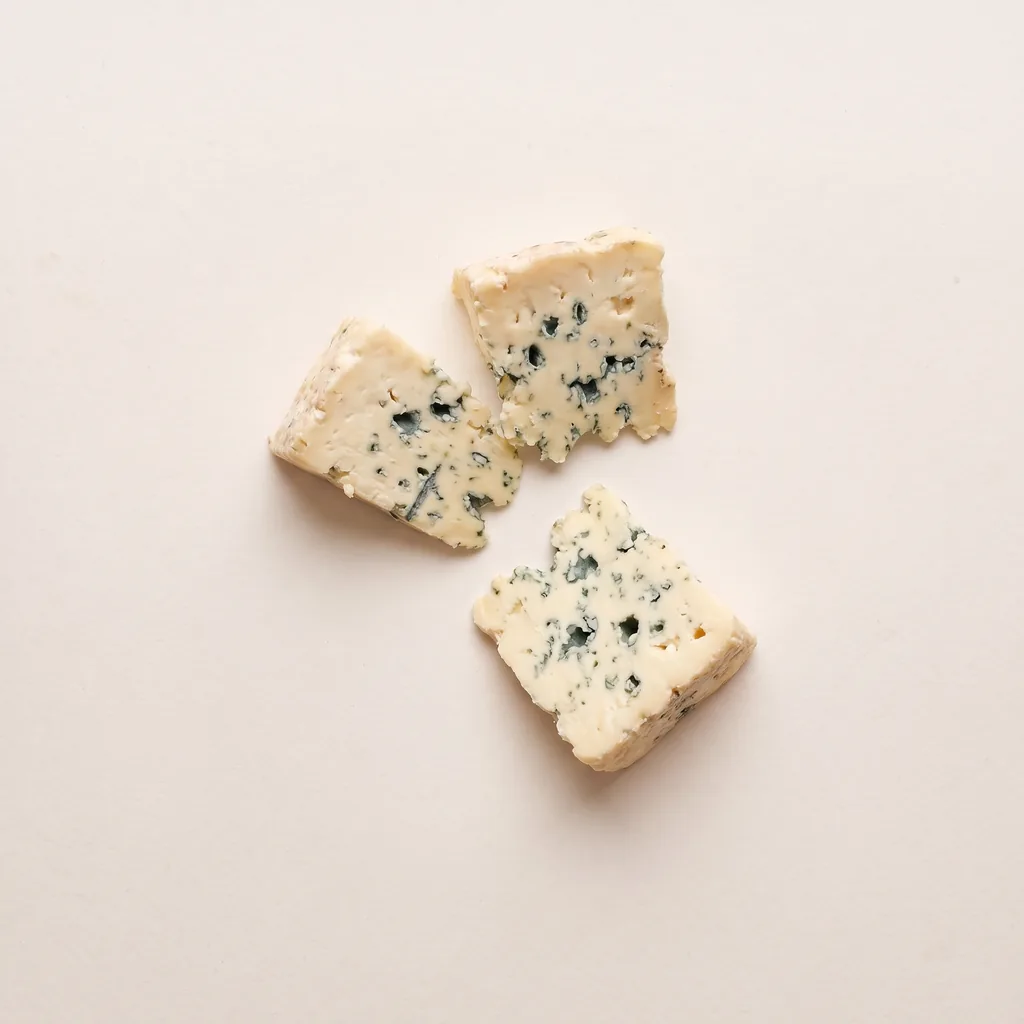
Choose one made from pasteurized milk. The NHS notes a listeria risk with unpasteurized cheeses. Read the label.

Can white cheese get stuck in the throat?

Large, firm pieces can. Crumble it, or serve a thin flat slice or small cubes.

How do I make whipped cheese with yogurt?

Whip crumbled cheese with plain yogurt until creamy. You can use it as a dip for age-appropriate foods.

Prepared by the Lokmini team | Last updated November 17, 2026

Share:WhatsApp

Want to add this food to your baby's solid food calendar?

Join Lokmini to learn how this food is served at each age and to keep track of every food your baby tries.

Join Lokmini

Starting Solids

When and how to start solids, and what happens in the first week?

Read the guide

Similar foods

Let's get ready for the first bite together

Lokmini builds a day-by-day plan for your baby's age. Leave your email for new guides and our newsletter.

Start Your Journey