Skip to content

Dietitian's view

Lemon and tangerine are sufficient alternatives to yuzu.

Lokmini is not a healthcare provider and does not offer health services. For your baby's specific needs, talk to your doctor or a dietitian.

  • Fruits
  • 6 mo+
  • Low choking risk

Yuzu for babies: when to start

Yuzu can be offered in small amounts once your baby is ready for solids, at about 6 months. It is high in acid, which can cause a rash where it touches the skin and can cause or worsen diaper rash.

  • Vitamin C
  • Soluble fiber
  • Pectin
  • Plant compounds
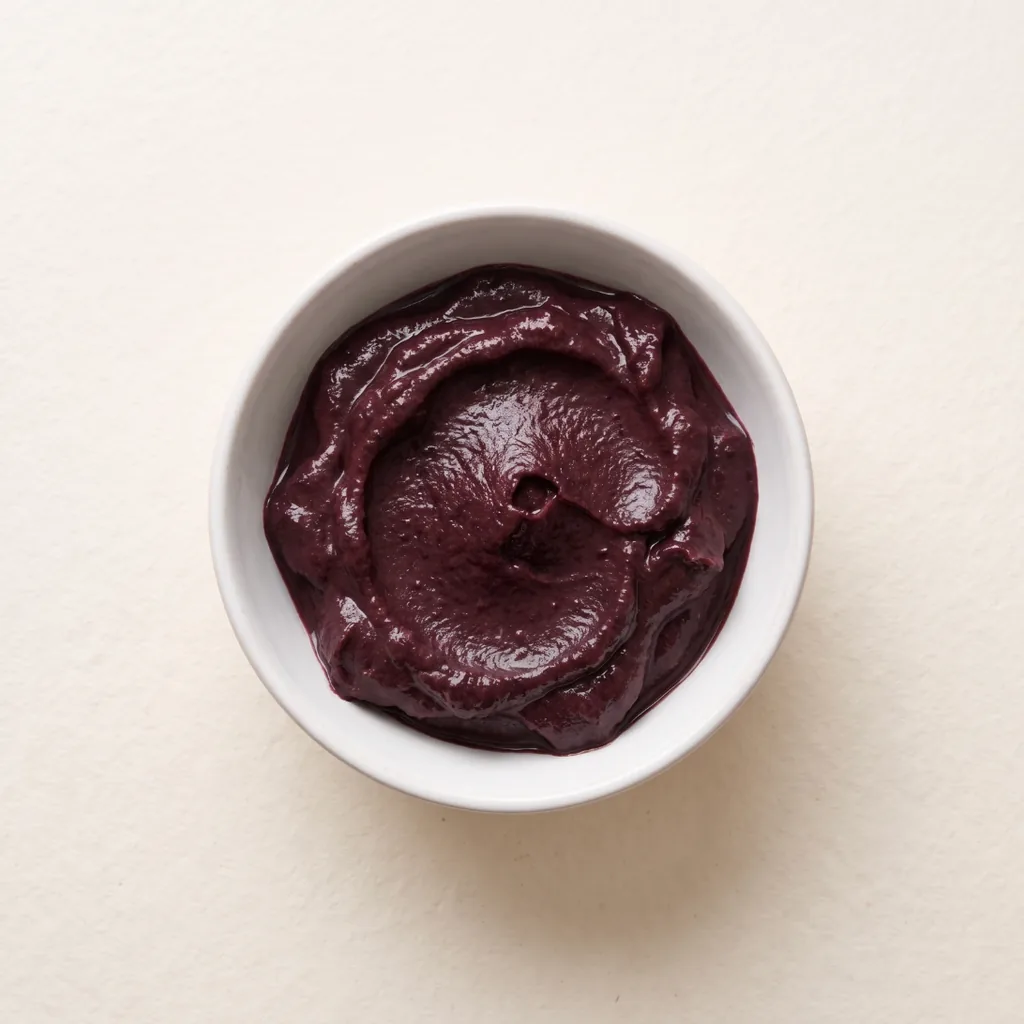
Yuzu prepared for a baby

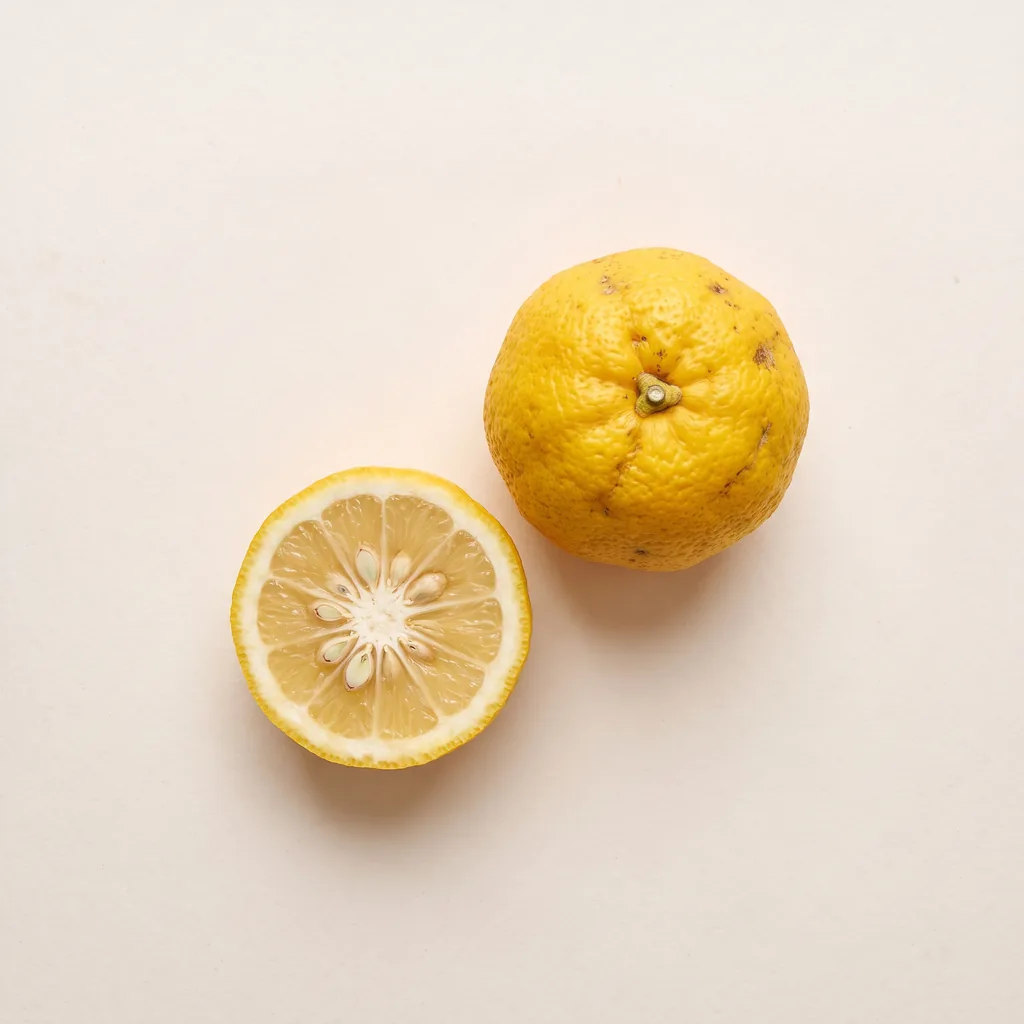
About yuzu

Yuzu is a citrus fruit from East Asia, used in Japanese cooking to add sourness. Its bumpy, dimpled peel turns bright yellow when ripe, and it is also called yuja. It is used much like lemon and lime, bringing a tart, floral flavor to savory dishes and cold drinks. In Japan, the winter solstice yuzu bath, yuzuyu, uses hot water to release the aromatic oils in the peel.

Yuzu has a great deal of vitamin C, which contributes to the normal function of the immune system and increases iron absorption. The peel in particular has many plant compounds.

Acid and skin

Yuzu juice can leave a harmless red patch around the mouth. Before meals you can put a barrier ointment, such as pure petroleum jelly or a plant oil and wax blend, on the face and diaper area.

Also known as: yuja, japon limonu, yuzu suyu, yuzu kabuğu, yuzukosho

  • Gluten-free
  • Vegan

How to prepare it by age

6 monthsMash

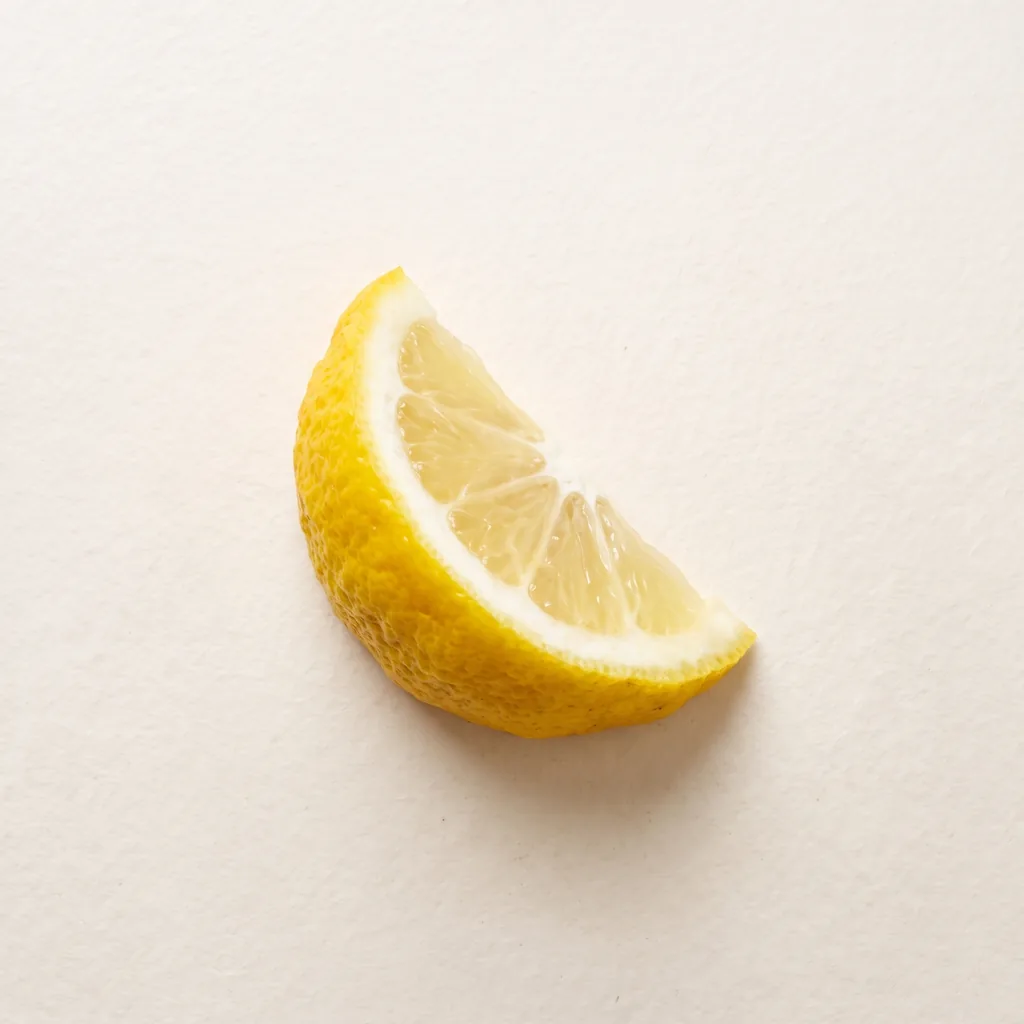
Yuzu prepared for 6 months

Fresh yuzu juice goes into marinades, and you can also squeeze a few drops onto your baby's food. A sprinkle of grated rind adds a tart note. Your baby may also enjoy tasting yuzu alone. Offer a small wedge with the seeds removed and teach the word sour. Yuzu is acidic, so a barrier ointment on the face and diaper area can help.
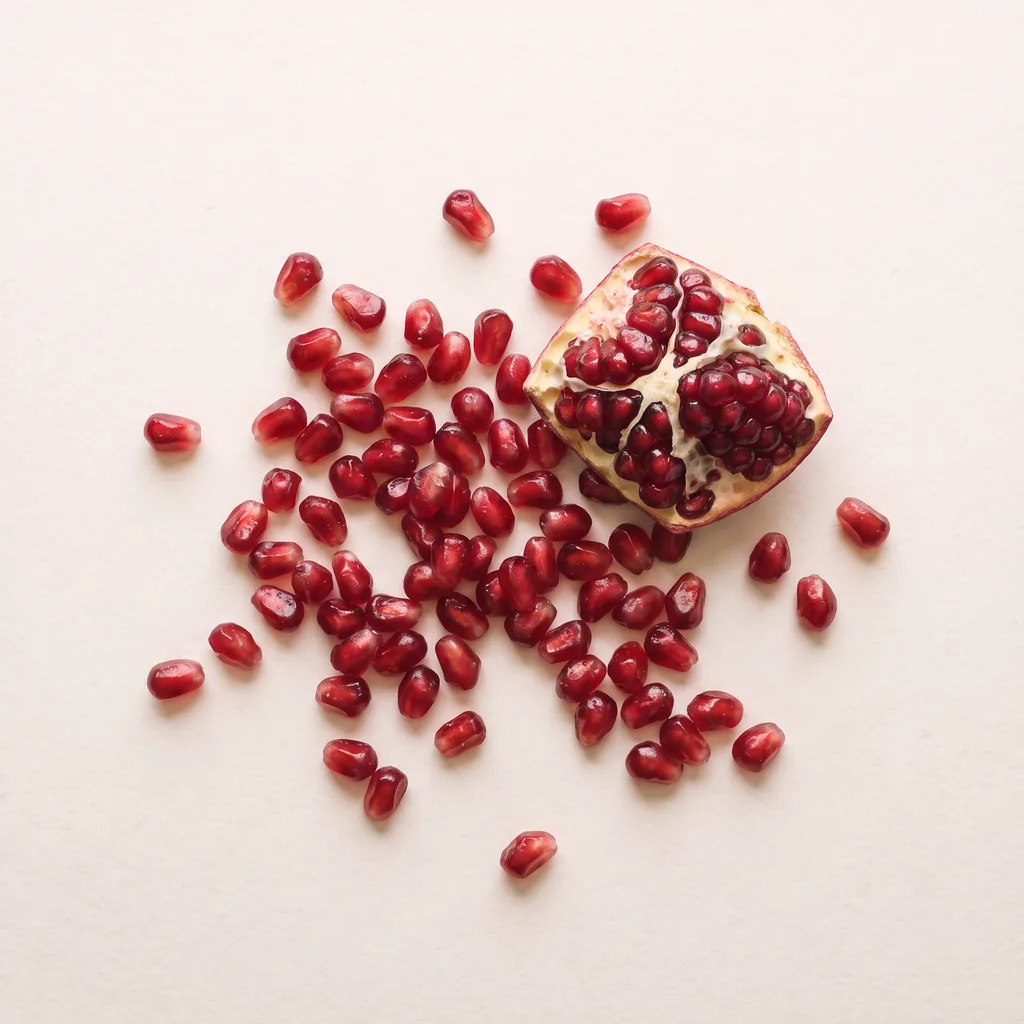
12 monthsSlice

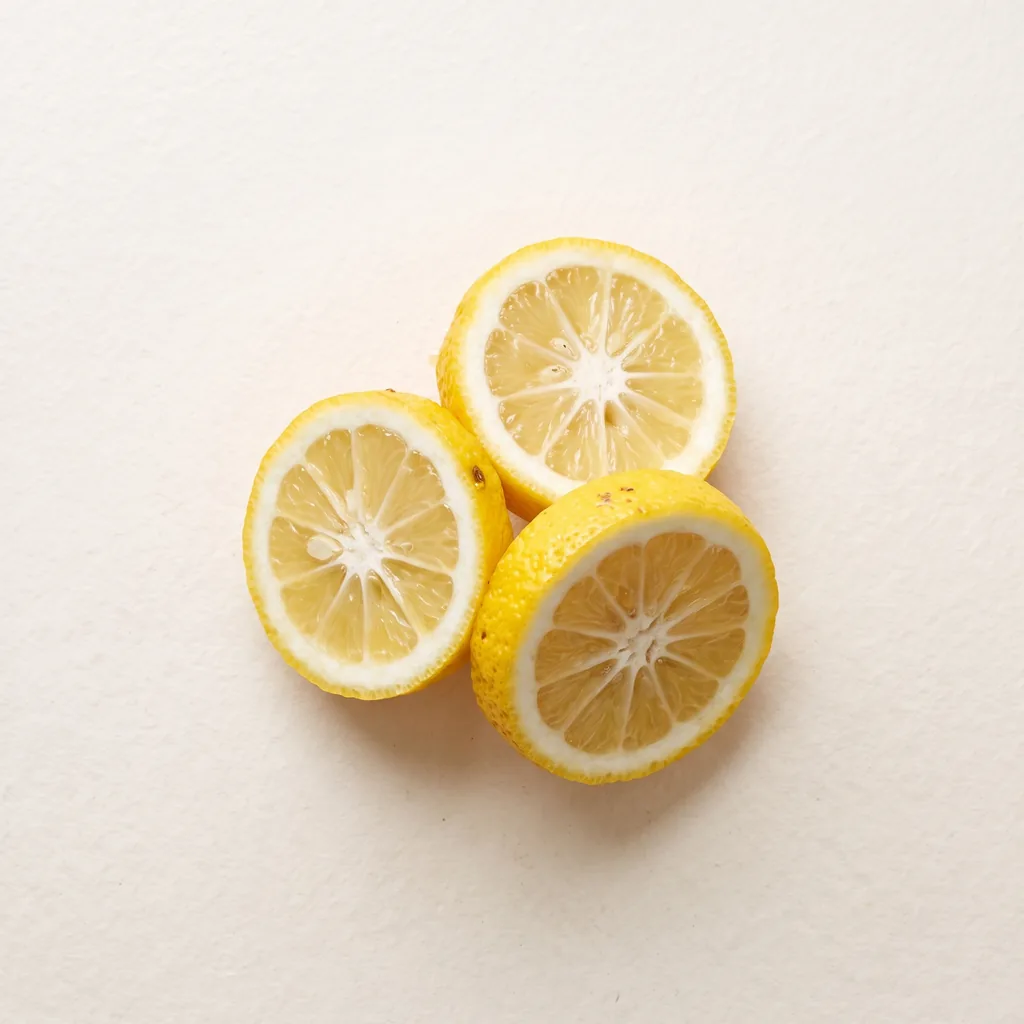
Yuzu prepared for 12 months

Keep adding yuzu juice to meals. Put seedless wedges beside dishes that want a tart touch. Show your child how a squeeze of the fruit makes juice drip over the food. A squeeze over leafy greens, vegetables and legumes helps the body absorb plant iron. Seasonings such as ponzu and yuzukosho are fine, but use only a little on your child's portion to hold down sodium.

Choking risk

  1. Low
  2. Medium
  3. High

Most people only squeeze yuzu for its juice, so choking is not a typical concern. Citrus segments left in their membrane, and seeds, are hazards for babies and children. Remove seeds before offering a wedge and watch your child closely.

Allergen information

Yuzu is not a common allergen. Medical literature does often mention citrus sensitivity that people report themselves. People with pollen food allergy (oral allergy syndrome), especially to grass and some tree pollens, may react to yuzu. That usually means brief itching, tingling or burning in the mouth, and a dangerous reaction is unlikely. Peeling or cooking yuzu reduces the reaction.

Because of the acid, you may see a harmless red patch around the mouth, stomach irritation if a lot is eaten, and diaper rash. Limonene in the peel may give sensitized people an allergic contact dermatitis.

If juice stays on skin and the skin meets sun, a reaction called phytophotodermatitis can follow, with a pigmented, itchy, sometimes blistering and painful rash. Rinsing the skin after contact with citrus and protecting it from the sun will prevent this.

First try

As with any new food, start with a small amount for the first few servings. If there is no reaction, increase it gradually.

Frequently asked questions

What age can babies eat yuzu?

Yuzu can be offered in small amounts once your baby is ready for solids, at about 6 months. It is high in acid, which can cause a rash where it touches the skin and can cause or worsen diaper rash.

Is yuzu a common allergen?

Yuzu is not a common allergen. Medical literature does often mention citrus sensitivity that people report themselves. People with pollen food allergy (oral allergy syndrome), especially to grass and some tree pollens, may react to yuzu. That usually means brief itching, tingling or burning in the mouth, and a dangerous reaction is unlikely. Peeling or cooking yuzu reduces the reaction.

How do you prepare yuzu for babies?

For a 6-month-old: Fresh yuzu juice goes into marinades, and you can also squeeze a few drops onto your baby's food. A sprinkle of grated rind adds a tart note. Your baby may also enjoy tasting yuzu alone. Offer a small wedge with the seeds removed and teach the word sour. Yuzu is acidic, so a barrier ointment on the face and diaper area can help.
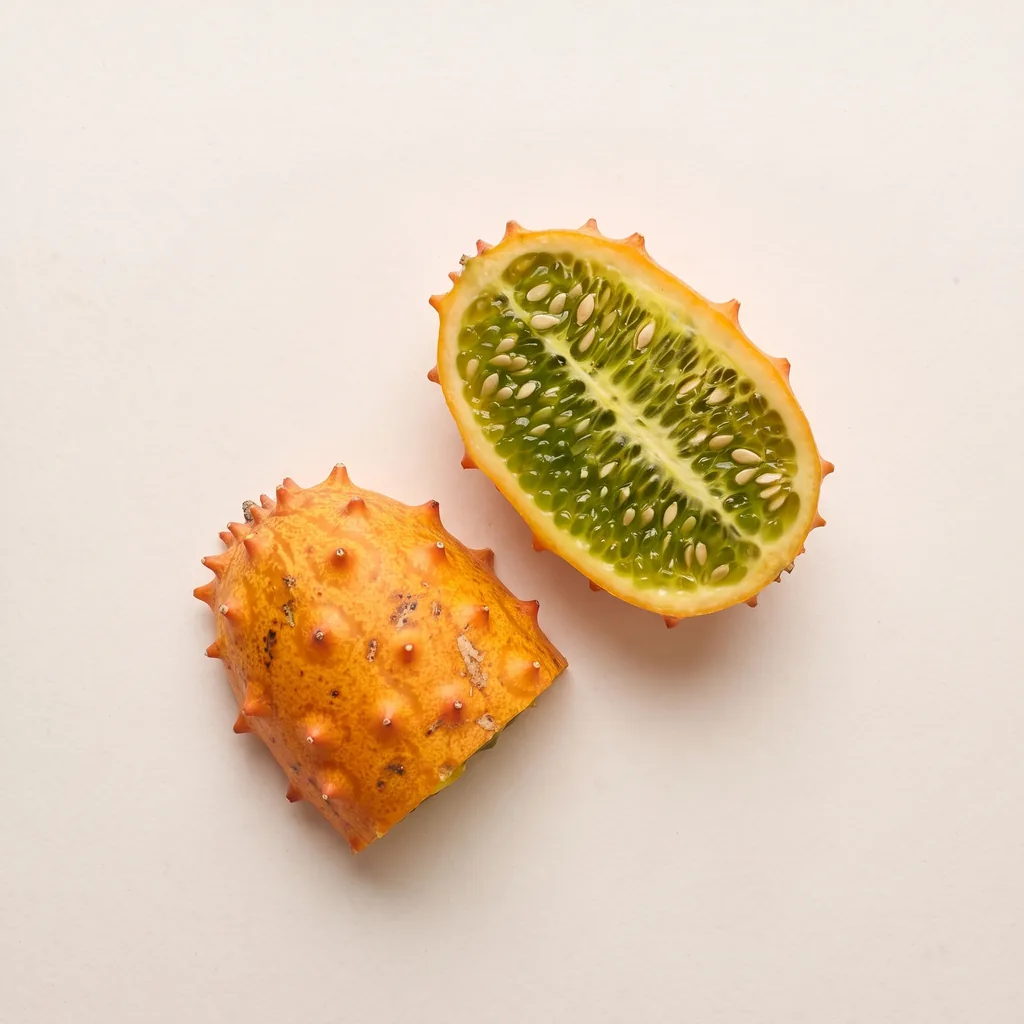
Is yuzu a choking hazard for babies?

Most people only squeeze yuzu for its juice, so choking is not a typical concern. Citrus segments left in their membrane, and seeds, are hazards for babies and children. Remove seeds before offering a wedge and watch your child closely.

Can babies drink yuzu juice?

No. Juice is not given as a drink unless a health provider advises it. Using a splash in a recipe is no problem. From age one, a small watered-down amount is acceptable.

Can yuzu cause diaper rash?

Its acid can cause or worsen diaper rash. Apply barrier ointment to the face and diaper area before meals.

What if yuzu juice stays on the skin?

If it is not washed off and the skin meets sun, an itchy, pigmented, sometimes blistering rash called phytophotodermatitis can follow. Wash the skin and protect it from the sun.

Prepared by the Lokmini team | Last updated November 17, 2026

Share:WhatsApp

Want to add this food to your baby's solid food calendar?

Join Lokmini to learn how this food is served at each age and to keep track of every food your baby tries.

Join Lokmini

Starting Solids

When and how to start solids, and what happens in the first week?

Read the guide

Similar foods

Let's get ready for the first bite together

Lokmini builds a day-by-day plan for your baby's age. Leave your email for new guides and our newsletter.

Start Your Journey