Skip to content

Dietitian's view

There are alternatives you can use instead of acorn squash.

Lokmini is not a healthcare provider and does not offer health services. For your baby's specific needs, talk to your doctor or a dietitian.

  • Vegetables
  • 6 mo+
  • Low choking risk

Acorn squash for babies: when to start

Acorn squash can be offered around 6 months, once baby is ready for solids. Squash is a plant native to Central America. Acorn squash is a relative of other winter squash such as delicata and spaghetti squash.

  • Fiber
  • Vitamin B6
  • Folate
  • Magnesium
  • Vitamin C
  • Vitamin A
Acorn squash prepared for a baby

About acorn squash

It gives plenty of fiber, vitamin B6 and folate. It also has some vitamin A, magnesium and vitamin C.

Also known as: acorn squash, palamut kabağı, meşe kabağı, kış kabağı

  • Gluten-free
  • Vegan

How to prepare it by age

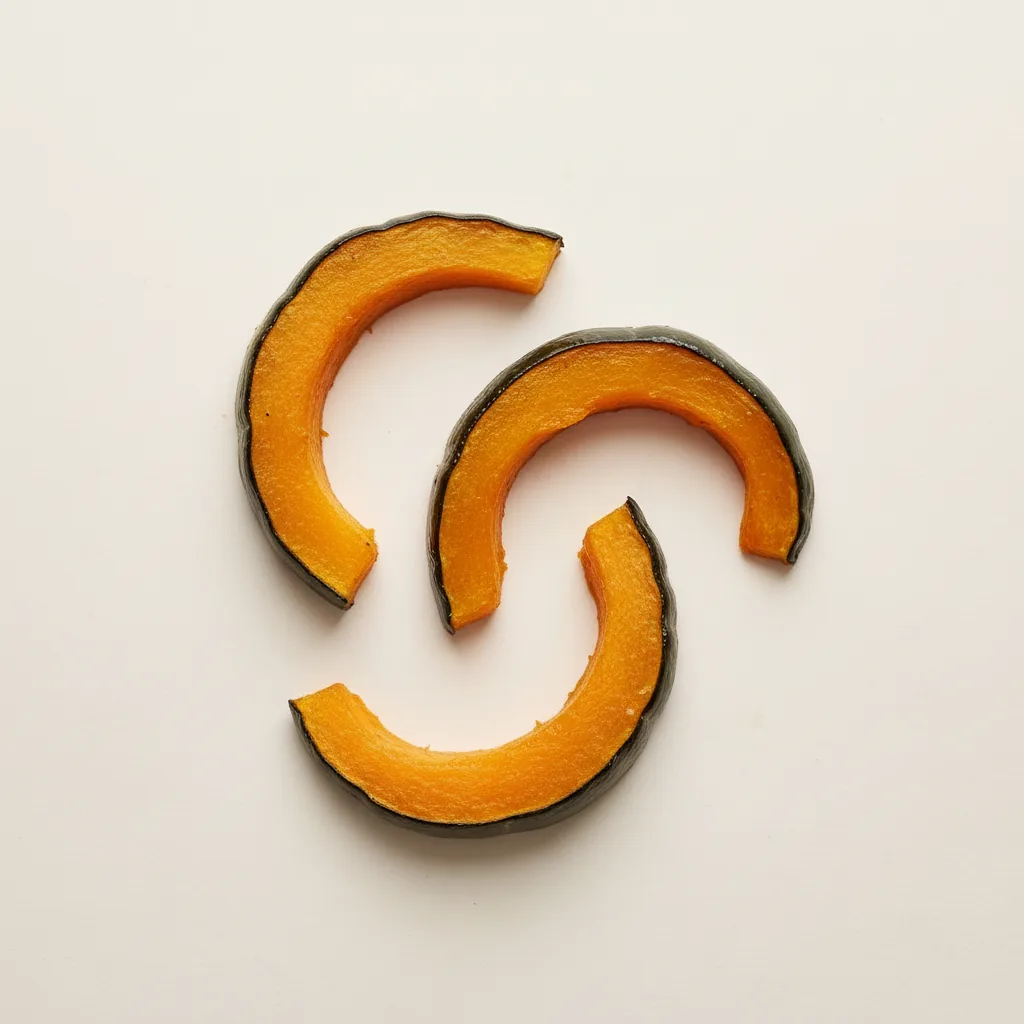
6 monthsStrip or mash
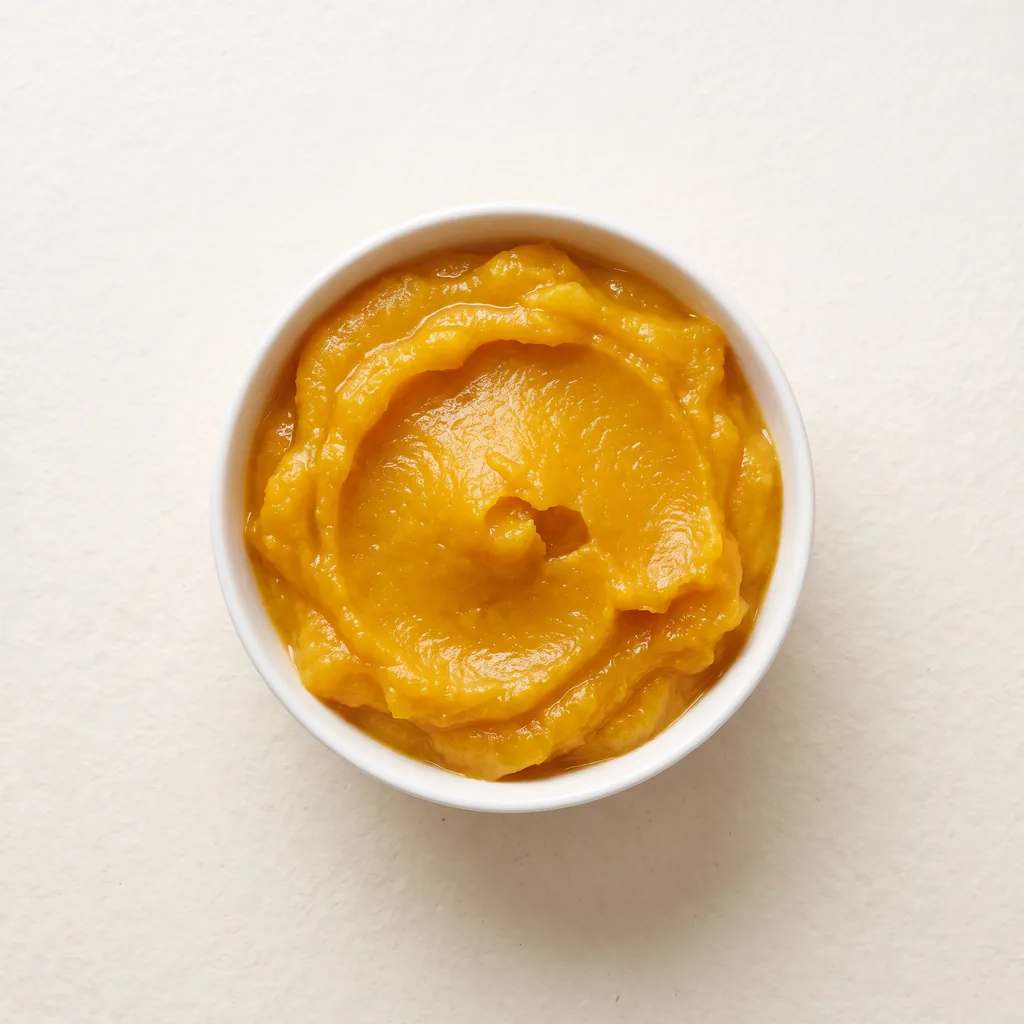
Acorn squash prepared for 6 months

Cut: Thick wedge

Remove the seeds and skin, cut long crescents and cook until very soft. The squash should mash with light pressure. Baby can hold a crescent and gnaw on it. For spoon practice, rest a loaded spoon next to the food.

Cut: Fork mashed

Mash the cooked squash. You may stir in breast milk, formula, yogurt or a baby-suitable ground spice. The purée clings to the spoon, which makes it easy for a baby learning to scoop.
9 monthsCube

Acorn squash prepared for 9 months

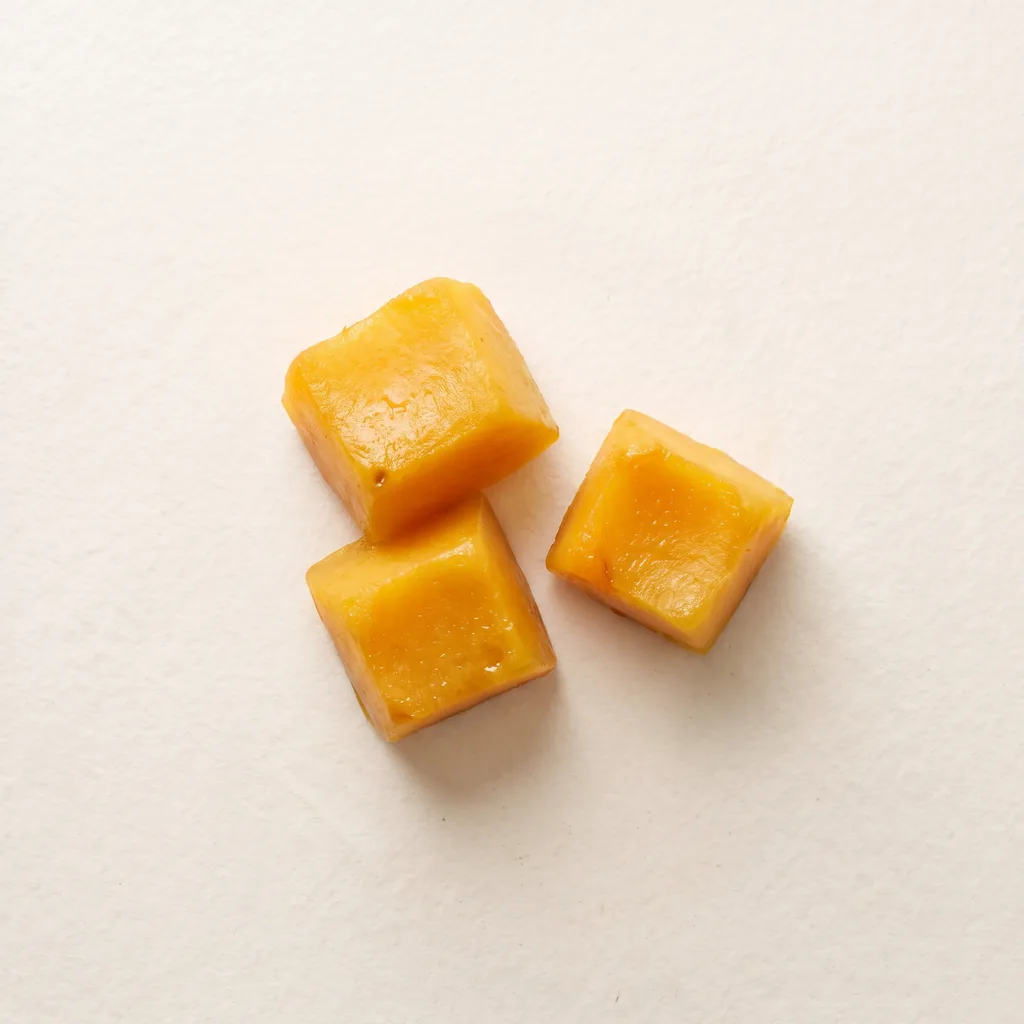
Cut: Bite sized piece

Cut seedless, skinless, very soft squash into bite-size pieces. Baby practices picking them up with two fingers. Long crescents remain a good option too.

12 monthsCube

Serve soft cooked squash in bite-size or slightly larger pieces. Preload a fork and hand it over. Using a fork can be tiring, and many toddlers switch between fingers and fork, so do not pressure them.

Choking risk

  1. Low
  2. Medium
  3. High

Soft, cooked acorn squash carries a low choking risk, though any food can cause choking in theory. Remove every seed and cut the squash in a way that suits your baby's age. Stay close while your baby eats.

Allergen information

Acorn squash is not a common allergen, and true allergy is rare. Touching winter squash can make the skin of your hands itch and break out in a rash. Wash your hands once you finish preparing it. Before the meal, you may put a protective layer of plain white petroleum jelly on baby's face, then wash face and hands when the meal ends.

Give a small amount at the first meals. If nothing happens, raise the portion slowly at later meals.

Frequently asked questions

What age can babies eat acorn squash?

Acorn squash can be offered around 6 months, once baby is ready for solids. Squash is a plant native to Central America. Acorn squash is a relative of other winter squash such as delicata and spaghetti squash.

Is acorn squash a common allergen?

Acorn squash is not a common allergen, and true allergy is rare. Touching winter squash can make the skin of your hands itch and break out in a rash. Wash your hands once you finish preparing it. Before the meal, you may put a protective layer of plain white petroleum jelly on baby's face, then wash face and hands when the meal ends.

How do you prepare acorn squash for babies?

For a 6-month-old: Remove the seeds and skin, cut long crescents and cook until very soft. The squash should mash with light pressure. Baby can hold a crescent and gnaw on it. For spoon practice, rest a loaded spoon next to the food.

Is acorn squash a choking hazard for babies?

Soft, cooked acorn squash carries a low choking risk, though any food can cause choking in theory. Remove every seed and cut the squash in a way that suits your baby's age. Stay close while your baby eats.

How do I know the squash is soft enough?

It should mash easily under gentle pressure. If it stays firm, cook it longer before serving.

What if my hands itch after handling squash?

Handling winter squash may leave an itchy rash on the skin. Wash your hands after you prepare it. For baby, a protective ointment before the meal and a face and hand wash after it can help.

Prepared by the Lokmini team | Last updated November 17, 2026

Share:WhatsApp

Want to add this food to your baby's solid food calendar?

Join Lokmini to learn how this food is served at each age and to keep track of every food your baby tries.

Join Lokmini

Starting Solids

When and how to start solids, and what happens in the first week?

Read the guide

Similar foods

Let's get ready for the first bite together

Lokmini builds a day-by-day plan for your baby's age. Leave your email for new guides and our newsletter.

Start Your Journey