Skip to content

Dietitian's view

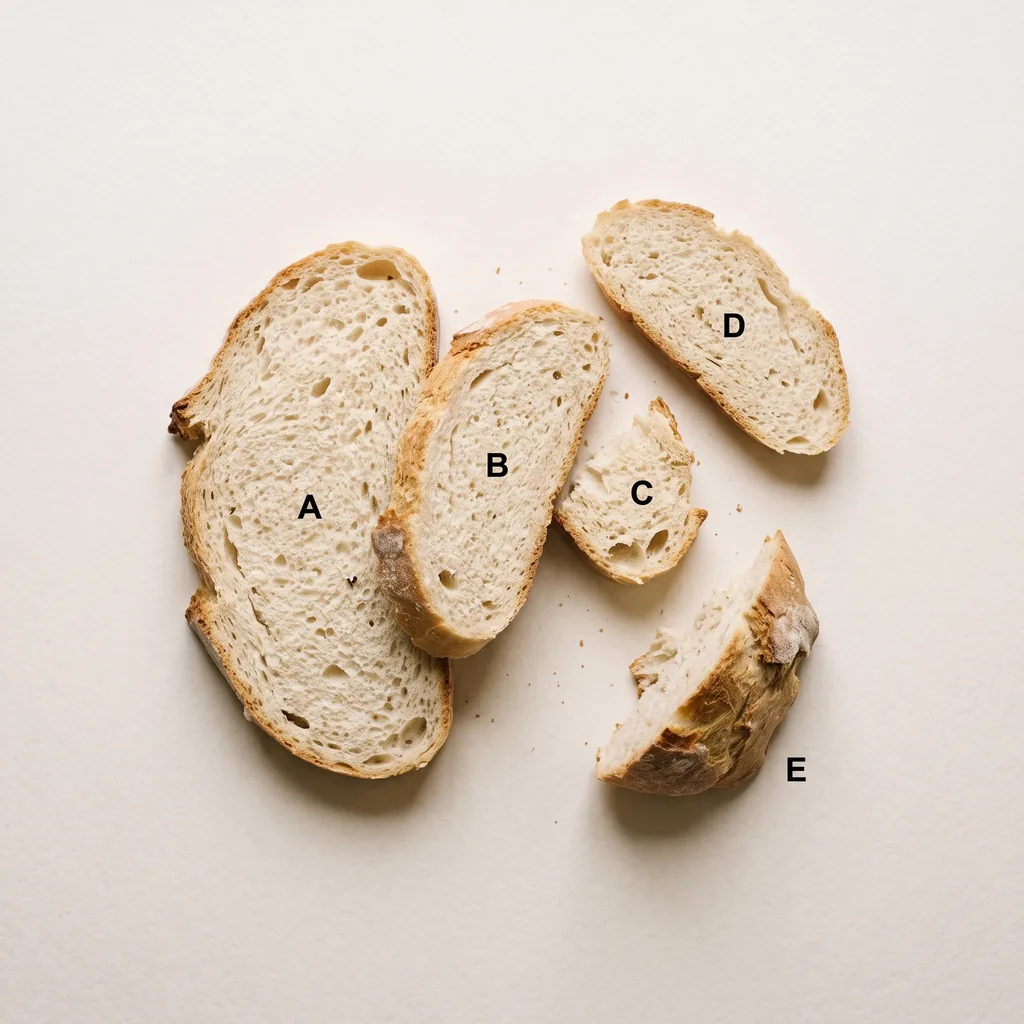
You can give amaranth seed well cooked.

Lokmini is not a healthcare provider and does not offer health services. For your baby's specific needs, talk to your doctor or a dietitian.

  • Grains
  • 6 mo+
  • Low choking risk

Amaranth seed for babies: when to start

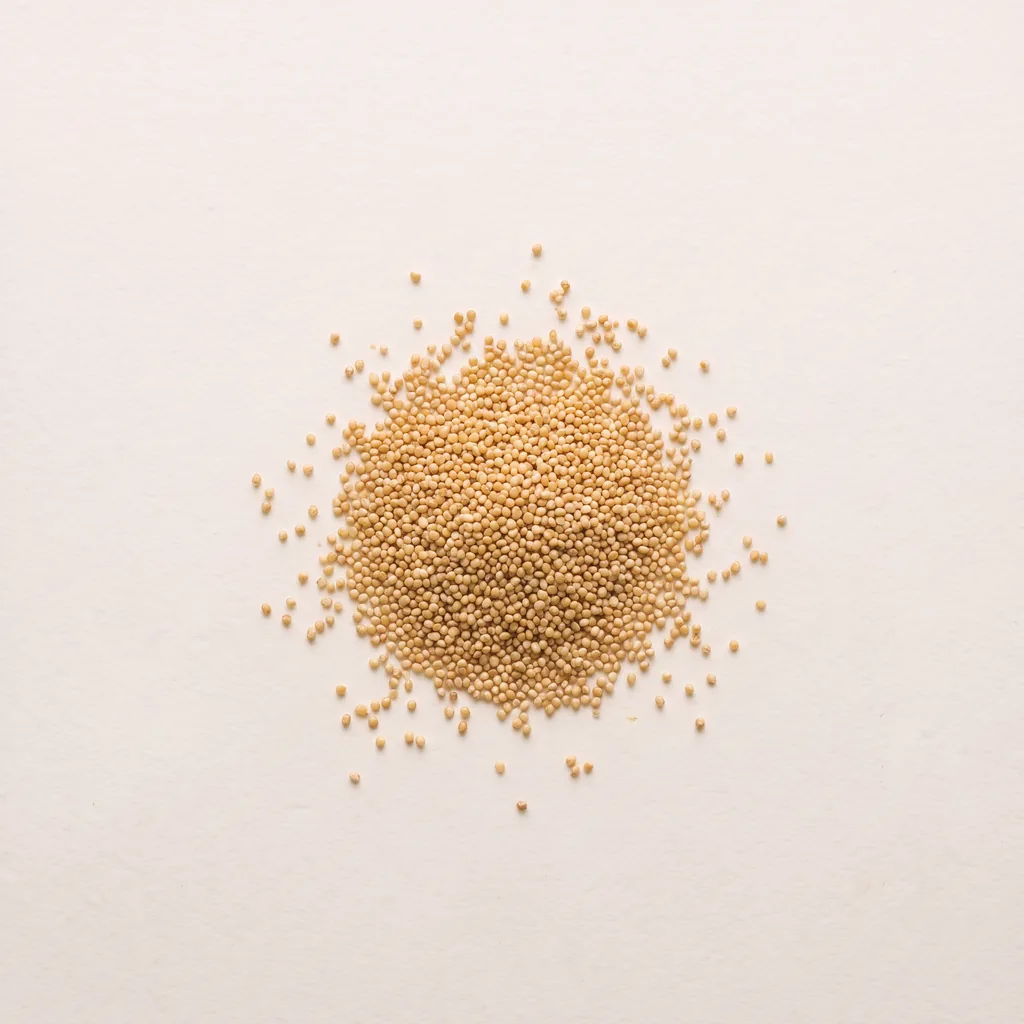
Amaranth seed can be offered around 6 months, once baby is ready for solids. Technically it is a pseudocereal. Like quinoa, its nutrition resembles a grain's and it cooks like one. Every part of the plant, from root to flower, can be eaten. More than 70 varieties are known, and the leaves are eaten as greens in many countries.

  • Protein
  • Iron
  • Magnesium
  • Zinc
  • Selenium
  • Folate
Amaranth seed prepared for a baby

About amaranth seed

It is packed with protein, and it also supplies zinc, selenium, magnesium, iron, folate and vitamin B6. A cup of the cooked seed brings more than 9 g of protein and roughly 5 mg of iron.

Also known as: amaranth, amarant, horoz ibiği tohumu, amaranth tohumu

  • Gluten-free
  • Vegan

How to prepare it by age

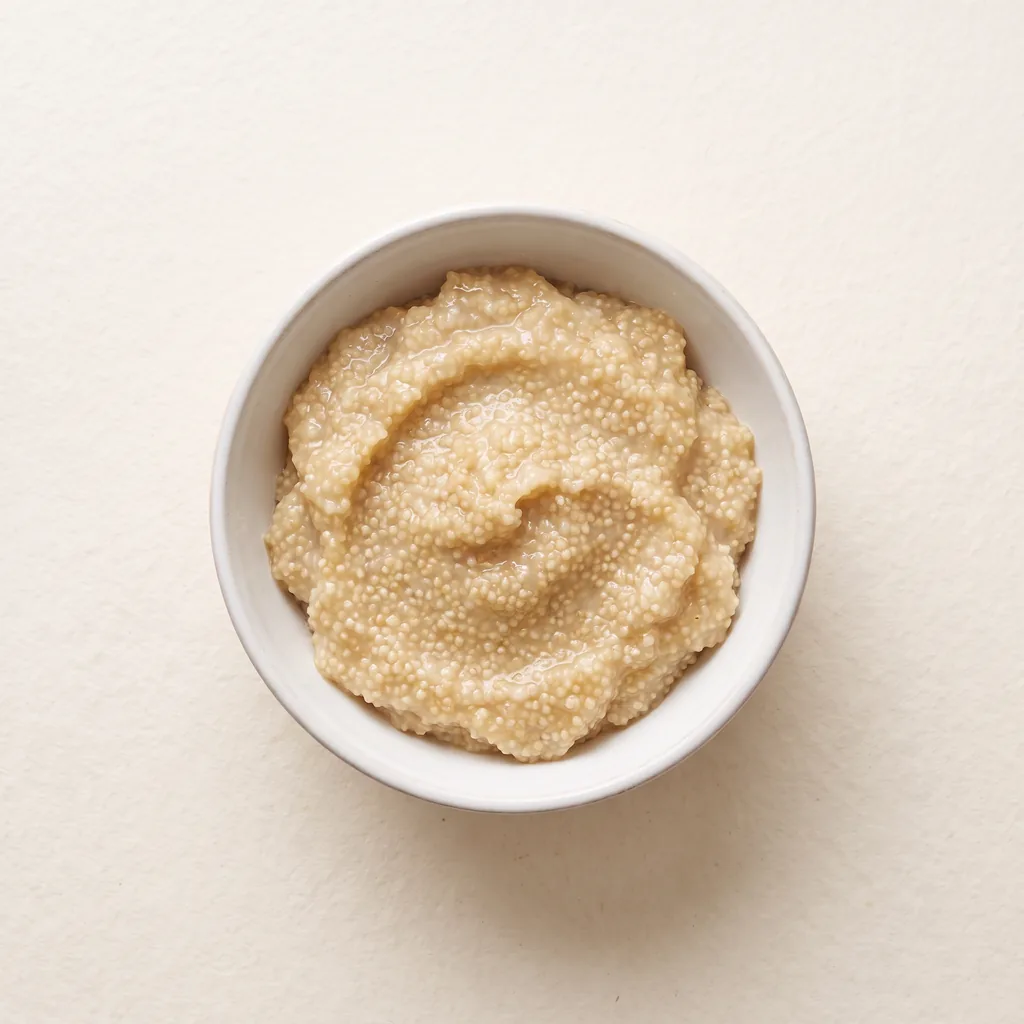
6 monthsMash

Amaranth seed prepared for 6 months

Rinse the amaranth. If you have time, soak it 4 to 8 hours. Then cook it to a porridge texture and serve it warm like a cereal. For self-feeding practice, fill the spoon beforehand and hold it out toward baby, or lay it across the rim of a bowl that sticks to the tray.
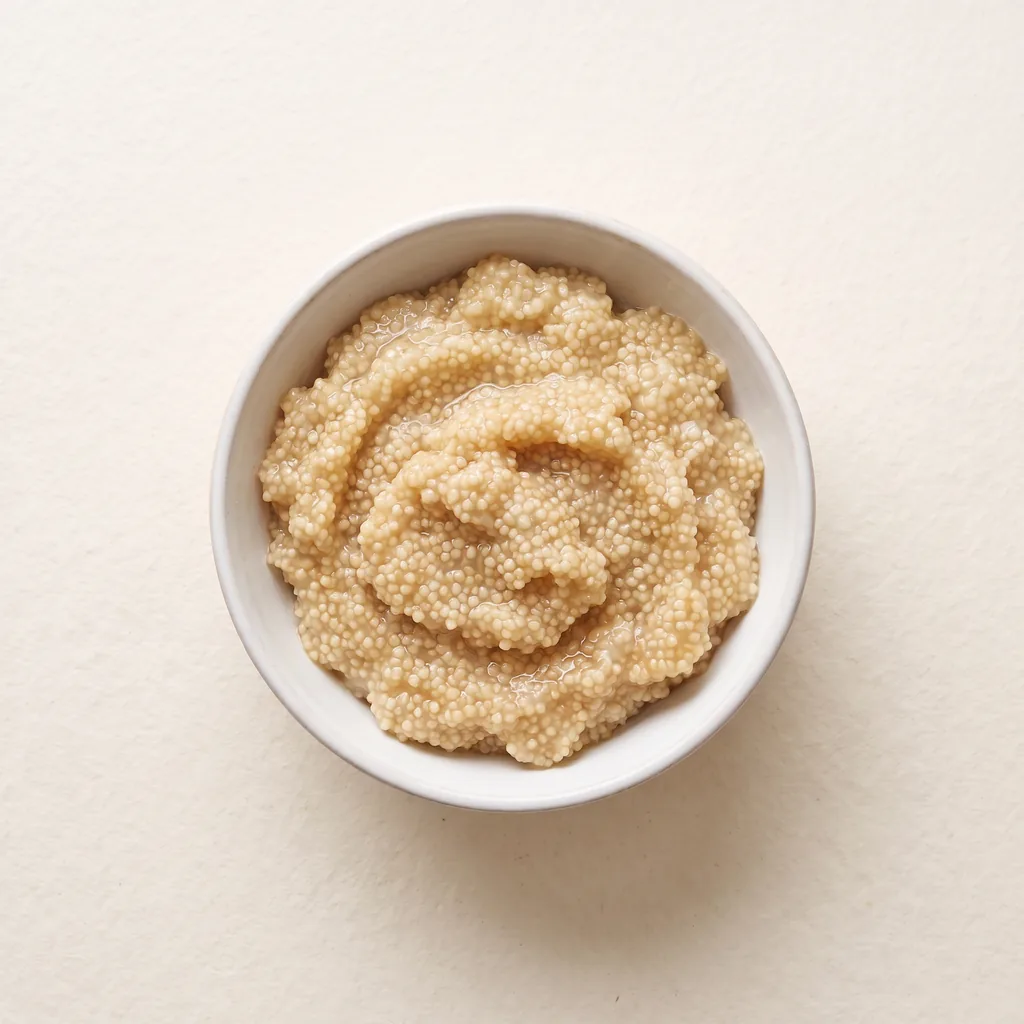
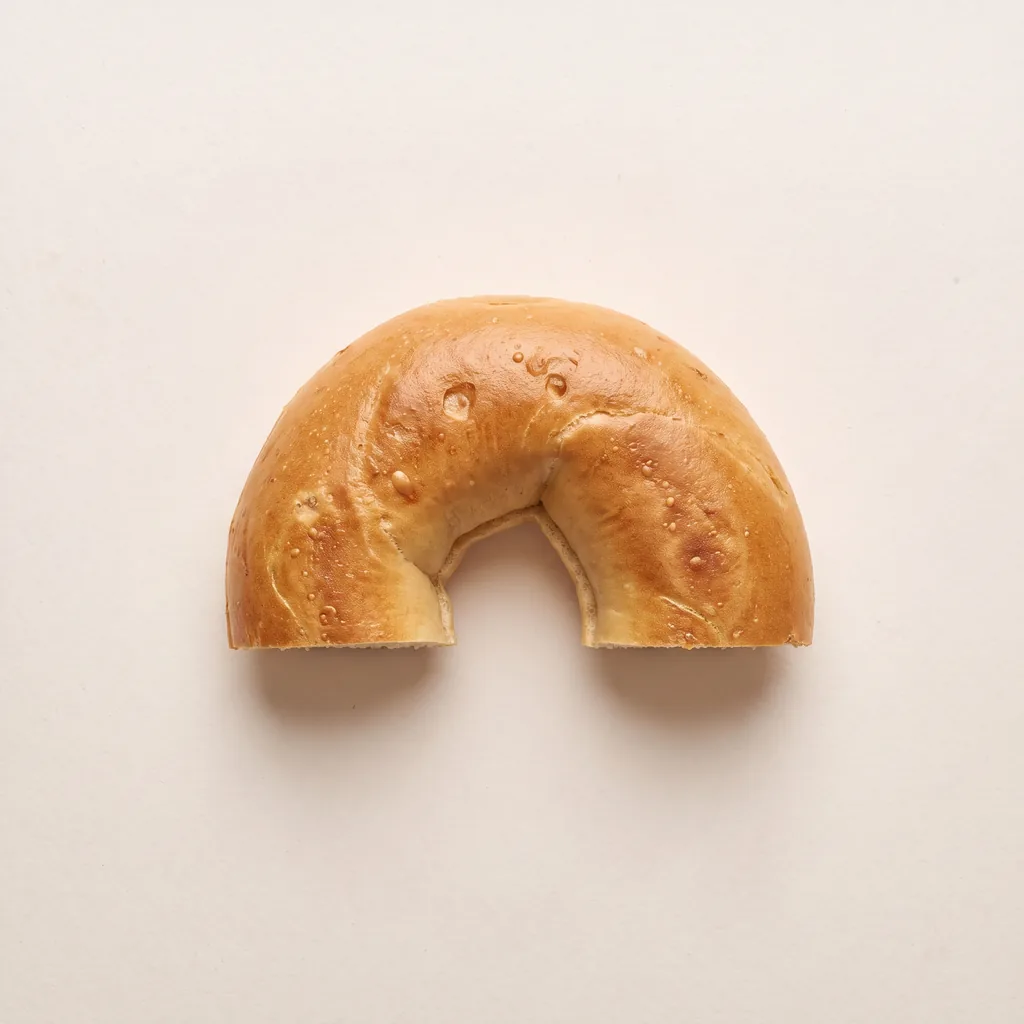
12 monthsMash

Amaranth seed prepared for 12 months

Use the cooked amaranth to practice with a spoon or fork. Load the utensil and let your child take it. After 18 months, use it instead of rice in patties, casseroles, soups and salads. Do not add sugar. Sweeten with unsweetened plant milk and fruit.

Choking risk

  1. Low
  2. Medium
  3. High

Fully cooked, soft and moist amaranth seed carries a low choking risk when served properly.

Amaranth seeds are very small. Serving them dry, hard or crunchy can make it harder for your baby to manage the food in their mouth.

When starting solids, cook amaranth well and serve it as a porridge. If needed, mix it with soft foods such as yogurt or vegetable puree.

Make sure patties and fritters made with amaranth are not hard or dry and do not break into large pieces.

Your baby should sit upright and supported while eating, eat at their own pace and never be left unattended.

Allergen information

Amaranth seed is not one of the common food allergens. Even so, rare allergic reactions can occur.

Amaranth is naturally gluten-free. But cross-contamination can happen in products processed in the same place as grains that contain gluten.

For babies with celiac disease, make sure the product is gluten-free and carries no risk of cross-contamination.

When you offer it for the first time, start with a small amount and watch how your baby reacts.

Allergic reactions can include hives, swelling of the lips, vomiting, coughing or wheezing. For serious signs such as difficulty breathing or swelling of the tongue or throat, call emergency services right away.

If you suspect an allergic reaction to amaranth, talk to your child's doctor or an allergist before offering it again.

Frequently asked questions

What age can babies eat amaranth seed?

Amaranth seed can be offered around 6 months, once baby is ready for solids. Technically it is a pseudocereal. Like quinoa, its nutrition resembles a grain's and it cooks like one. Every part of the plant, from root to flower, can be eaten. More than 70 varieties are known, and the leaves are eaten as greens in many countries.

Is amaranth seed a common allergen?

Amaranth seed is not one of the common food allergens. Even so, rare allergic reactions can occur.

How do you prepare amaranth seed for babies?

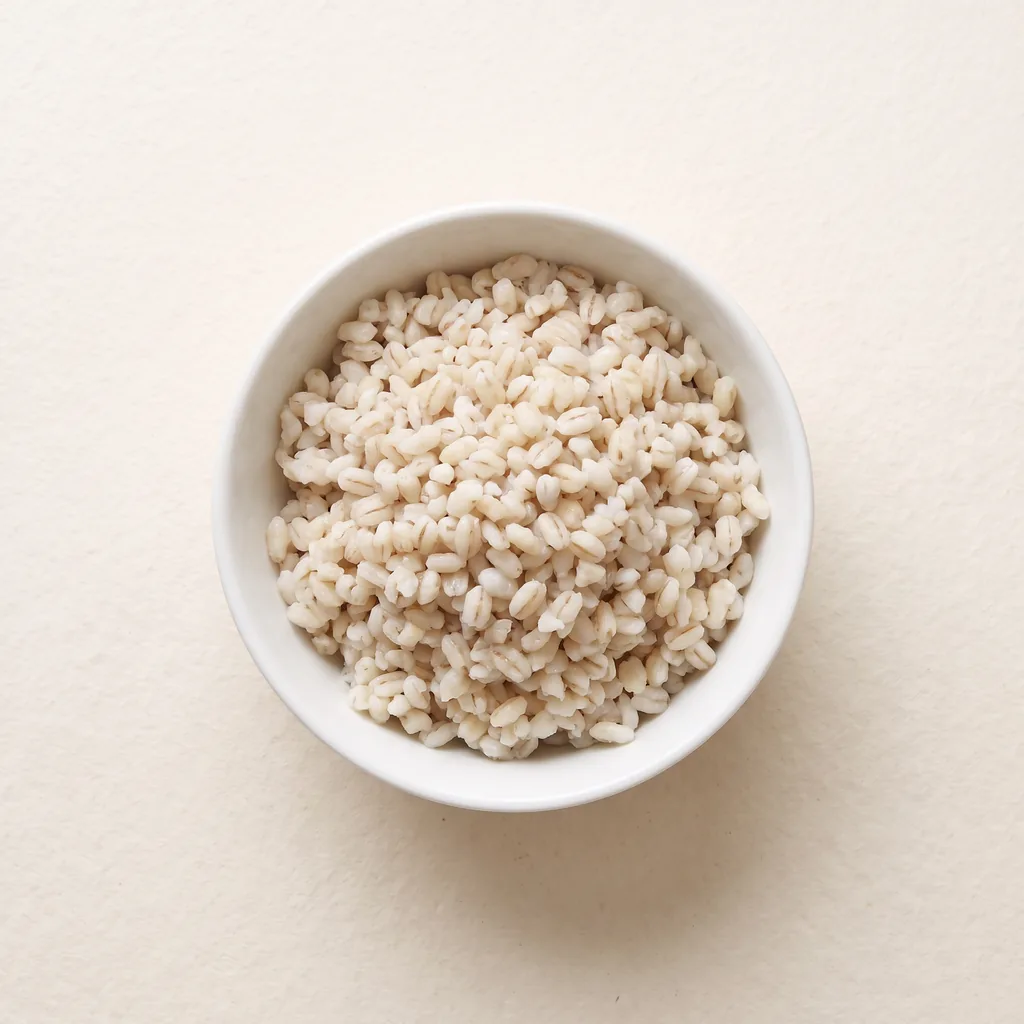
For a 6-month-old: Rinse the amaranth. If you have time, soak it 4 to 8 hours. Then cook it to a porridge texture and serve it warm like a cereal. For self-feeding practice, fill the spoon beforehand and hold it out toward baby, or lay it across the rim of a bowl that sticks to the tray.
Is amaranth seed a choking hazard for babies?

Fully cooked, soft and moist amaranth seed carries a low choking risk when served properly.

Is amaranth seed nutritious for babies?

Yes. It contains carbohydrates, plant protein, fiber and various minerals. But it does not meet all of a baby's nutrient needs on its own.

Is amaranth gluten-free?

Yes. It is naturally gluten-free. For celiac disease, check the product label because of the risk of cross-contamination.

Do I need to soak amaranth?

No. Soaking it beforehand is not required. What matters for babies is that the seeds are fully cooked and served soft.

Can babies have popped amaranth?

Instead of dry, crunchy popped seeds, choose cooked, moist and soft preparations.

Is amaranth rich in iron?

Amaranth contains iron, but the amount depends on the portion eaten. Also, iron from plant foods may be poorly absorbed. So it should not be used as the only source of iron.

Prepared by the Lokmini team | Last updated November 19, 2026

Share:WhatsApp

Want to add this food to your baby's solid food calendar?

Join Lokmini to learn how this food is served at each age and to keep track of every food your baby tries.

Join Lokmini

Starting Solids

When and how to start solids, and what happens in the first week?

Read the guide

Similar foods

Let's get ready for the first bite together

Lokmini builds a day-by-day plan for your baby's age. Leave your email for new guides and our newsletter.

Start Your Journey