Skip to content

Dietitian's view

You can give Arctic char for variety, but giving it is not necessary.

Lokmini is not a healthcare provider and does not offer health services. For your baby's specific needs, talk to your doctor or a dietitian.

  • Fish allergen
  • Proteins
  • 6 mo+
  • Low choking risk

Arctic char for babies: when to start

Fully cooked arctic char can be offered once your baby is ready for solids, usually around 6 months. Its mercury level is lower than that of many other fish.

  • Protein
  • Omega-3 (DHA)
  • Vitamin A
  • Vitamin B6
  • Vitamin B12
  • Vitamin D
Arctic char prepared for a babyAllergen, day 1/3

About Arctic char

The fish lives in fresh and salt water across cold regions of the world. The flavor is mild and rich. It is a close relative of salmon.

It supplies protein, vitamins A, B6, B12 and D, zinc and iron. It also provides DHA, an omega-3 fat.

Also known as: arktik alabalığı, kutup alabalığı, arctic char, char balığı

  • Gluten-free
  • Contains fish

Arctic char is offered 3 days in a row

So that any reaction can be linked to the right food, Arctic char is offered 3 days in a row and no other new food is tried on those days.

  1. 1/3

    First taste

    Start with a small amount in the morning or around midday. Your baby is watched closely for 5 to 10 minutes after the first bite.

  2. 2/3

    Same food, same calm

    Arctic char is offered again the same way. No other new food is tried today.

  3. 3/3

    Introduction done

    If no reaction was seen, Arctic char is now part of your baby's meals. It keeps being offered regularly.

Emergency

If your baby has trouble breathing or swelling of the face or tongue, call 911 (or your local emergency number) right away.

About Arctic char allergy

FPIES warning

It is one of the known triggers of FPIES (a delayed-onset food allergy). In this condition, repeated severe vomiting, pallor and lethargy may occur, usually 1-4 hours after the food is eaten. Diarrhea may appear later. These symptoms require urgent medical evaluation.

Yes, fish is a common allergen. The World Health Organization counts finned fish in this group. Arctic char is a close relative of salmon, one of the fish that most often triggers allergy. Roughly 0.2 percent of people worldwide are thought to be allergic to finned fish, and children are affected less often than adults. Most people with fish allergy do not outgrow it. About 40 percent have their first reaction in adulthood.

About half of those allergic to one fish also react to others. The main allergen, beta-parvalbumin, shows up in most species. If your baby has a fish allergy, ask an allergist before offering any other fish.

Some people react to proteins that float in the air while fish cooks. If that happens with your baby, you may prefer not to cook fish at home.

FPIES and scombroid poisoning

Fish can set off a delayed allergy called FPIES. It starts a few hours after eating, with repeated vomiting and diarrhea. Without treatment it can lead to serious dehydration.

Scombroid poisoning is different. It happens when fish is stored too warm and histamine builds up. The symptoms look like an allergy. Keeping fish well chilled lowers the risk.

Vomiting and diarrhea

If repeated vomiting and diarrhea begin a few hours after fish, contact a doctor.

First tries

If you suspect an allergy, see an allergist before offering fish. Begin with a small portion and keep your eyes on baby throughout the meal. When all goes well, raise the portion over time. After a common allergen has gone well, keeping it in the diet is advised, ideally twice a week. You do not need to serve every fish species that often. Fish share the same main proteins, so rotating types is fine.

How to prepare it by age

6 monthsStrip or mash
Arctic char prepared for 6 months

Cut: Finger strip

Cook the fish through. Pick out every bone and remove the skin. Cut strips about as thick as two adult fingers held together. Very soft fish may crumble in baby's hand. That is normal and part of learning texture. If baby can pick up fallen pieces alone, you do not need to gather them.

Cut: Shredded

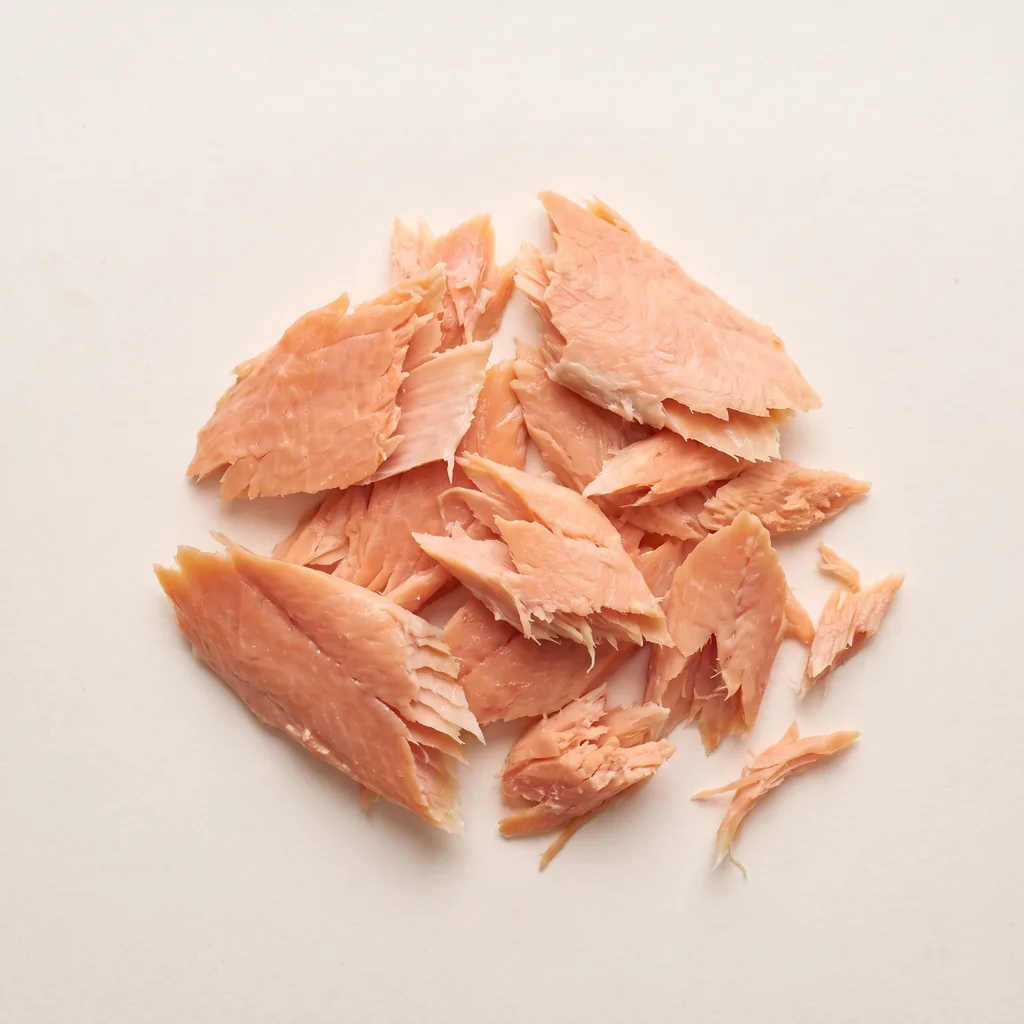
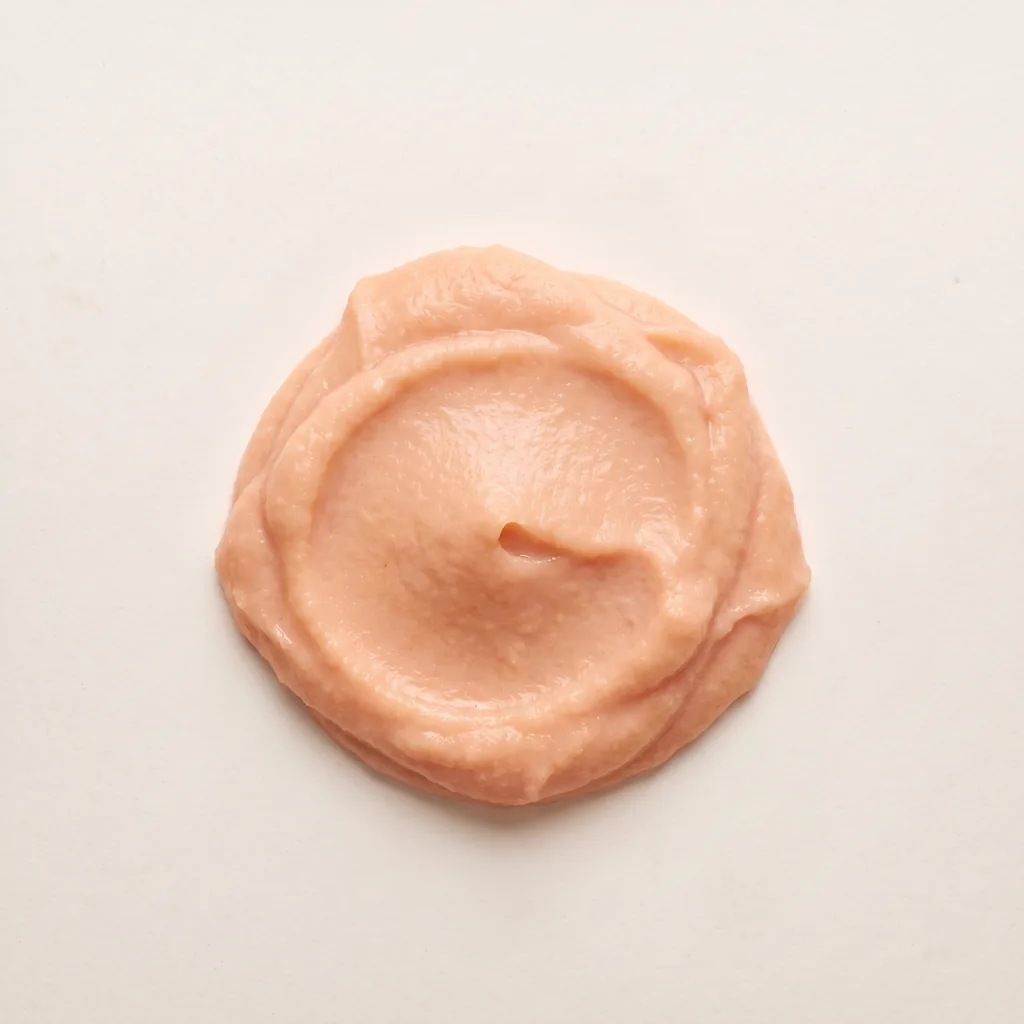
Flake cooked, boneless fish with a fork. Stir it into pureed vegetables or another soft food. Baby tends to eat more this way while practicing with a spoon. Soft fish cakes also work. Make them larger than baby's mouth.
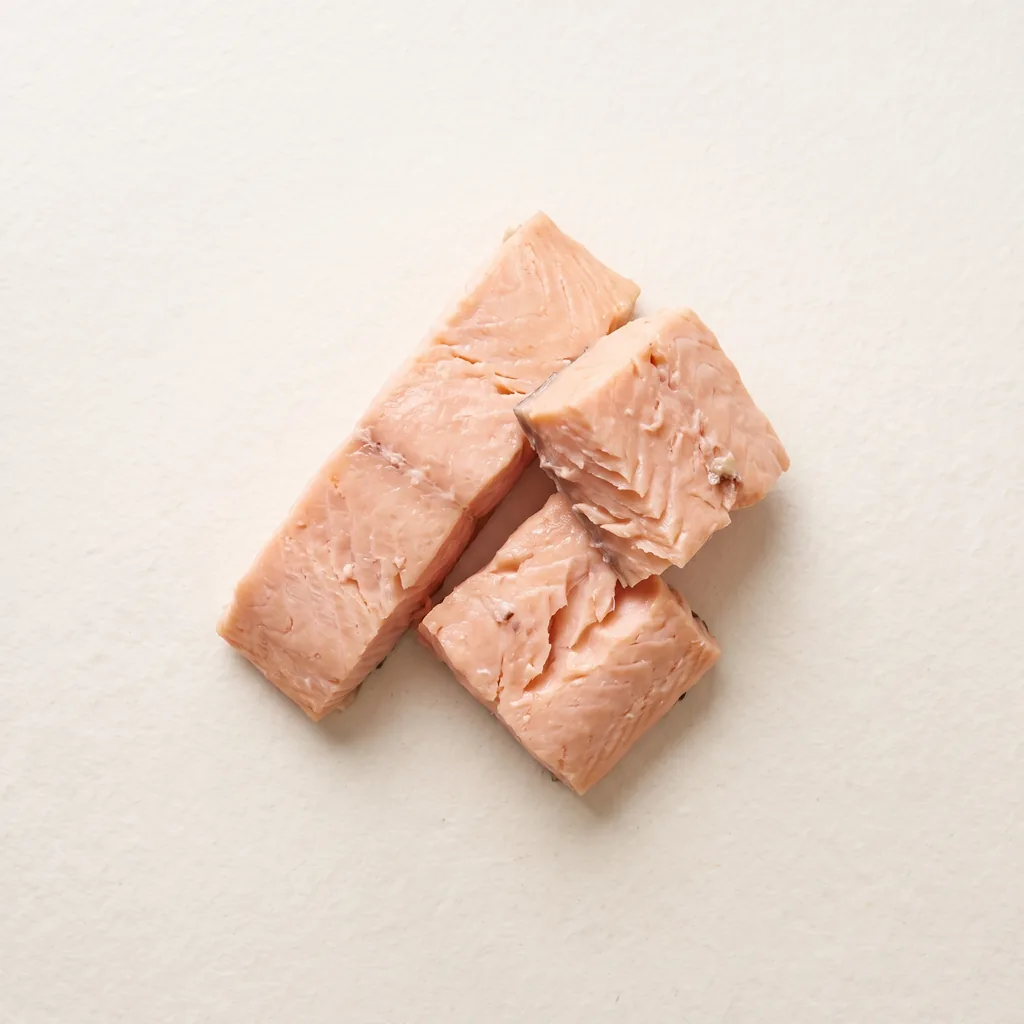
9 monthsCube

Cut: Bite sized piece

Break cooked fish, free of bones and skin, into bite-sized pieces. Fish cakes or a fish salad also suit this age. For the salad, fold the flakes into a mashed vegetable or yogurt. Longer strips are still fine to offer.

12 monthsStrip

Arctic char prepared for 12 months

Offer cooked, deboned fish as strips, bite-sized pieces, cakes or flakes. Serve it alone or stir it into other dishes. This is a good age to try a fork. Fully cooked smoked arctic char is fine in small amounts.

Choking risk

  1. Low
  2. Medium
  3. High

Once the bones and skin are gone, cooked arctic char is a low choking risk if you prepare it to suit your baby's age. Still, any food can cause choking.

The real danger is bones. A bone may get stuck in baby's mouth, throat or food pipe. Run your fingers through the cooked fish to find them. Sit with your baby at meals and stay within arm's reach.

Check for bones

Feel through the fish with your fingers after cooking. Even a tiny bone can lodge in the throat.

Frequently asked questions

Is Arctic char a common allergen?

Yes, fish is a common allergen. The World Health Organization counts finned fish in this group. Arctic char is a close relative of salmon, one of the fish that most often triggers allergy. Roughly 0.2 percent of people worldwide are thought to be allergic to finned fish, and children are affected less often than adults. Most people with fish allergy do not outgrow it. About 40 percent have their first reaction in adulthood.

How do you prepare Arctic char for babies?

For a 6-month-old: Cook the fish through. Pick out every bone and remove the skin. Cut strips about as thick as two adult fingers held together. Very soft fish may crumble in baby's hand. That is normal and part of learning texture. If baby can pick up fallen pieces alone, you do not need to gather them.

Is Arctic char a choking hazard for babies?

Once the bones and skin are gone, cooked arctic char is a low choking risk if you prepare it to suit your baby's age. Still, any food can cause choking.

When can babies eat arctic char?

Fully cooked, it can be offered once baby is ready for solids, usually around 6 months. Remove all bones and skin first.

Is arctic char low in mercury?

Its mercury content is usually low. Even so, offer it as one part of a varied diet. Salmon and sardines are other low-mercury choices.

Can babies eat smoked arctic char?

Fully cooked smoked fish is fine now and then in small amounts. Cold-smoked and other uncooked products are riskier. All smoked fish is salty.

What if a bone is left in the fish?

A bone may get stuck in baby's mouth, throat or food pipe. Once the fish is cooked, run your fingers through it and take out any bones you feel.

Prepared by the Lokmini team | Last updated November 17, 2026

Share:WhatsApp

Want to add this food to your baby's solid food calendar?

Join Lokmini to learn how this food is served at each age and to keep track of every food your baby tries.

Join Lokmini

Starting Solids

When and how to start solids, and what happens in the first week?

Read the guide

Similar foods

Let's get ready for the first bite together

Lokmini builds a day-by-day plan for your baby's age. Leave your email for new guides and our newsletter.

Start Your Journey