Skip to content

Uzm. Dyt. Berk AysanPrepared the latest update, November 14, 2026

Lokmini is not a healthcare provider and does not offer health services. For your baby's specific needs, talk to your doctor or a dietitian.

  • Vegetables
  • 6 mo+
  • Low choking risk

Avocado for babies: when to start

You can start avocado once your baby is ready for solids, usually around 6 months.

  • Healthy fats
  • Fiber
  • Folate
  • Vitamin B6
  • Vitamin E
  • Zinc
Avocado illustration

About avocado

Avocado is a fruit native to Central America. Today it is eaten all over the world. Guacamole is the best known dish made with avocado.

Avocado is a source of fiber and healthy fats. It also carries folate, vitamin B6, vitamin E and zinc.

Also known as: avakado, avocado, avokado meyvesi

  • Gluten-free
  • Vegan

How to prepare it by age

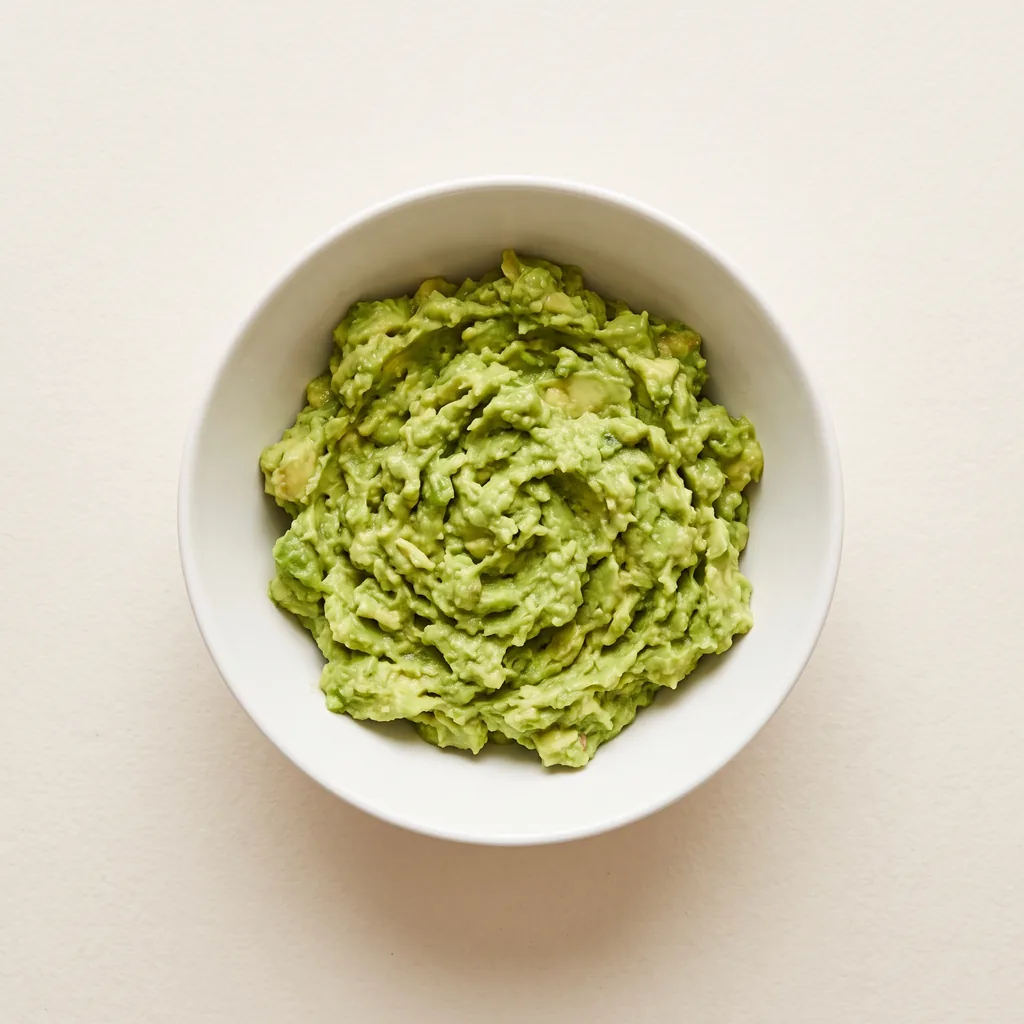
6 monthsStrip or mash

Avocado prepared for 6 months

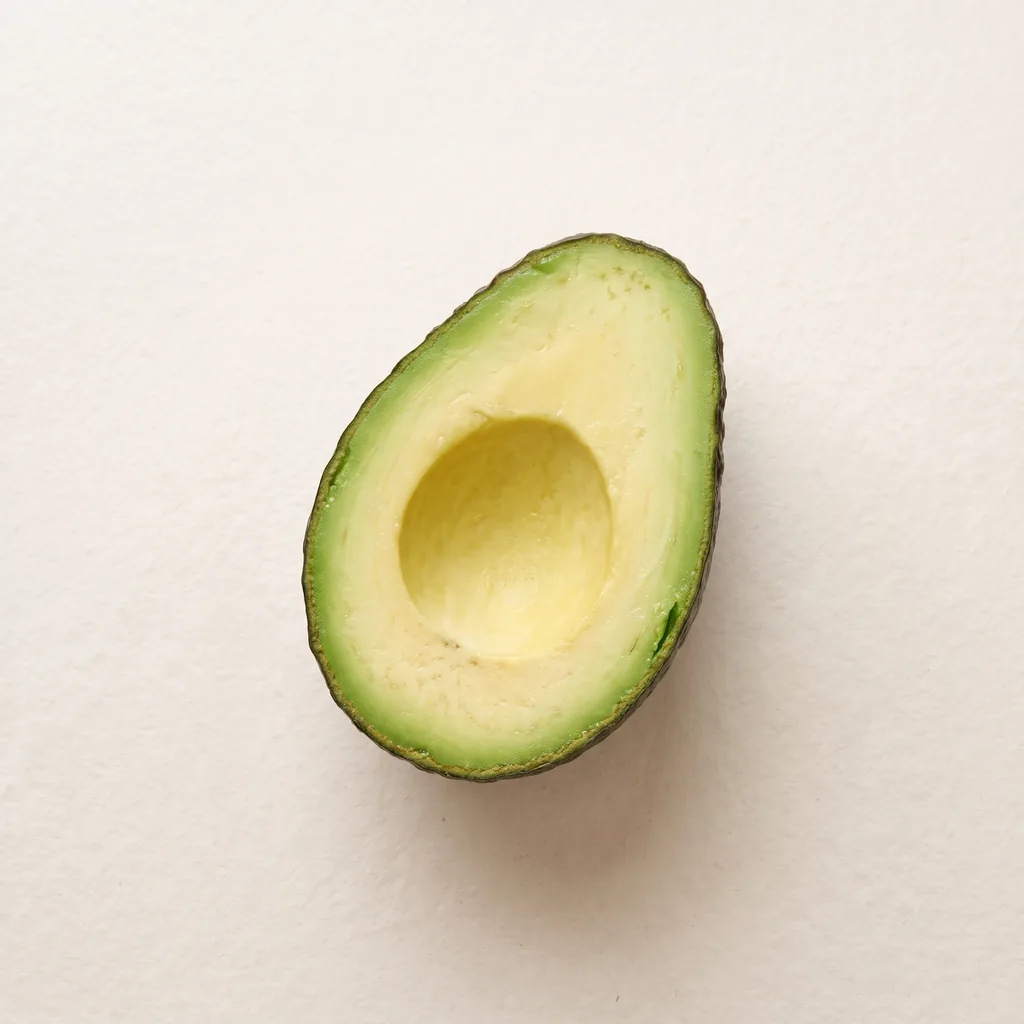
Cut: Finger strip

Remove the pit and peel off the skin completely, because slippery skin raises the choking risk. Cut the ripe, soft flesh into finger-thick spears about as long as a palm, so baby can grip them in the middle with a small fist.

Cut: Fork mashed

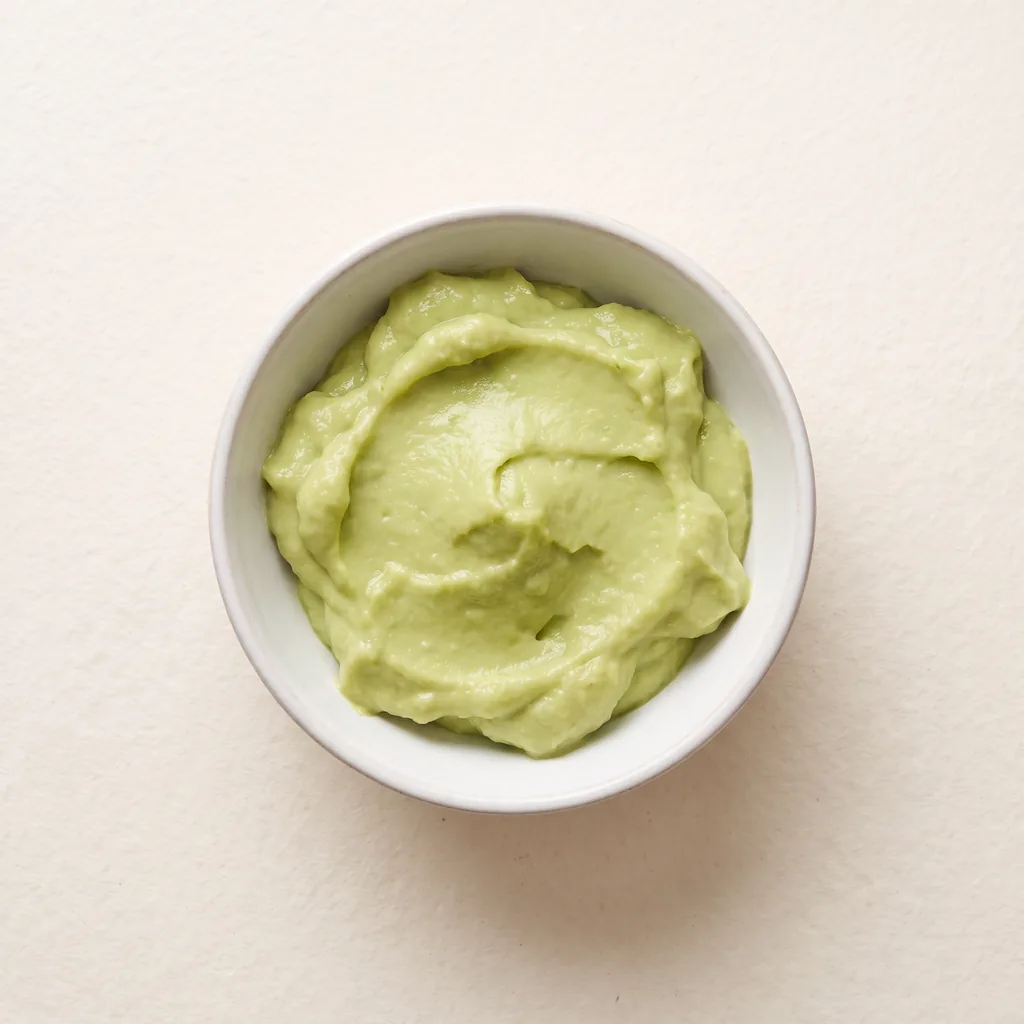
Mash ripe avocado with a fork. Offer it on a preloaded spoon or spread it on something like a toast strip. If spears slip out of baby's hands, coat them in hemp seed or shredded coconut for grip.

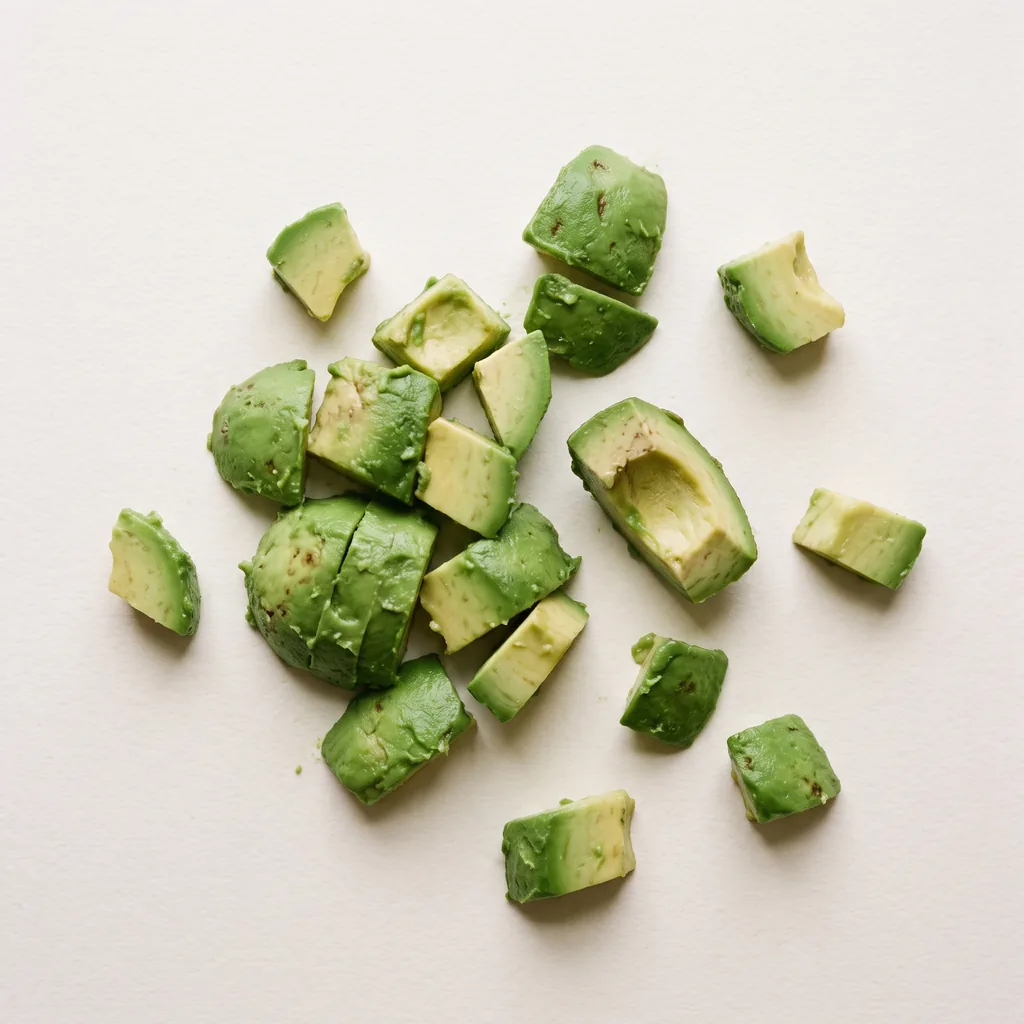
9 monthsCube

Avocado prepared for 9 months

Cut: Bite sized piece

Once baby starts picking up small bits between two fingers, cut avocado into bite-sized pieces. A coating of hemp seed makes them easier to hold. If small pieces are hard, keep offering large spears or mash.

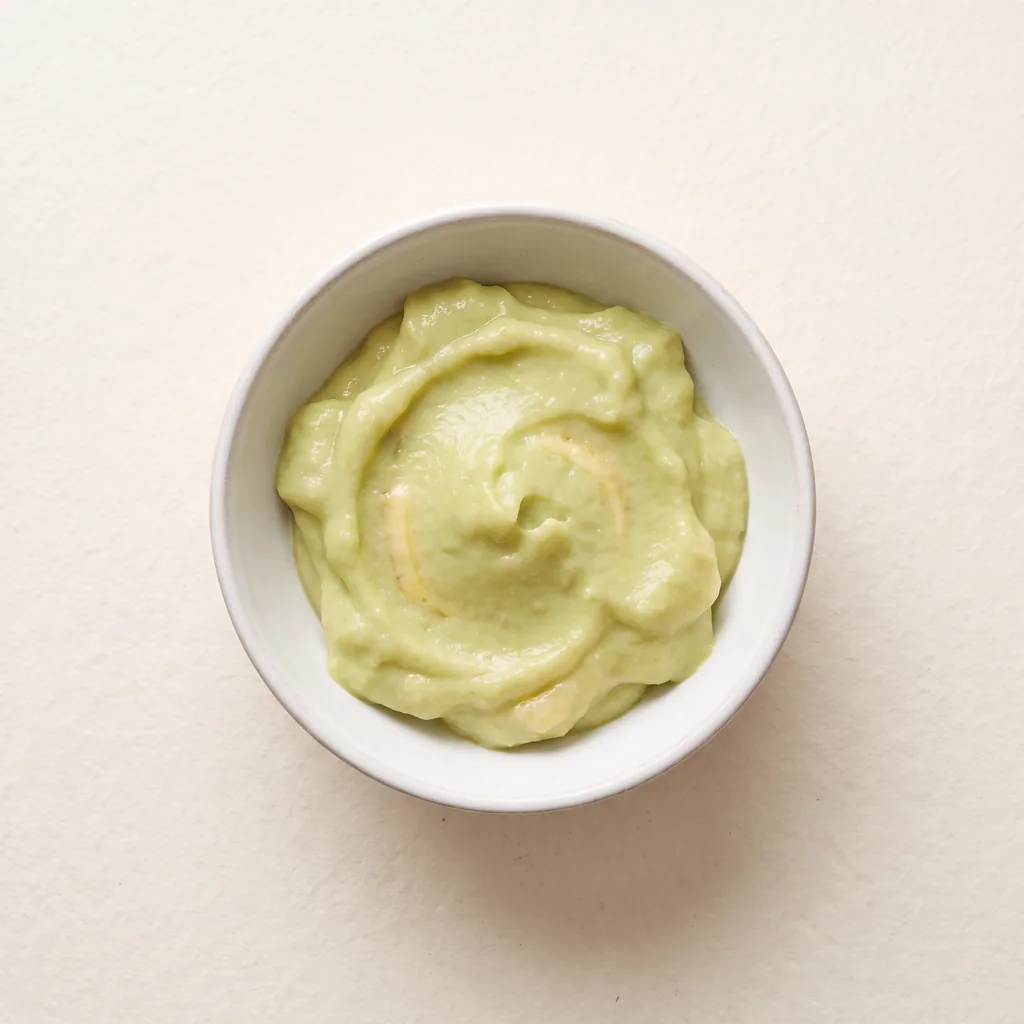
12 monthsStrip

Avocado prepared for 12 months

Keep offering avocado as spears, bite-sized pieces or mash. A ripe half still in its skin can be served at 18 months, so your child can practice scooping with a child-sized spoon. The pit must be removed.

Choking risk

  1. Low
  2. Medium
  3. High

Ripe, soft avocado is a low choking risk when prepared to suit your baby's development. Even so, any food can cause choking.

Always remove the pit and skin. Do not give your baby firm or underripe avocado. Make sure your baby sits upright during meals, and stay beside them, within arm's reach.

Allergen information

FPIES warning

It is one of the known triggers of FPIES (a delayed-onset food allergy). In this condition, repeated severe vomiting, pallor and lethargy may occur, usually 1-4 hours after the food is eaten. Diarrhea may appear later. These symptoms require urgent medical evaluation.

Avocado is not one of the common food allergens, but it can cause allergic reactions.

Some people with latex allergy may also react to avocado. Cross-reactions with foods such as banana, kiwi and chestnut can also happen. Being allergic to one of these foods does not mean an allergy to avocado will develop.

Allergic reactions can start with mild signs such as itching, tingling or burning in the mouth. But skin rash, swollen lips, vomiting and, rarely, serious allergic reactions can also happen.

Avocado can also trigger a delayed food allergy called FPIES, which mostly affects the digestive system. In FPIES, repeated vomiting usually starts 1 to 4 hours after eating the food. Some babies also have diarrhea, pale skin and marked tiredness.

When you give avocado for the first time, start with a small amount and watch your baby. If allergy signs appear, stop giving it and get medical advice. If there are serious signs such as repeated severe vomiting, marked tiredness, trouble breathing, swelling of the tongue or throat, or loss of consciousness, call emergency services right away.

Vomiting and diarrhea

If repeated vomiting and diarrhea begin a few hours after avocado, see a doctor.

Frequently asked questions

What age can babies eat avocado?

You can start avocado once your baby is ready for solids, usually around 6 months.

How do you prepare avocado for babies?

For a 6-month-old: Remove the pit and peel off the skin completely, because slippery skin raises the choking risk. Cut the ripe, soft flesh into finger-thick spears about as long as a palm, so baby can grip them in the middle with a small fist.

Is avocado a choking hazard for babies?

Ripe, soft avocado is a low choking risk when prepared to suit your baby's development. Even so, any food can cause choking.

What if avocado slips out of baby's hands?

You can press the surface of the slices lightly with a fork so your baby can hold them more easily.

Can avocado cause an allergy?

Yes, but it is not a common allergen. Some people with latex, banana, kiwi or chestnut allergy may also react to avocado. Avocado can also trigger a delayed food allergy called FPIES.
Share:WhatsApp

Want to add this food to your baby's solid food calendar?

Join Lokmini to learn how this food is served at each age and to keep track of every food your baby tries.

Join Lokmini

Starting Solids

When and how to start solids, and what happens in the first week?

Read the guide

Similar foods

Let's get ready for the first bite together

Lokmini builds a day-by-day plan for your baby's age. Leave your email for new guides and our newsletter.

Start Your Journey