Skip to content
  • Fruits
  • 6 mo+
  • Low choking risk

Banana for babies: when to start

You can start banana once your baby is ready for solids, usually around 6 months.

  • Vitamin B6
  • Vitamin C
  • Folate
  • Potassium
  • Fiber
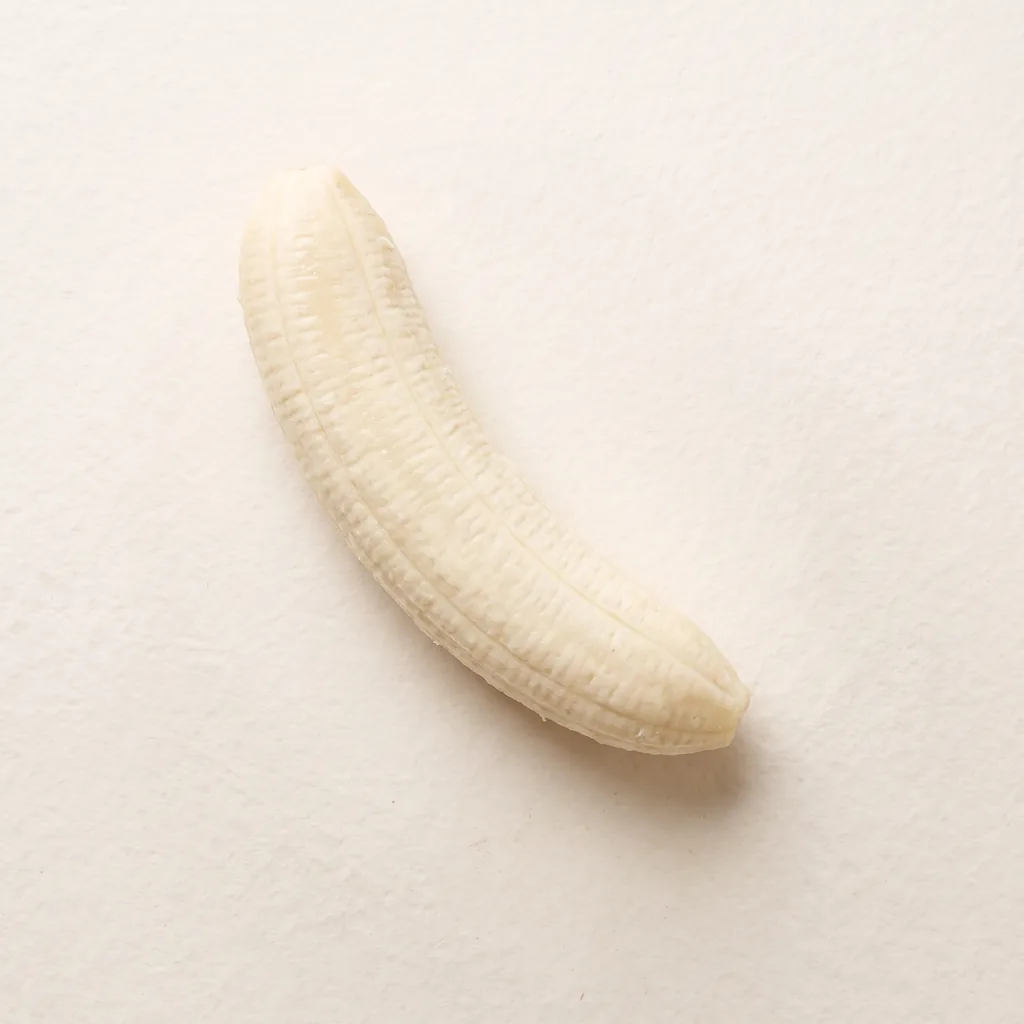
Banana illustration

About banana

The banana plant began its story in tropical Asia, and wild plants are still found there. There are kinds in many colors and sizes, from red to orange, pink and purple, and tastes from starchy to sweet. Over a thousand varieties are grown, but a single one, the Cavendish, dominates world trade. Its thick peel protects the fruit on long journeys, which gives it an edge over delicate kinds that must be eaten fast.

Banana supplies carbohydrate for energy. Potassium, folate, and vitamins B6 and C are in it. Banana also holds more antioxidants than many fruits, herbs and vegetables.

Also known as: banana, muz, olgun muz

  • Gluten-free
  • Vegan

How to prepare it by age

6 monthsSlice

Banana prepared for 6 months

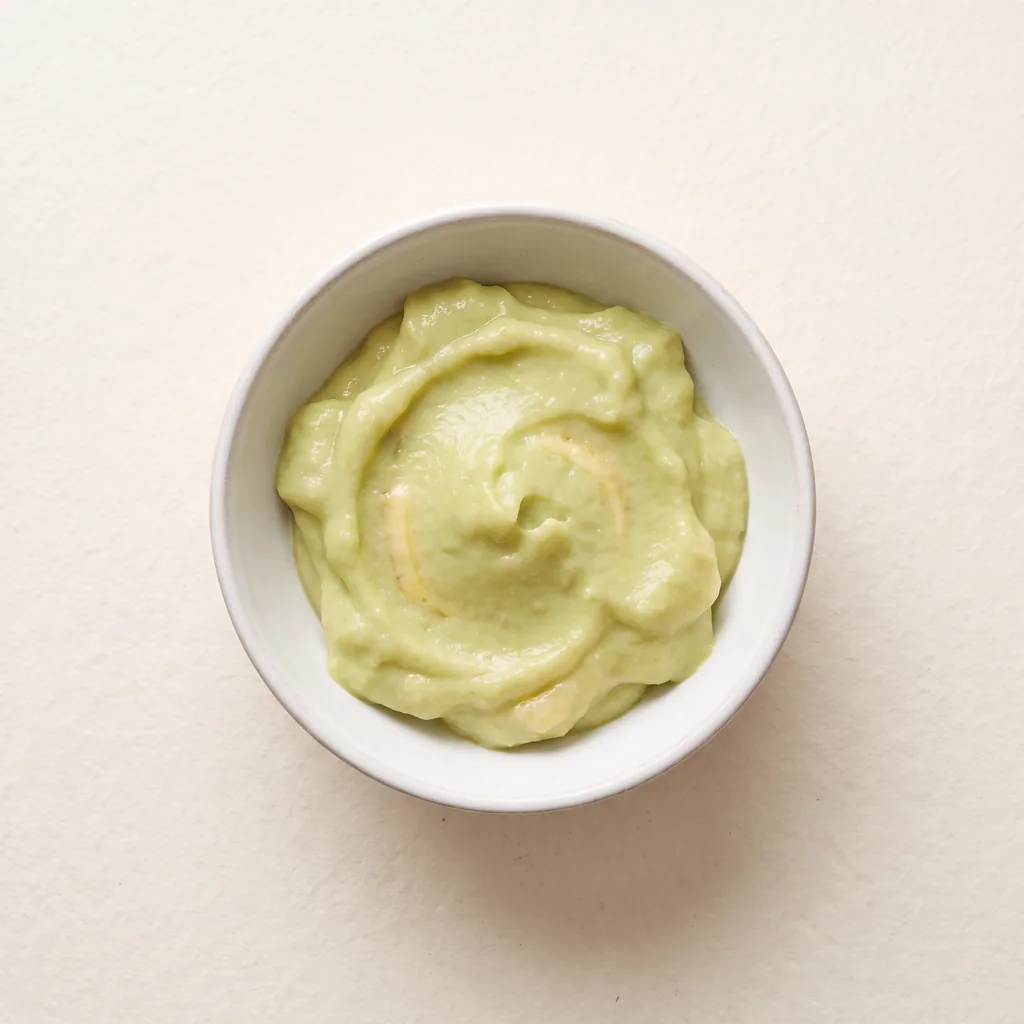
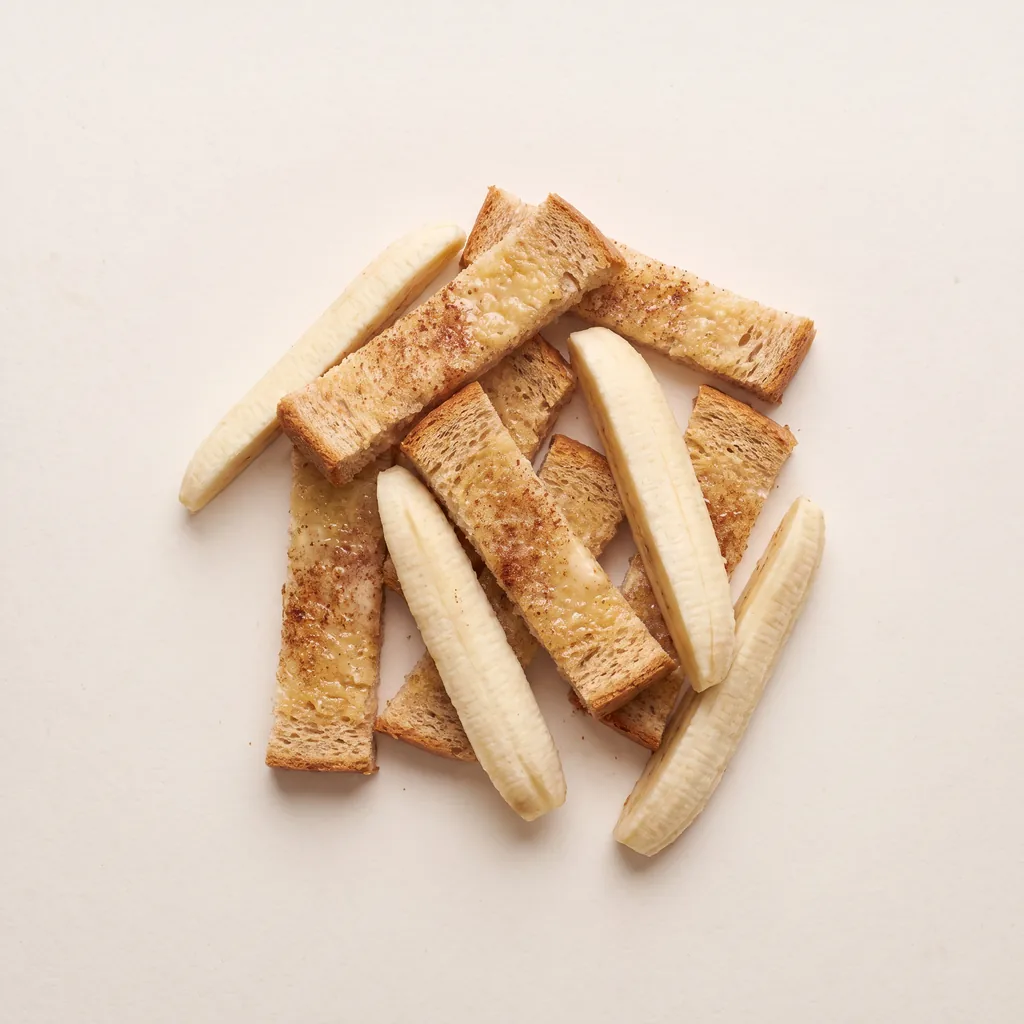
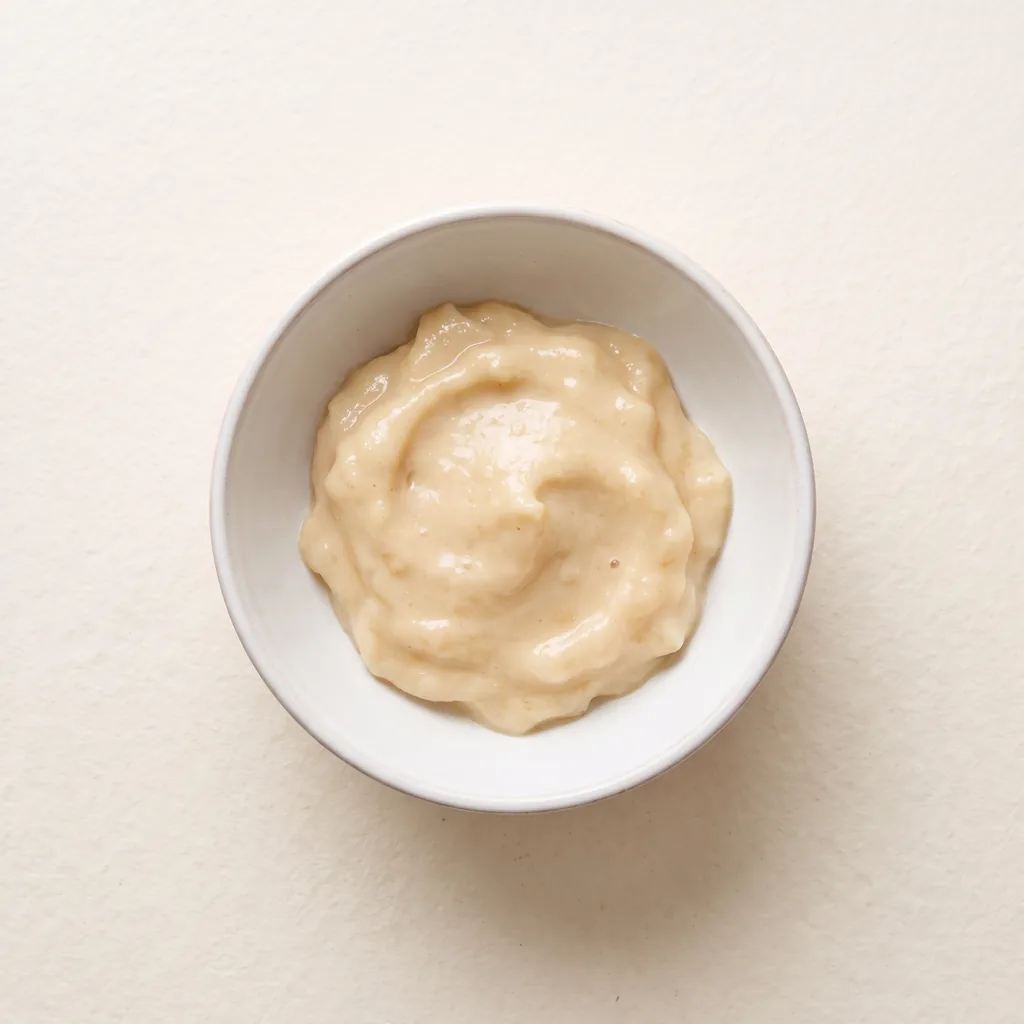
Serve half of a peeled banana whole, or split the banana lengthwise into thirds and serve the spears. To cut it in thirds, push a finger down into the top end of the peeled banana. Banana is soft and sticks to things, so gagging often happens. If you notice it sticking to the roof of the mouth, choose lengthwise spears over a whole half. If you are spoon-feeding, mash it and offer it on a preloaded spoon.
9 monthsStrip

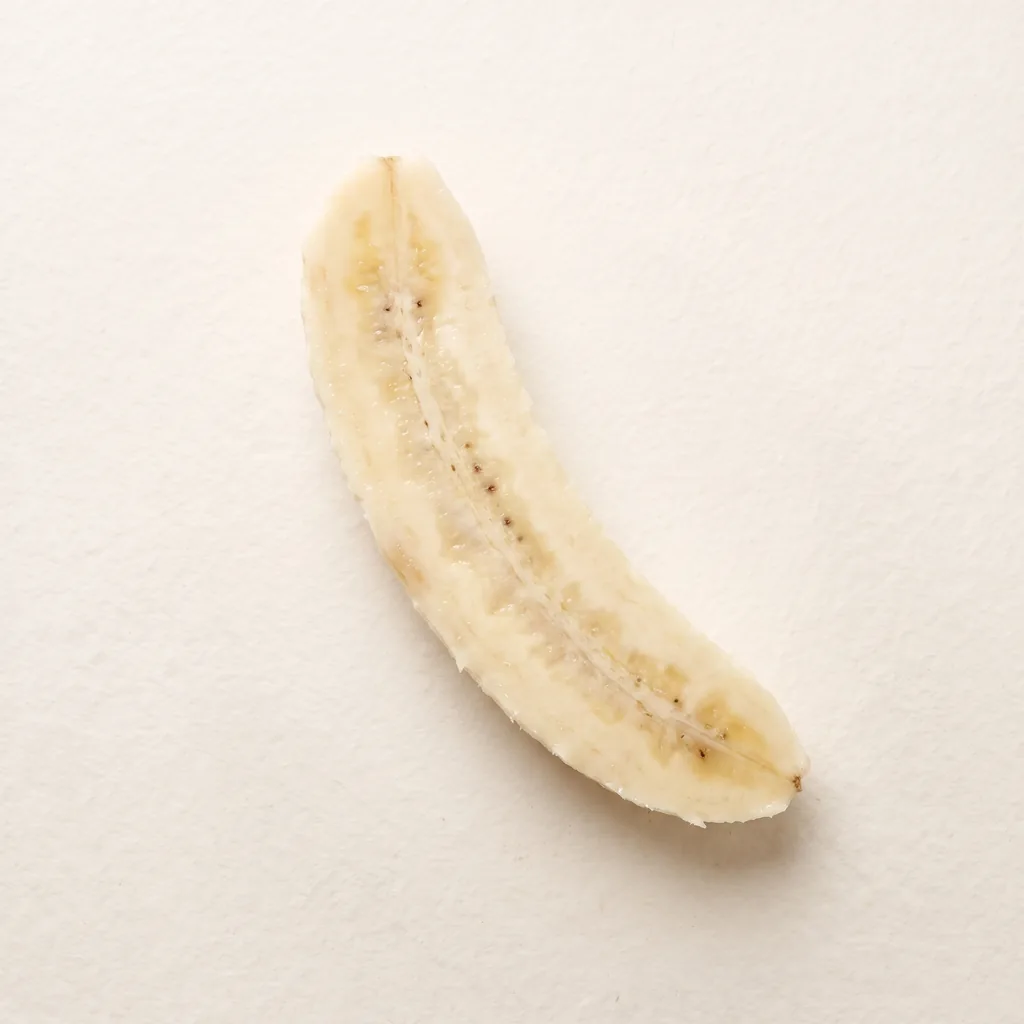
Banana prepared for 9 months

Cut: Finger strip

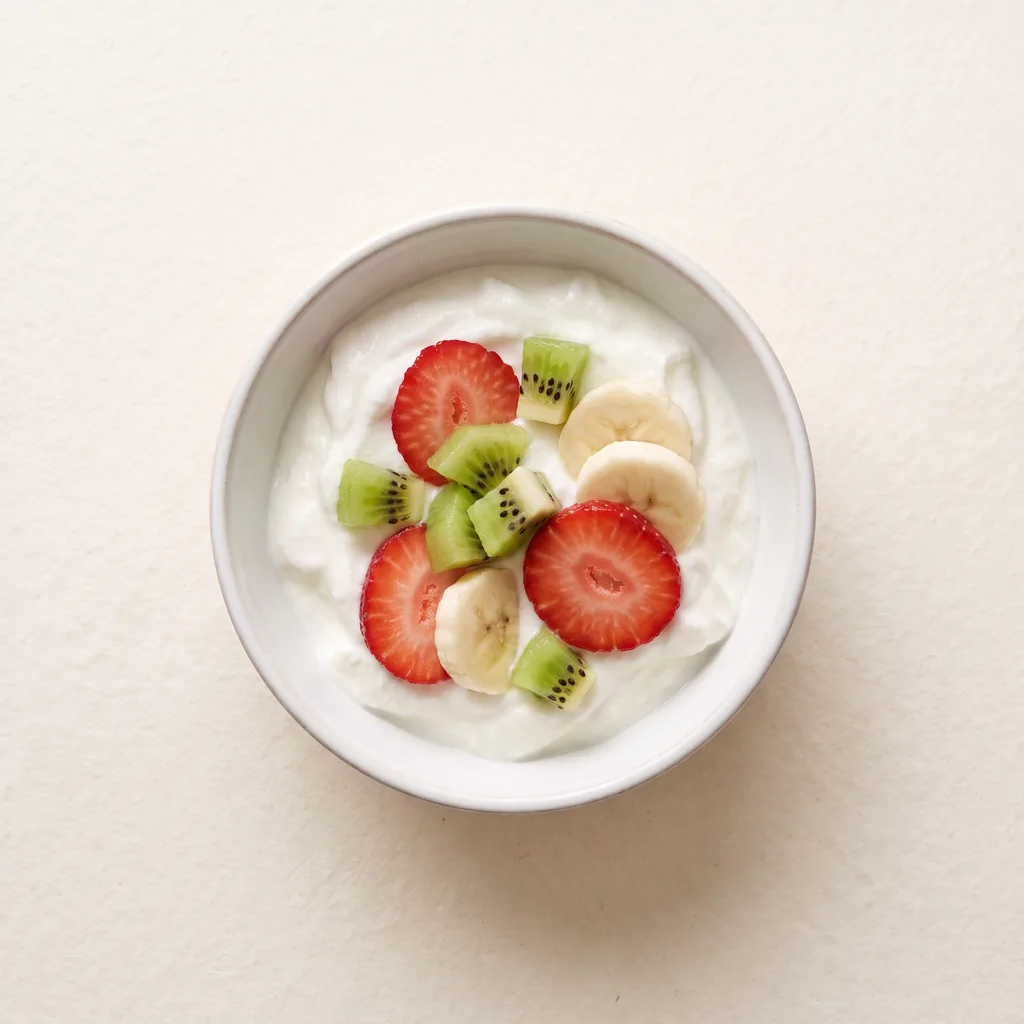
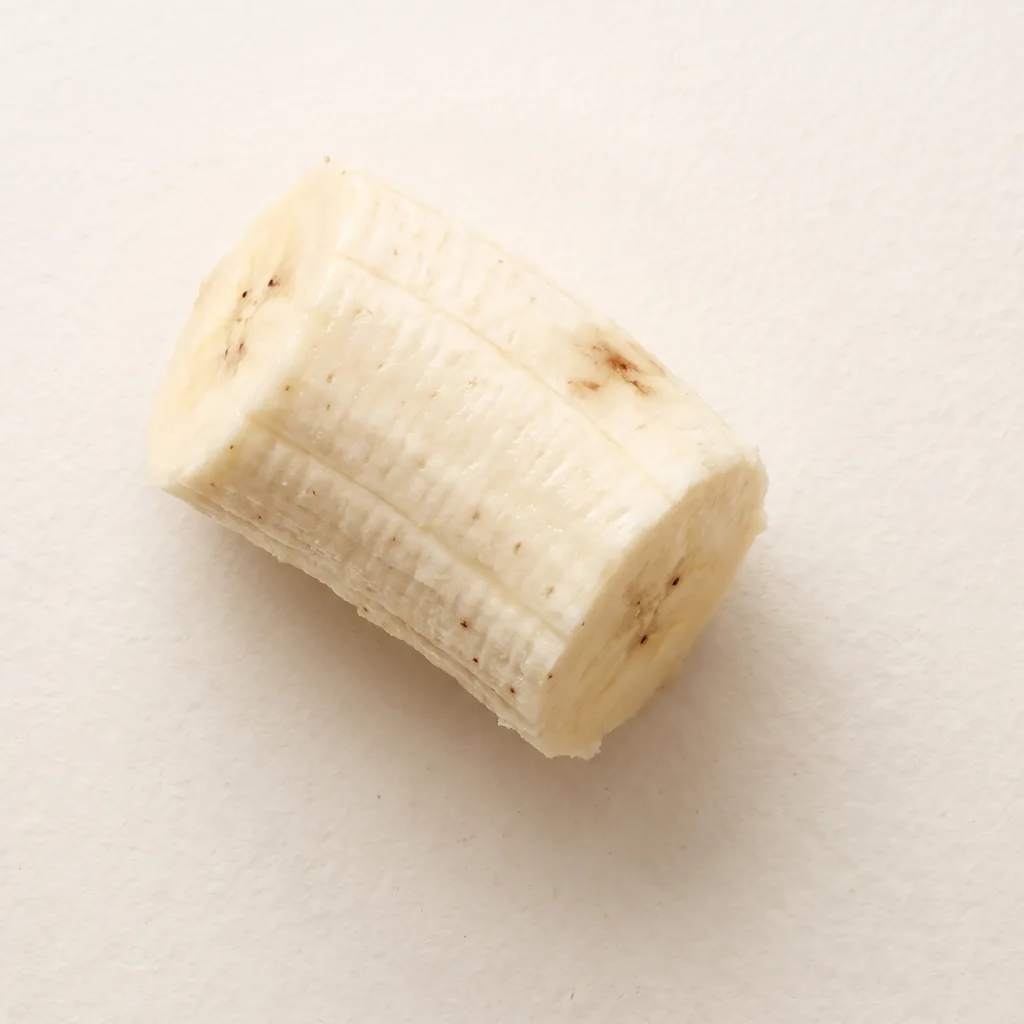
Split the banana lengthwise into three spears and serve them. If baby crams too much food into the mouth, reduce the pieces to bite size, which makes them easier to hold and less slippery. Banana slices suit pincer grasp practice. You can also add them to yogurt and oatmeal porridge.

12 monthsCube

Banana prepared for 12 months

Cut: Bite sized piece

Offer bite-sized pieces. If you are sure of your child's skills, you can also serve slices or a whole banana. The size you choose depends on your child's eating skills. This is also a good age to teach peeling a banana.

Choking risk

  1. Low
  2. Medium
  3. High

Banana is a low choking risk when prepared to suit your baby's age. Still, any food can cause choking.

Since banana is soft and clingy, expect some gagging. It is usually harmless. If it clings to the palate, offer lengthwise spears or small pieces. Stay within arm's reach while your baby eats.

Allergen information

FPIES warning

It is one of the known triggers of FPIES (a delayed-onset food allergy). In this condition, repeated severe vomiting, pallor and lethargy may occur, usually 1-4 hours after the food is eaten. Diarrhea may appear later. These symptoms require urgent medical evaluation.

Banana is not counted as a common allergen, though reactions have been reported. Sensitivity is possible in people who react to ragweed or latex, and in those with the pollen-related mouth allergy known as oral allergy syndrome. Symptoms are a mild, short itch, tingle or burn in the mouth, and they typically fade on their own. Cooking banana can reduce symptoms. Foods that only taste of banana are unlikely to bother these people.

For babies and toddlers with FPIES, banana can set off a reaction. FPIES is a delayed allergy. Within hours of eating, it can bring vomiting, diarrhea, a drop in blood pressure and dehydration.

Start with a small amount at the first meals. If nothing unusual happens, raise it slowly.

Vomiting and diarrhea

If repeated vomiting and diarrhea begin a few hours after banana, contact a doctor.

Frequently asked questions

What age can babies eat banana?

You can start banana once your baby is ready for solids, usually around 6 months.

Is banana a common allergen?

Banana is not counted as a common allergen, though reactions have been reported. Sensitivity is possible in people who react to ragweed or latex, and in those with the pollen-related mouth allergy known as oral allergy syndrome. Symptoms are a mild, short itch, tingle or burn in the mouth, and they typically fade on their own. Cooking banana can reduce symptoms. Foods that only taste of banana are unlikely to bother these people.

How do you prepare banana for babies?

For a 6-month-old: Serve half of a peeled banana whole, or split the banana lengthwise into thirds and serve the spears. To cut it in thirds, push a finger down into the top end of the peeled banana. Banana is soft and sticks to things, so gagging often happens. If you notice it sticking to the roof of the mouth, choose lengthwise spears over a whole half. If you are spoon-feeding, mash it and offer it on a preloaded spoon.
Is banana a choking hazard for babies?

Banana is a low choking risk when prepared to suit your baby's age. Still, any food can cause choking.

Does banana cause constipation in babies?

The evidence is weak. Green banana contains tannins. If constipation continues, see your doctor.

What if my baby gags on banana?

This is common because banana is soft and sticky. If it sticks to the palate, try lengthwise spears or small pieces.

How do I store bananas?

To ripen green bananas, put them in a brown paper bag. Once ripe, peel and freeze them in an airtight container, where they keep for a few months.

Prepared by the Lokmini team | Last updated November 17, 2026

Share:WhatsApp

Want to add this food to your baby's solid food calendar?

Join Lokmini to learn how this food is served at each age and to keep track of every food your baby tries.

Join Lokmini

Starting Solids

When and how to start solids, and what happens in the first week?

Read the guide

Similar foods

Let's get ready for the first bite together

Lokmini builds a day-by-day plan for your baby's age. Leave your email for new guides and our newsletter.

Start Your Journey