Skip to content
  • Fruits
  • 6 mo+
  • Medium choking risk

Apricot for babies: when to start

Apricot can be offered around 6 months, once baby is ready for solids, provided the fruit is soft and fully ripe, or has been cooked tender. Among stone fruits, it shows up early in the season. Its sweetness is balanced by a little tartness, which works in savory dishes such as Moroccan tagine and Pakistani biryani, and it also appears in desserts, including Armenian doshab and Greek baklava.

  • Vitamin A
  • Beta-carotene
  • Potassium
  • Fiber
  • Vitamin C
  • Vitamin E
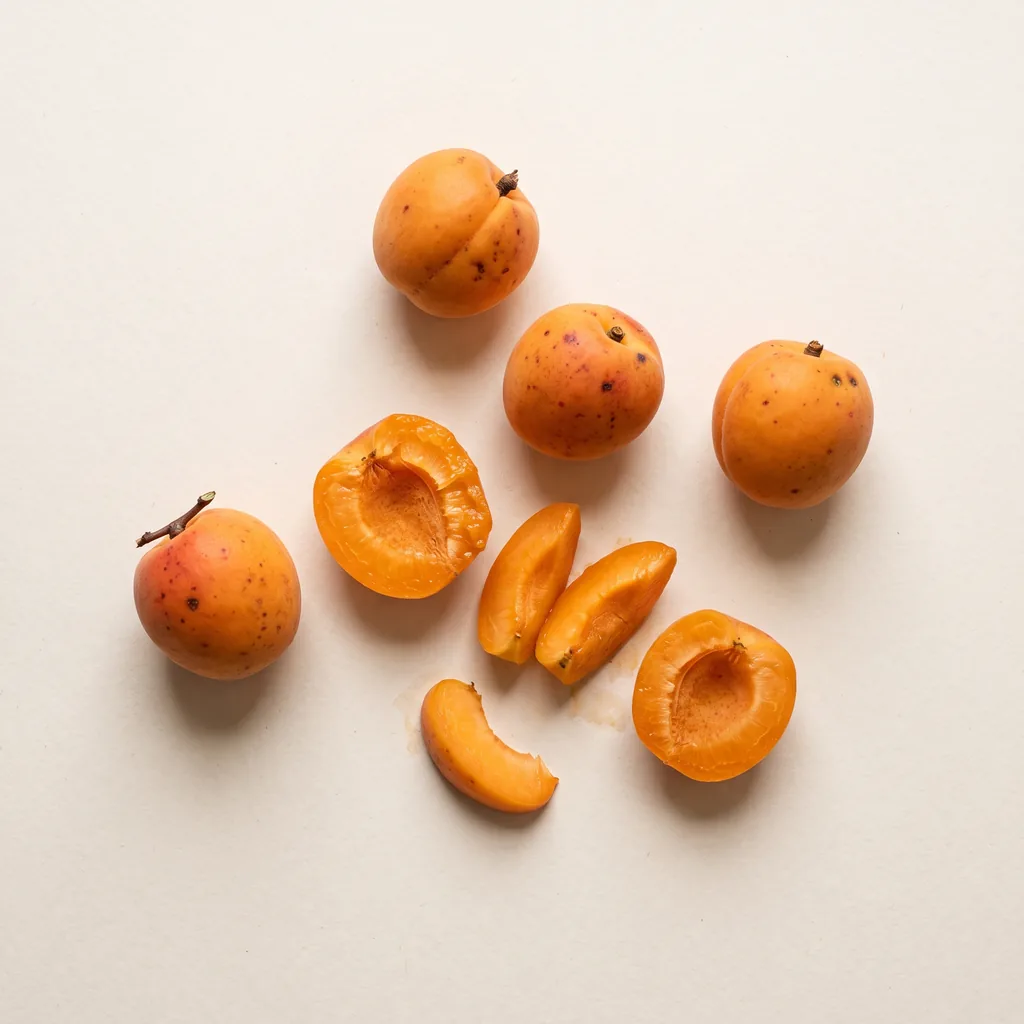
Apricot prepared for a baby

About apricot

Apricot gives carbohydrate, fiber and fluid. It also carries potassium plus vitamins K, E, C, B6 and A.

Also known as: kuru kayısı, taze kayısı

  • Gluten-free
  • Vegan

How to prepare it by age

6 monthsStrip or mash
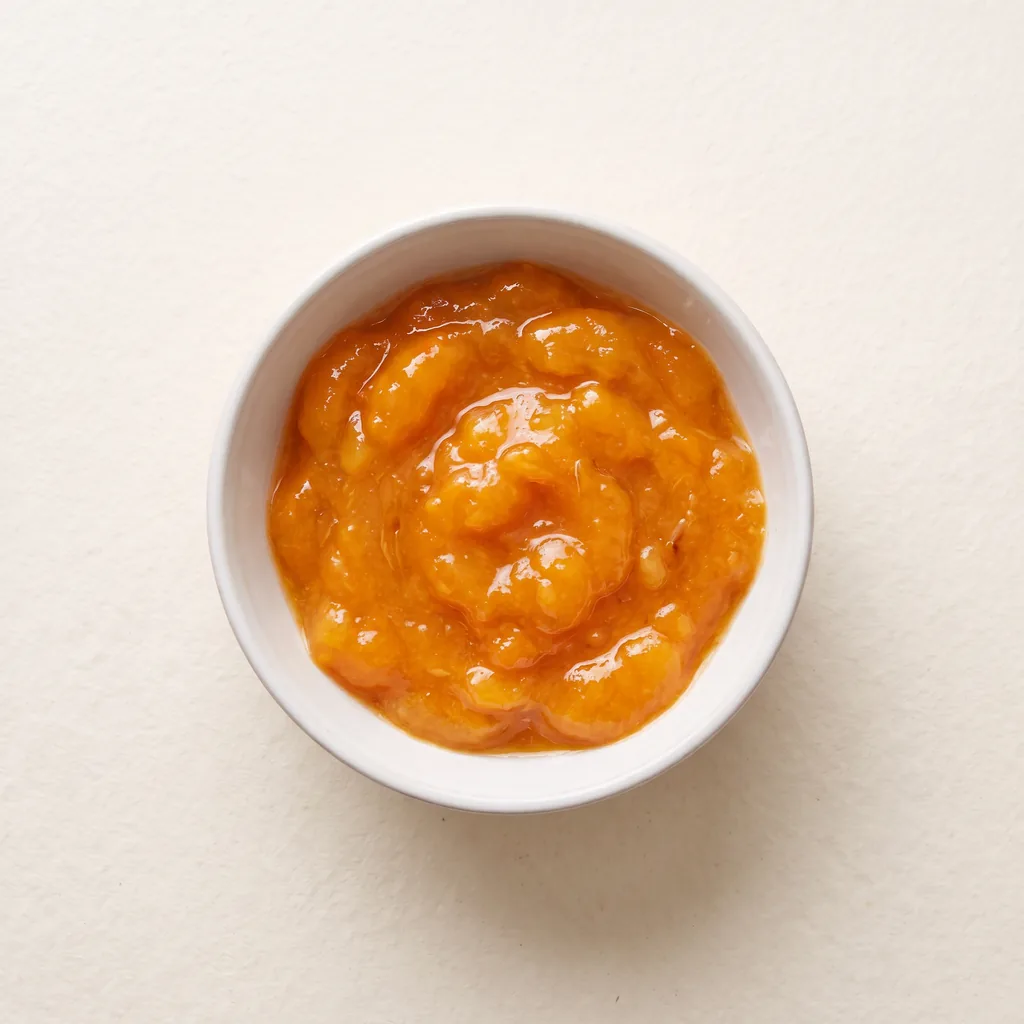
Apricot prepared for 6 months

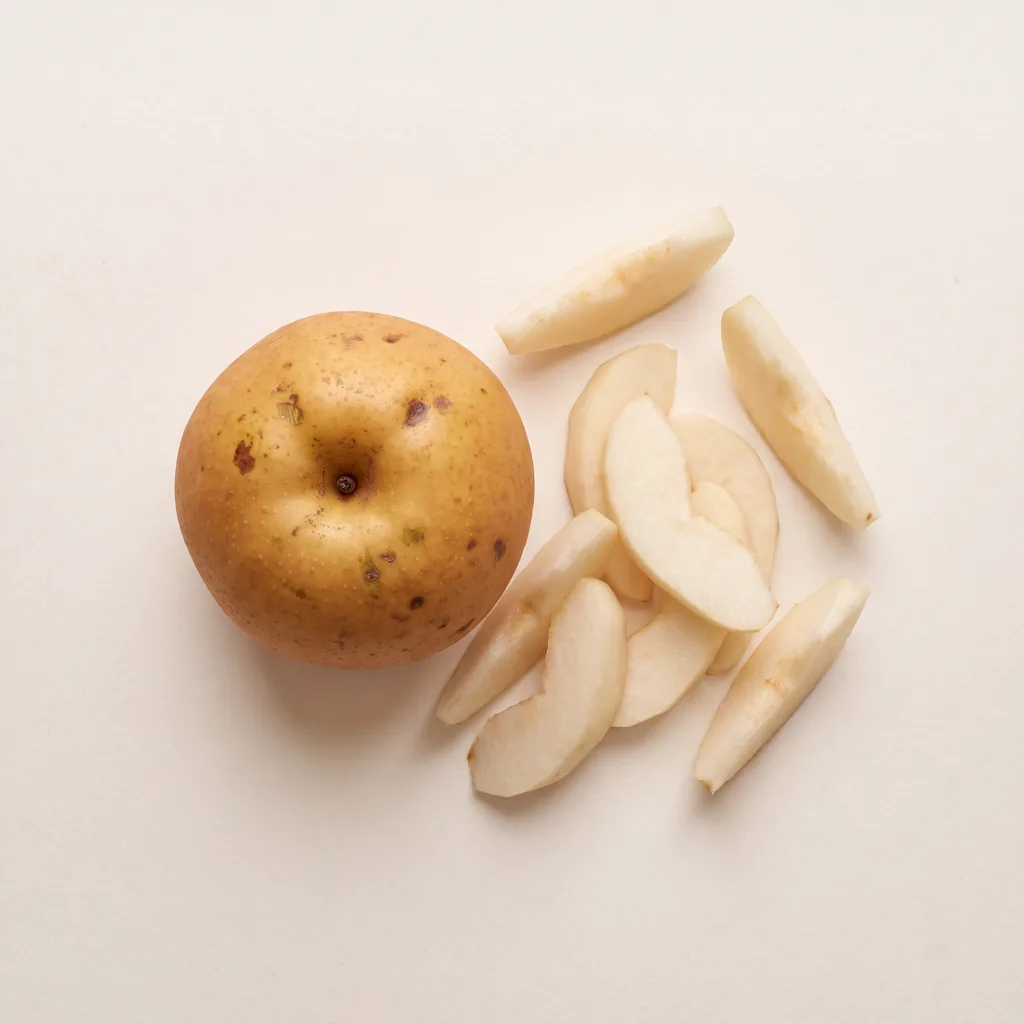
Cut: Finger strip

Remove the pit and halve the fruit. Ripe apricot skin is soft, but peeling it for the first tries makes the texture easier for baby. Serve ripe, soft flesh in finger-thick slices. The natural fiber and sorbitol can act as a mild laxative. That may help a constipated baby, but start with a small portion the first time and watch the reaction.

Cut: Fork mashed

Mash a very ripe, pitted apricot with a fork. Stir it into a soft spoonable food such as porridge or yogurt. If the fruit is firm, cook it until soft first.
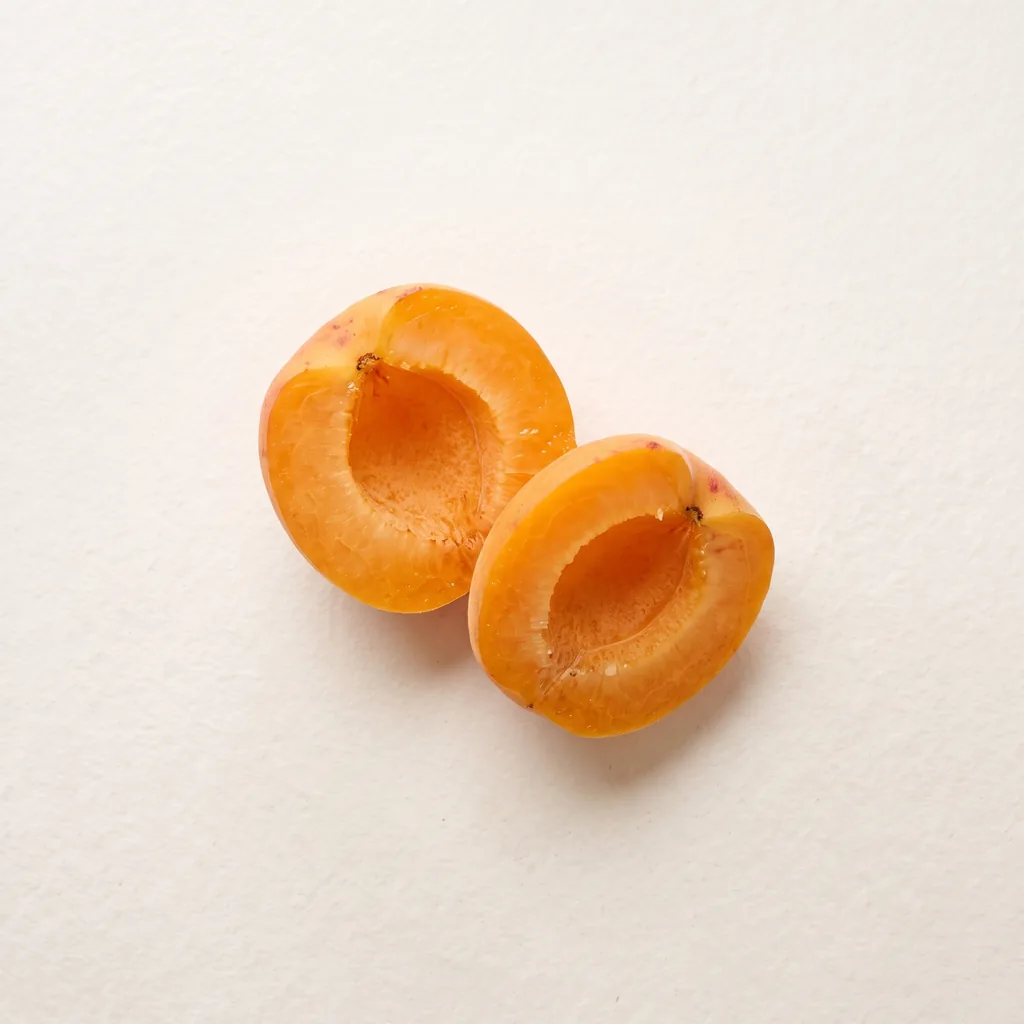
9 monthsSlice

Cut: Thin slice

Cut ripe, soft apricot into thin slices, with or without skin. The slices should mash easily when pressed between thumb and forefinger. If baby cannot pick up slices yet, stay with pitted halves. Apricot is very slippery, so coating small pieces in shredded coconut gives your baby something to hold.

12 monthsCube

Apricot prepared for 12 months

Keep serving ripe apricot as thin slices or pitted halves. If your child puts a whole half in the mouth, give them a minute, then show them how to get the piece out if needed. You can also cut apricot into bite-size pieces and preload a fork. Dried apricot is hard to chew. If a recipe calls for it, soak in warm water until completely soft, then chop finely or purée.

Choking risk

  1. Low
  2. Medium
  3. High

The hard pit of an apricot and the firm texture of unripe fruit can raise choking risk in babies. Always remove the pit before serving. Choose fully ripe apricots that mash easily between your fingers. Serve the fruit sliced, mashed or in small, soft pieces, to suit your baby's developmental skills. Do not give hard, unripe apricots raw. Your baby should sit upright through the meal and stay under your constant watch.

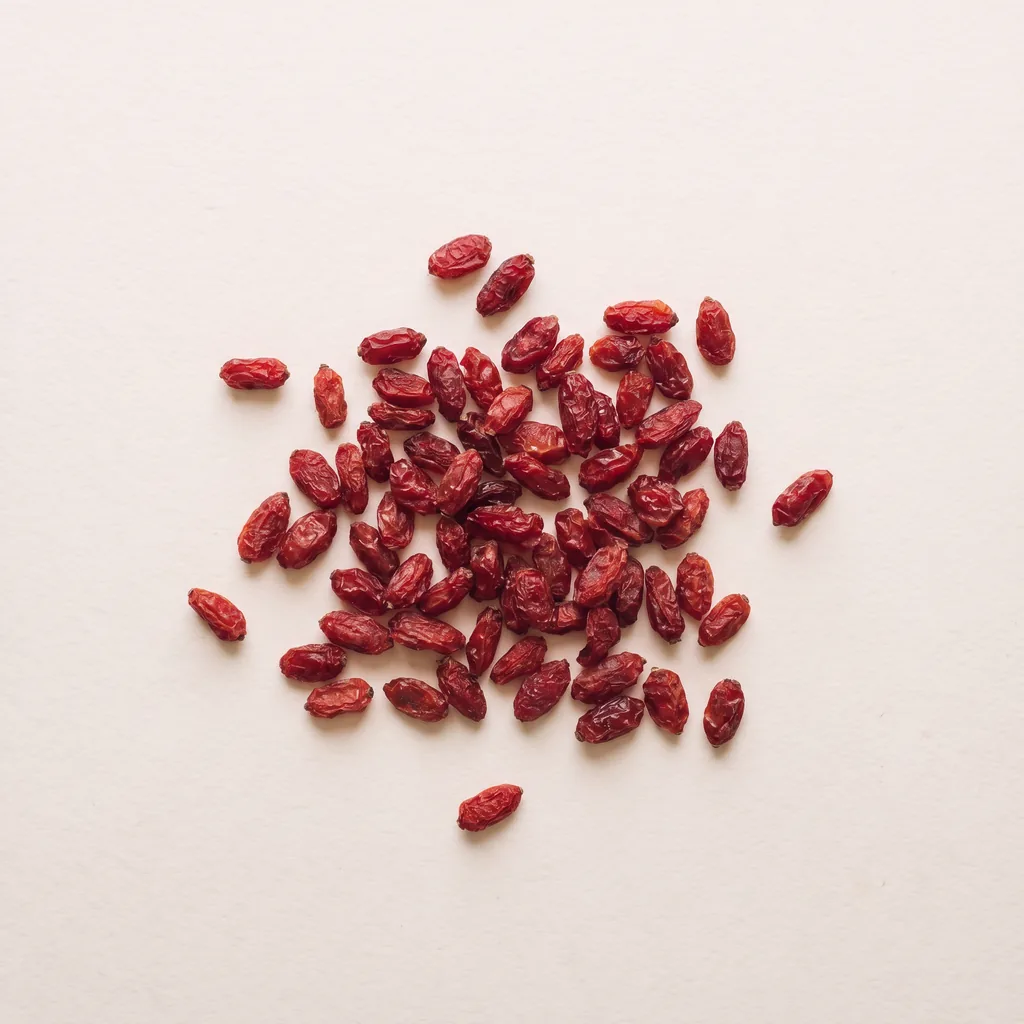
Pit and dried apricots

The hard pit of an apricot is a choking risk. Always remove the pit, and do not give your baby the almond-like kernel inside it. Whole dried apricots can also be a choking risk because they are hard and sticky. If you use dried apricot, soften it well and serve it puréed or chopped very finely in a dish.

Allergen information

Apricot is not a common food allergen, but it can rarely cause serious allergic reactions. Cross-reactions can happen in some people allergic to foods in the same plant family, such as peach, cherry, nectarine and almond. But being allergic to one of these foods does not mean an apricot allergy will always develop.

In some people with pollen allergy, eating apricot can cause itching, tingling or mild swelling in the mouth. In pollen food allergy syndrome, symptoms are usually mild, but serious reactions can rarely happen. Peeling or cooking apricot may reduce the effect of some allergens, but it will not stop every allergic reaction.

When you offer apricot for the first time, start with a small amount and watch how your baby responds. If hives, swollen lips or repeated vomiting appear, stop serving it and see a health professional. If your baby has trouble breathing, call emergency services right away. If your baby has had a serious allergic reaction to a food before, talk to a pediatric allergist before introducing apricot.

Frequently asked questions

What age can babies eat apricot?

Apricot can be offered around 6 months, once baby is ready for solids, provided the fruit is soft and fully ripe, or has been cooked tender. Among stone fruits, it shows up early in the season. Its sweetness is balanced by a little tartness, which works in savory dishes such as Moroccan tagine and Pakistani biryani, and it also appears in desserts, including Armenian doshab and Greek baklava.

Is apricot a common allergen?

Apricot is not a common food allergen, but it can rarely cause serious allergic reactions. Cross-reactions can happen in some people allergic to foods in the same plant family, such as peach, cherry, nectarine and almond. But being allergic to one of these foods does not mean an apricot allergy will always develop.

How do you prepare apricot for babies?

For a 6-month-old: Remove the pit and halve the fruit. Ripe apricot skin is soft, but peeling it for the first tries makes the texture easier for baby. Serve ripe, soft flesh in finger-thick slices. The natural fiber and sorbitol can act as a mild laxative. That may help a constipated baby, but start with a small portion the first time and watch the reaction.

Is apricot a choking hazard for babies?

The hard pit of an apricot and the firm texture of unripe fruit can raise choking risk in babies. Always remove the pit before serving. Choose fully ripe apricots that mash easily between your fingers. Serve the fruit sliced, mashed or in small, soft pieces, to suit your baby's developmental skills. Do not give hard, unripe apricots raw. Your baby should sit upright through the meal and stay under your constant watch.

Can babies eat dried apricots?

Dried apricot is hard and sticky, so it can be a choking risk. If you use it in recipes, soak it in warm water until completely soft, then purée it or chop it very finely into a dish. Do not give whole dried apricots.

Does apricot help with constipation?

Apricot has fiber and sorbitol. If constipation continues, see your doctor.

How do I know if an apricot is ripe enough?

A ripe apricot is soft enough to mash easily when pressed gently. Do not give your baby hard or underripe apricots raw. If needed, cook them to soften them.

Prepared by the Lokmini team | Last updated November 19, 2026

Share:WhatsApp

Want to add this food to your baby's solid food calendar?

Join Lokmini to learn how this food is served at each age and to keep track of every food your baby tries.

Join Lokmini

Starting Solids

When and how to start solids, and what happens in the first week?

Read the guide

Similar foods

Let's get ready for the first bite together

Lokmini builds a day-by-day plan for your baby's age. Leave your email for new guides and our newsletter.

Start Your Journey