Most breads contain wheat. Wheat is one of the common food allergens and contains gluten.
Depending on the recipe, bread can also contain other allergens such as milk, egg, sesame, soy, or nuts. So check the ingredient list on store-bought products.
Wheat can be introduced in a suitable way from about 6 months, once your baby is ready for solids. At the first serving, start with a small amount and watch how your baby responds.
Introducing allergens one at a time, rather than through breads with several new allergens, can make it easier to tell what caused a possible reaction. But having tried every allergen separately is not a medical requirement for every bread.
Wheat allergy and celiac disease are not the same condition. In a wheat allergy, an allergic reaction to wheat proteins develops. In celiac disease, eating gluten causes immune-related damage to the intestine.
With a diagnosed wheat allergy, breads that contain wheat should not be eaten. With celiac disease, breads that contain gluten should not be eaten.
Allergic reactions can include hives, swelling of the lips, vomiting, coughing, or wheezing. For serious signs such as trouble breathing or swelling of the tongue or throat, call emergency services right away.
Toast or soft bread: which is safer for babies?
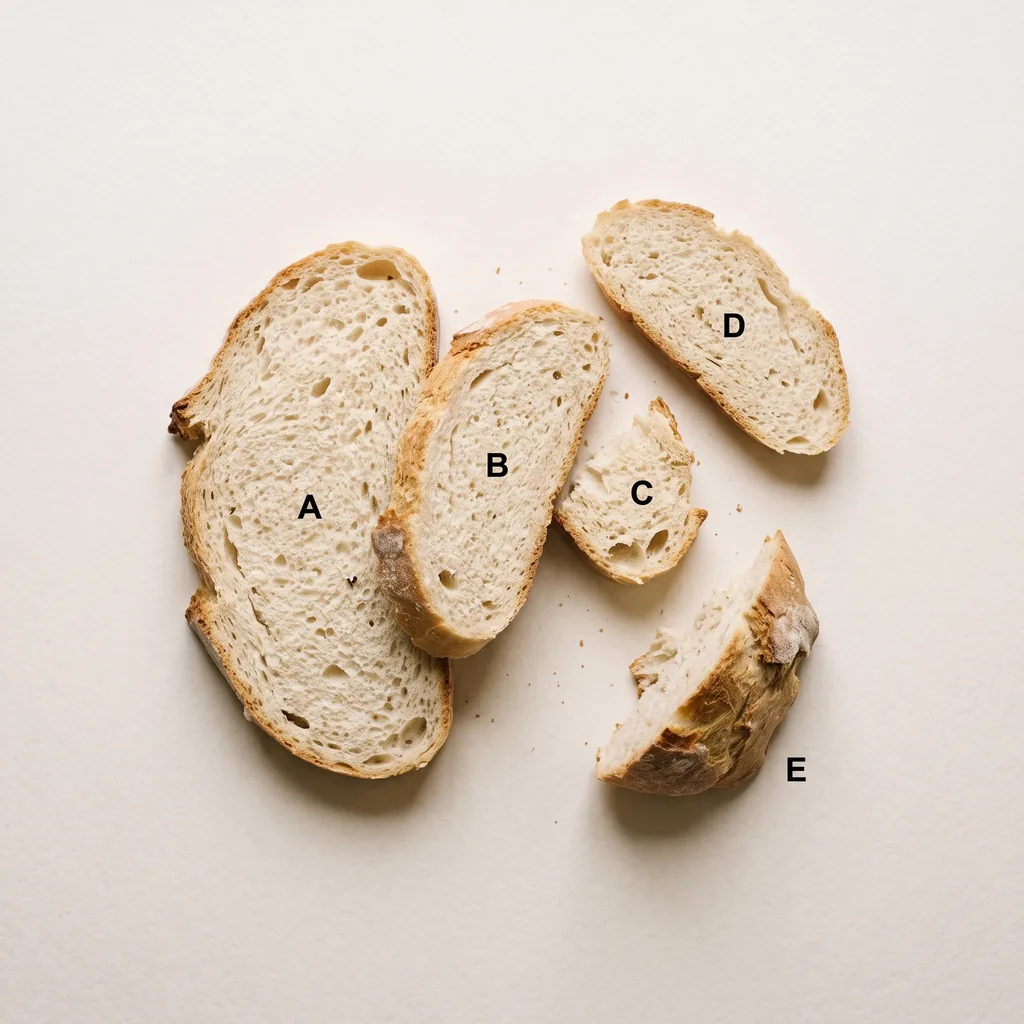
Very soft breads can form a sticky lump in the mouth when mixed with saliva. This can make it harder for your baby to manage the food.
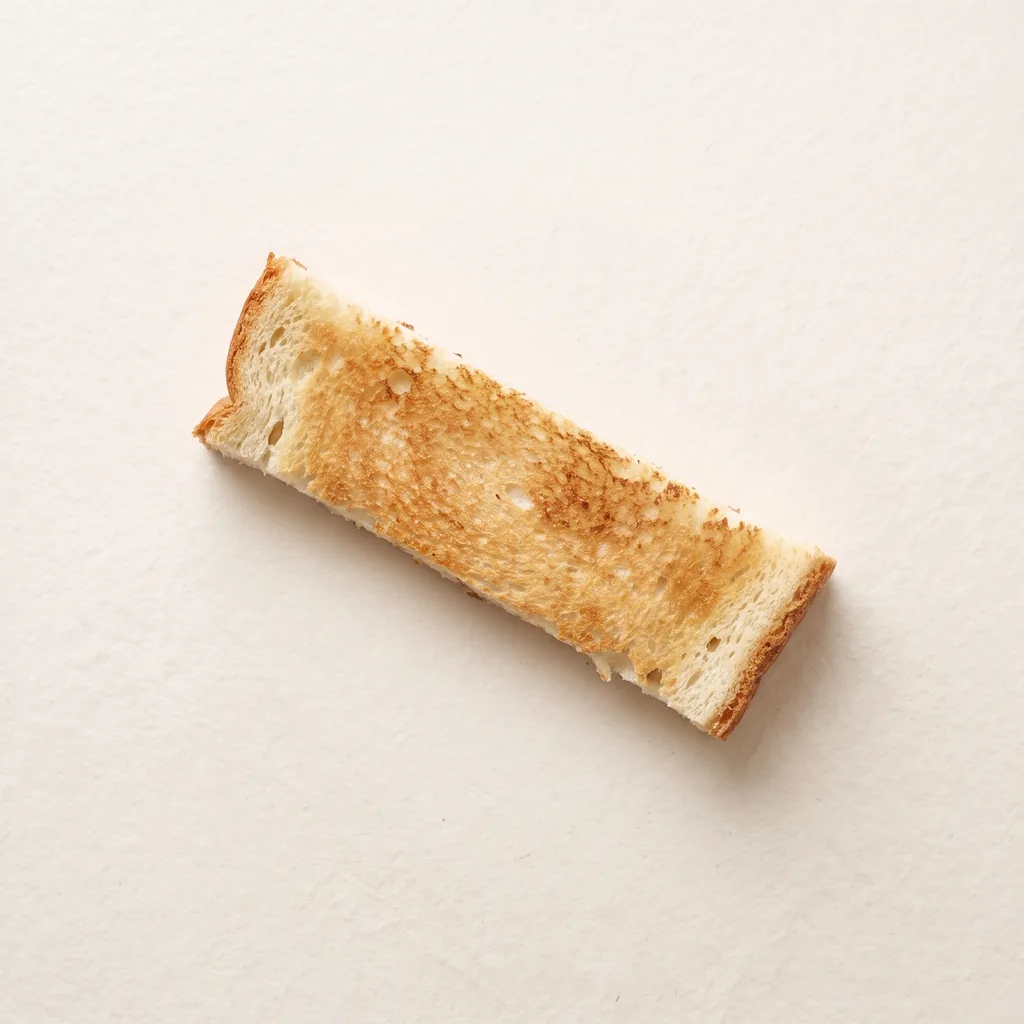
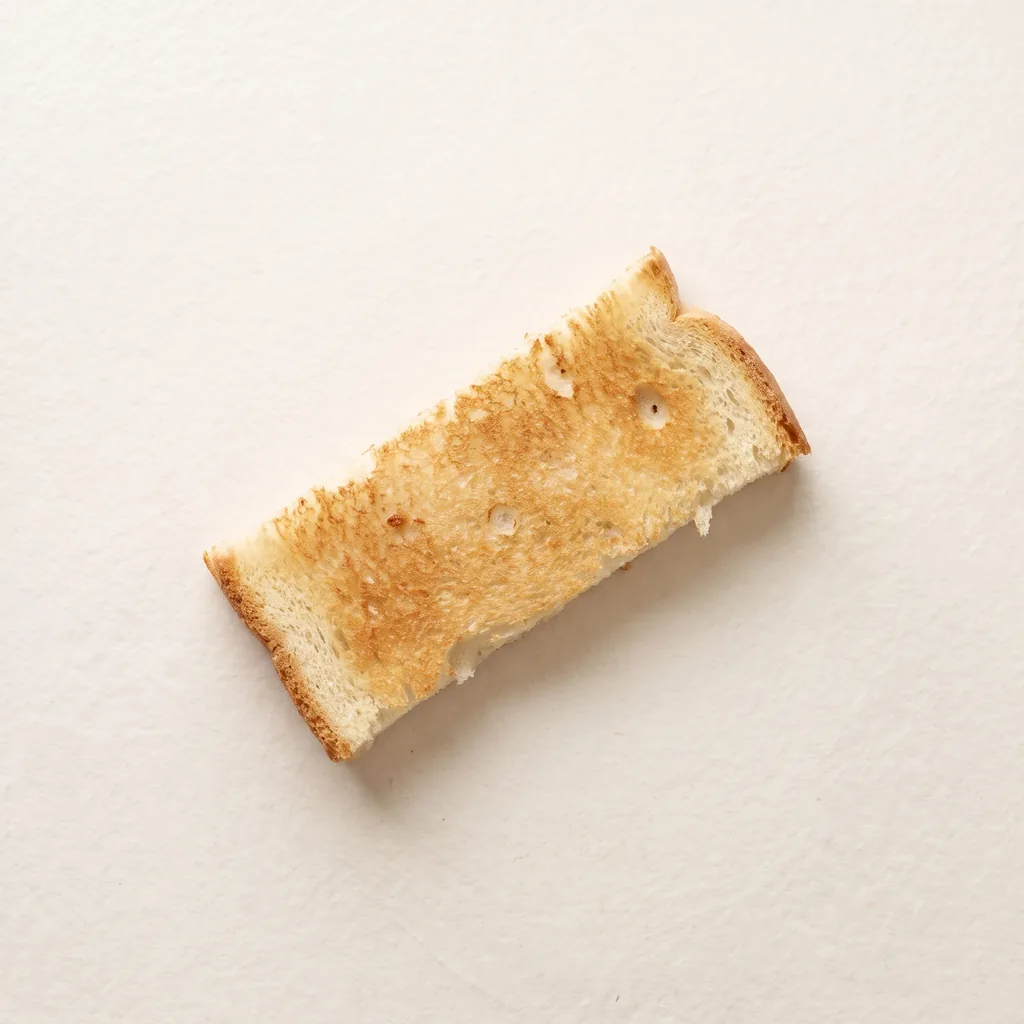
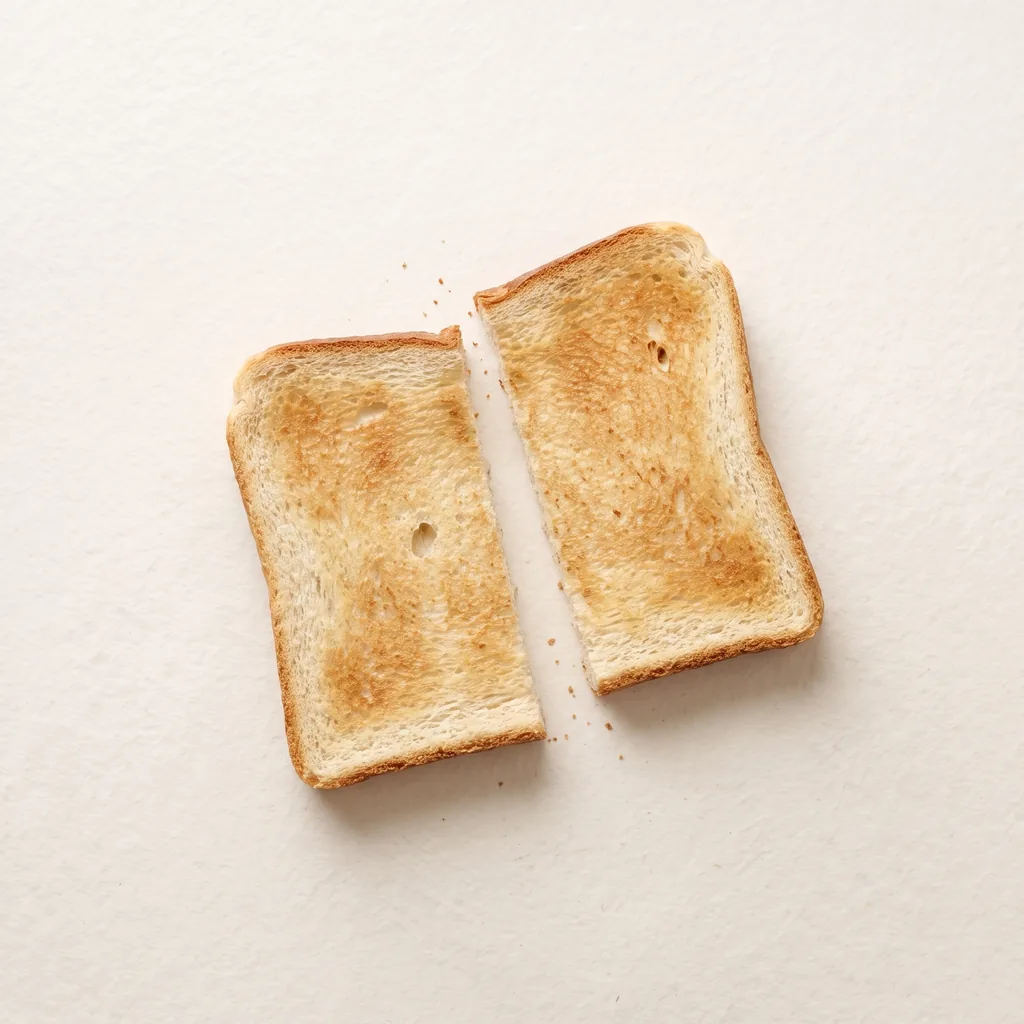
Lightly toasting bread can make it less sticky. But toasting it until very hard or crunchy can also raise the choking risk.
So what matters is not whether the bread is toasted, but that it is served in a texture that suits your baby's chewing skills and is easy to manage.