Skip to content

Dietitian's view

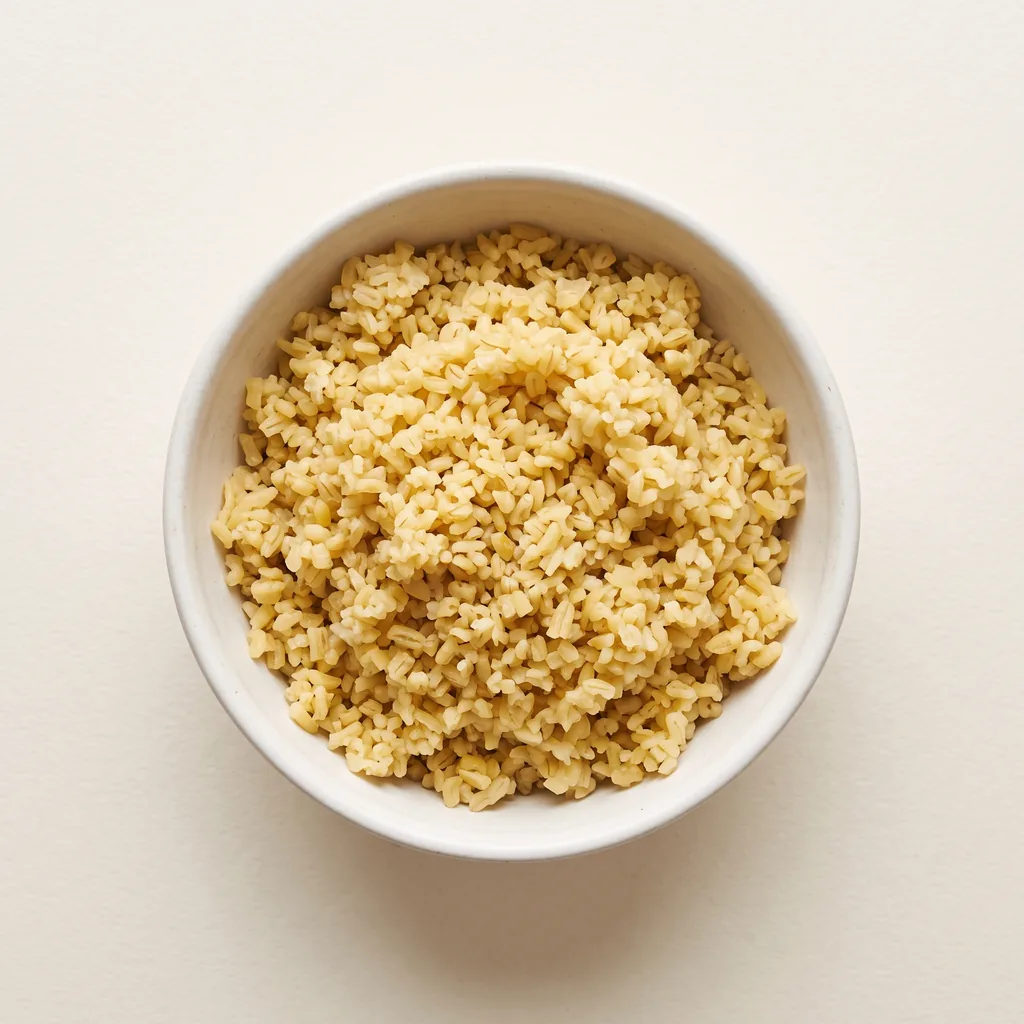
You can give bulgur cooked properly.

Lokmini is not a healthcare provider and does not offer health services. For your baby's specific needs, talk to your doctor or a dietitian.

  • Wheat and gluten allergen
  • Grains
  • 6 mo+
  • Low choking risk

Bulgur for babies: when to start

Bulgur can start when your baby is about 6 months old and ready for solids. Bulgur is made from wheat. Wheat is a common allergen, and bulgur contains gluten.

  • Fiber
  • Complex carbohydrates
  • Magnesium
  • B vitamins
  • Zinc
  • Iron
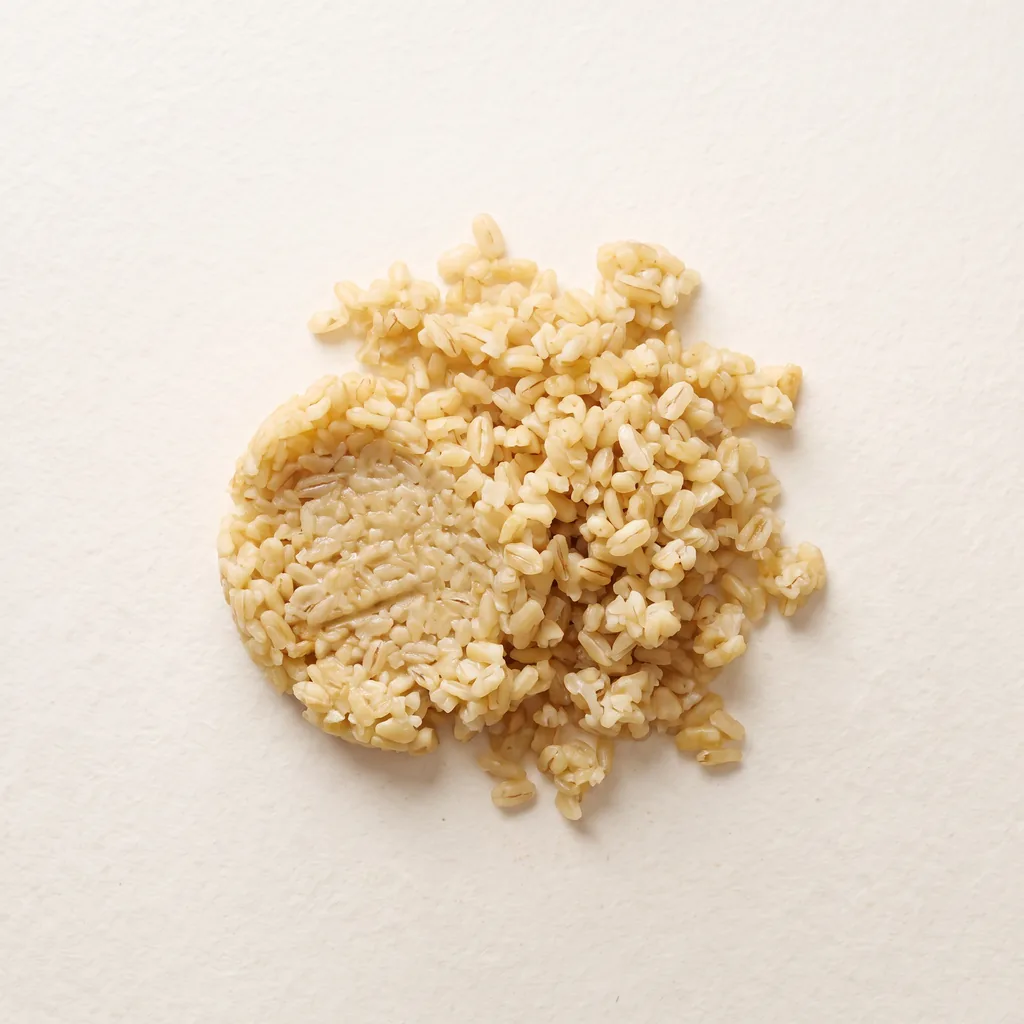
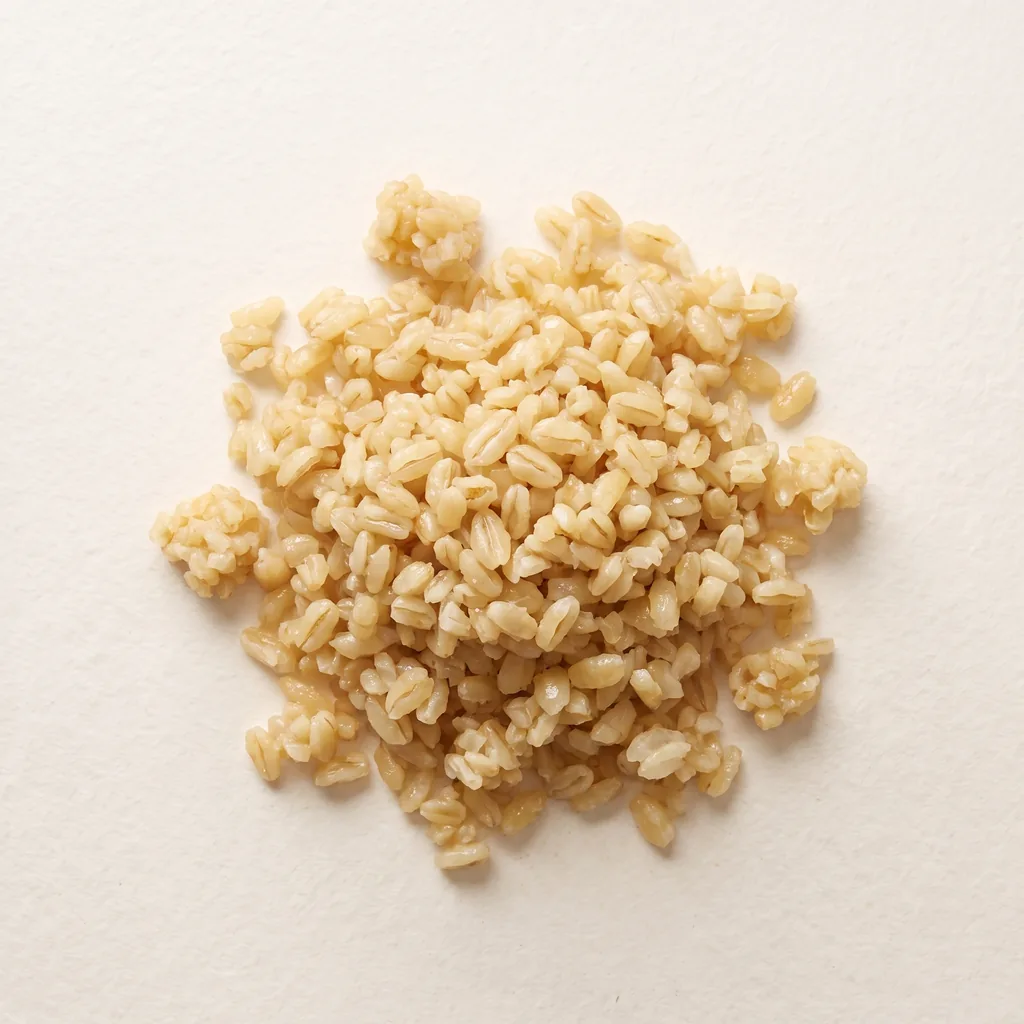
Bulgur prepared for a babyAllergen, day 1/3

About bulgur

Bulgur is a wheat food native to the lands east of the Mediterranean. The kernels are first turned into groats. These are partly boiled, dried, milled and sieved. After that the cracked grains are graded by size, from fine (sometimes marked 1) up to extra coarse (4). It is traditionally made from wheat, and barley and other grains can be used too.

Compared with many grains, bulgur has more fiber, and it supplies carbohydrates and protein. Because it comes from whole wheat kernels, it is more nutritious than refined products. It has many B vitamins, iron, magnesium, zinc and some antioxidants.

Also known as: bulgur buğdayı, ince bulgur, iri bulgur, köftelik bulgur, pilavlık bulgur

  • Vegan

Bulgur is offered 3 days in a row

So that any reaction can be linked to the right food, bulgur is offered 3 days in a row and no other new food is tried on those days.

  1. 1/3

    First taste

    Start with a small amount in the morning or around midday. Your baby is watched closely for 5 to 10 minutes after the first bite.

  2. 2/3

    Same food, same calm

    Bulgur is offered again the same way. No other new food is tried today.

  3. 3/3

    Introduction done

    If no reaction was seen, bulgur is now part of your baby's meals. It keeps being offered regularly.

Emergency

If your baby has trouble breathing or swelling of the face or tongue, call 911 (or your local emergency number) right away.

About bulgur allergy

Because bulgur is made from wheat, it is a **wheat allergen** and contains gluten.

Wheat can be introduced properly from about 6 months, when your baby is ready for solids. At the first serving, start with a small amount and watch how your baby responds.

Wheat allergy and celiac disease are not the same. In wheat allergy, an allergic reaction develops to wheat proteins. In celiac disease, eating gluten causes immune-related damage to the gut.

Do not give bulgur made from wheat to babies with diagnosed wheat allergy or celiac disease.

Allergic reactions can include hives, swelling of the lips, vomiting, coughing or wheezing. For serious signs such as trouble breathing or swelling of the tongue or throat, call emergency services right away.

If you suspect a wheat allergy, talk to your pediatrician or an allergist before offering bulgur again.
How to prepare it by age

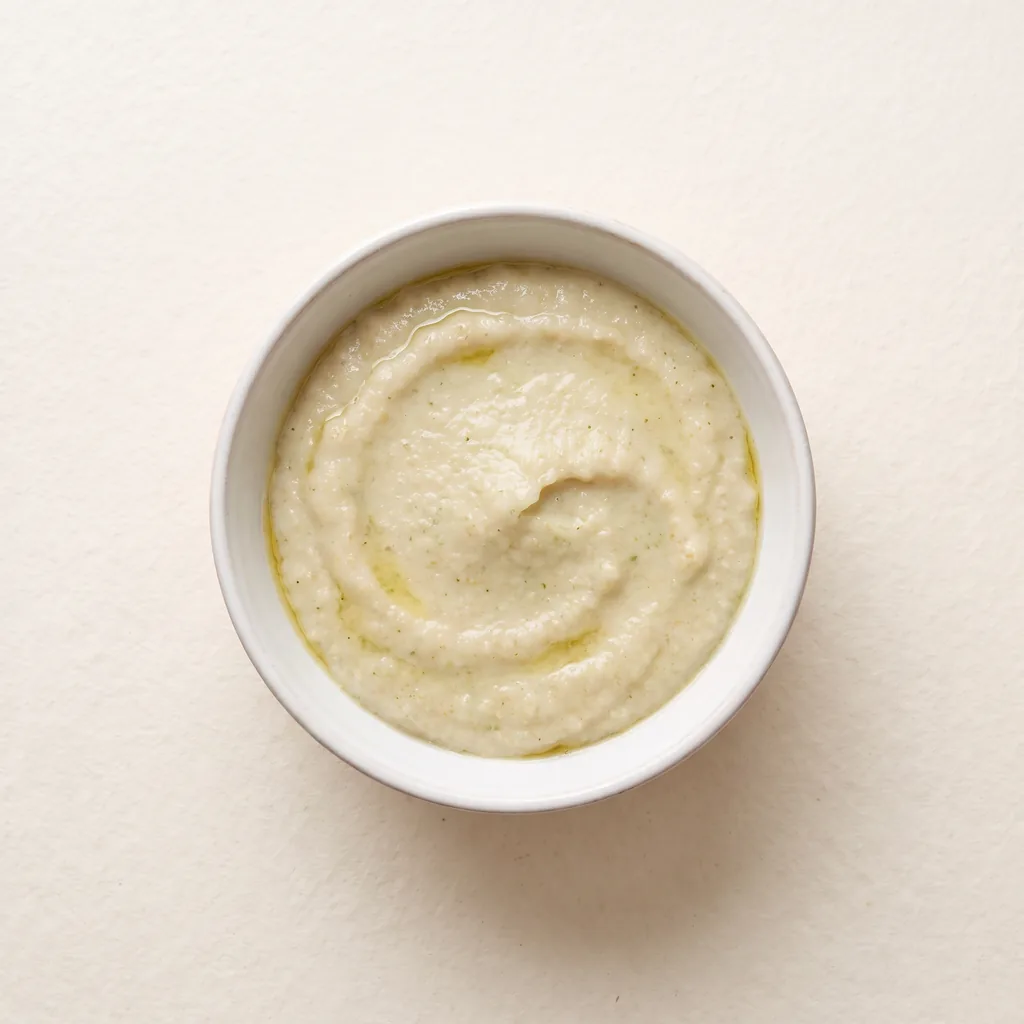
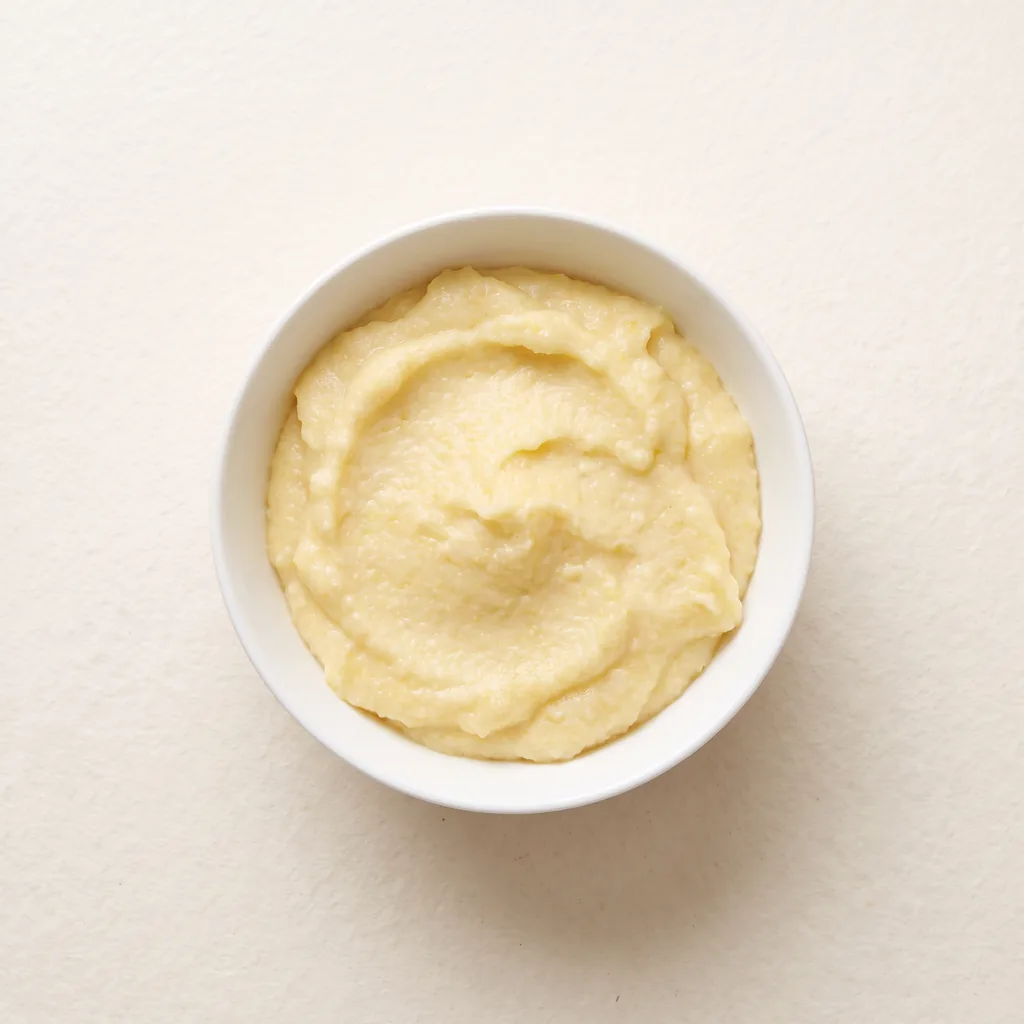
6 monthsMash

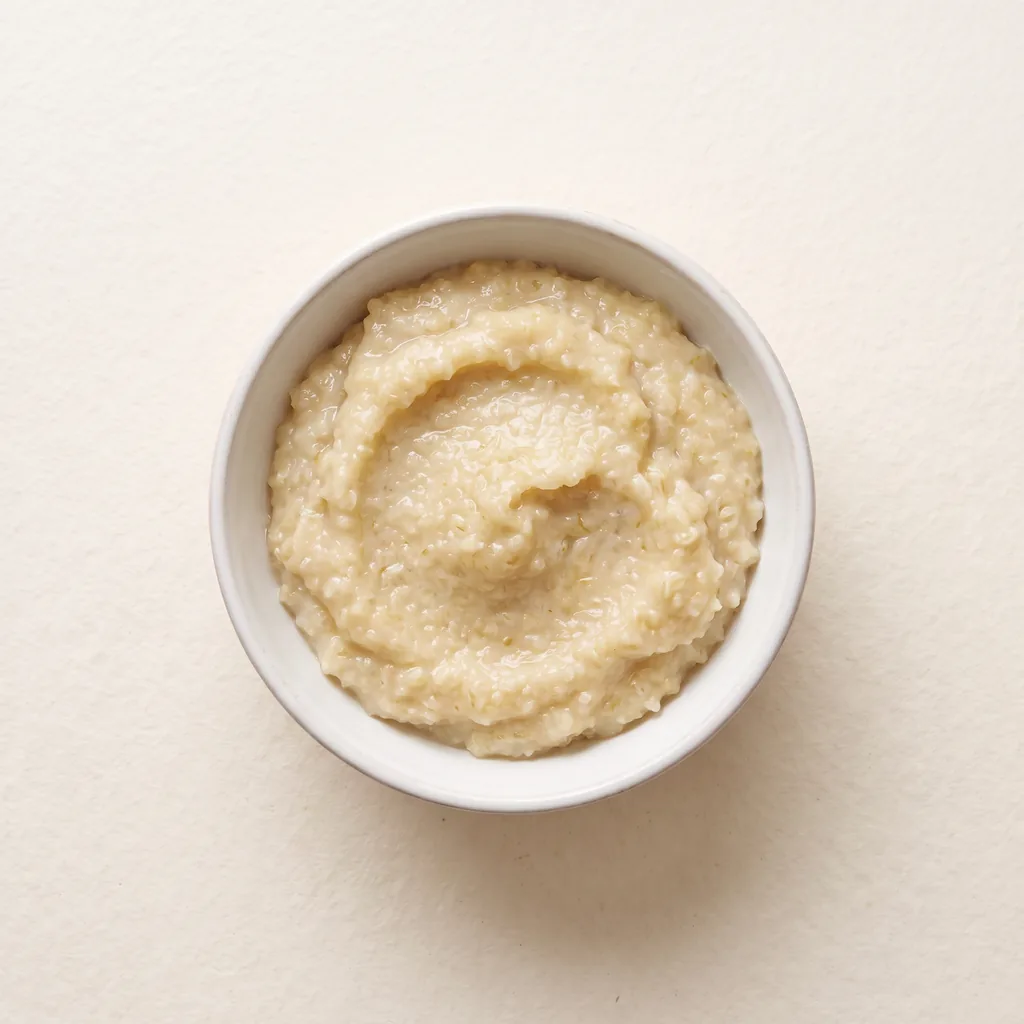
Bulgur prepared for 6 months

Cut: Smooth puree

Boil fine-ground (köftelik) bulgur in plenty of water until very soft, then mash until smooth. Coarse whole bulgur does not suit the chewing skills of this age. From 10 months, well-cooked coarse bulgur can be shaped into small balls or patties and offered as finger food for baby-led weaning.

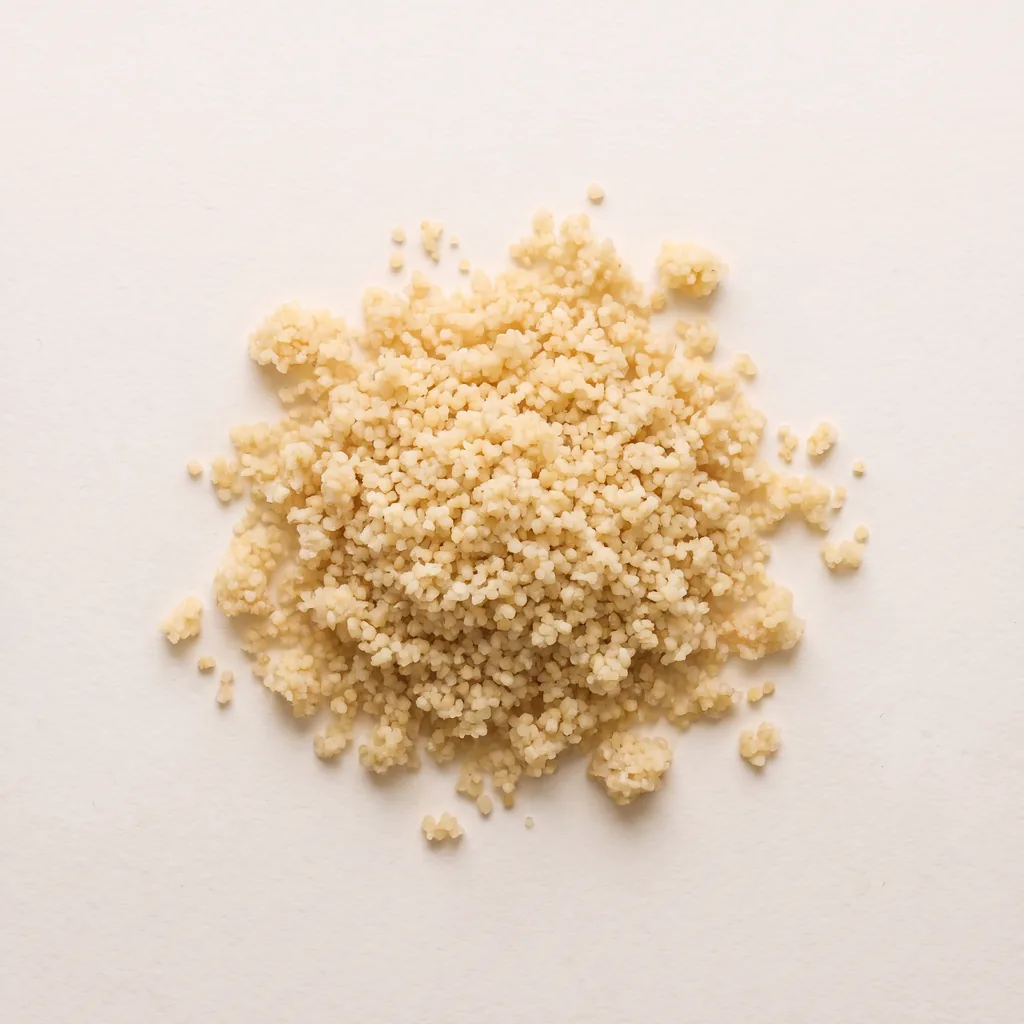
9 monthsCube

Bulgur prepared for 9 months

Cut: Bite sized piece

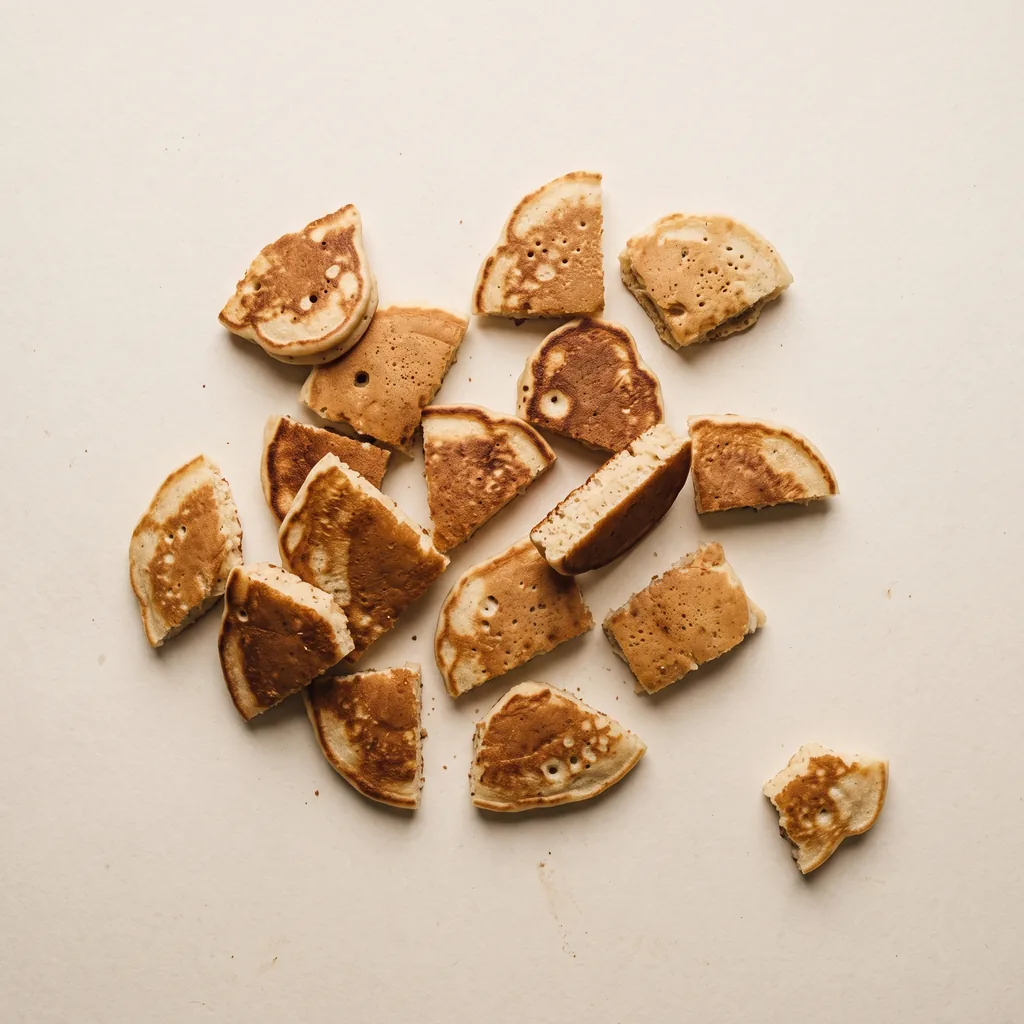
Fold cooked bulgur into soft patties, fritters or pancakes. Cut them into bite-sized pieces. If your baby has trouble picking up tiny grains, mix bulgur salad with mashed vegetables or yogurt. Pressing the grains flat with a fork helps your child feed themselves.

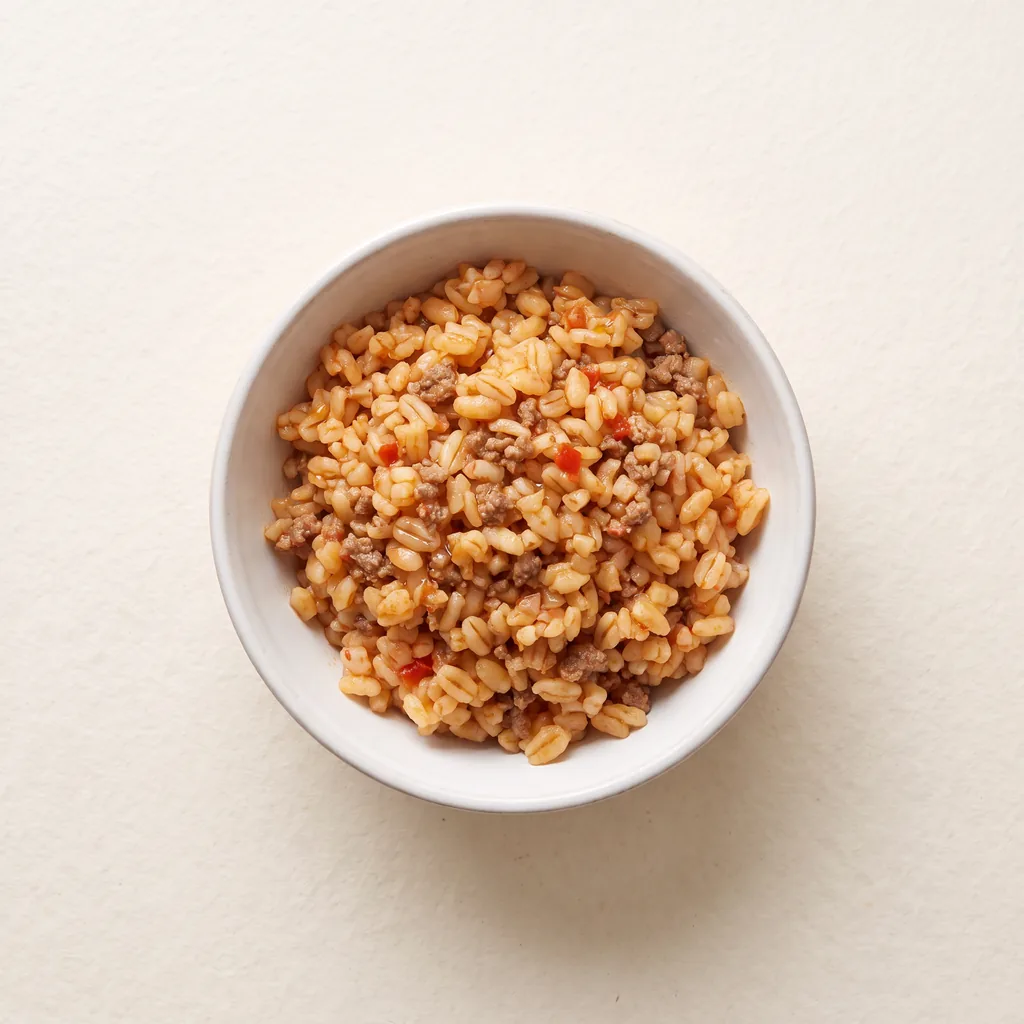
12 monthsCube

Bulgur prepared for 12 months

Serve bulgur as pilaf, salad, patties, pancakes or porridge. Coarse bulgur thickens soups and stews, which helps a child learn to use a spoon. If your child refuses the spoon, do not push.

Choking risk

  1. Low
  2. Medium
  3. High

Well-cooked, soft and moist bulgur has a low choking risk when served properly.

Small bulgur grains can scatter in the mouth and make the food harder for your baby to manage. Hard or undercooked grains can add extra risk.

At the start of solids, make bulgur fully soft, mash it if needed, or mix it with moist foods such as vegetable purée.

Make sure meatballs and fritters made with bulgur are not hard or dry and do not crumble into large pieces.

Self-feeding does not remove the choking risk. When spoon-feeding, also pay attention to your baby's readiness and cues.

Your baby should sit upright and supported during meals, eat at their own pace and never be left alone.

Frequently asked questions

What age can babies eat bulgur?

Bulgur can start when your baby is about 6 months old and ready for solids. Bulgur is made from wheat. Wheat is a common allergen, and bulgur contains gluten.

Is bulgur a common allergen?

Because bulgur is made from wheat, it is a **wheat allergen** and contains gluten.

How do you prepare bulgur for babies?

For a 6-month-old: Boil fine-ground (köftelik) bulgur in plenty of water until very soft, then mash until smooth. Coarse whole bulgur does not suit the chewing skills of this age. From 10 months, well-cooked coarse bulgur can be shaped into small balls or patties and offered as finger food for baby-led weaning.

Is bulgur a choking hazard for babies?

Well-cooked, soft and moist bulgur has a low choking risk when served properly.

Is bulgur gluten-free?

No. Bulgur is usually made from wheat and contains gluten. It is not suitable for babies with celiac disease.

Can babies eat gluten?

Yes. Foods with gluten can be introduced once your baby is ready for solids, usually around 6 months. Do not give bulgur if your baby has diagnosed celiac disease.

Which bulgur suits a baby?

Fine bulgur is easier to soften and turn into porridge. Coarse bulgur can also be served fully cooked and mashed. What matters is not the grain size but preparing it in a texture your baby can manage.

Does bulgur give babies gas?

Because of its fiber, some babies may get gas or tummy discomfort, especially with large portions. But this does not happen in every baby.

Do I need to soak bulgur first?

It is not required. Soaking can help some types of bulgur soften more easily. What matters for your baby is that the bulgur is cooked well enough.

Does bulgur meet my baby's iron needs?

Bulgur contains iron, but it is not enough on its own. Vary your baby's diet with meat and other iron sources.

Prepared by the Lokmini team | Last updated November 19, 2026

Share:WhatsApp

Want to add this food to your baby's solid food calendar?

Join Lokmini to learn how this food is served at each age and to keep track of every food your baby tries.

Join Lokmini

Starting Solids

When and how to start solids, and what happens in the first week?

Read the guide

Similar foods

Let's get ready for the first bite together

Lokmini builds a day-by-day plan for your baby's age. Leave your email for new guides and our newsletter.

Start Your Journey