Skip to content

Dietitian's view

You can give buttermilk if it is unsalted and pasteurized. Raw milk must never be given.

Lokmini is not a healthcare provider and does not offer health services. For your baby's specific needs, talk to your doctor or a dietitian.

  • Cow's milk allergen
  • Dairy
  • 6 mo+
  • Low choking risk

Buttermilk for babies: when to start

Buttermilk can go into your baby's food when your baby is about 6 months old and ready for solids. Wait until 12 months to give it as a drink. Choose pasteurized buttermilk to lower the risk of foodborne illness.

  • Protein
  • Fat
  • Calcium
  • Zinc
  • Choline
  • Omega-3
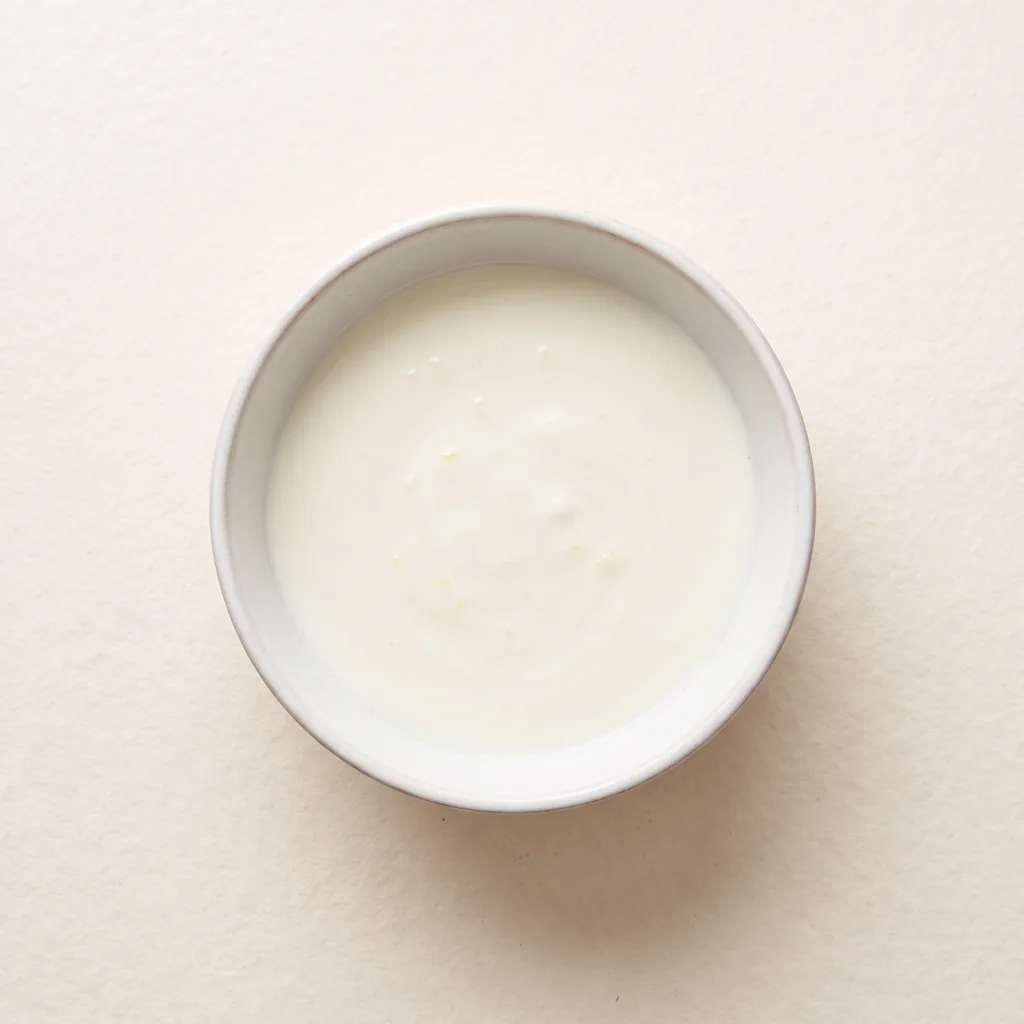
Buttermilk prepared for a babyAllergen, day 1/3

About buttermilk

Traditional buttermilk is the liquid left after cream is churned into butter. This liquid ferments on its own, thickens slightly and turns mildly sour. It is used both as a drink and as an ingredient. Store-bought buttermilk today is skim milk set with bacterial cultures, a method close to making yogurt.

Not the same as Turkish ayran

Buttermilk is skim milk left from butter making or cultured with bacteria. The ayran drunk in Turkey is salted, diluted yogurt. Do not swap one for the other.

Also known as: buttermilk, yayık ayranı, tereyağı sütü, kültürlü yağsız süt

  • Gluten-free
  • Vegetarian
  • Contains dairy

Buttermilk is offered 3 days in a row

So that any reaction can be linked to the right food, buttermilk is offered 3 days in a row and no other new food is tried on those days.

  1. 1/3

    First taste

    Start with a small amount in the morning or around midday. Your baby is watched closely for 5 to 10 minutes after the first bite.

  2. 2/3

    Same food, same calm

    Buttermilk is offered again the same way. No other new food is tried today.

  3. 3/3

    Introduction done

    If no reaction was seen, buttermilk is now part of your baby's meals. It keeps being offered regularly.

Emergency

If your baby has trouble breathing or swelling of the face or tongue, call 911 (or your local emergency number) right away.

About buttermilk allergy

FPIES warning

It is one of the known triggers of FPIES (a delayed-onset food allergy). In this condition, repeated severe vomiting, pallor and lethargy may occur, usually 1-4 hours after the food is eaten. Diarrhea may appear later. These symptoms require urgent medical evaluation.

Because buttermilk contains milk proteins, it is treated as a milk allergen.

In babies with cow's milk allergy, buttermilk can also cause an allergic reaction. Fermentation or removing the fat during butter making does not fully remove milk proteins.

Similar products made from goat or sheep milk are not automatically safe alternatives for babies with cow's milk allergy.

Milk allergy and lactose intolerance are different conditions. Milk allergy is an immune reaction to milk proteins. Lactose intolerance is trouble digesting milk sugar.

Cow's milk can also trigger a delayed food allergy called FPIES. In this case, repeated severe vomiting, paleness and marked weakness can appear, usually 1 to 4 hours after eating the food. Diarrhea can develop later. These signs need urgent medical assessment.

When you offer it for the first time, start with a small amount and watch how your baby responds.

Hives, swelling of the lips, vomiting, coughing or wheezing can be signs of an allergic reaction. For serious signs such as trouble breathing or swelling of the tongue or throat, call emergency services right away.

In babies with a diagnosed milk allergy or a past reaction to milk, do not try buttermilk without advice from a health professional.
How to prepare it by age

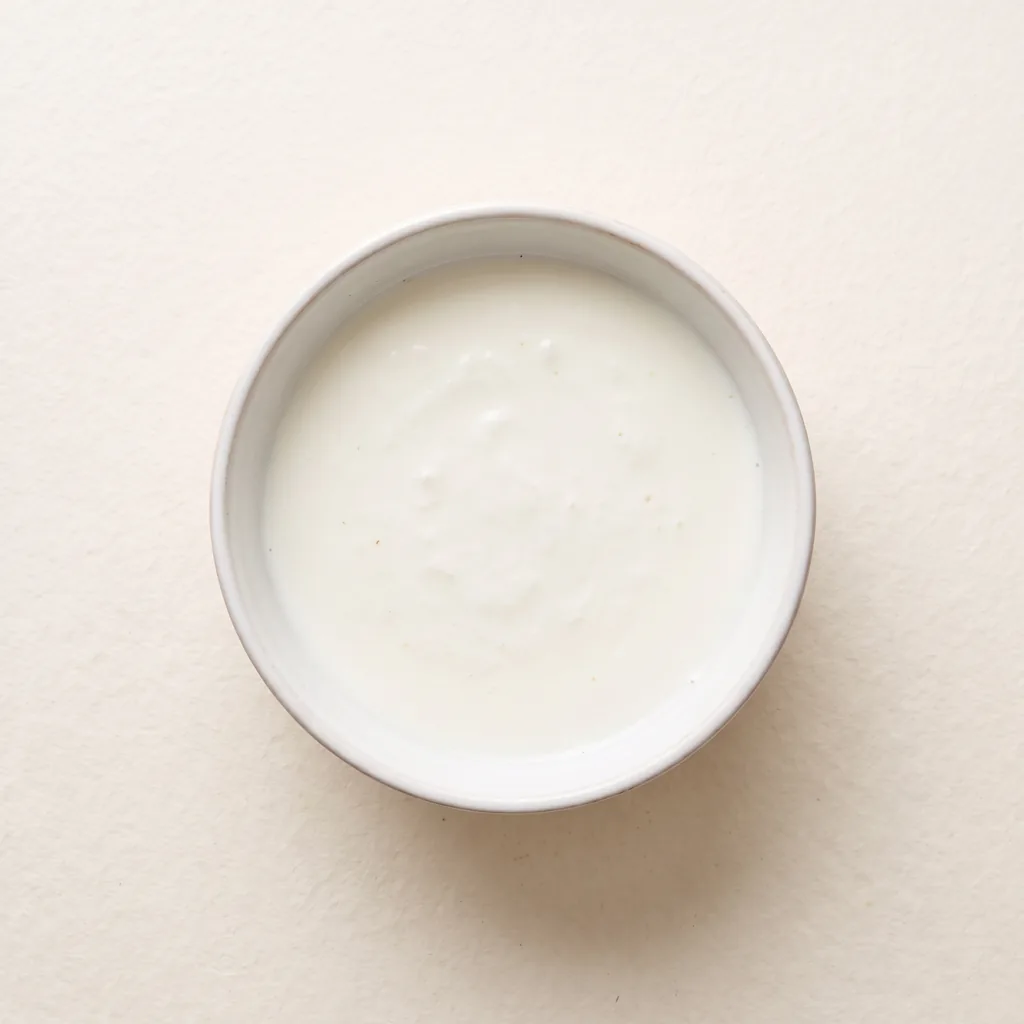
6 monthsMash

Buttermilk prepared for 6 months

Add pasteurized buttermilk to pancakes, baked goods or porridge. Use it in a meat marinade, stir it into mashed vegetables or blend it with minced herbs and spices for a dip. For the first time, add a small amount to food and watch your baby after the first bite. When 5 to 10 minutes pass with no reaction, give the rest at your baby's normal pace. Do not give it as a drink.

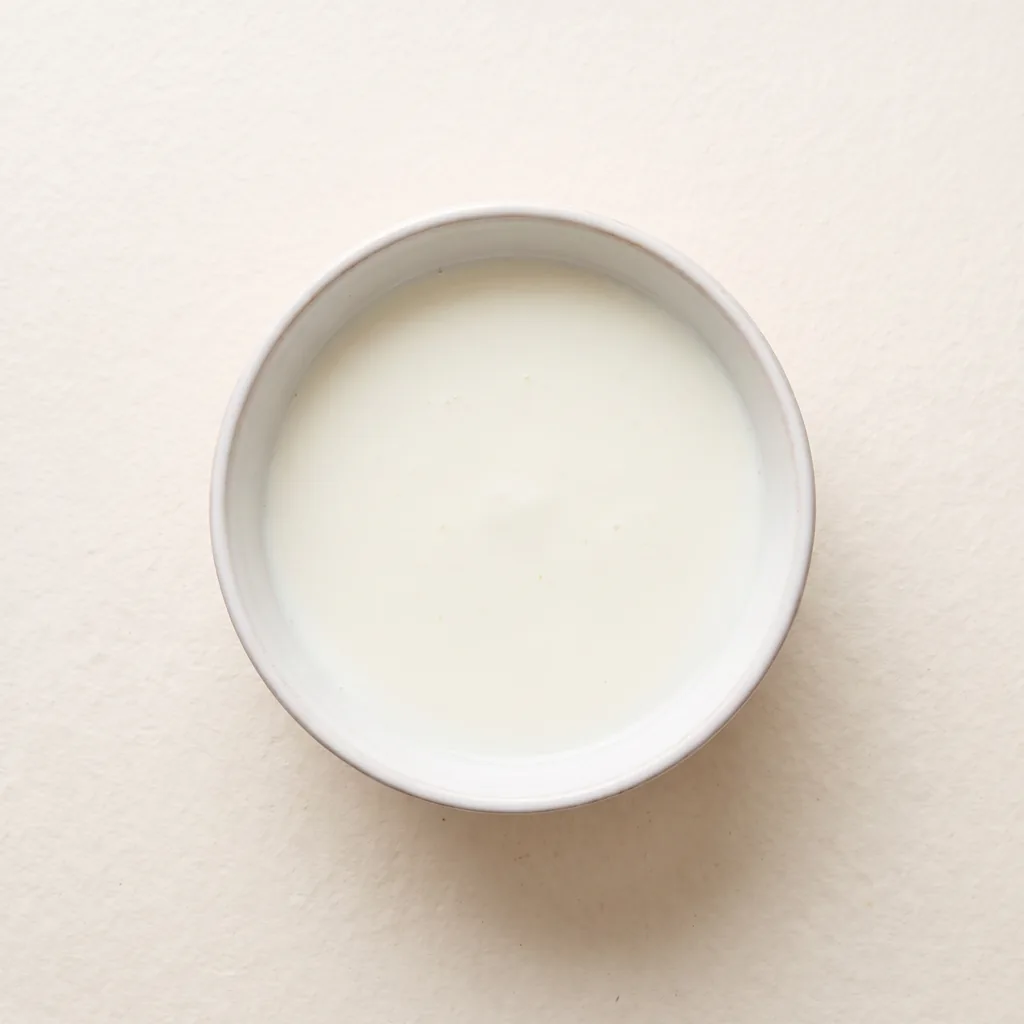
12 monthsMash

Buttermilk prepared for 12 months

You can use buttermilk in meals and also as a drink. As a drink, serve a small amount in an open cup. Being a bit thicker, it runs slower than water or milk, so there is a bit less spilling while your child learns to drink from a cup.

Choking risk

  1. Low
  2. Medium
  3. High

Because buttermilk is a liquid, it does not carry the mechanical choking risks of solid, hard foods.

But liquids can also slip into the airway during swallowing. So do not force buttermilk into your baby's mouth or make them drink it fast.

If you offer it as a drink after 12 months, give small amounts in a cup your baby can control.

When it is used in food, the choking risk depends more on the texture of the dish than on the buttermilk. Crepes, pancakes and other foods should be soft and suit your baby's eating skills.

Your baby should sit upright and supported during meals, eat at their own pace and never be left alone.

Frequently asked questions

Is buttermilk a common allergen?

Because buttermilk contains milk proteins, it is treated as a milk allergen.

How do you prepare buttermilk for babies?

For a 6-month-old: Add pasteurized buttermilk to pancakes, baked goods or porridge. Use it in a meat marinade, stir it into mashed vegetables or blend it with minced herbs and spices for a dip. For the first time, add a small amount to food and watch your baby after the first bite. When 5 to 10 minutes pass with no reaction, give the rest at your baby's normal pace. Do not give it as a drink.

Is buttermilk a choking hazard for babies?

Because buttermilk is a liquid, it does not carry the mechanical choking risks of solid, hard foods.

When can babies have buttermilk?

Once babies are ready for solids, usually around 6 months, small amounts can be used in food. To offer it as a cow's milk based drink, waiting until 12 months is recommended.

Is buttermilk the same as Turkish ayran?

No. Traditional buttermilk is the liquid left over from making butter. Turkish ayran is usually made with yogurt and water.

Is buttermilk nutritious for babies?

It can provide milk proteins, calcium and some B vitamins. But because it is usually low in fat, it is not a direct equivalent of breast milk, formula or full-fat dairy.

Can I give buttermilk made from raw milk?

Raw dairy products that have not had a reliable heat treatment are not suitable for babies. Choose products made from pasteurized milk.

Can a baby with a milk allergy have buttermilk?

No. Buttermilk contains milk proteins. If your baby has a diagnosed milk allergy, do not give it without your doctor's advice.

Is buttermilk lactose-free?

No. Fermentation can lower the amount of lactose, but buttermilk usually contains lactose.

Can I make pancakes with buttermilk?

Yes. You can make fully cooked, soft pancakes with pasteurized buttermilk that has no added salt.

Prepared by the Lokmini team | Last updated November 19, 2026

Share:WhatsApp

Want to add this food to your baby's solid food calendar?

Join Lokmini to learn how this food is served at each age and to keep track of every food your baby tries.

Join Lokmini

Starting Solids

When and how to start solids, and what happens in the first week?

Read the guide

Similar foods

Let's get ready for the first bite together

Lokmini builds a day-by-day plan for your baby's age. Leave your email for new guides and our newsletter.

Start Your Journey