Skip to content
  • Cow's milk allergen
  • Dairy
  • 6 mo+
  • Medium choking risk

Cheese for babies: when to start

Pasteurized cheese can be offered when your baby is about 6 months old and ready for solids. Salt content can be high. A small taste now and then in a balanced diet is fine.

  • Protein
  • Fat
  • Calcium
  • Selenium
  • Zinc
  • Vitamin A
Cheese prepared for a babyAllergen, day 1/3

About cheese

Any kind of milk can be turned into cheese. It is thought to come from the Mediterranean region. Cow, goat and sheep milk are the most common. In eastern Asia, water buffalo and yak milk are used as well. Flavor and texture vary with the milk, the fermenting bacteria and the method.

Nutrition

Most cheeses supply protein and fat, plus calcium, selenium, zinc, vitamin A and vitamin B12. When you shop, pick pasteurized products.

How much cheese

There is no upper limit. You can serve pasteurized cheese every day if you like. Do not fret over the exact amount your baby eats. A baby may eat a lot at one meal and very little at another. Both are fine as long as cheese sits among a variety of foods. Serve salty cheeses like feta and parmesan only now and then.

Also known as: pastörize peynir, yumuşak peynir, yarı sert peynir, cheese

  • Gluten-free
  • Vegetarian
  • Contains dairy

Cheese is offered 3 days in a row

So that any reaction can be linked to the right food, cheese is offered 3 days in a row and no other new food is tried on those days.

  1. 1/3

    First taste

    Start with a small amount in the morning or around midday. Your baby is watched closely for 5 to 10 minutes after the first bite.

  2. 2/3

    Same food, same calm

    Cheese is offered again the same way. No other new food is tried today.

  3. 3/3

    Introduction done

    If no reaction was seen, cheese is now part of your baby's meals. It keeps being offered regularly.

Emergency

If your baby has trouble breathing or swelling of the face or tongue, call 911 (or your local emergency number) right away.

About cheese allergy

FPIES warning

It is one of the known triggers of FPIES (a delayed-onset food allergy). In this condition, repeated severe vomiting, pallor and lethargy may occur, usually 1-4 hours after the food is eaten. Diarrhea may appear later. These symptoms require urgent medical evaluation.

Cheese is usually made from cow's milk. The World Health Organization lists cow's milk among its global priority allergens. About one in five food allergies in young children is to milk. Buffalo, goat and sheep milk products can trigger similar reactions. The good news is that milk allergy often passes with time. Most children outgrow it by age 6.

Aged cheeses contain histamine. Sensitive children may get a rash from it.

Milk is also a frequent cause of a delayed allergy called FPIES. Repeated vomiting and diarrhea appear a few hours after eating. Untreated, it can lead to fluid loss. Most children outgrow it between ages 3 and 5.

Lactose intolerance can be mistaken for an allergy and is rare in babies. Aged cheeses have little lactose.

If you suspect a milk allergy, talk to an allergist before serving cheese. If milk is already safely in your baby's diet, serve cheese freely. If milk has not been tried, start with a very small amount and raise it if no reaction follows.

Signs of an allergy

If you see hives, facial swelling, repeated vomiting or trouble breathing, stop feeding and call a doctor.

How to prepare it by age

6 monthsMash or strip
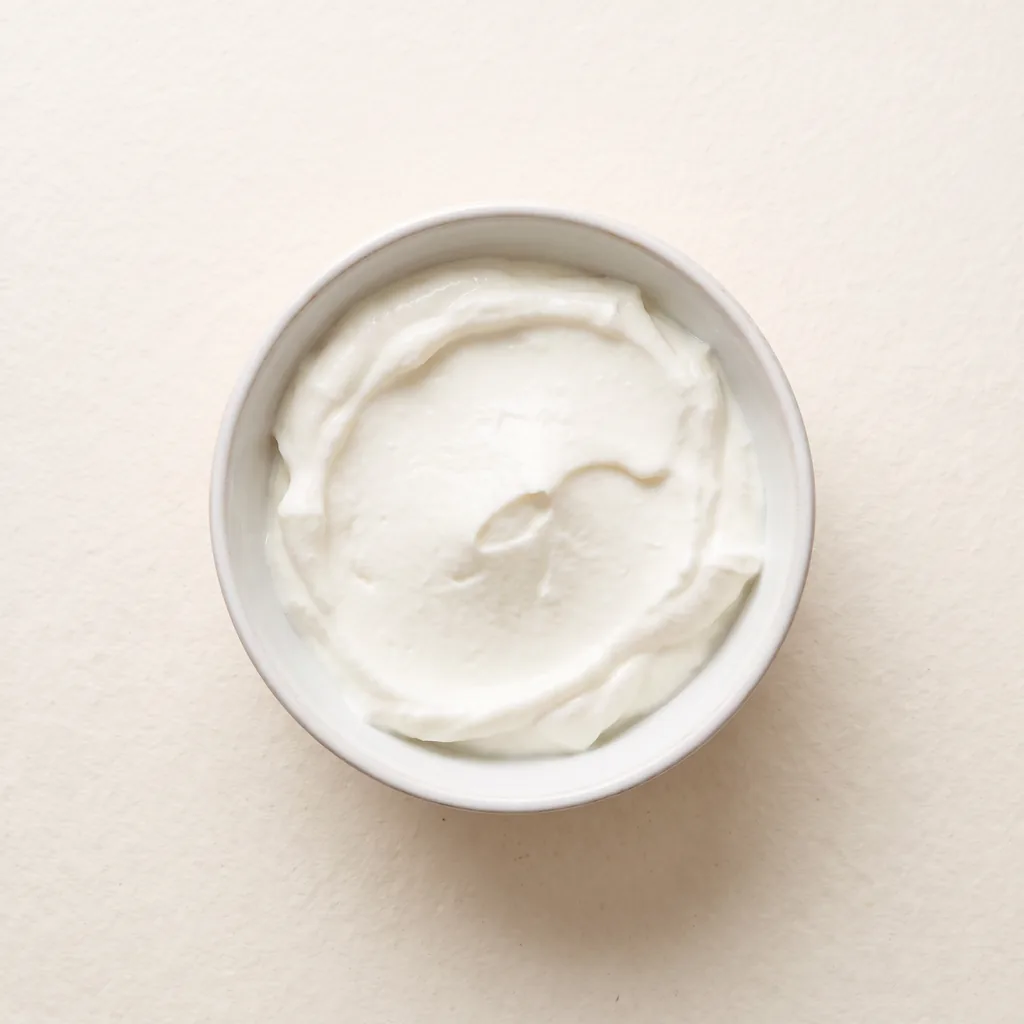
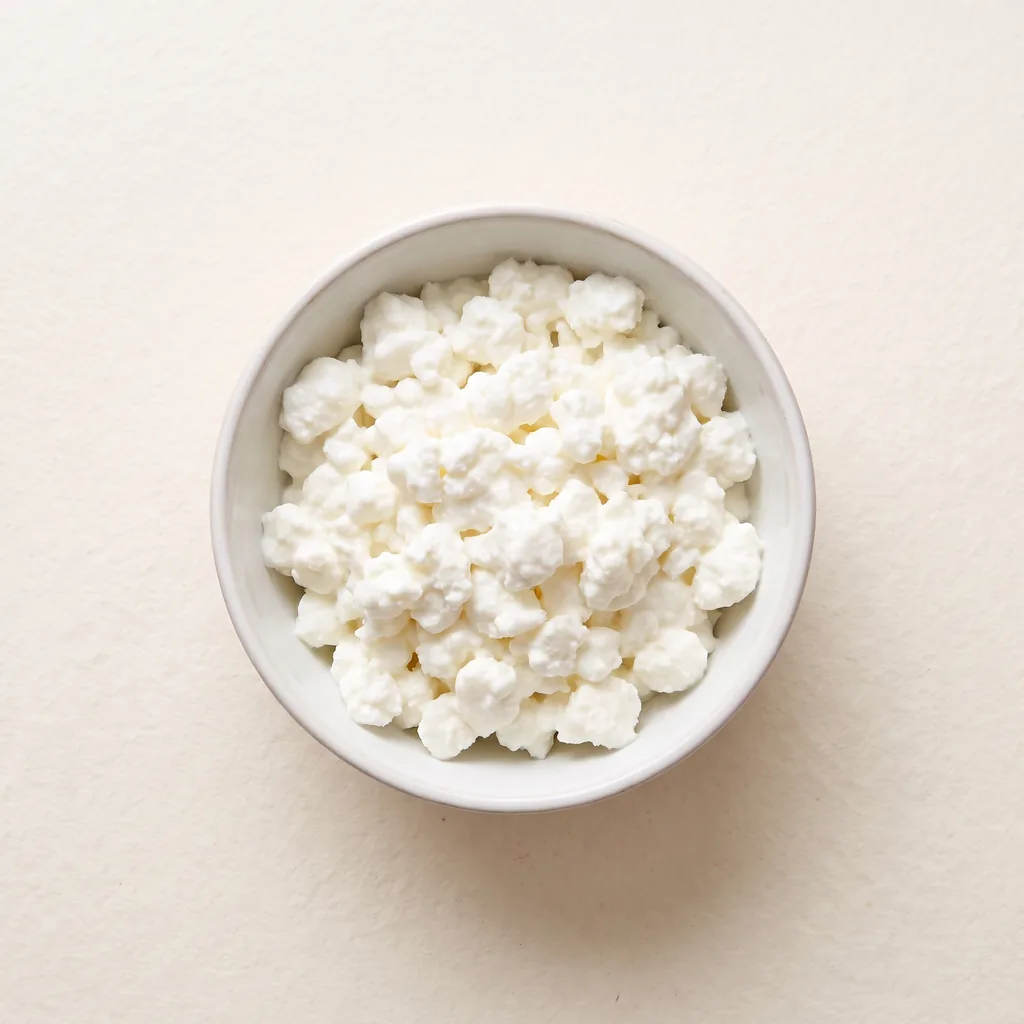
Cheese prepared for 6 months

Spread pasteurized soft cheese thinly on toast or another finger food. You can also put some in a bowl for your baby to scoop by spoon or hand. Avoid mold-ripened, smear-ripened and raw milk cheeses.

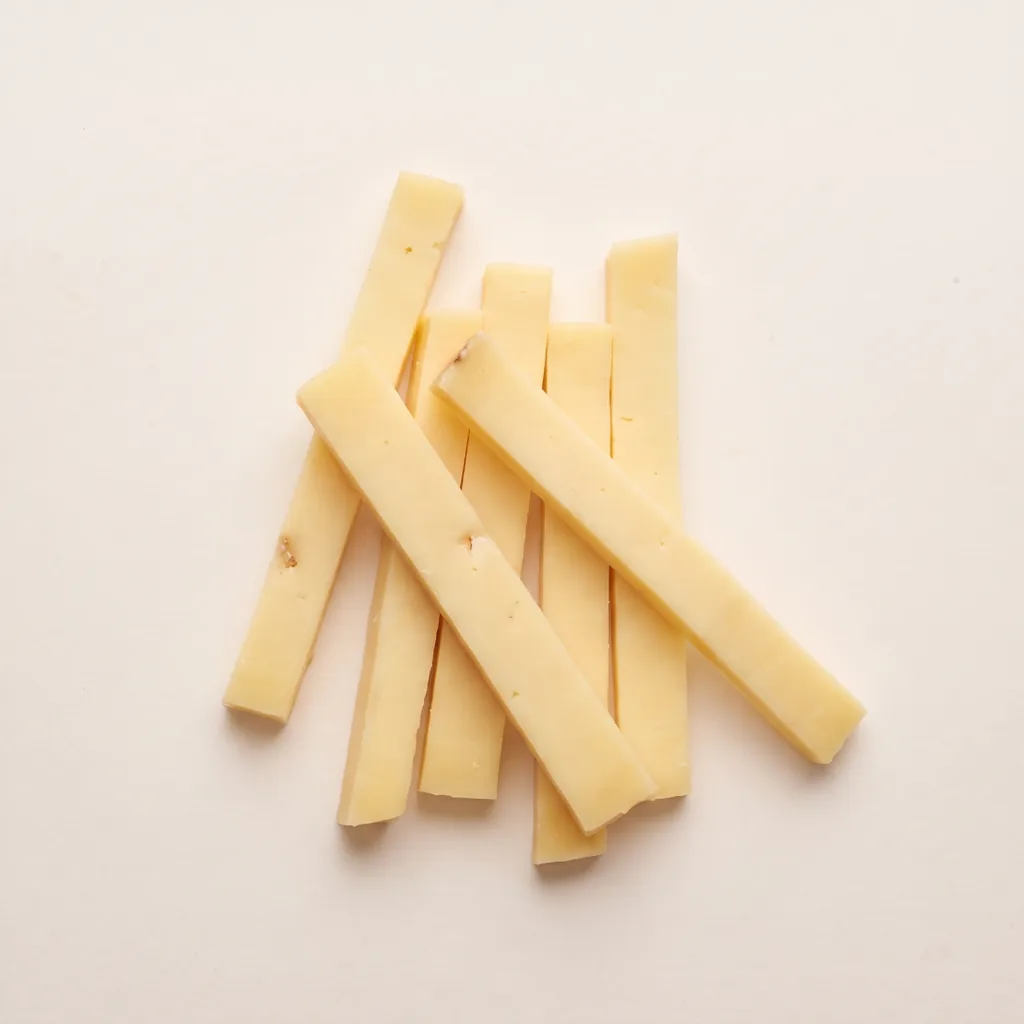
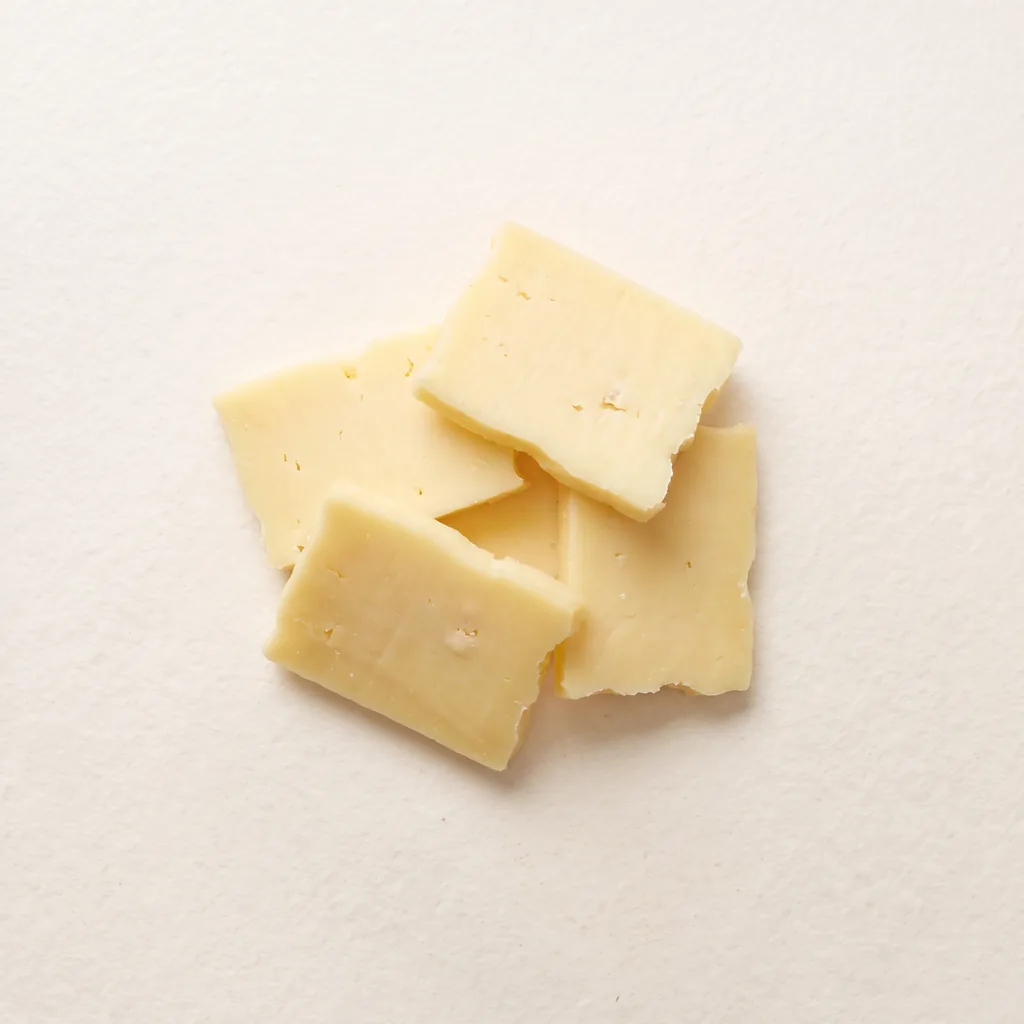
Cut: Finger strip

Cut pasteurized semi-firm cheese into long, thin, flat pieces. Your baby can hold and gnaw them. You can melt shredded cheese into dishes in small amounts, since big melted clumps raise the risk. Do not give cubes or large chunks.
9 monthsCube

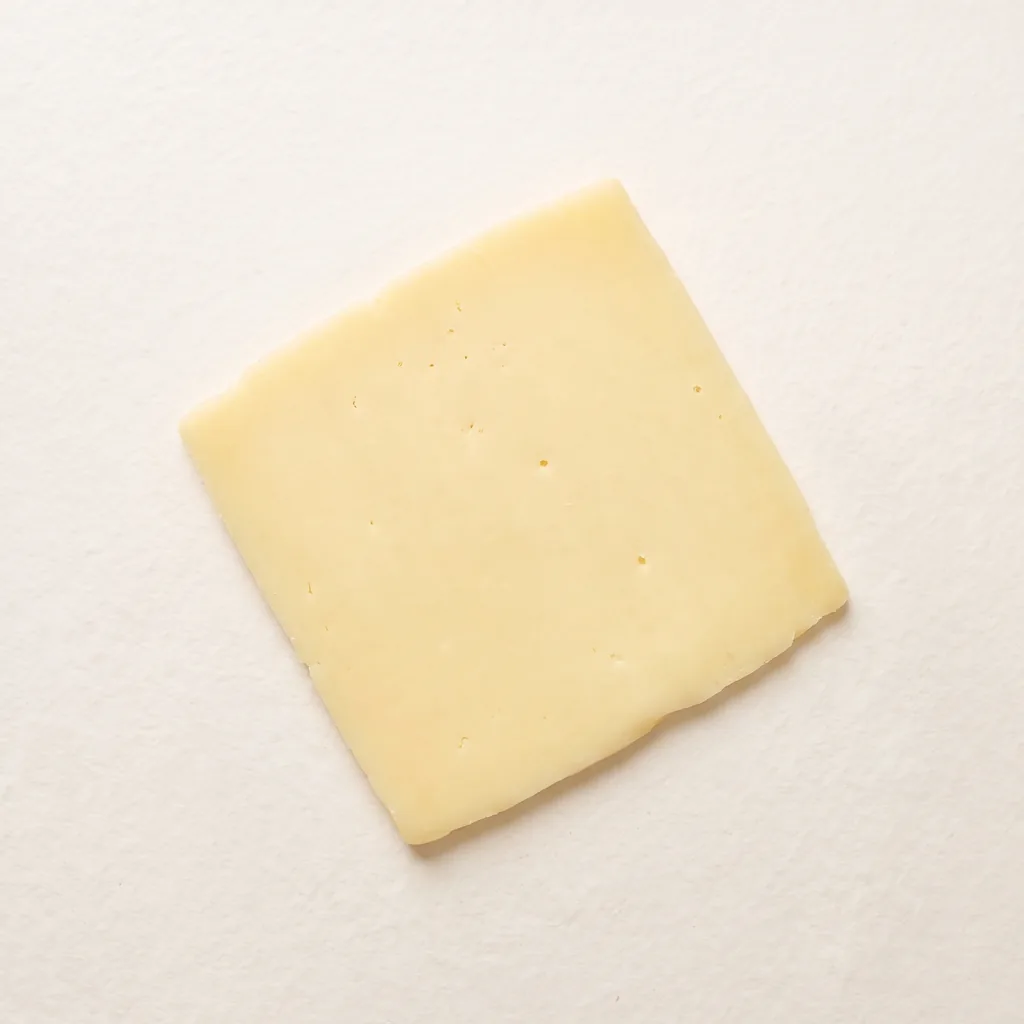
Cheese prepared for 9 months

Cut: Bite sized piece

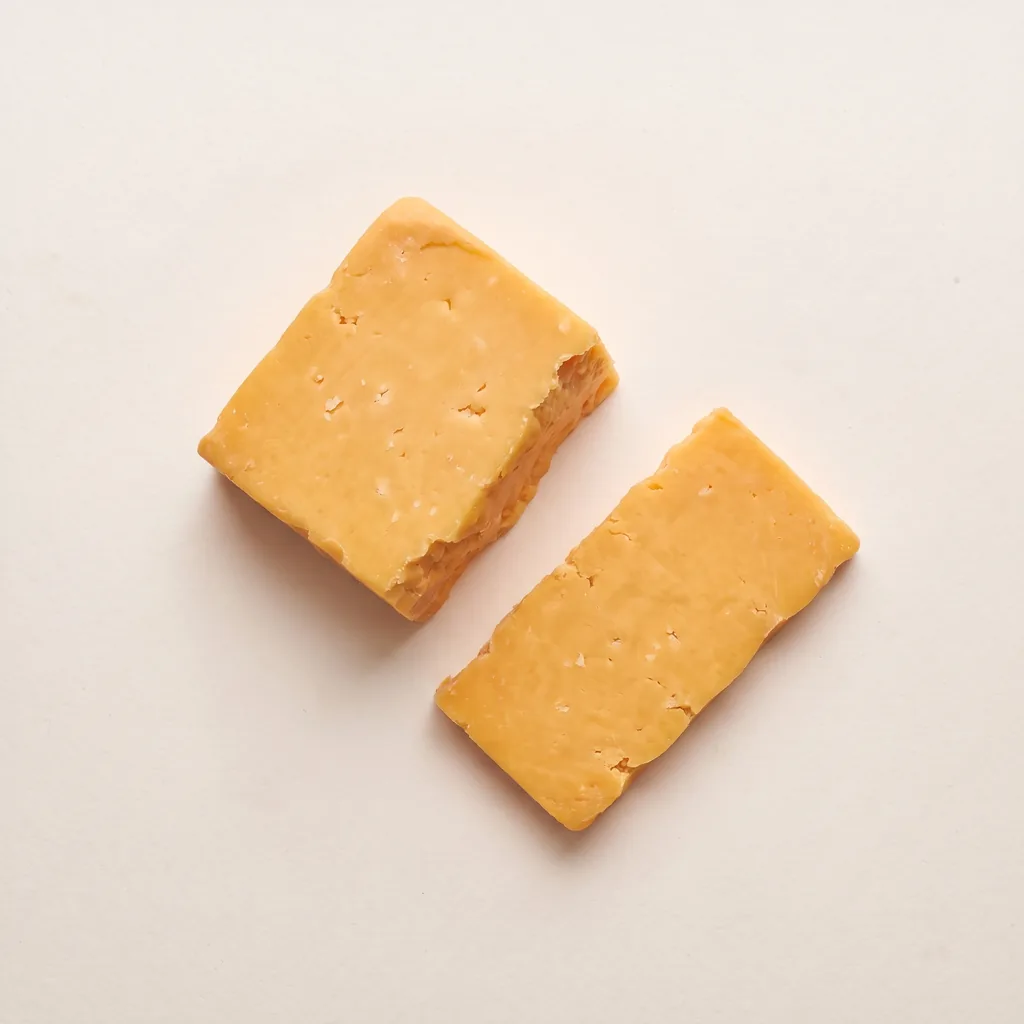
Once your baby develops the pincer grasp, cut bite-sized pieces from a flat slice of cheese. Long flat slices still work for biting. Serve shreds alone or in a dish. Keep avoiding cube shapes.

12 monthsSlice

Cheese prepared for 12 months

Add soft cheese, thinly sliced or melted semi-firm cheese, or grated hard cheese to bread, eggs, vegetables, or grain and bean dishes. You can melt cheese in a thin layer. Remove large melted clumps. Do not serve cheese in a stroller, a car seat or while your child runs around.

Choking risk

  1. Low
  2. Medium
  3. High

Cheese tends to be firm and springy. In the mouth it can turn into a sticky lump. These traits raise choking risk. Prepare cheese to suit your baby's age. Keep your baby within arm's reach during meals.

Forms to avoid

Do not serve cubes of cheese or big melted clumps.

Frequently asked questions

What age can babies eat cheese?

Pasteurized cheese can be offered when your baby is about 6 months old and ready for solids. Salt content can be high. A small taste now and then in a balanced diet is fine.

Is cheese a common allergen?

Cheese is usually made from cow's milk. The World Health Organization lists cow's milk among its global priority allergens. About one in five food allergies in young children is to milk. Buffalo, goat and sheep milk products can trigger similar reactions. The good news is that milk allergy often passes with time. Most children outgrow it by age 6.

How do you prepare cheese for babies?

For a 6-month-old: Spread pasteurized soft cheese thinly on toast or another finger food. You can also put some in a bowl for your baby to scoop by spoon or hand. Avoid mold-ripened, smear-ripened and raw milk cheeses.

Is cheese a choking hazard for babies?

Cheese tends to be firm and springy. In the mouth it can turn into a sticky lump. These traits raise choking risk. Prepare cheese to suit your baby's age. Keep your baby within arm's reach during meals.

Which cheese can my baby eat?

Pasteurized soft and semi-firm cheeses are suitable. Do not give raw milk, mold-ripened or smear-ripened cheeses.

Isn't cheese too salty?

Cheese has some sodium. A baby's sodium needs are low, so serve very salty cheeses like feta and parmesan only now and then.

How much cheese can a baby eat a day?

There is no set limit. You can serve pasteurized cheese daily. Do not worry about the exact amount.

Prepared by the Lokmini team | Last updated November 17, 2026

Share:WhatsApp

Want to add this food to your baby's solid food calendar?

Join Lokmini to learn how this food is served at each age and to keep track of every food your baby tries.

Join Lokmini

Starting Solids

When and how to start solids, and what happens in the first week?

Read the guide

Similar foods

Let's get ready for the first bite together

Lokmini builds a day-by-day plan for your baby's age. Leave your email for new guides and our newsletter.

Start Your Journey