Dietitian's view
It is not recommended to give cow's milk before 12 months.
Lokmini is not a healthcare provider and does not offer health services. For your baby's specific needs, talk to your doctor or a dietitian.
- Cow's milk allergen
- Dairy
- 6 mo+
- Low choking risk
Cow's milk for babies: when to start
Cow's milk falls short of breast milk or formula in nutrition. It does not supply everything a baby needs to grow. A baby's gut may also handle large amounts of cow's milk protein poorly. So do not give it as a drink before the first birthday. A small amount inside a dish such as oatmeal is fine.
- Protein
- Calcium
- Fat
- Vitamin D
- Vitamin B12
- Vitamin A
 Allergen, day 1/3
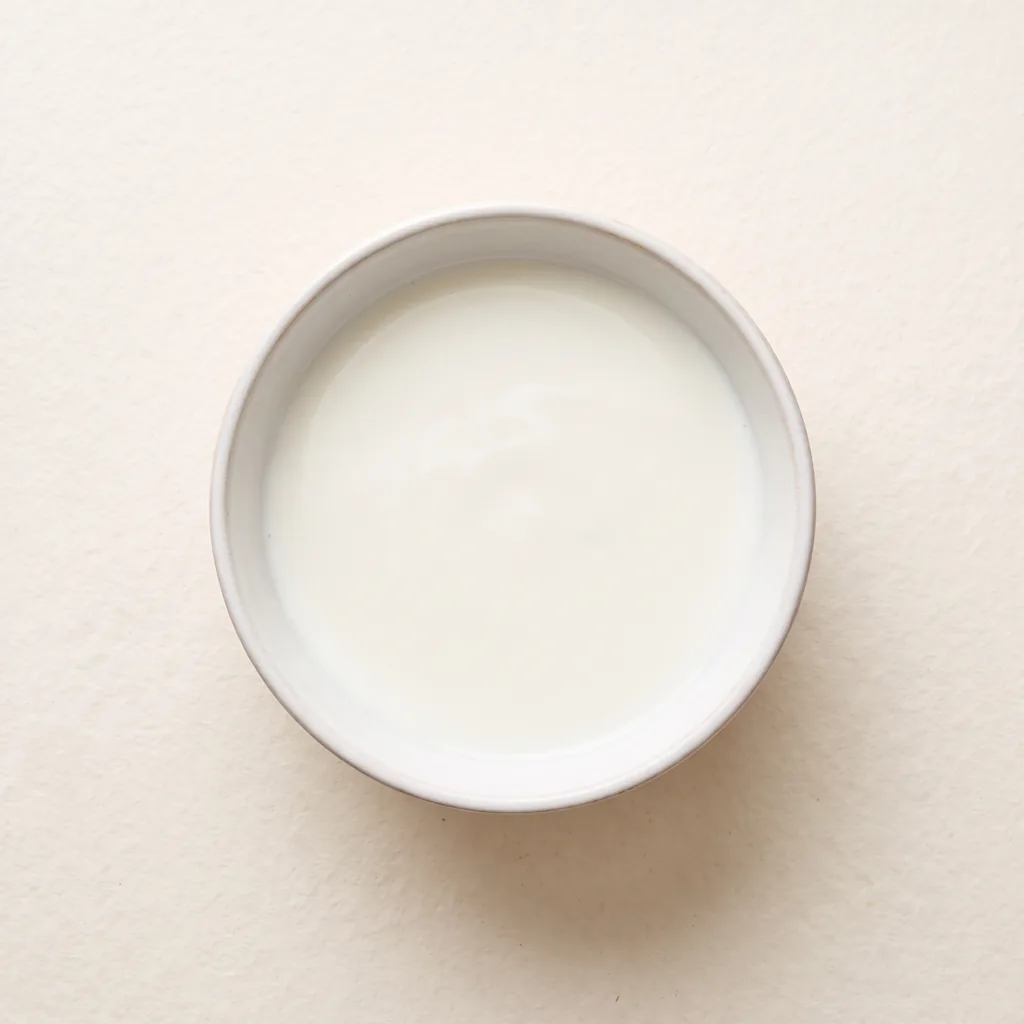
About cow's milk
Cow's milk can be tried inside food from 6 months. As a drink, hold off until 12 months. The same rule holds for the milk of other hooved grazing animals such as goats, sheep and buffalo.
Thousands of mammal species nurse their young. People drink the milk of only a few of them. Cow's milk is the most common.
Also known as: süt, inek sütü, tam yağlı süt, taze süt, pastörize süt
- Gluten-free
- Vegetarian
- Contains dairy
Cow's milk is offered 3 days in a row
So that any reaction can be linked to the right food, cow's milk is offered 3 days in a row and no other new food is tried on those days.
- 1/3
First taste
Start with a small amount in the morning or around midday. Your baby is watched closely for 5 to 10 minutes after the first bite.
- 2/3
Same food, same calm
Cow's milk is offered again the same way. No other new food is tried today.
- 3/3
Introduction done
If no reaction was seen, cow's milk is now part of your baby's meals. It keeps being offered regularly.
Emergency
If your baby has trouble breathing or swelling of the face or tongue, call 911 (or your local emergency number) right away.
About cow's milk allergy
FPIES warning
It is one of the known triggers of FPIES (a delayed-onset food allergy). In this condition, repeated severe vomiting, pallor and lethargy may occur, usually 1-4 hours after the food is eaten. Diarrhea may appear later. These symptoms require urgent medical evaluation.
The World Health Organization counts cow's milk among the common allergens. About one in five food allergies in young children is to milk. Dairy from sheep, goats and buffalo can set off similar reactions.
The good news is that milk allergy often fades with time. Most children with cow's milk allergy outgrow it by age 6. Some babies with mild milk protein allergy (one sign can be painless blood in the stool) can restart milk around the first birthday under a pediatrician's guidance. Many children who cannot drink milk yet can handle it when it is baked thoroughly into a muffin or cake.
Milk is one of the usual triggers of a delayed reaction called FPIES. In FPIES, sudden repeated vomiting and diarrhea begin a few hours after eating. Untreated, it can lead to serious fluid loss. When milk is eaten regularly, it may show up as reflux, weight loss and poor growth. Symptoms usually ease once milk is removed. FPIES that starts early usually clears between ages 3 and 5.
Lactose intolerance can be mistaken for allergy, since it causes bloating, gas, diarrhea and nausea. It is rare in babies and young children, becomes more common with age and may affect as many as 70 percent of people worldwide. Lactose-free dairy is available. Ask your pediatrician with any questions.
When a milk allergy is possible for your baby, see an allergist first. Depending on risk factors, the allergist may order tests or have you give the first serving at the clinic with supervision. Where risk is low, starting at home may be advised. For the first servings give a small amount on its own. If there is no reaction, raise the amount slowly. Once common allergens have been introduced, keep them in the diet, twice a week if possible.
How to prepare it by age
Age-by-age prep is in the Lokmini app
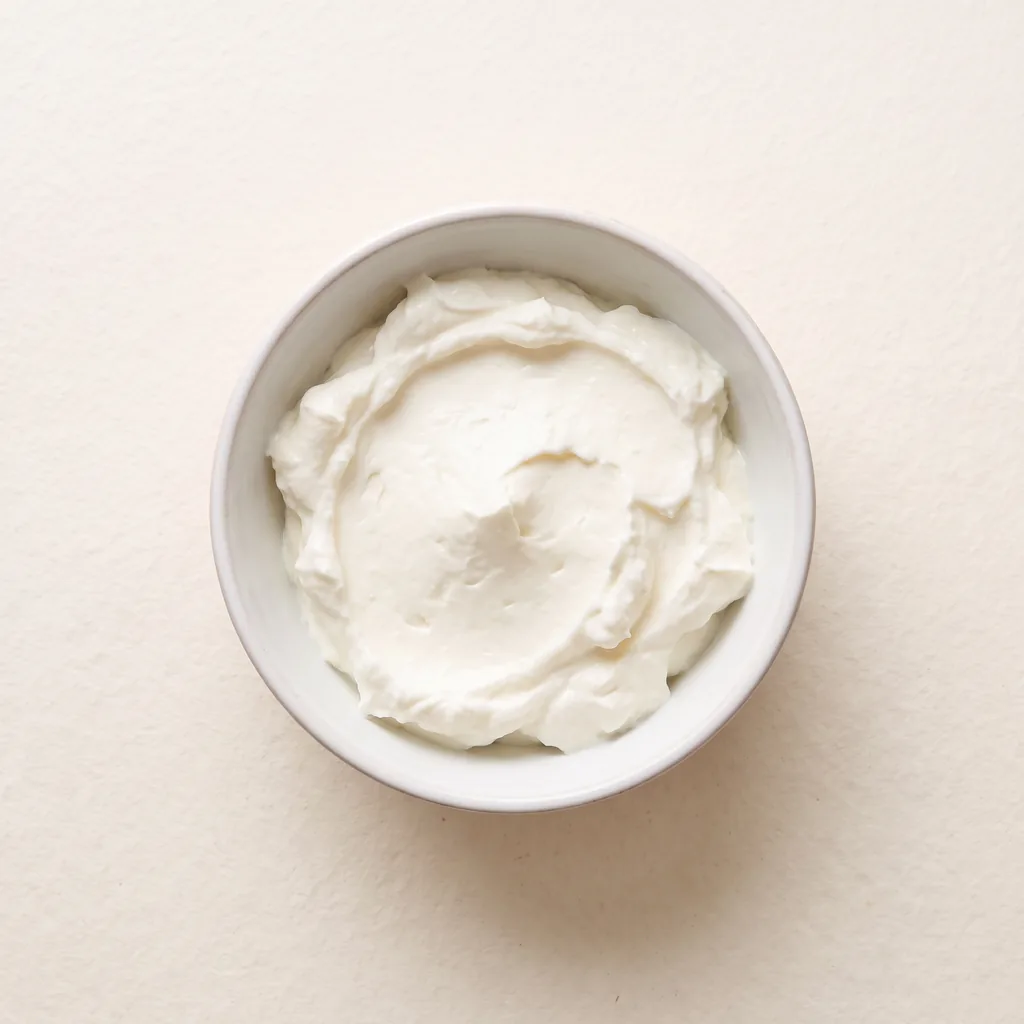
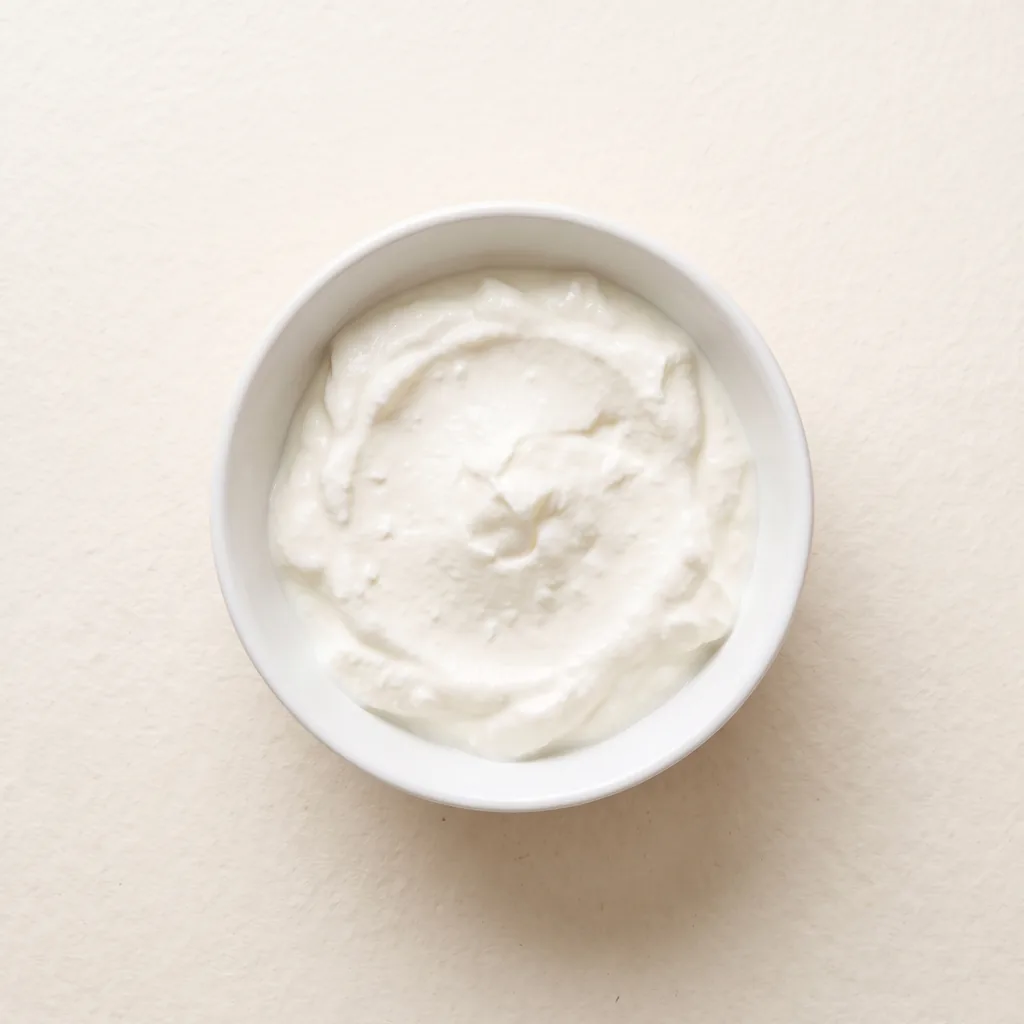
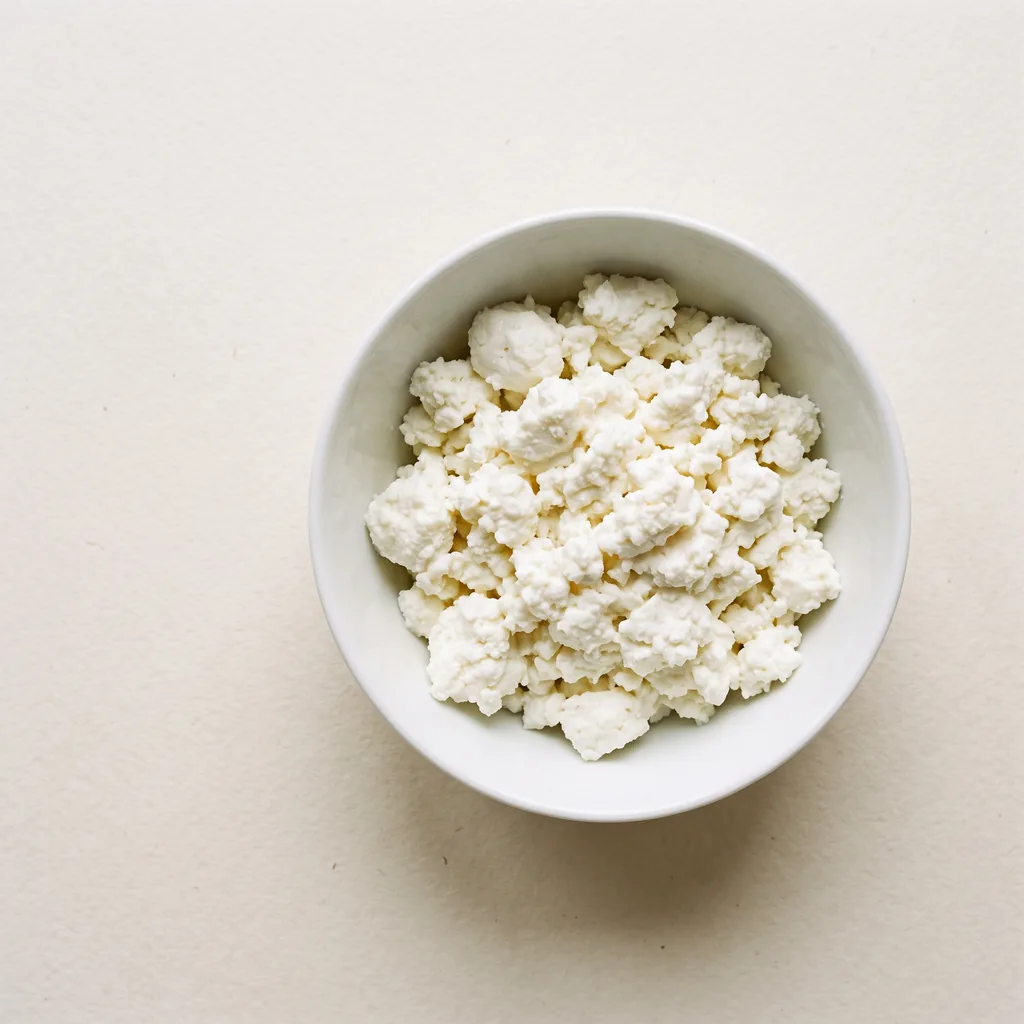
See how to cut, texture and serve cow's milk at 6 and 12 months in the app.
Join LokminiChoking risk
- Low
- Medium
- High
Milk is low risk when it suits the child's age and development. In theory any food can cause choking. Keep the child seated and stay within arm's reach during the whole meal.
Frequently asked questions
What age can babies eat cow's milk?
Is cow's milk a common allergen?
Is cow's milk a choking hazard for babies?
Can a baby drink cow's milk before 12 months?
Can I give raw milk?
Which milk should I pick?
Are goat or sheep milk safer?
Sources
- Nutrients, Review of Infant Feeding: Key Features of Breast Milk and Infant Formula (2016)
- Paediatrics and Child Health, Whole cow's milk in infancy (2003)
- Annals of Allergy, Asthma and Immunology, The epidemiology of milk allergy in US children (2013)
- World Allergy Organization Journal, Lactose intolerance and gastrointestinal cow’s milk allergy in infants and children: common misconceptions revisited (2017)
- World Health Organization (WHO), Guideline for complementary feeding of infants and young children 6-23 months of age (2023)
Prepared by the Lokmini team | Last updated November 18, 2026
Want to add this food to your baby's solid food calendar?
Join Lokmini to learn how this food is served at each age and to keep track of every food your baby tries.