Skip to content

Dietitian's view

Give cranberries seedless and cooked, with care.

Uzm. Dyt. Berk AysanPrepared the latest update, November 14, 2026

Lokmini is not a healthcare provider and does not offer health services. For your baby's specific needs, talk to your doctor or a dietitian.

  • Fruits
  • 6 mo+
  • High choking risk

Cranberry for babies: when to start

Cranberries can start when your baby is ready for solids, around 6 months.

  • Carbohydrates
  • Fiber
  • Water
  • Vitamin C
  • Vitamin E
  • Vitamin K
Cranberry prepared for a baby

About cranberry

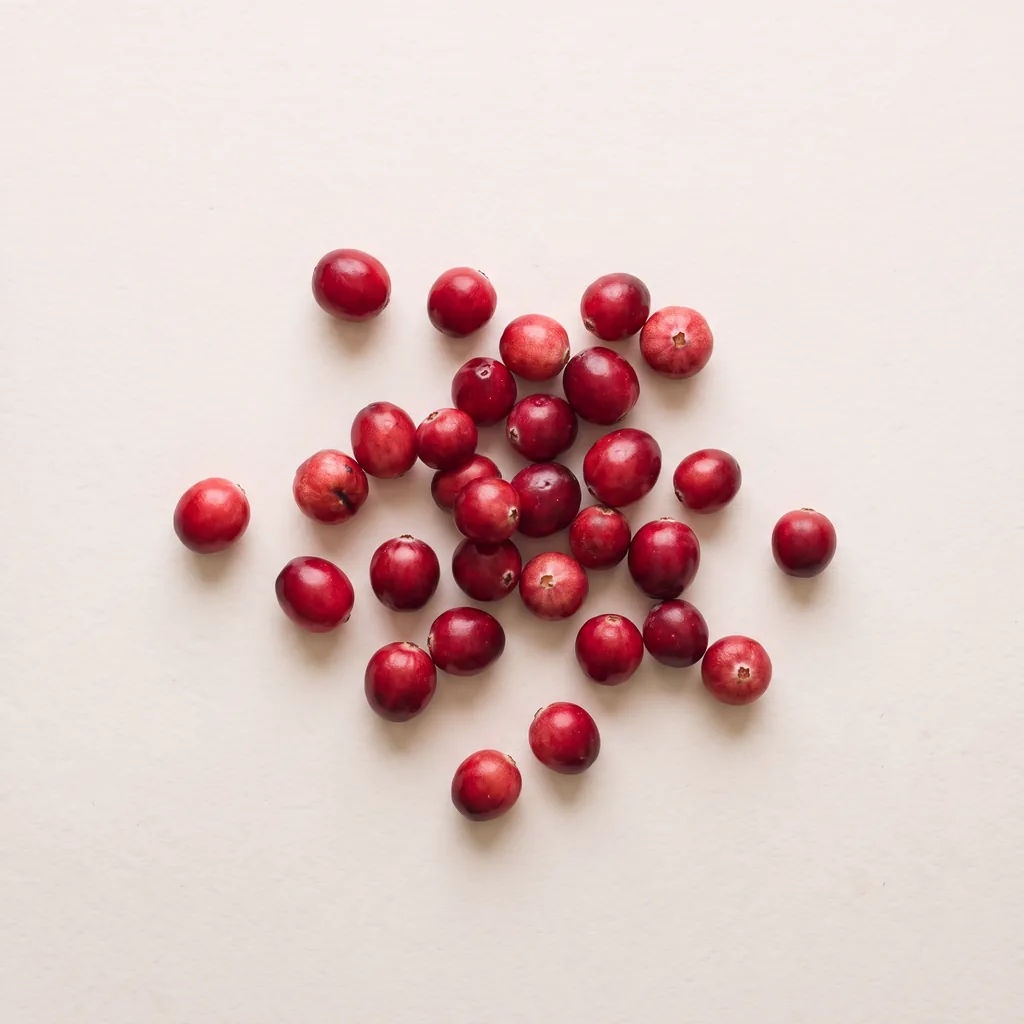
Cranberries are native to boggy regions of the Northern Hemisphere. Today they are grown in moist, well-drained soil in cool climates. They ripen to a rosy red, yet stay firm and extremely tart. Their high acid keeps them fresh a long time. That natural tartness is why cranberry is often paired with sugar today in desserts, juice and sauces.

Nutrition

Cranberries give carbohydrates, fiber and water. They also carry vitamins C, E and K. They are rich in antioxidants such as quercetin and proanthocyanidins.

Also known as: cranberry, kuru kızılcık, kızılcık sosu, kızılcık suyu, turna yemişi

  • Gluten-free
  • Vegan

How to prepare it by age

6 monthsMash

Cranberry prepared for 6 months

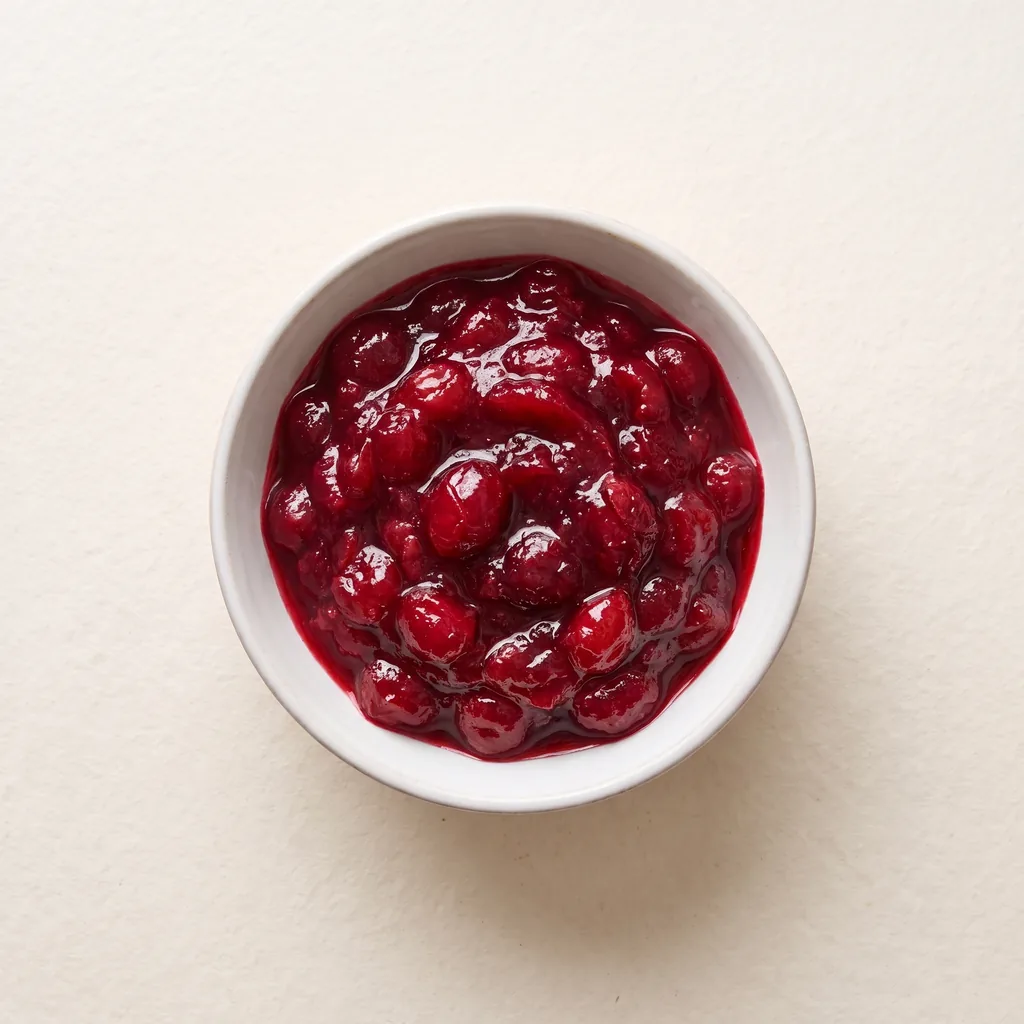
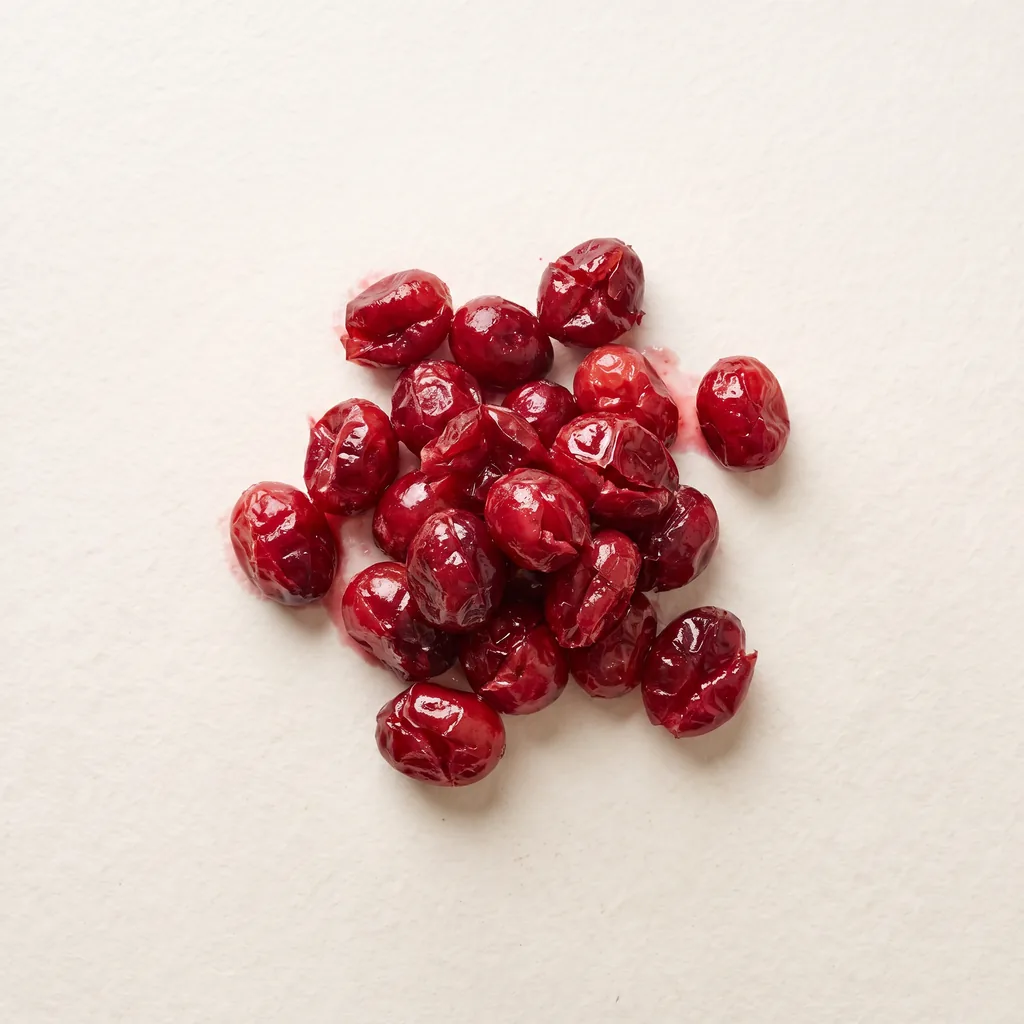
Simmer fresh or frozen berries until they pop. Or mince raw berries finely or blend them, and fold the result into warm porridge, ricotta or yogurt. In pancakes, waffles and baked goods suited to your baby's age, berries can go in whole, since baking softens and bursts them.
9 monthsSlice

Cranberry prepared for 9 months

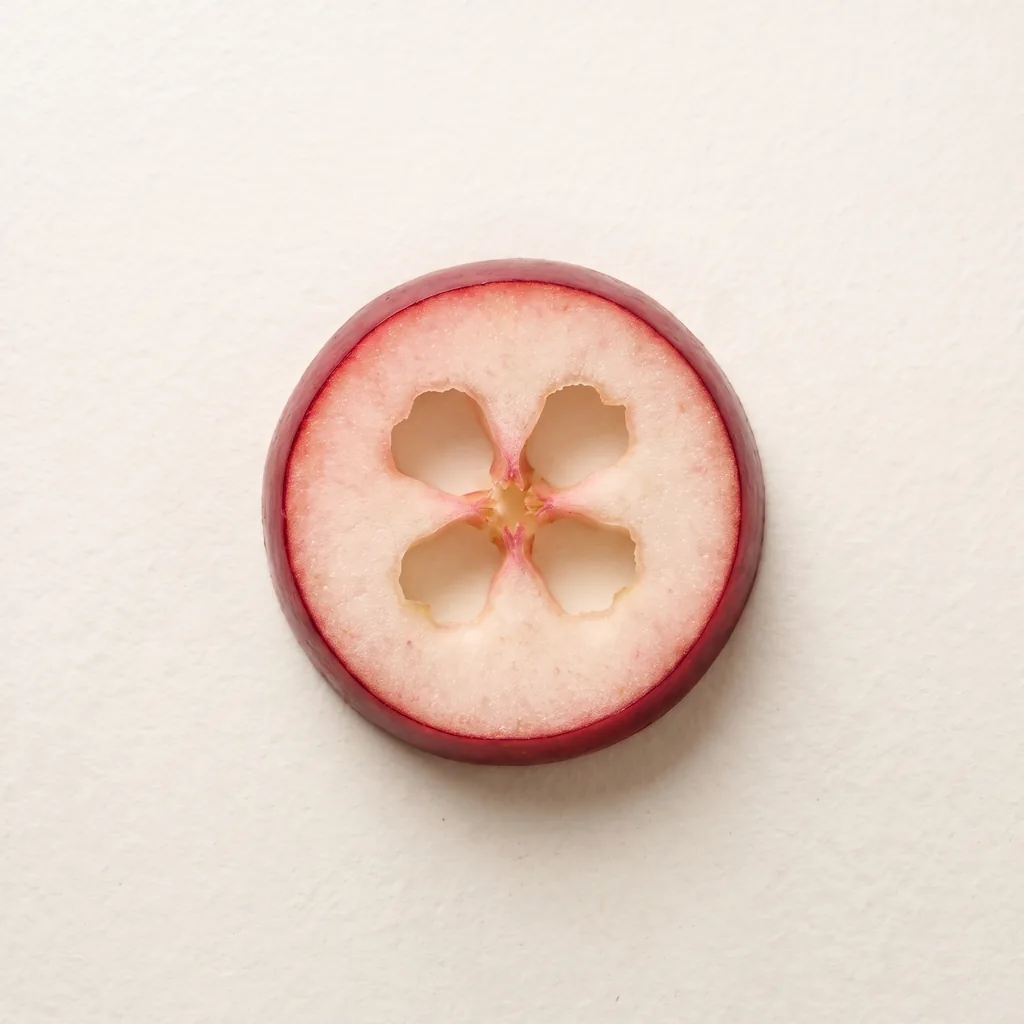
Cut: Flattened

Press cooked or raw cranberries into small discs. Put them straight on the tray. Your baby picks them up with a pincer grasp. Fresh raw cranberries are very firm and must be fully flattened. Babies find flattened raw ones hard to chew and may spit more. You can also serve berries cooked until soft, alone or mixed into other foods.

12 monthsSlice

Cranberry prepared for 12 months

Cut: Flattened

Serve cranberries cooked or fully flattened into discs. Cranberry sauce and baked goods with cranberries also work. Do not serve whole raw cranberries. Whole berries can be considered only after 24 months, if your child chews well every time and does not stuff the mouth.

Choking risk

  1. Low
  2. Medium
  3. High

Cranberries are a choking risk for babies because they are small, round and hard. Do not give whole, raw cranberries. Cook the fruit well until soft, then mash or puree it. Your baby should sit upright for the whole meal and be under your constant watch.

Cutting rule

Do not serve whole raw cranberries. Cook cranberries until fully soft and mash them. As your child's chewing skills develop, you can change the texture step by step. Avoid hard, whole, round fruit.

Allergen information

Cranberry is not a common food allergen, but it can rarely cause allergic reactions. People allergic to some fruits in the same plant family may cross-react, but clinical evidence on this is limited.

Contact rash

Cranberry is acidic and can cause redness around the mouth, especially on sensitive skin. Mild redness only where the fruit touched the skin does not always mean a food allergy. If needed, you can smooth a thin layer of plain petroleum jelly around the mouth before meals.

Sulfite sensitivity

Some processed cranberry products can contain sulfites as preservatives. Sulfites can cause allergy-like symptoms, especially in sensitive people with asthma. Check the ingredient list of ready-made products.

When you offer cranberry for the first time, start with a small amount and watch how your baby responds. If hives, lip swelling or repeated vomiting develop, stop offering it and talk to your doctor or a dietitian. If your baby has trouble breathing, call emergency services right away.

Frequently asked questions

What age can babies eat cranberry?

Cranberries can start when your baby is ready for solids, around 6 months.

Is cranberry a common allergen?

Cranberry is not a common food allergen, but it can rarely cause allergic reactions. People allergic to some fruits in the same plant family may cross-react, but clinical evidence on this is limited.

How do you prepare cranberry for babies?

For a 6-month-old: Simmer fresh or frozen berries until they pop. Or mince raw berries finely or blend them, and fold the result into warm porridge, ricotta or yogurt. In pancakes, waffles and baked goods suited to your baby's age, berries can go in whole, since baking softens and bursts them.
Are cranberries a choking risk?

Yes. They are a choking risk because they are small, round and hard. Cook cranberries until fully soft and serve them mashed.

Can babies have dried cranberries?

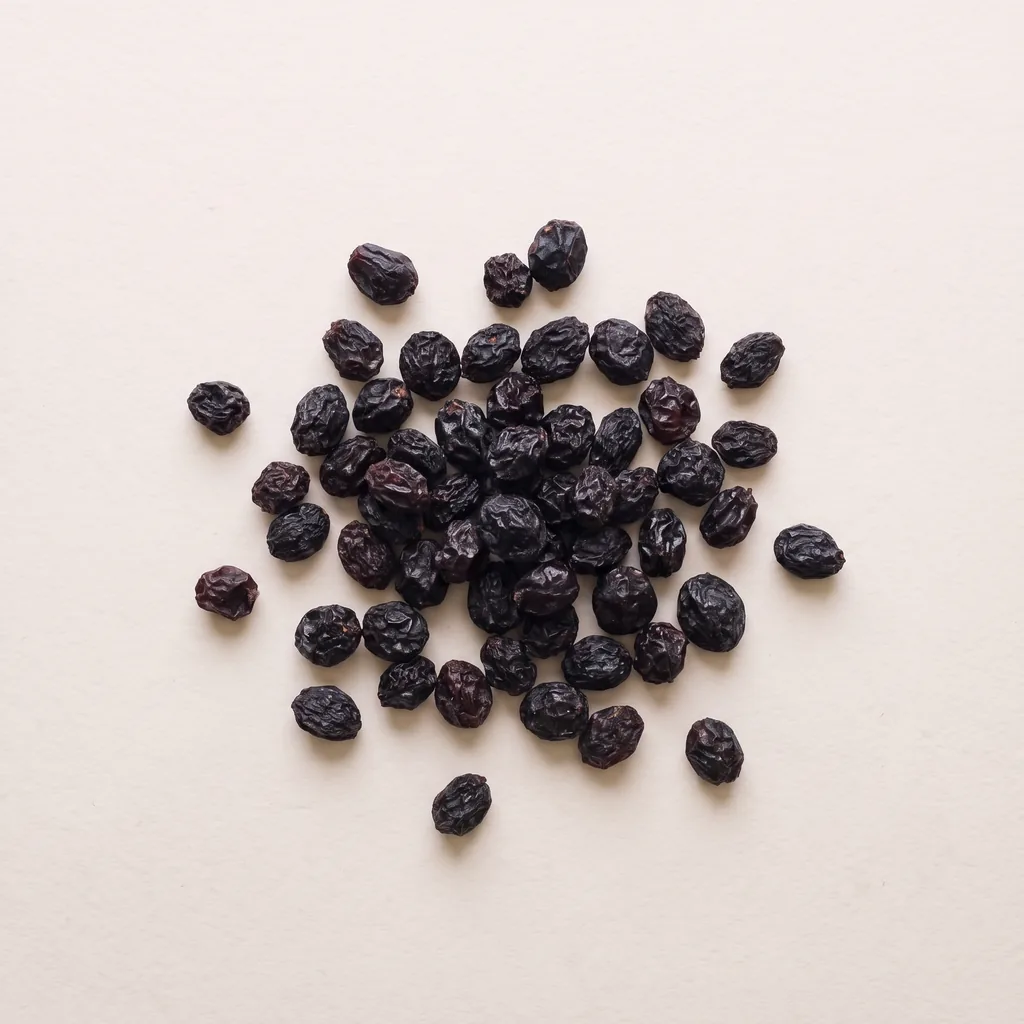
Dried cranberries can be a choking risk because they are hard and sticky. You can soak them in hot water until fully soft and puree them, or chop them very finely and add them to a dish. Do not give whole dried cranberries. Choose products with no added sugar.

Can babies have cranberry juice?

Cranberry juice is not recommended before 12 months. After the first birthday, it can be given now and then, in small amounts and with no added sugar. But it is better to offer the fruit itself instead of juice.
Share:WhatsApp

Want to add this food to your baby's solid food calendar?

Join Lokmini to learn how this food is served at each age and to keep track of every food your baby tries.

Join Lokmini

Starting Solids

When and how to start solids, and what happens in the first week?

Read the guide

Similar foods

Let's get ready for the first bite together

Lokmini builds a day-by-day plan for your baby's age. Leave your email for new guides and our newsletter.

Start Your Journey