6 monthsMash
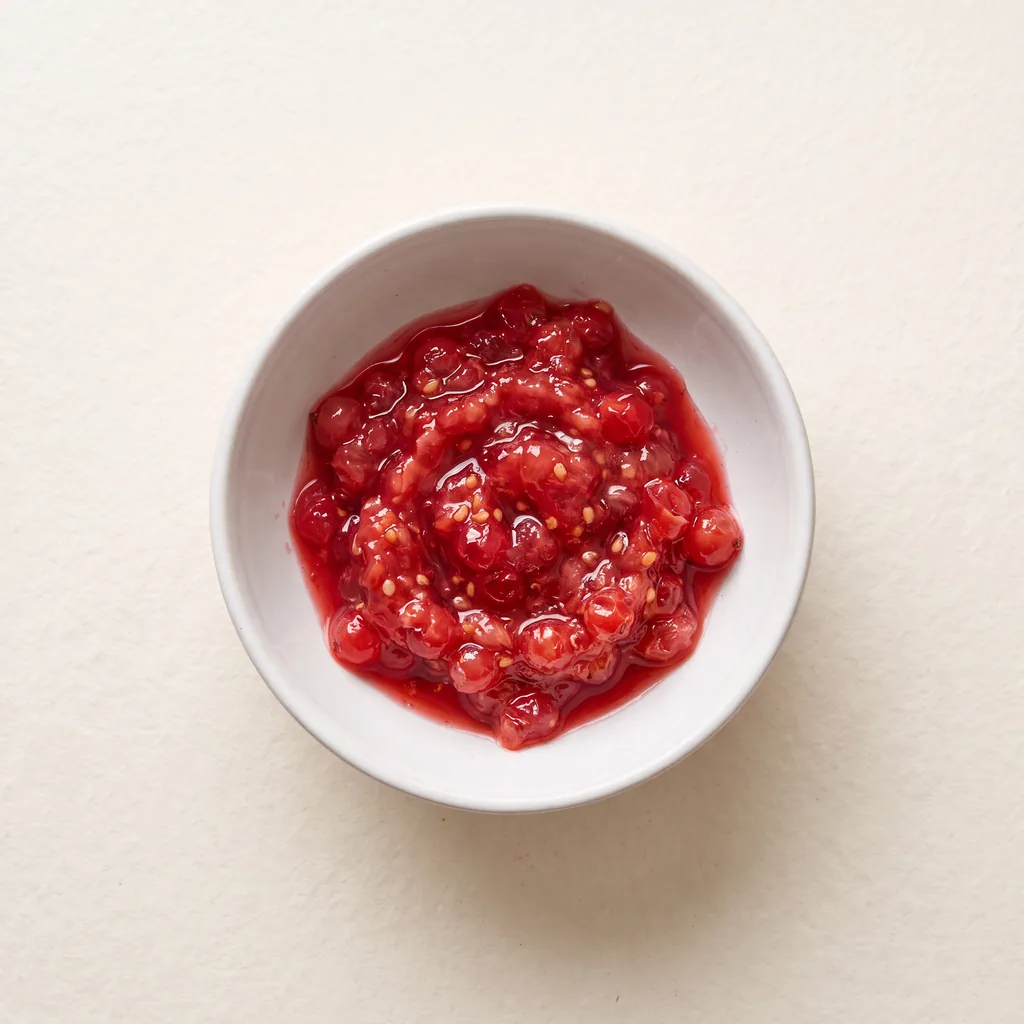
Cut: Fork mashed
Mash fresh berries well with a fork, or cook them briefly until they burst. Stir the fruit into porridge or yogurt and serve on a spoon. If the texture turns out too rough, you can strain it.
Uzm. Dyt. Berk AysanPrepared the latest update, November 14, 2026
Lokmini is not a healthcare provider and does not offer health services. For your baby's specific needs, talk to your doctor or a dietitian.
Currants (Ribes spp.) can be offered when your baby is around 6 months old and ready for solids. Because the berries are small and round, it is safer at first to serve them mashed, pureed or cooked.
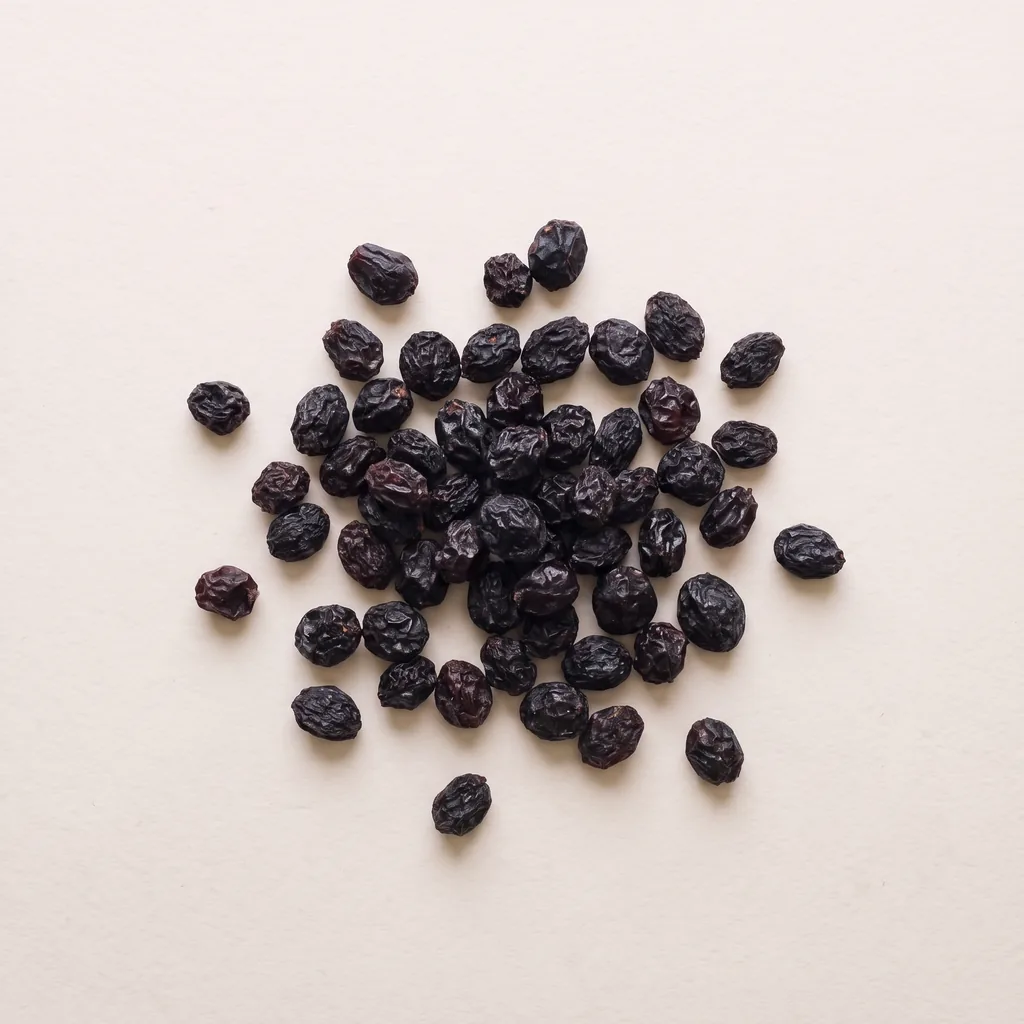
Currants grow in cooler regions of Europe, Asia and North America. There are red, black, white and pink varieties. They usually taste sour. The small dried grapes sold in Türkiye as kuş üzümü are a different fruit.
Currants contain water, carbohydrates, fiber, vitamin C and potassium. They also provide various B vitamins, minerals and plant compounds with antioxidant properties.
Black currants stand out for vitamin C and anthocyanins.
Handy tip
Wrapped loosely and kept in the fridge, they stay fresh for about 6 days.
Also known as: kuş üzümü, siyah frenk üzümü, kırmızı frenk üzümü, ribes, cassis
6 monthsMash
Cut: Fork mashed
Mash fresh berries well with a fork, or cook them briefly until they burst. Stir the fruit into porridge or yogurt and serve on a spoon. If the texture turns out too rough, you can strain it.
9 monthsCube
Cut: Flattened
Press each berry flat with a finger to make a small disc. Set them on the tray and let your baby try picking them up with a pincer grasp. You can keep serving crushed or cooked berries with soft foods.
12 monthsCube
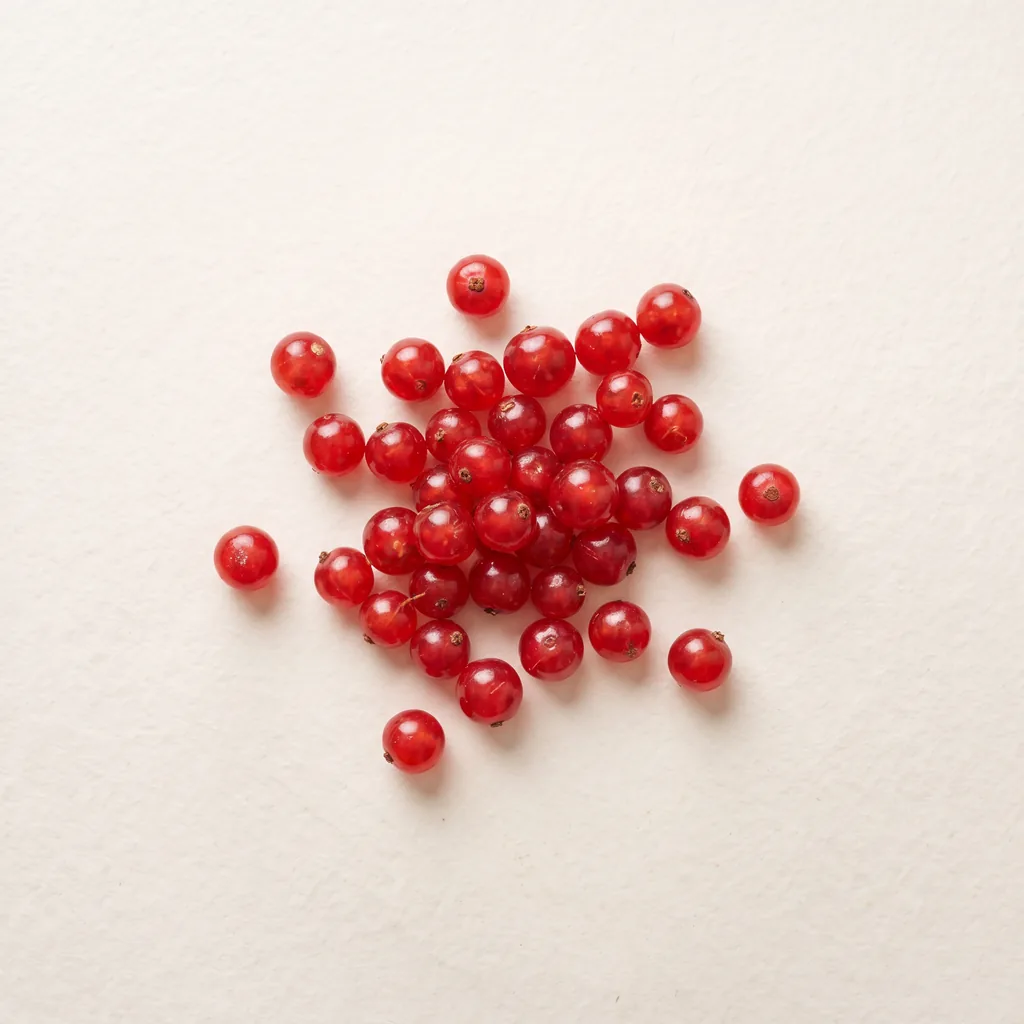
If your child chews well and does not stuff the mouth, you can offer whole fresh berries. Give one at a time, show how to squash it with the teeth, and stay close. Offer more as you see them eating safely. Scattering the berries on the tray slows eating down.
Currants are small, round and slippery, so they are a choking risk for babies. Whole berries in particular can block the airway.
To lower the risk, mash the fruit well or cook it until soft in the early months. From 9 months, you can serve the berries flattened. For whole berries, your child's chewing skills matter, not just age.
Your baby should sit upright for the whole meal and stay within your arm's reach.
Take care
Do not give whole currants before 12 months. After that, it is still safer to mash or flatten the small, round berries. Do not put a handful of fruit in front of your child at once.
Currants are not a common allergen, but they can rarely cause allergic reactions. Some people with pollen allergy may feel itching, tingling or burning in the mouth. This is known as pollen food allergy syndrome and is rare in babies. Cooking the fruit may lessen some allergic reactions, but it does not stop them completely.
When you give your baby currants for the first time, start with a small amount and watch how they respond. If there are no problems, you can raise the amount over time. If hives, swelling or repeated vomiting develop, stop offering them and talk to your doctor or a dietitian. If your baby has trouble breathing, call emergency services right away.
Join Lokmini to learn how this food is served at each age and to keep track of every food your baby tries.
Lokmini builds a day-by-day plan for your baby's age. Leave your email for new guides and our newsletter.
Start Your Journey