Skip to content

Dietitian's view

You can give dill finely chopped after washing it well.

Uzm. Dyt. Berk AysanPrepared the latest update, November 14, 2026

Lokmini is not a healthcare provider and does not offer health services. For your baby's specific needs, talk to your doctor or a dietitian.

  • Herbs and spices
  • 6 mo+
  • Low choking risk

Dill for babies: when to start

Dill can be added to meals when your baby is ready for solids, usually around 6 months.

  • Vitamin C
  • Fiber
  • Phenolic acids
  • Flavonoids
Dill prepared for a baby

About dill

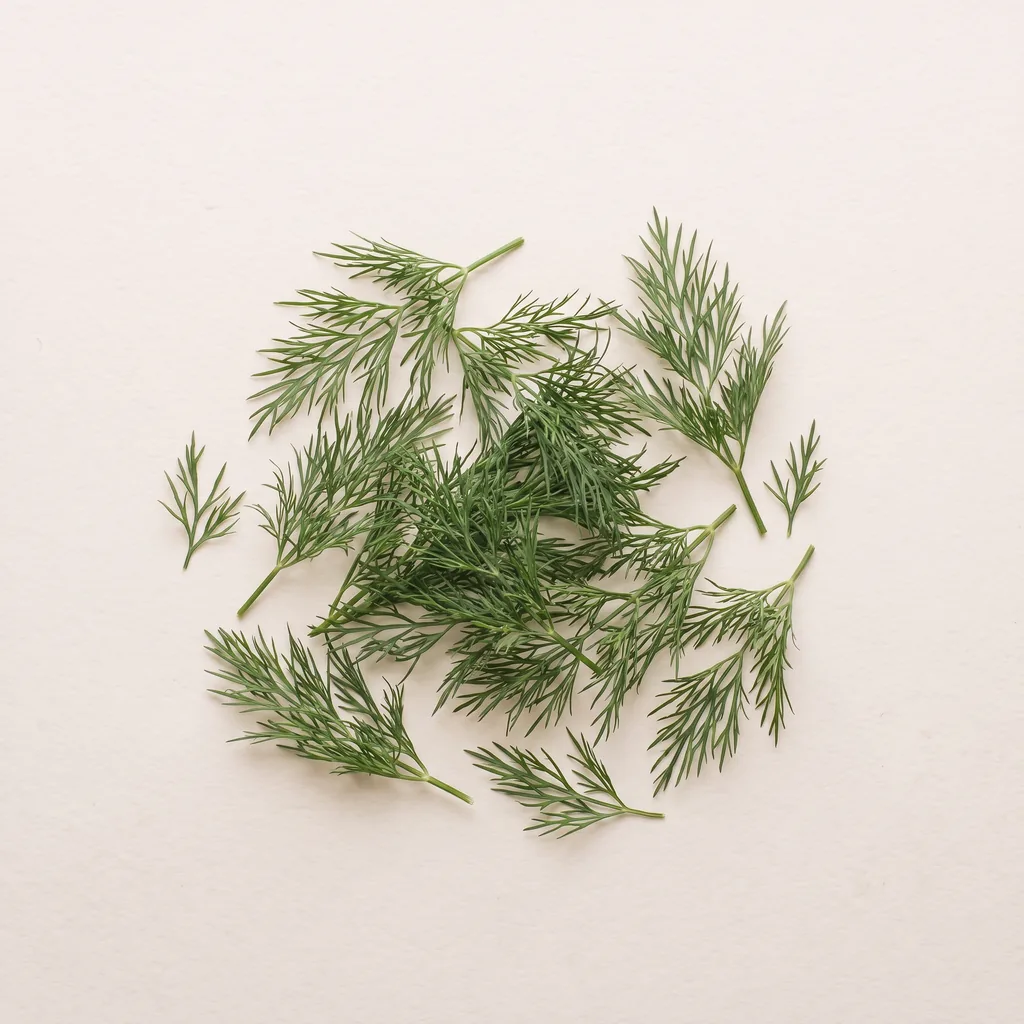
Dill is an aromatic herb from the Mediterranean region and Western Asia, known for its thin, feathery leaves. Its leaves and dried seeds are used in cooking. Its light, fresh aroma adds flavor especially to yogurt, vegetable dishes, soups and vegetables cooked in olive oil.

You can use small amounts to help your baby get to know different flavors.

Nutrition

Dill contains vitamin C, beta carotene, folate and various minerals. But it is usually used in small amounts in food, so it adds little to your baby's daily nutrient needs.

It also contains plant compounds such as flavonoids and phenolic compounds. Experimental studies have looked at the antioxidant and antimicrobial properties of these compounds.

There is not enough clinical evidence that dill reduces gas or improves digestion in babies.

Also known as: dere otu, taze dereotu, kuru dereotu, dereotu tohumu

  • Gluten-free
  • Vegan

How to prepare it by age

6 monthsMash

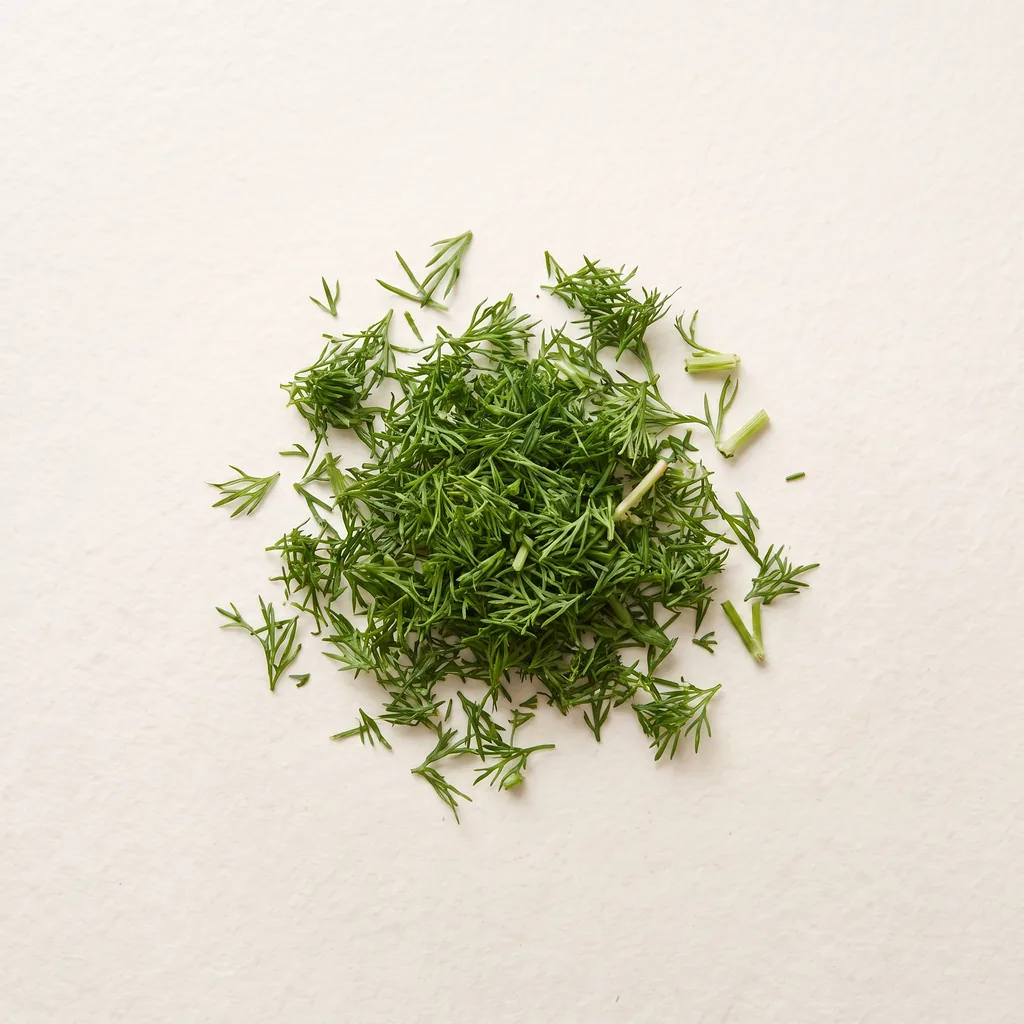
Dill prepared for 6 months

Cut: Finely chopped

Chop fresh dill very finely. Stir it into a sauce for cooked vegetables or into a meat dish. A soft stem can go into the chop with the leaves. Use leaves alone when the stem is woody and tough. Dried dill or dill powder works too.
12 monthsCube

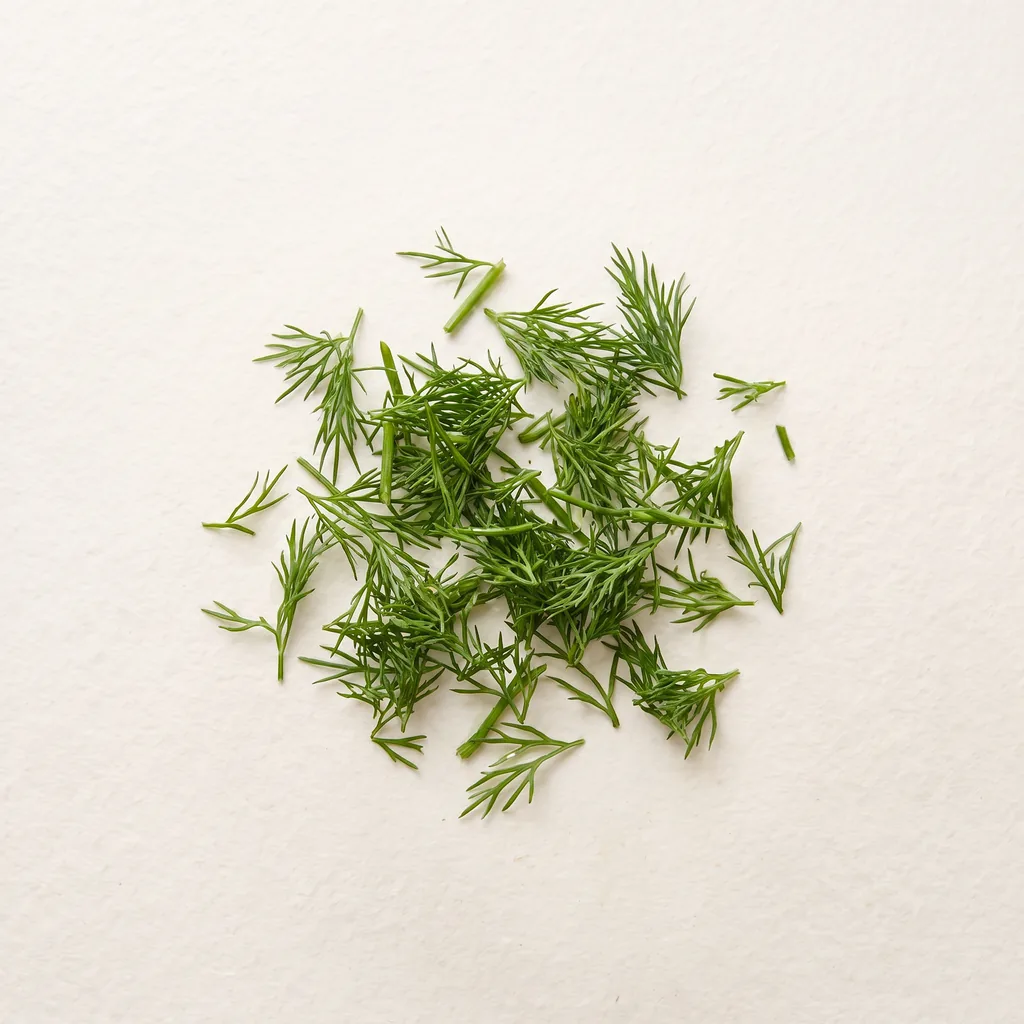
Dill prepared for 12 months

Add fresh, dried or powdered dill to meals the way you usually do. Whatever size of fronds a recipe asks for, big pieces can make a toddler gag. Keep an open cup of water or milk handy and invite a sip if a bit feels uncomfortable.

Choking risk

  1. Low
  2. Medium
  3. High

Dill is an herb with a low choking risk when prepared properly.

Long stems and large pieces of leaf can make it harder for your baby to manage food in the mouth. So chop the leaves finely, set aside tough stems and, ideally, mix it into moist foods.

Make sure your baby sits upright during meals, and do not leave them unattended.

Allergen information

Dill is not one of the common food allergens. But it can rarely cause allergic reactions.

It belongs to the parsley family (Apiaceae). People allergic to plants in the same family, such as carrot, celery, coriander, cumin and fennel, may cross-react. But an allergy to one of these foods does not mean an allergy to dill will always develop.

Symptoms such as itching or tingling in the mouth, linked to some pollen allergies, can occur. Cooking may lessen the effect of some allergens, but it does not reliably stop allergic reactions.

Rarely, skin irritation or redness can appear after contact with dill. If there are clear signs of an allergic reaction, stop offering it and talk to your doctor or a dietitian.

Frequently asked questions

Is dill a common allergen?

Dill is not one of the common food allergens. But it can rarely cause allergic reactions.

How do you prepare dill for babies?

For a 6-month-old: Chop fresh dill very finely. Stir it into a sauce for cooked vegetables or into a meat dish. A soft stem can go into the chop with the leaves. Use leaves alone when the stem is woody and tough. Dried dill or dill powder works too.
Is dill a choking hazard for babies?

Dill is an herb with a low choking risk when prepared properly.

When can babies eat dill?

When babies are ready for solids, usually around 6 months, you can add small amounts to their meals.

Can I use dill stems?

Yes. You can chop the soft stems finely and use them. Set aside the tough, thick stems.

Can I give my baby dill tea or dill essential oil?

Dill tea is not routinely recommended for babies. Do not give dill essential oils or concentrated extracts because of safety risks.

Can dill cause a skin rash?

Rarely, contact irritation or an allergic reaction can happen. If redness appears after contact, gently clean the area and keep an eye on the symptoms.
Share:WhatsApp

Want to add this food to your baby's solid food calendar?

Join Lokmini to learn how this food is served at each age and to keep track of every food your baby tries.

Join Lokmini

Starting Solids

When and how to start solids, and what happens in the first week?

Read the guide

Similar foods

Let's get ready for the first bite together

Lokmini builds a day-by-day plan for your baby's age. Leave your email for new guides and our newsletter.

Start Your Journey