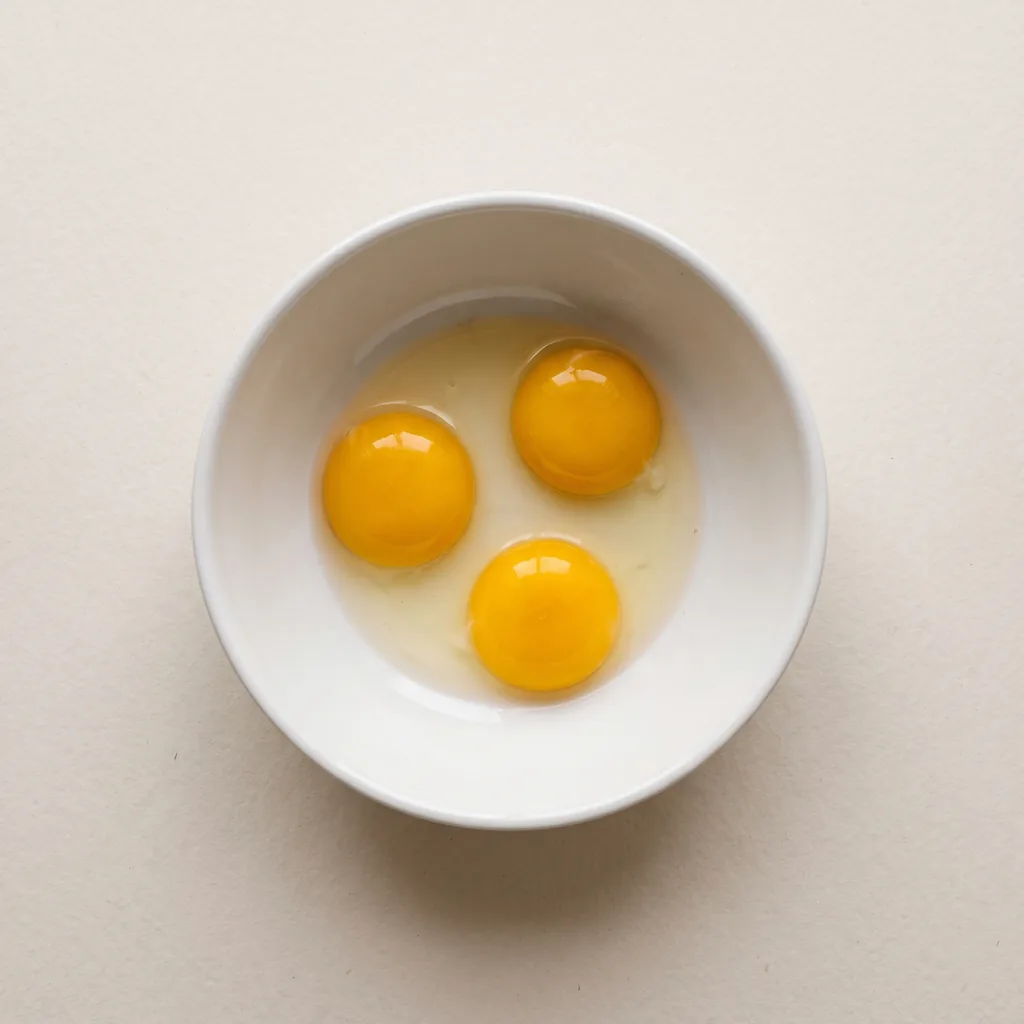
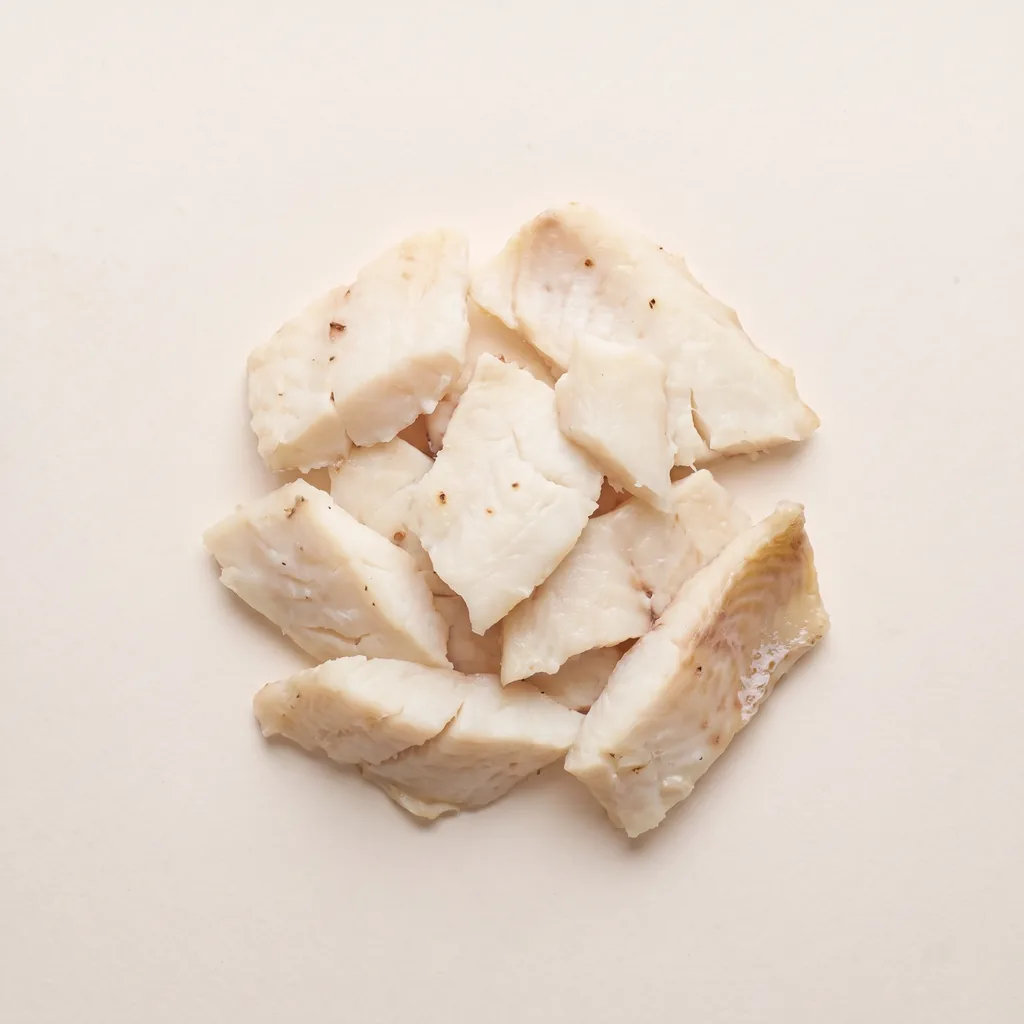
6 monthsStrip
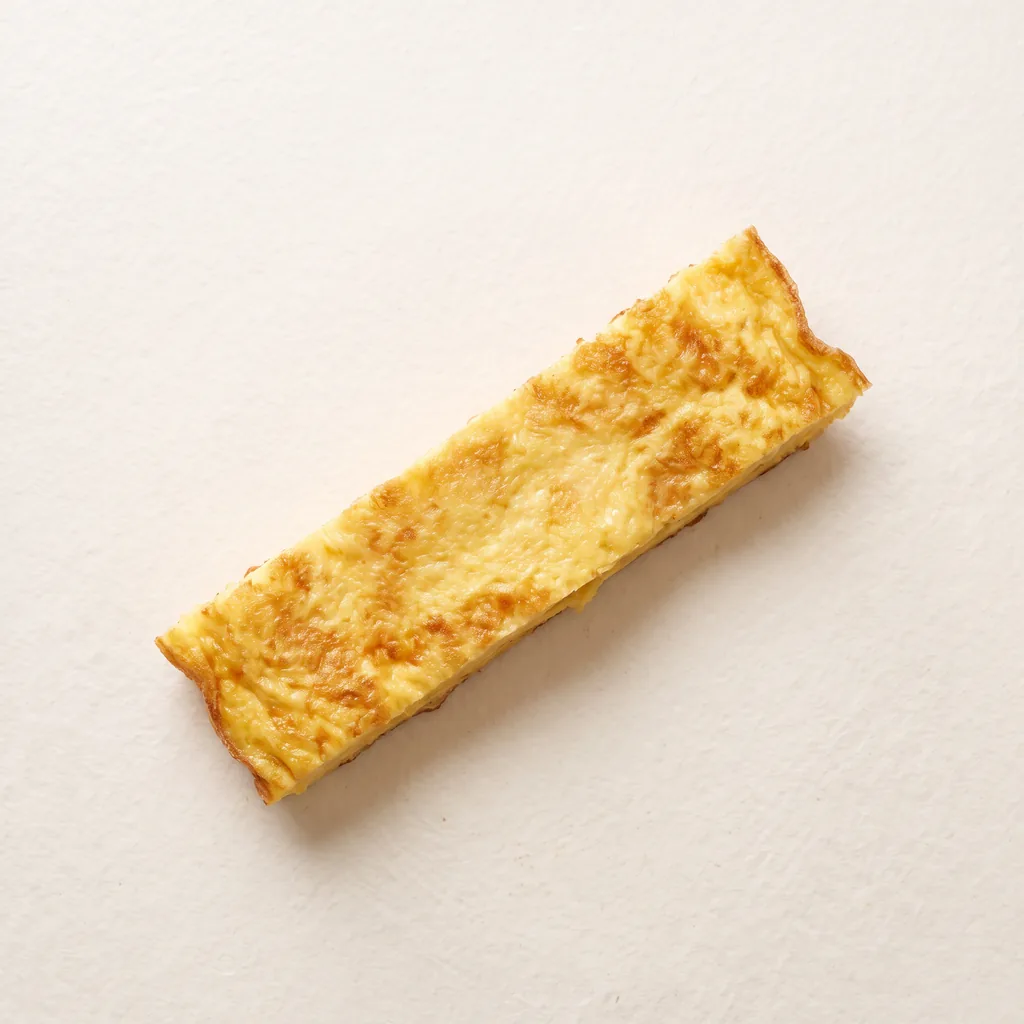
Cut: Finger strip
Make an omelet and cook it through so nothing runs. Cut it into rectangular strips baby can hold in a fist. To support self-feeding, hold the strip out in the air. You can also add well cooked egg to other dishes.
Dietitian's view
Duck egg is not common in Türkiye.
Lokmini is not a healthcare provider and does not offer health services. For your baby's specific needs, talk to your doctor or a dietitian.
Duck egg, like chicken egg, can be offered from about 6 months once baby shows signs of readiness for solids. Egg is a common food allergen.
 Allergen, day 1/3
A duck egg has a bigger yolk, and the yolk makes up more of the egg compared with the white. For that reason it is considered more nutritious than a chicken egg.
Eggs are an excellent source of fat and protein. They give the iron and some of the zinc babies need to grow. The yolk in particular holds nearly every vitamin except vitamin C. Selenium and B vitamins, B12 especially, are plentiful in duck eggs. Few foods contain vitamin D, which aids calcium absorption, and eggs are among them.
Also known as: ördek yumurta, haşlanmış ördek yumurtası, ördek yumurtası omleti
So that any reaction can be linked to the right food, duck egg is offered 3 days in a row and no other new food is tried on those days.
Start with a small amount in the morning or around midday. Your baby is watched closely for 5 to 10 minutes after the first bite.
Duck egg is offered again the same way. No other new food is tried today.
If no reaction was seen, duck egg is now part of your baby's meals. It keeps being offered regularly.
Emergency
If there is trouble breathing, facial swelling, or a widespread flush, call emergency services right away.
FPIES warning
It is one of the known triggers of FPIES (a delayed-onset food allergy). In this condition, repeated severe vomiting, pallor and lethargy may occur, usually 1-4 hours after the food is eaten. Diarrhea may appear later. These symptoms require urgent medical evaluation.
After milk, egg is the most common food allergen. Egg allergy affects roughly 2% of children. Many outgrow it.
Give a tiny amount the first time, for example a small slice of omelet eaten over a minute or two. A few babies have strong reactions to even the tiniest amount. Watch for signs closely.
Possible signs: teary eyes, hives, a rash, wheezing, itchiness, a puffy face, a cough, throwing up, loose stools, or belly pain. Should the reaction be strong, baby look flushed, or breathing become hard, call emergency services at once. It may be anaphylaxis.
Research shows benefits in introducing allergens as soon as baby is ready for solids.
6 monthsStrip
Cut: Finger strip
Make an omelet and cook it through so nothing runs. Cut it into rectangular strips baby can hold in a fist. To support self-feeding, hold the strip out in the air. You can also add well cooked egg to other dishes.
9 monthsCube
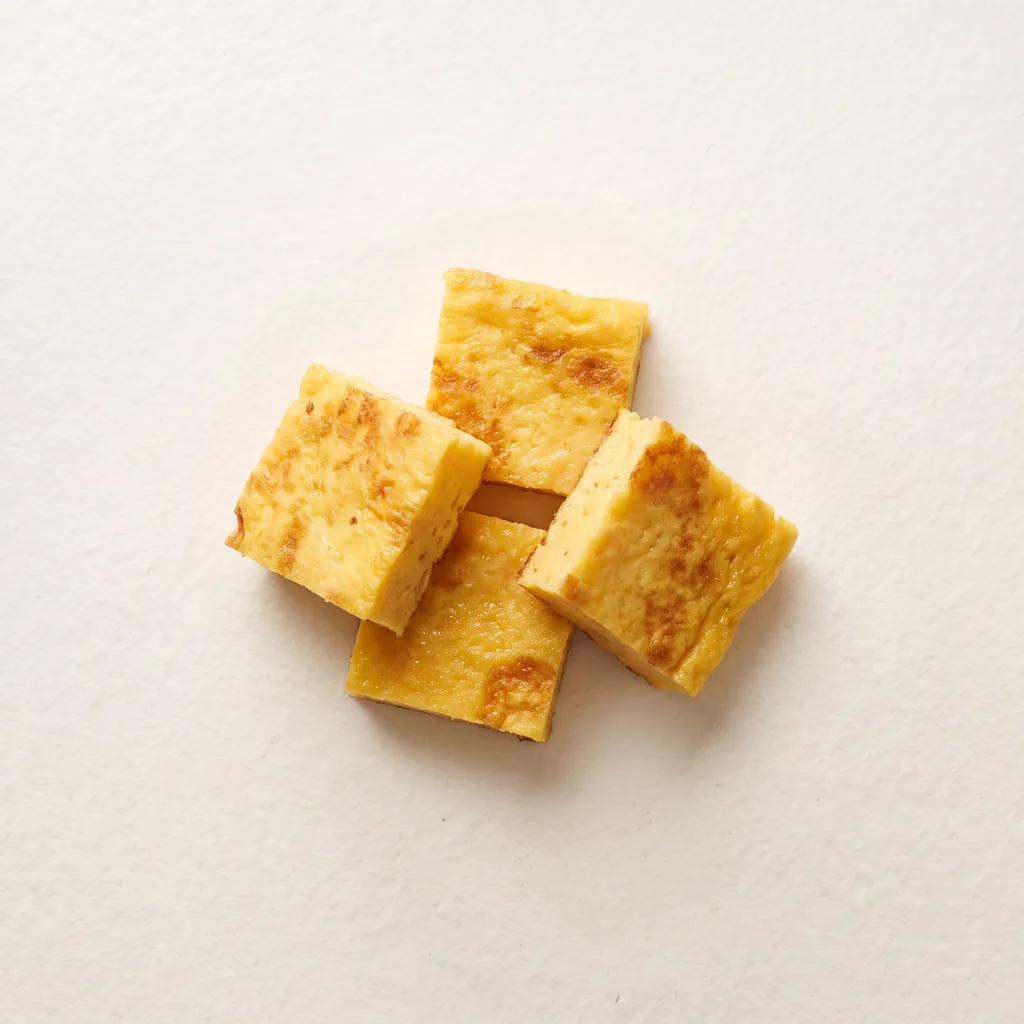
Cut: Bite sized piece
Once the pincer grasp develops, cut the same omelet strips into small bite-sized squares.
12 monthsSlice
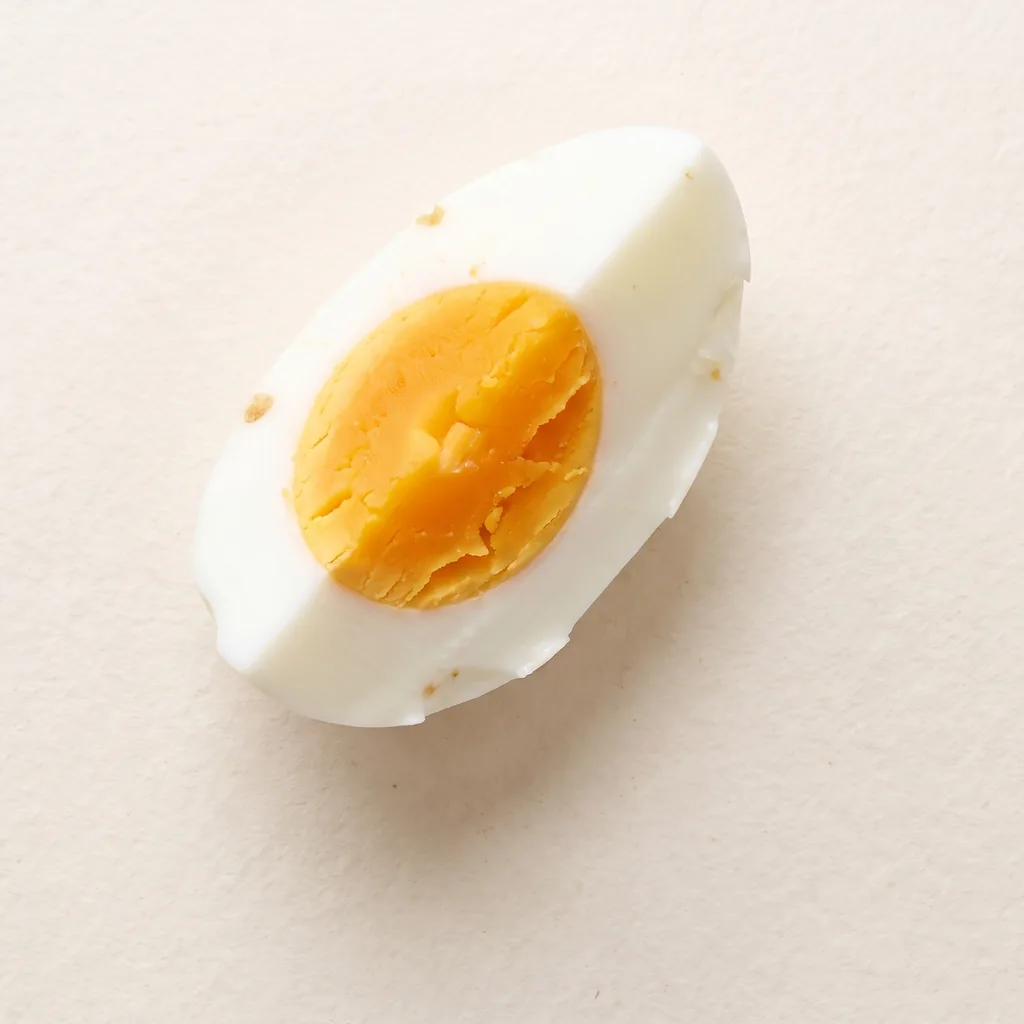
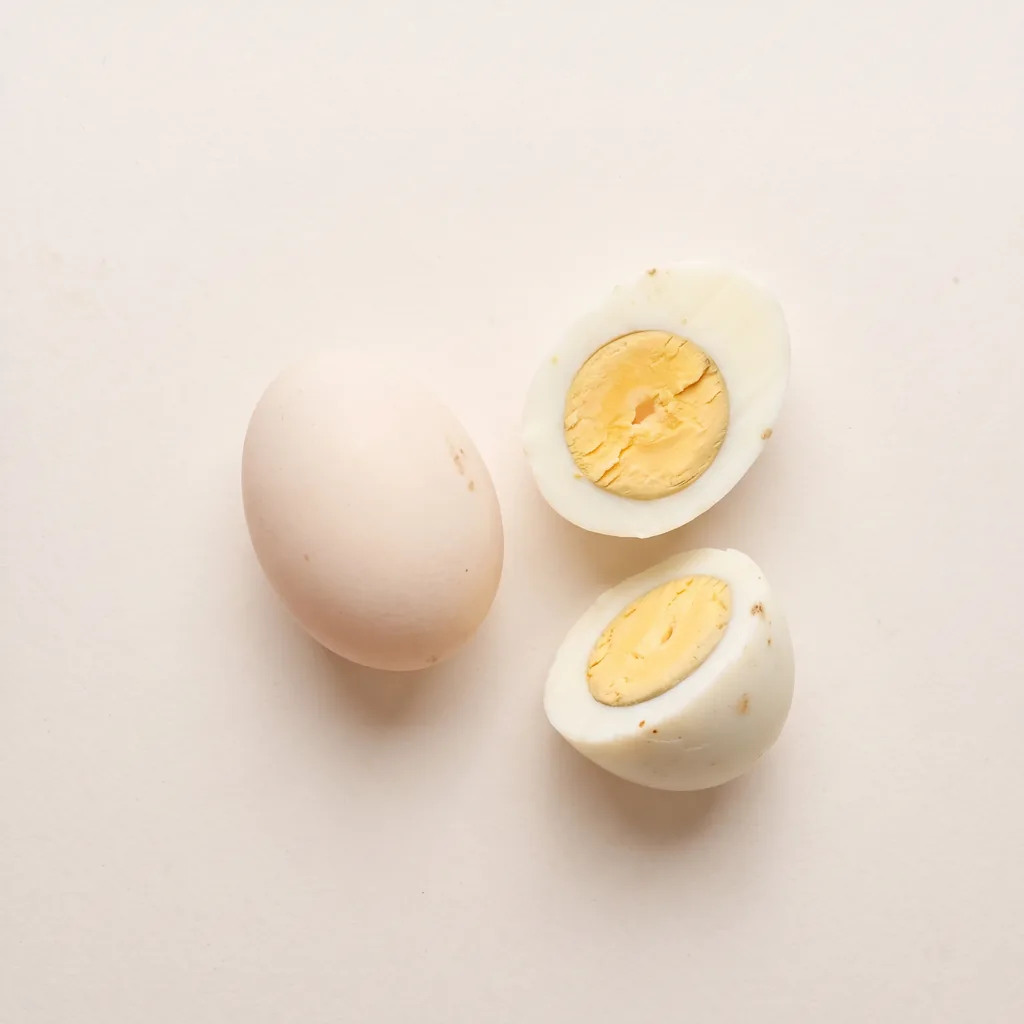
Quarter a hard-boiled egg. An egg slicer gives thin rounds. Egg salad also works. Some children drop eggs after their first birthday. Cookie-cutter shapes or egg bites baked in a muffin tin can bring interest back.
Duck egg can pose a choking risk. Omelet is safer than hard-boiled egg. Quarter hard-boiled egg or cut it into thin rounds.
Stay near baby during meals.
Prepared by the Lokmini team | Last updated November 17, 2026
Join Lokmini to learn how this food is served at each age and to keep track of every food your baby tries.
Lokmini builds a day-by-day plan for your baby's age. Leave your email for new guides and our newsletter.
Start Your Journey